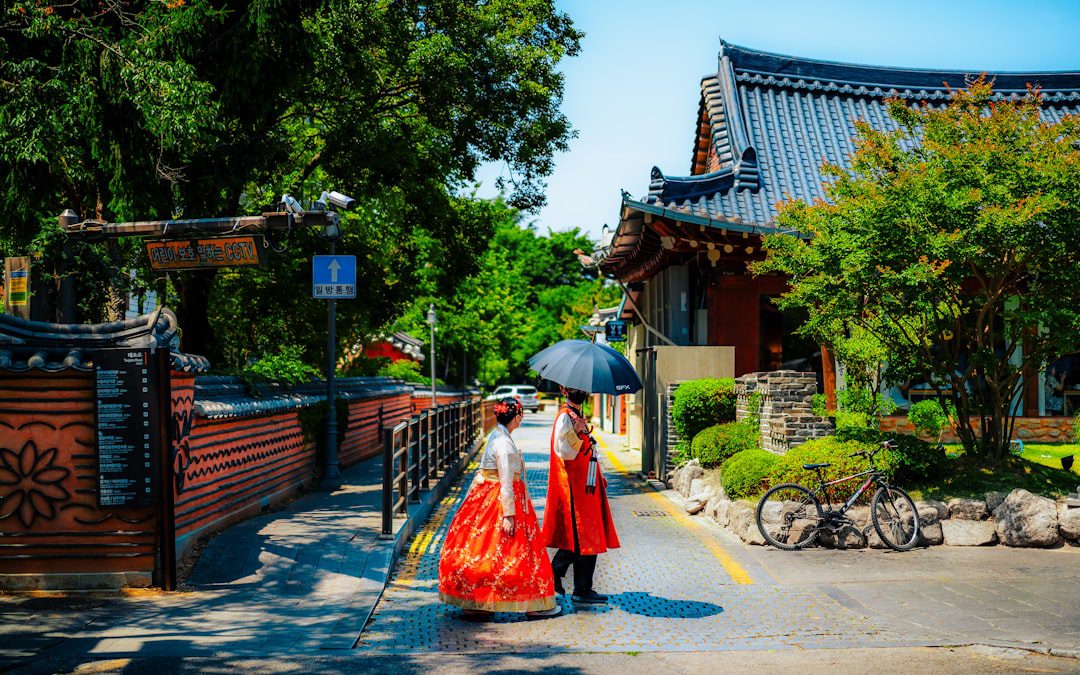
I still remember the first time I stepped into Jeonju Hanok Village in the late 1990s. Back then, it was quieter—more locals, fewer tour buses—but the magic was unmistakable. Rows of clay-tiled roofs cascading down the hillside, the smell of tteokbokki and grilled seafood pancakes drifting from tiny stalls, and something that felt genuinely preserved, not just polished for tourists. Over three decades living in Korea, I’ve watched Jeonju transform into one of the country’s most essential food destinations, yet somehow it’s maintained a soul that Seoul’s Myeongdong lost years ago.
Jeonju isn’t just about pretty architecture—though it has plenty of that. This city in North Jeolla Province is where Korean cuisine’s most iconic dish was born, where artisanal food culture thrives, and where a single day trip can transform how you understand Korean food and tradition. Whether you’re a foodie, history buff, or someone who simply wants to escape Seoul for a day, Jeonju delivers. I’ve made this journey dozens of times, and I’m going to share everything I’ve learned so you don’t waste a single moment—or won’t.
Why Jeonju Matters: The Birthplace of Bibimbap
Let’s start with the obvious: Jeonju is the undisputed home of bibimbap. If you’ve eaten this iconic Korean rice dish with mixed vegetables, egg, gochujang, and sesame oil, you’ve eaten Jeonju’s gift to the world. The dish originated here during the Joseon Dynasty, when it was served to yangban (nobility) families using leftover ingredients—a practice that became sacred culinary tradition.
But here’s what surprises most visitors: Jeonju bibimbap tastes different from what you’ll find in Seoul or anywhere else. It’s lighter, more herb-forward, with a careful balance of raw and cooked vegetables. The restaurants here don’t just cook bibimbap; they perform it—the sizzling stone bowl, the theatrical mixing, the respect for each ingredient. I’ve eaten bibimbap from Seoul to Busan, and I still come back to Jeonju because those cooks understand something about restraint and balance.
Ted’s tip: Arrive in Jeonju early in the afternoon specifically to eat bibimbap for lunch. The best restaurants (the family-run ones, not the tourist spots) serve it starting around 11 AM, but midday (1–2 PM) hits that sweet spot where it’s busy enough to ensure fresh ingredients but not so crowded you’re standing in line for an hour.
Beyond bibimbap, Jeonju has become the epicenter of Korean traditional food culture (한국음식의 전당). UNESCO recognized Jeonju’s Hanok Village for its preservation in 2008, and the designation brought resources that elevated the entire food scene. Today, over 800 restaurants operate within or near the hanok village, from street-food carts to fine-dining establishments that charge ₩35,000–50,000 per person for multi-course hansik (Korean traditional cuisine) experiences.
Getting There: Transport from Seoul
Train (KTX) — Best Option for Time
The fastest and most comfortable way to reach Jeonju from Seoul is via KTX (Korea Train eXpress). The journey takes approximately 2 hours and 40 minutes, which is perfect for a day trip. Trains depart frequently—roughly every 30 minutes to an hour during daytime.
| Route Detail | Information |
|---|---|
| Departure Station | Seoul Station (Line 1) or Yongsan Station (Line 1) |
| Arrival Station | Jeonju Station (전주역) |
| Journey Time | 2 hours 40 minutes |
| Price (Off-Peak) | ₩47,900–55,000 |
| Frequency | Every 30 minutes to 1 hour |
| Booking | Korail.com or automated kiosks at stations |
I almost always take the KTX. Yes, it costs more than the bus, but you arrive refreshed, with time to explore. Plus, arriving at Jeonju Station means you’re just a short taxi or bus ride (5–10 minutes) from Hanok Village.
Express Bus — Budget-Friendly Alternative
If you’re watching your budget, express buses run from Seoul’s central bus terminals (Gangnam Station Bus Terminal, Seoul Express Bus Terminal, or Nambu Terminal) directly to Jeonju. The journey takes 3–4 hours depending on traffic, and costs ₩18,000–22,000.
| Bus Route | Details |
|---|---|
| Departure Points | Gangnam, Nambu, Seoul Express Bus Terminals |
| Arrival | Jeonju Bus Terminal (전주버스터미널) |
| Duration | 3–4 hours |
| Cost | ₩18,000–22,000 |
| Frequency | Multiple departures daily, every 30–60 minutes |
| Booking | Ticketing counters or Naver/Kakao apps |
The bus is slower, but if you’re coming from Gangnam or south of the Han River, it’s convenient and economical. Fair warning: comfort varies wildly depending on the carrier.
From Jeonju Station/Bus Terminal to Hanok Village
Once you arrive, getting to Hanok Village is straightforward:
- Taxi: ₩8,000–12,000 (10–15 minutes depending on traffic)
- Local Bus: Take Bus 8, 11, 17, or 37 (₩1,250–2,500, 15–20 minutes). Ask at the station information desk; staff speak some English.
- Walking: If you’re feeling adventurous, it’s about 2 km (30–40 minutes) from either station. Not ideal with luggage, but Jeonju’s streets are pleasant.
Ted’s tip: Book your KTX ticket 2–3 weeks in advance during weekends or holidays. The trains fill quickly with Korean families doing exactly what you’re doing. Weekday travel is far easier and less crowded.
The Hanok Village: What to Expect
Jeonju Hanok Village (전주 한옥마을) sprawls across roughly 70,000 square meters and contains over 800 traditional hanok houses (한옥), most of which have been converted into restaurants, cafes, galleries, craft studios, and guesthouses. The village sits on a hillside, which means wear comfortable walking shoes—you’ll be navigating sloped streets and stairs.
The village is architecturally stunning. These aren’t theme-park recreations; many hanok date to the 1920s–1950s. The clay tile roofs, the wooden lattice windows, the stone courtyard gates—it all feels authentic because it is. That said, it’s also heavily touristed, especially on weekends. If you want the village to yourself, arrive early (before 10 AM) or come on a weekday.
Village Layout & Key Zones
The village divides into distinct areas, which helps if you’re planning your day:
| Zone | What’s There | Best For |
|---|---|---|
| Main Street (Jeonju-gil) | Street food stalls, souvenir shops, tourist restaurants | Quick bites, souvenirs, photos |
| Northern Quarter (Gyeonggunrae-gil) | Quieter cafes, galleries, local restaurants, hansik fine dining | Serious food lovers |
| Eastern Section | Hanbok rental shops, traditional artisan studios | Dressing up, craft experiences |
| Park Zone (Upper Village) | Quiet walking paths, observation points, fewer restaurants | Peaceful exploration, views |
Admission: Hanok Village itself is free to explore. You only pay when entering individual shops, cafes, or restaurants. There are no entrance gates or tickets.
Hours: Most restaurants and shops open at 10 AM and close by 9–10 PM. Street food vendors are usually active 11 AM–8 PM. Museums and galleries have varying hours; check ahead if there’s something specific you want to see.
Food: The True Reason You’re Here
Let me be direct: you’re coming to Jeonju to eat. And you should. The food scene here is genuinely world-class, from street-vendor kimchi pajeon (₩3,000–5,000) to bibimbap experiences that cost ₩25,000 and feel worth triple that.
Bibimbap: Where to Eat It Right
This is the must-do culinary experience. The best bibimbap restaurants in Hanok Village cluster in two categories:
Tourist-Popular (Still Excellent):
| Restaurant | Price | Style | Why Go |
|---|---|---|---|
| Omokgae (오목개) | ₩12,000–14,000 | Traditional stone bowl | Family-run since 1992, perfect technique, queues on weekends |
| Jeonju Bibimbap House (전주비빔밥) | ₩14,000–16,000 | Modern hanok setting | Air-conditioned, consistent quality, good for groups |
| Gogung (고궁) | ₩13,000–15,000 | Premium version | Higher-end ingredients, refined plating, English menu |
My personal recommendation? Omokgae. It’s tiny, family-operated, and the owner takes the craft seriously. You’ll sit at a low table on ondol (heated floor), watch vegetables being precisely arranged, and taste bibimbap that tastes like how it did 70 years ago. Fair warning: prepare to wait 20–30 minutes on weekends. Go early or visit on a weekday.
Street Food: The Underrated Meal
Jeonju’s street food is world-class and criminally underrated compared to Seoul’s night markets. Here’s what to eat:
| Food | Price | Where | Must-Try? |
|---|---|---|---|
| Kimchi Pajeon (kimchi pancake) | ₩3,000–4,000 | Main Street vendors | Absolutely. Crispy outside, tender inside, Jeonju’s kimchi is special |
| Jjimgalbi (braised short ribs) | ₩5,000–7,000 | Small stalls near Jeonju-gil | Yes. Tender, sweet, perfectly spiced |
| Egg Bread (계란빵) | ₩3,000–3,500 | Bakery shops throughout village | Great snack, but not unique to Jeonju |
| Tteokbokki (spicy rice cakes) | ₩3,500–5,000 | Street vendors | Good quality, but not distinct from Seoul |
| Jjim Sundae (braised rice sausage) | ₩4,000–6,000 | Niche stalls, ask locals | Adventurous eaters only, but authentic North Jeolla specialty |
Ted’s tip: The kimchi pajeon vendors on main street are where locals grab lunch. Skip the tourist-oriented pancake stalls; head to where you see Korean families sitting at plastic stools actually eating. The quality difference is dramatic, and prices are identical.
Hansik (Korean Fine Dining): For the Serious Foodie
If you want to experience traditional Korean cuisine elevated to fine-dining standards, Jeonju has several restaurants that specialize in hansik yori (한식 요리)—multi-course traditional Korean meals. These typically run ₩35,000–60,000 per person and include 10–15 small dishes alongside a main protein.
Recommended:
- Hyang-bap (향밥): ₩35,000–45,000. Specializes in vegetables, temple-inspired dishes, and seasonal ingredients. Quiet, sophisticated atmosphere in a renovated hanok.
- Jeonju Kkwabaegi (전주꽈배기): ₩28,000–38,000. Not fine-dining, but an excellent mid-tier option with seasonal dishes and careful plating.
These restaurants require reservation (call ahead or use Naver Restaurant app). They’re not for quick meals; expect to spend 1.5–2 hours eating deliberately and slowly. This is Korean food at its most intentional.
Cafes & Desserts: The Sweet Escape
After heavy meals, Hanok Village has excellent traditional dessert cafes where you can rest and recover:
| Cafe Style | Typical Cost | What to Order |
|---|---|---|
| Traditional Omija Tea Cafe | ₩5,000–7,000 | Omija (magnolia berry) tea, honey citron tea, sikhye (sweet rice drink) |
| Injeolmi Hotteok Cafe | ₩4,000–6,000 | Hotteok (sweet pancake) with brown sugar and cinnamon |
| Modern Hanok Cafe | ₩6,000–10,000 | Dalgona coffee, seasonal lattes, pastries |
My favorite: any cafe serving sikhye (sweet rice drink made with malt) on a hot day. It’s refreshing, low-calorie, and pure tradition. Most cafes are open 10 AM–8 PM daily.
Experiencing Hanbok: Dress as If You Belong Here
One of Jeonju’s signature experiences is renting a hanbok (traditional Korean dress) and exploring the village in costume. It sounds touristy—and it kind of is—but it’s also genuinely fun and transforms how locals react to you. I’ve watched countless visitors come through Jeonju, and the ones in hanbok get smiles, photos offered, and a completely different village experience.
Hanbok Rental: Prices & Logistics
| Rental Type | Duration | Price | Notes |
|---|---|---|---|
| Standard Female Jeogori-chima | 2–4 hours | ₩15,000–25,000 | Colored silk versions, basic quality, dozens of shops |
| Premium Female Hanbok | 2–4 hours | ₩30,000–50,000 | Custom fits, high-quality silk, tailored styles |
| Male Jeogori-durumagi | 2–4 hours | ₩20,000–35,000 | Less common rental, fewer shops, reserve ahead |
| Couple Packages | 3–5 hours | ₩50,000–80,000 | Matching outfits, photos included sometimes |
| Children’s Hanbok | 2–4 hours | ₩12,000–20,000 | Smaller sizes, less intricate details |
There are over 30 rental shops in Hanok Village, and they’re impossible to miss—look for signs advertising “한복 대여” (hanbok daero). Most cluster along main streets and near the entrance. I recommend asking your guesthouse or hotel to recommend one; many have partnerships and offer discounts.
Ted’s tip: Rent hanbok in the morning (10–11 AM) rather than midday. You’ll beat the crowds and have the best light for photos. Most rentals include hair styling; ask if your rental includes makeup—some places do, some don’t. Expect to spend 30 minutes total on fitting and styling.
Wearing hanbok comes with unwritten rules: walk slowly (the fabric restricts movement), avoid sitting directly on stone steps (it damages the skirt), and be prepared to pose for photos. Korean families WILL ask to take pictures with you. I see it as cultural exchange; some visitors find it intrusive. Your comfort level varies.
Beyond the Main Village: Museums & Crafts
While the village itself is the main attraction, Jeonju has several cultural institutions worth your time if you want to deepen your understanding of Korean tradition and food culture.
Jeonju Korean Traditional Culture Center
Located at the edge of Hanok Village, this museum (₩3,000 admission) showcases traditional Korean music (pansori), dance, and crafts. They offer cultural demonstrations several times daily. It’s not essential, but worth 45 minutes if you’re interested in performance traditions.
Hours: 10 AM–6 PM daily (closed Mondays). Address: 54 Taekosa-gil, Wansan-gu, Jeonju. Subway: 15 minutes by taxi from Jeonju Station.
Korean Traditional Liquor Museum (Takju-gwan)
If you want to understand Korean rice wine and traditional alcohol, this small museum displays makgeolli (Korean rice wine) production and history. Small entrance fee (₩3,000–5,000), and they offer tastings at the adjacent cafe. Open 10 AM–5 PM, closed Tuesdays.
This pairs perfectly with food exploration and gives context to why Jeonju’s food culture is so integrated with beverage tradition.
Craft Studios: Hanji & Pottery
Scattered throughout Hanok Village are working studios where artisans create traditional hanji (Korean paper) and pottery. These aren’t museums; they’re active workshops. You can watch (free) or participate in classes (₩30,000–60,000 for 1–2 hours). Look for signs advertising “한지 체험” (hanji experience) or “도자기 (pottery) lessons.”
I’ve taken a hanji-making class here before, and it transformed my respect for the craft. It takes 15 minutes just to understand why the process is done a certain way. If you’re interested in Korean ceramics and pottery techniques, Jeonju is an excellent place to learn.
Overnight Options: Should You Stay?
Most visitors do Jeonju as a day trip, and that’s feasible. You can comfortably experience the village, eat two solid meals, explore cafes, and return to Seoul by 9–10 PM on the same KTX train. However, staying overnight changes the experience entirely—you see the village at dawn, experience evening atmosphere, and can eat more intentionally without rushing.
Hanok Guesthouses (Hanok Stays)
This is the classic Jeonju experience. You rent a traditional hanok house (or rooms within one) with ondol heating, low furniture, and minimal Wi-Fi. Prices vary wildly:
| Type | Price/Night | Best For | Booking |
|---|---|---|---|
| Budget Hanok (Shared Bathroom) | ₩40,000–70,000 | Backpackers, cultural experience seekers | Airbnb, Booking.com, local apps |
| Mid-Range Hanok (Private Bath, Simple Amenities) | ₩80,000–150,000 | Couples, small families | Airbnb, Agoda, Naver Booking |
| Premium Hanok (Full Service, High-End) | ₩200,000–400,000+ | Luxury seekers, special occasions | Booking.com, exclusive properties |
My experience: mid-range hanok stays (₩100,000–140,000) offer the best value. You get private bathrooms, heating/AC, and often breakfast included. Budget options can be drafty and depressing; premium options charge luxury prices for what is, ultimately, a guesthouse with traditional aesthetics.
Ted’s tip: When booking a hanok stay, confirm in the listing whether it has a private bathroom. Shared bathrooms are authentic but inconvenient. Also confirm breakfast inclusion—some guesthouses offer traditional Jeonju breakfast (rice, soup, banchan) included; others charge ₩10,000–15,000 extra. This matters if you plan an early start.
Modern Hotels (Outside Village)
If traditional accommodations don’t appeal, Jeonju has modern hotels within walking distance (10–20 minutes) of Hanok Village. These offer Wi-Fi, English staff, and modern bathrooms at comparable or slightly higher prices than mid-range hanok (₩120,000–200,000/night). Less atmospheric, but more comfortable for travelers with accessibility needs or those who prefer familiar hotel setups.
A Perfect Day in Jeonju: Suggested Itinerary
Here’s how I’d structure a day trip if you’re serious about experiencing Jeonju properly:
| Time | Activity | Duration | Cost |
|---|---|---|---|
| 7:30 AM | KTX departs Seoul Station (Book ahead) | 2h 40m travel | ₩47,900 |
| 10:30 AM | Arrive Jeonju Station; take taxi to village | 15 minutes | ₩12,000 |
| 11:00 AM–12:30 PM | Explore main streets; rent hanbok (optional) | 1.5 hours | ₩0–20,000 |
| 12:30–1:30 PM | Eat bibimbap at Omokgae (arrive before lunch rush) | 1 hour | ₩13,000 |
| 1:30–3:30 PM | Walk northern quarter; visit cafes, galleries, museums | 2 hours | ₩15,000 (cafe/museum) |
| 3:30–4:30 PM | Rest at traditional tea cafe; drink omija or sikhye | 1 hour | ₩6,000 |
| 4:30–5:30 PM | Street food snacking (pajeon, tteokbokki, etc.) | 1 hour | ₩10,000 |
| 5:30–6:30 PM | Return hanbok; photos at sunset viewpoint | 1 hour | ₩0 (included in rental) |
| 6:30–7:30 PM | Dinner: light meal or second restaurant experience | 1 hour | ₩15,000 |
| 7:30–8:00 PM | Taxi to Jeonju Station | 15 minutes | ₩12,000 |
| 8:30 PM | KTX departs for Seoul | 2h 40m travel | ₩47,900 |
| 11:15 PM | Arrive back at Seoul Station | — | — |
Total Cost (Day Trip): ₩175,700–195,700 (approximately USD $130–150 per person)
Total Time Away: 15.75 hours (7:30 AM – 11:15 PM)
This itinerary prioritizes food and cultural experience without rushing. You hit the major highlights, avoid peak crowds (arriving before lunch rush), and still make a reasonable return time to Seoul.
Practical Information & Tips
Language & Communication
Jeonju is less English-friendly than Seoul. While major restaurant signs have English menus, smaller street vendors and hanbok shops don’t. Download Naver Papago (translation app) or use Google Translate camera function. Most importantly, screenshot photos of dishes before visiting restaurants—showing the vendor a photo is faster and more reliable than asking in English.
Weather & What to Wear
Jeonju’s weather mirrors Seoul’s, but the village is hillier and more exposed. Comfortable walking shoes are essential—expect 2–3 km of walking on sloped, sometimes uneven streets. In summer, bring sunscreen; the clay tiles and stone streets reflect intense heat. In winter, layers are crucial because hanbok rental shops aren’t heated.
Money & Payment
Most restaurants and shops accept credit cards, but street vendors and smaller cafes are cash-only. There’s an ATM outside Jeonju Station. Budget ₩100,000–150,000 (USD $75–110) for a full day including meals, hanbok rental, and incidentals.
Photography Rules
Hanok Village is incredibly photogenic, which means it’s crowded with photographers. Be respectful: ask before photographing people, avoid blocking restaurant entrances with your camera gear, and visit early morning (before 9 AM) if you want uncluttered shots. Some cafes and galleries request photo-free zones—respect the signs.
Peak vs. Off-Peak Times
Weekends and Korean holidays are chaotic. If possible, visit on a Tuesday–Thursday. You’ll experience a completely different Jeonju—quieter restaurants, shorter lines, more authentic interactions with shopkeepers. The difference is genuinely night-and-day.
Frequently Asked Questions
Is Jeonju worth a full overnight stay, or is a day trip sufficient?
A day trip covers the main village highlights: bibimbap, street food, hanbok photos, and basic exploration. However, staying overnight (1–2 nights) gives you time to experience the village at dawn and dusk, dine at more refined hansik restaurants (which require planning), explore surrounding areas like Jeonju Film Museum or nearby pottery villages, and feel less rushed. If you’re visiting Korea for only 5–7 days total, day trip is fine. If you have 2+ weeks, overnight stay improves the experience substantially.
What’s the difference between Jeonju bibimbap and Seoul bibimbap?
Jeonju bibimbap traditionally uses more raw vegetables (especially namul—seasoned vegetable side dishes), a less prominent gochujang ratio, and emphasizes the texture and freshness of individual ingredients. Seoul versions tend to be spicier and rely more heavily on gochujang. Jeonju bibimbap tastes lighter and more herb-forward. Once you’ve had authentic Jeonju bibimbap, Seoul versions taste unbalanced by comparison.
Can I visit Jeonju on a very tight schedule (like 4 hours total)?
Technically yes, but poorly. If you have 4 hours, you’d spend 1.5 hours traveling from Jeonju Station to village and back, leaving 2.5 hours in the village itself. You could eat one meal and walk the main streets, but would miss all nuance. Jeonju requires at minimum 6–8 hours to feel worthwhile. If you’re short on time, skip Jeonju and do a Seoul-based food experience instead—you’ll get more depth.
Is Jeonju expensive compared to Seoul?
No. Meals are slightly cheaper than Seoul (bibimbap ₩12,000–15,000 vs. Seoul ₩13,000–18,000), and accommodations are far cheaper. Street food is ₩3,000–6,000 everywhere in Korea. Your Jeonju day trip will cost less than an equivalent Seoul experience. Hanbok rental is the optional splurge (₩15,000–50,000).
What should I prioritize: bibimbap or hansik fine dining?
Both. Bibimbap is essential—it’s why Jeonju matters. But if you have time and budget, a hansik multi-course meal (₩35,000–50,000) teaches you more about Korean cuisine than any single dish. Eat simple bibimbap for lunch, then hansik for dinner if you’re staying overnight. If day-tripping, prioritize bibimbap and street food.
Are hanbok rentals worth the hassle and expense?
Yes, if you’re willing to commit to the experience. Hanbok restrictions (you can’t sit freely, movement is limited, you need constant adjustment) are real, but wearing it transforms your village visit. Locals smile more, photography improves dramatically, and it creates a memorable experience. That said, if you hate being photographed or feel self-conscious, skip it. You’ll still enjoy the village.
What’s the best time of year to visit Jeonju?
Autumn (September–November): mild weather, golden light for photography, comfortable hanbok-wearing. Spring (March–May): cherry blossoms nearby, similar pleasant weather. Summer is hot and humid, winter is cold and dry. Avoid Korean holidays and weekends if possible. Mid-week visits (Tuesday–Thursday) in autumn are genuinely perfect.
Can I combine Jeonju with other North Jeolla destinations?
Yes. Nearby options include: pottery villages in Icheon (1 hour by bus), the Korean folk village at Suncheon (1.5 hours), and the Damyang bamboo forest (1 hour). If you stay overnight, you can explore one adjacent destination. However, these are optional—Jeonju alone justifies the trip.
Final Thoughts
Jeonju changed how I understand Korean food. In 1989, when I first arrived in Korea, Jeonju was a regional city tourists rarely visited. Now it’s rightfully recognized as the country’s food capital, and for good reason. When you eat bibimbap prepared by a chef who’s studied this specific dish for 40 years, in a restaurant where her mother worked before her—that’s not tourism, that’s genuine cultural exchange.
What strikes me most about Jeonju, even after 35 years in Korea, is how it feels both preserved and alive. The hanok aren’t museum pieces; they’re active homes, restaurants, studios where people work. The village could easily feel like a theme park, but it doesn’t. Local families still shop at the same vendors their parents did. The food culture isn’t performed for tourists; it’s earned through generations of care.
If you’re doing Korea right—not just rushing through Seoul—Jeonju is non-negotiable. Book your KTX ticket, wear comfortable shoes, come hungry, and approach it with patience. You’re not visiting a village; you’re participating in a food culture older than the nation itself.
— Ted K
Image Credits: Photos sourced from Unsplash. By using this site, you agree to our Privacy Policy and Disclaimer.