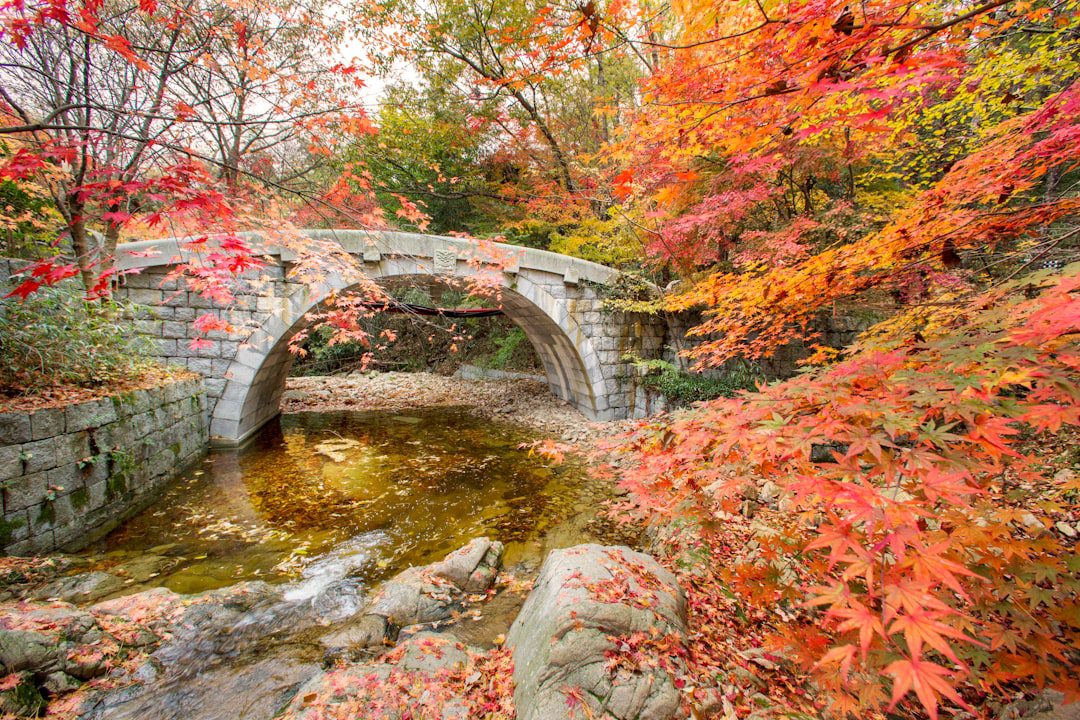
I still remember the first time I visited Nami Island—it was about 15 years ago, before the Korean Wave made it impossible to move without bumping into a K-drama fan with a camera. My wife and I took the train from Seoul on a crisp autumn morning, and when we arrived, the tree-lined paths were so peaceful that we sat on a bench for nearly an hour without saying a word. The island has changed dramatically since then—there are more cafes, more tourists, more Instagram spots—but that fundamental sense of escape still exists if you know when and where to look.
Nami Island (남이섬) sits just 45 minutes northeast of Seoul in the Chuncheon area, and it’s become one of Korea’s most visited day-trip destinations, especially since the K-drama Winter Sonata was filmed here back in 2002. But here’s what most visitors don’t realize: you can avoid the worst crowds, find authentic local experiences, and actually feel like you’re taking a genuine break from the city chaos. This guide is built on three and a half decades of visiting Korea and learning exactly when and how to experience the island like someone who lives here, not just passes through.
Let me walk you through everything you need to know—from transport logistics to the best photo spots, the hidden corners nobody talks about, and exactly how much you should budget for the day.
Getting to Nami Island: Transport Options from Seoul
There are three main ways to reach Nami Island from Seoul, and each has different pros and cons depending on your flexibility, budget, and energy level. I’ve done all three routes more times than I can count, and I’ll break down exactly what to expect.
Train + Ferry (Most Popular Route)
This is the route 80% of tourists take, and for good reason: it’s straightforward, affordable, and gives you genuine local vibes if you pay attention. Here’s exactly how it works.
First, you’ll take the subway to Seoul Station (Line 1, 4, or Airport Railroad). From there, you can catch either a KTX (high-speed train) or an ordinary commuter train to Chuncheon. Most international visitors take the ordinary train because it’s ₩12,000-₩15,000 cheaper than the KTX, and honestly? The 90-minute journey is part of the experience. You’ll see suburban Seoul melt into green valleys, and you’ll notice that nobody around you is rushing.
Ted’s tip: I always book the ordinary train (ITX-Cheongchun) rather than KTX. It takes longer (about 1 hour 45 minutes vs. 1 hour), but it’s ₩24,300 instead of ₩36,000, and the slower pace means you actually see the countryside unfold. Plus, the train stations are less chaotic.
Once you arrive at Chuncheon Station, here’s where most tourists get confused. There’s a shuttle bus operated by Nami Island directly (₩3,000), but it only runs during peak season and on weekends. Your more reliable option is to walk out of the station, hang a left, and look for a local taxi rank. The taxi ride is about 15 minutes and costs approximately ₩15,000-₩18,000. If you’re traveling with a friend, this is genuinely cheaper per person than waiting for a shuttle that may not show up.
Once you reach the Nami Island ferry terminal, the ferry ride itself takes about 15 minutes. The ferry costs ₩9,000 for adults (one-way). This journey is actually beautiful—you’re crossing the North Han River, and depending on the season, you’ll see either cherry blossoms reflecting in spring, summer swimmers playing along the banks, or autumn leaves turning gold.
| Transport Mode | Cost (₩) | Duration | Best For |
|---|---|---|---|
| ITX-Cheongchun Train + Taxi + Ferry | ₩48,300 | 2.5 hrs total | Budget travelers, scenic journey |
| KTX Train + Taxi + Ferry | ₩63,000 | 1.5 hrs total | Time-conscious visitors |
| Direct Tourist Bus (Myeongdong) | ₩45,000 | 2-2.5 hrs | Convenience, includes admission |
| Rented Car + Ferry | ₩80,000+ | 1.5 hrs driving | Groups, flexibility |
Direct Tourist Bus from Seoul
If the train-and-taxi route sounds complicated, there are several tour bus companies that offer round-trip service directly from central Seoul locations like Myeongdong, Gangnam, and Dongdaemun. Companies like Nami Island Tour and Friends Travel operate these buses, and they typically cost around ₩45,000-₩55,000 per person including island entry. The buses usually depart around 7:30-8:00 AM and return around 5:00-6:00 PM, which gives you a solid 6-7 hours on the island.
The advantage here is obvious: no confusion, no waiting for taxis, pickup from a central location. The disadvantage is that you’re traveling on a set schedule with 30-50 other tourists, and you lose some of the flexibility to stay later or explore at your own pace. I’d recommend this route if you’re traveling solo for the first time in Korea and want zero logistical stress.
Rented Car (My Preferred Option)
If you’re comfortable driving in Korea (and I write that knowing not everyone is—Korean highways can feel intense), renting a car from a company like GMarket Car Rental or Ecar gives you complete flexibility. The drive from central Seoul is about 45 minutes on the expressway, and once you’re on the road, you can stop at scenic overlooks, visit other Chuncheon attractions, or simply take your time. Parking at the Nami Island ferry terminal costs ₩5,000.
Ted’s tip: If you rent a car, don’t rush back to Seoul the same day. Chuncheon has fantastic restaurants, a beautiful riverside area called Lakeside, and some excellent cafes. I often recommend combining your Nami Island visit with an overnight stay in Chuncheon to truly decompress from Seoul’s intensity.
Island Entry Fees and Hours of Operation
This is where I need to be honest with you: Nami Island isn’t free. In fact, the entry fee has climbed significantly over the past decade as the island has become more commercialized. But it’s still reasonable compared to other Korean attractions.
| Visitor Type | Peak Season (Mar-Oct) | Off-Season (Nov-Feb) |
|---|---|---|
| Adult | ₩14,000 | ₩12,000 |
| Youth (13-18) | ₩10,000 | ₩9,000 |
| Child (3-12) | ₩7,000 | ₩6,000 |
| Senior (65+) | ₩7,000 | ₩6,000 |
The island is open daily from 8:30 AM to 10:00 PM, though I’d recommend arriving by 9:30 AM to beat the worst of the day-tripper crowds. During peak season (especially spring and fall), the island can feel genuinely packed by 11:00 AM, with tour groups clogging up the main pathways. If you arrive early, you’ll have the tree-lined streets almost entirely to yourself for the first hour or two.
Ted’s tip: Visit during late winter (January-February) or the shoulder season of early March if you want to experience Nami Island as it was before mass tourism. Yes, the trees are bare, but the serenity is incomparable, and you’ll actually be able to sit and enjoy a coffee without feeling rushed. Off-season entry is also ₩2,000 cheaper.
The Best Time to Visit: Seasons and Crowds
I’ve visited Nami Island in every season, and each one offers a completely different experience. Let me break down what you should expect and when I’d actually recommend coming.
Spring (March-May): Cherry Blossoms and Peak Crowds
Spring is when Nami Island gets absolutely mobbed. The tree-lined avenues are lined with cherry blossom trees, and when they bloom (usually mid-April), the island transforms into something resembling a pink cloud. It’s undeniably beautiful, but you’ll be elbow-to-elbow with other photographers trying to capture the same shot. My suggestion: if you’re visiting in spring, come on a weekday if at all possible, and arrive before 9:00 AM. The difference between 9:00 AM and 10:00 AM can mean the difference between being able to walk peacefully and genuinely struggling to move through crowds.
Summer (June-August): Hot, Humid, and Green
Summer turns Nami Island into a lush green paradise, but it’s also hot and sticky—I’m talking 28-32°C (82-90°F) with high humidity. The upside is that the crowds thin out a bit compared to spring. The downside is that the heat makes the walk less enjoyable for most people. If you’re visiting in summer, go early in the morning, bring plenty of water, and plan to spend time in the cafes or indoor attractions during the hottest parts of the day (1:00-3:00 PM).
Autumn (September-November): My Favorite Season
This is when I visit. The weather is perfect—cool but not cold, typically 15-20°C (59-68°F)—and the leaves turn spectacular shades of red, orange, and gold. The crowds return during the peak of foliage season (late October-early November), but it’s a different crowd than spring: more local visitors, fewer international tourists. The light is also better for photography because the sun is lower in the sky, creating that beautiful golden-hour feeling even at midday.
Winter (December-February): Quiet and Contemplative
Winter on Nami Island is stripped back to its essence. The trees are bare, the island is quiet, and you can actually hear yourself think. I find this time genuinely peaceful. Yes, it’s cold (0-10°C / 32-50°F), and you need to dress warmly, but if you’re looking for an experience that’s more about reflection than spectacle, winter is your time. The cafes are cozy, the walking paths are empty, and the island feels genuinely like a place of respite rather than a destination.
What to See and Do on Nami Island
Despite the crowds and commercialization, there’s a lot to actually do on Nami Island. You could realistically spend 4-6 hours here and never feel bored, though most day-trippers give themselves 3-4 hours.
The Tree-Lined Avenues and Walking Paths
The most iconic spot on Nami Island is the main tree-lined avenue that runs roughly north-south through the center of the island. This is where most of the Winter Sonata scenes were filmed, and it’s genuinely one of Korea’s most photogenic spots. The trees create a tunnel effect, especially when they’re in full leaf during spring and summer. I’d recommend walking this path twice: once early in the morning when it’s quiet (stay to the edges if other people have arrived), and once in the late afternoon when the light is softer.
Ted’s tip: Don’t just walk the main avenue and leave. The western side of the island (toward the river) has quieter walking paths with excellent views and way fewer tourists. Spend at least an hour exploring the side paths, and you’ll feel like you’ve discovered something secret.
Petite France and Garden Zones
The island’s southern end has some themed areas including Petite France (a replica French village street), a garden with seasonal flowers, and what they call the Garden of Morning Calm area. These areas feel a bit touristy compared to the natural walking paths, but they’re worth a quick walk-through, especially if you’re visiting during spring when the flowers are blooming. The Petite France section has some charming cafes and a small gift shop, and it’s popular for photos.
Nami Art Museum and Sculpture Parks
If you want to spend some time indoors or looking at contemporary art, the Nami Art Museum features rotating exhibitions by Korean and international artists. There’s also an outdoor sculpture park scattered across the island. These attractions cost extra (around ₩10,000-₩12,000 for the art museum), so budget accordingly if this interests you. Honestly, I usually skip these and stick to the natural areas of the island, but they’re good options if you’re visiting on a particularly hot day or if you’re traveling with someone who loves art.
Cycling (Optional)
You can rent bicycles on the island for about ₩8,000-₩12,000 per hour. This speeds up your ability to see the full island and takes pressure off your legs, but I’m honest about this: the island isn’t that large, and the walking paths are so beautiful that I prefer to walk slowly and take time to observe rather than cycle quickly through the scenery. That said, if you’re visiting with kids or if you want to cover maximum ground, bikes are available and the paths are flat and well-maintained.
K-Drama Filming Locations
If you’re a K-drama fan, Nami Island has become synonymous with Korean television productions. Beyond Winter Sonata, scenes from dramas like Boys Over Flowers and Running Man (the variety show) have been filmed here. The specific locations aren’t always clearly marked, but the island’s overall aesthetic is what matters. If you want to take pictures that look like a K-drama, focus on the tree-lined avenues during golden hour (late afternoon) and the riverside areas with their reflection views.
For a deeper dive into Korea’s TV production world, you might also enjoy exploring other K-drama filming locations throughout the country.
Where to Eat and Drink on Nami Island
This is where I need to be realistic with you: food on Nami Island is touristy and expensive. That said, there are some spots worth knowing about, and you can eat well if you make smart choices.
Cafes and Coffee Spots
There are easily 15+ cafes scattered across the island, and this is where most visitors spend their money. The majority are mid-range coffee shops (₩7,000-₩10,000 per beverage) with nice atmosphere and river views. My personal favorite has always been Nami Island Sketchbook, which sits on the eastern side with windows overlooking the river. It’s less crowded than the cafes near the main avenues, the coffee is decent, and you can actually sit down for 30 minutes without feeling rushed.
Ted’s tip: If you’re smart about it, bring a coffee or tea from a convenience store in Chuncheon before taking the ferry. The ferry terminal has a GS25 and a CU, both with excellent coffee for ₩3,000-₩4,000. Sit by the river with your coffee, save money, and avoid the island’s inflated cafe prices. Yes, it’s a small thing, but over a day trip it adds up.
Restaurants and Meal Options
There are a handful of proper restaurants on the island, mostly clustered near Petite France. These serve Korean food (bibimbap, gukbap, noodles) for ₩12,000-₩18,000 per meal. They’re fine—not bad, not exceptional—but the main issue is that they’re typically packed during peak hours (noon-1:30 PM). My strategy has always been to eat an early breakfast in Seoul or Chuncheon, enjoy the island with just light snacks, and then eat a proper meal back in Chuncheon when you return.
If you do want to eat on the island, aim for the restaurants at either 11:30 AM (right when they open) or after 2:00 PM (when the lunch rush has passed).
Street Food and Snacks
There are vendors selling hotteok (sweet pancakes), tteokbokki (spicy rice cakes), and other street snacks scattered across the island. These are usually ₩5,000-₩7,000 and genuinely tasty. This is actually my preferred option for eating on the island: grab a snack, sit on a bench somewhere quiet, and enjoy the view while eating. It’s less structured than a cafe, more authentic than a restaurant, and cheaper than both.
| Food Type | Estimated Cost (₩) | Best For |
|---|---|---|
| Coffee/Beverage at Cafe | ₩7,000-₩10,000 | Sitting and relaxing |
| Casual Meal (Restaurant) | ₩12,000-₩18,000 | Lunch or dinner |
| Street Snacks | ₩5,000-₩7,000 | Quick bites |
| Convenience Store Items | ₩3,000-₩6,000 | Snacks and drinks |
Money Matters: Budget Breakdown for a Nami Island Day Trip
Let me give you a realistic day-trip budget so you’re not surprised when you check your account afterward. These numbers are based on typical spending patterns I’ve observed after 15+ years of visiting.
| Expense | Budget (₩) |
|---|---|
| Round-trip train (ITX-Cheongchun) | ₩24,300 |
| Taxi to ferry terminal (both ways) | ₩35,000 |
| Ferry (round-trip) | ₩18,000 |
| Island entry fee (adult, peak season) | ₩14,000 |
| Cafe drinks/snacks (2-3 beverages) | ₩20,000-₩30,000 |
| Lunch or light meal | ₩12,000-₩18,000 |
| Small souvenirs/gifts | ₩10,000-₩20,000 |
| TOTAL (Estimated) | ₩133,300-₩169,300 |
In USD terms, that’s roughly $100-$130 per person for a full day trip. If you take the direct bus option instead, you’re looking at ₩45,000 for transport and admission, which brings your total to roughly ₩75,000-₩105,000 ($55-$80) depending on food spending.
Ted’s tip: Want to save money? Skip the tourist bus and take the ITX train—you’ll save ₩10,000-₩15,000 and have a much more authentic experience. Bring your own drinks and snacks from Seoul, and you’ll easily save another ₩15,000. It sounds like small potatoes, but it adds up, and these small choices also make your trip feel less like mass tourism and more like actual exploration.
Practical Tips: What to Pack and What to Know
After 35 years in Korea and countless trips to Nami Island, I’ve learned some practical lessons that genuinely make the experience better.
What to Bring
Comfortable walking shoes: You’ll easily walk 8,000-12,000 steps on Nami Island depending on how thoroughly you explore. Wear shoes that won’t give you blisters. I’m serious about this—there’s nothing worse than being surrounded by beauty and being uncomfortable because of your feet.
Weather-appropriate clothing: Check the forecast. In spring and autumn, layers are essential because the temperature can vary significantly between morning and afternoon. In summer, bring sunscreen and a hat. In winter, bring a warm jacket and maybe gloves.
Water bottle: It’s easy to get dehydrated without realizing it, especially if you’re walking in the sun. Bring an empty water bottle and fill it at any of the island’s bathrooms or cafes.
Phone charger or power bank: You’ll be taking a lot of photos, and your phone battery will drain faster than expected, especially if you’re using maps or translation apps. A 10,000mAh power bank (available at any convenience store for ₩15,000-₩20,000) is a worthwhile investment.
Small umbrella: Korea’s weather can turn quickly. Even if the forecast doesn’t show rain, bringing a compact umbrella is smart.
Photography Tips
If you want photos that actually look good (and let’s be honest, most of us do), here are my recommendations:
Golden hour is your friend: The best light for photos happens in the hour after sunrise (6:30-7:30 AM if you arrive that early) and in the hour before sunset (5:00-6:00 PM). If you can time your island visit to include these windows, your photos will automatically look better because the light is softer and more flattering.
Explore beyond the main avenue: Yes, the tree-lined avenue is iconic, but if you want truly unique photos, walk the quieter eastern paths or shoot from the riverbank. You’ll have fewer people in your shots and more space to compose interesting frames.
Avoid the main crowds: If you visit during peak season, arrive before 9:30 AM or after 4:00 PM for cleaner photos with fewer tourists in the background.
Accessibility and Facilities
Nami Island is reasonably well-equipped with bathrooms and rest areas, but I wouldn’t call it fully accessible for people with significant mobility issues. The paths are flat and paved, which is good, but there are occasional stairs in some areas. Bathrooms are scattered across the island and are clean, though you may encounter lines during peak times. There’s at least one ATM near the main entrance, and you can use credit cards at most cafes and restaurants.
For more detailed information about Korea’s accessibility infrastructure, check out our complete accessibility guide.
Internet and Communication
Most of the island has decent cellular coverage, but if you’re relying on data, having a portable WiFi or eSIM card is a good backup. The ferry terminal and main cafes have free WiFi, but speeds can be inconsistent.
Combining Nami Island with Other Chuncheon Attractions
Since you’re traveling all the way to Chuncheon anyway, it’s worth considering a fuller day that includes Nami Island plus other nearby attractions. Here are my suggestions.
Chuncheon Lake and Riverside Areas
Chuncheon itself sits on the Soyang River, which has been dammed to create a large lake. The lakeside area (called Lakeside or “호수 호변”) has walking and cycling paths, restaurants with river views, and a genuinely relaxed atmosphere that complements your Nami Island visit. If you have a car, you can easily spend an afternoon driving along the lake or hiking one of the trail areas.
Food in Chuncheon
Chuncheon is famous throughout Korea for its dakgangjeong (spicy fried chicken) and myeongju nakji (stir-fried octopus). If you eat lunch before heading to Nami Island or dinner after returning, you’ll get a genuine local experience. The main restaurant street for dakgangjeong is in downtown Chuncheon near Chuncheon Station.
Petite Switzerland and Other Theme Parks
There are a handful of other theme parks and attraction zones in the Chuncheon area, including Petite Switzerland (a winter-themed park) and Korean Webtoon Experiential Museum (if you’re interested in Korea’s unique comics culture). These are optional add-ons, not essential to your day, but they’re there if you want more structure.
Ted’s tip: If you’re visiting Nami Island with a friend or partner and you both enjoy exploring, consider making it an overnight trip. Stay in a guesthouse in Chuncheon, visit Nami Island one day, explore the lake area and eat the local food another day, and return to Seoul the next day. The cost is minimal (guesthouses are ₩50,000-₩100,000 per night), and the experience is infinitely more relaxed than cramming everything into a few hours.
Avoiding Common Mistakes
I’ve seen countless visitors make the same mistakes on Nami Island, and I want to help you avoid them.
Mistake #1: Arriving Too Late
If you arrive after 11:00 AM during peak season, you’ll hit the worst crowds. Tour buses unload around 10:00 AM, and by late morning, the main paths are genuinely congested. Early arrival is absolutely worth the effort.
Mistake #2: Only Walking the Main Avenue
The tree-lined avenue is iconic, but the island’s full charm reveals itself when you explore the quiet side paths, sit by the river, and find peaceful corners. Budget time to get a little lost and discover your own favorite spots.
Mistake #3: Eating Only Island Food
Island restaurants are overpriced and mediocre. Eat before you arrive or bring snacks. You’ll save money and enjoy better food.
Mistake #4: Not Budgeting for Extra Activities
If you want to see the art museum or rent a bike, that’s an extra ₩10,000-₩20,000 you may not have budgeted for. Check what’s available ahead of time so you’re not surprised.
Mistake #5: Visiting Only in Peak Season
If you have any flexibility in your Korea travel schedule, choose an off-season time. The island is genuinely more beautiful and more peaceful when there are fewer people, even if the dramatic seasonal colors aren’t as pronounced.
Frequently Asked Questions
How long should I spend on Nami Island?
Most people spend 3-4 hours on the island, which is enough time to walk the main paths, grab a coffee, and take photos. If you want a more leisurely experience or plan to visit the art museum and explore quieter areas, budget 5-6 hours. I’d never recommend staying less than 2 hours because the travel time to get there makes it not worth the quick visit.
Can I visit Nami Island in winter?
Absolutely. The island operates year-round (8:30 AM-10:00 PM daily), and winter visits are actually wonderful if you enjoy quiet, reflective spaces. Temperatures will be cold (around 0-10°C / 32-50°F), so dress warmly, but the peaceful atmosphere is worth it. Many locals tell me winter is their favorite season on the island.
Is Nami Island worth visiting?
Yes, but with caveats. If you love nature, photography, and peaceful escapes from the city, it’s absolutely worth the day trip. If you’re expecting a theme park experience with rides and attractions, you might be disappointed. It’s a place to walk, observe, sit, and reflect—not a destination for constant activity. Visit with realistic expectations and you’ll enjoy it.
Can I bring dogs or pets to Nami Island?
Nami Island doesn’t allow personal pets on the island, even in carriers. This is a rule I’d follow carefully—staff actively enforce it. If you’re traveling with a pet, you’ll need to make arrangements for care while you visit the island.
What’s the best day of the week to visit?
Weekdays are significantly less crowded than weekends. If you have any schedule flexibility, visit Monday through Thursday. Fridays and weekends see school groups and family outings, which increases crowds. Early mornings (before 9:30 AM) on any day are preferable to afternoons.
Can I swim in the river/lake near Nami Island?
No. While the river looks beautiful, it’s not a designated swimming area, and the water quality isn’t reliable for swimming. Plus, it’s cold for most of the year. Stick to admiring the water rather than getting in it.
Are there any free attractions on Nami Island?
Once you’ve paid the entry fee, everything else is essentially free—all the walking paths, the scenery, and the natural areas. You pay extra only if you visit the art museum or rent bikes. So the island isn’t as expensive as it might seem at first glance.
How much Korean should I speak to visit Nami Island?
None. Honestly. The island is so accustomed to international tourists that everything is signposted in English, most staff speak at least basic English, and you can navigate entirely using maps on your phone. Don’t let language be a barrier to visiting.
Final Thoughts
After 35 years in Korea, I’ve watched Nami Island transform from a quiet local getaway into one of Korea’s most visited destinations. It’s been commercialized, sure, but that core beauty is still there. The tree-lined paths still take your breath away. The river views still offer a genuine sense of escape. And if you time your visit thoughtfully and avoid the worst crowds, you can still experience something genuinely restorative.
Here’s what I always tell people: Don’t go to Nami Island to check off a famous K-drama filming location. Go to Nami Island to walk slowly, breathe deeply, and remember what it feels like to be somewhere beautiful and quiet. The Instagram photos are a bonus, not the point.
Pack light, arrive early, get lost on the side paths, sit by the river for longer than you planned, and let the experience happen rather than rushing through it. That’s when Nami Island reveals itself not as a tourist destination, but as something genuinely worth the day trip from Seoul.
— Ted K
Image Credits: Photos sourced from Unsplash. By using this site, you agree to our Privacy Policy and Disclaimer.