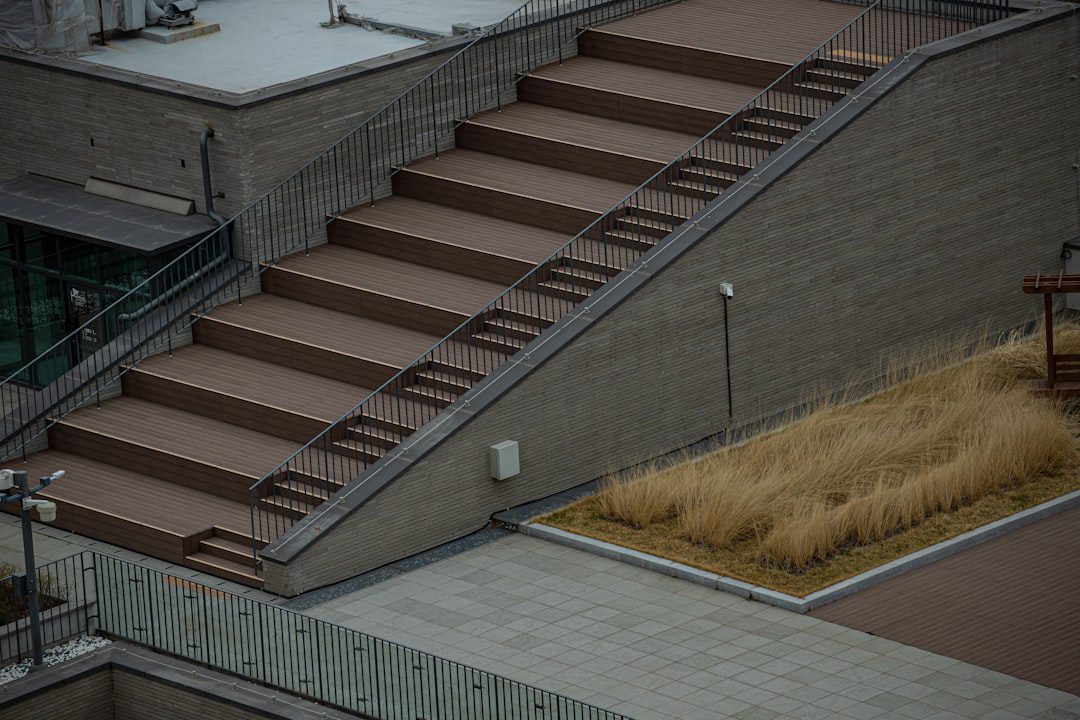
I’ll be honest with you—when I first arrived in Korea 35 years ago, accessibility for people with disabilities was practically nonexistent. The country was still in survival mode, rebuilding from decades of conflict. But I’ve watched this nation transform with remarkable speed, and nowhere is that more evident than in how Korea has embraced accessibility standards over the past decade.
Back in 2010, I watched a friend in a wheelchair struggle to navigate even basic areas of Seoul. Today? The same friend visits regularly and navigates the city with far greater independence. Korea’s disability access infrastructure still has gaps—let’s be real about that—but the progress is genuine and tangible.
If you’re traveling to Korea with mobility challenges or other disabilities, you deserve the same experiences as anyone else. That’s why I’ve spent months researching current accessibility infrastructure, connecting with local disability advocates, and gathering practical information that’ll make your trip smoother. Here’s everything you need to know about accessible travel in Korea.
Understanding Korea’s Current Accessibility Landscape
Korea implemented its comprehensive disability access law (the Welfare of Disabled Persons Act) in 2000, but real enforcement and implementation accelerated after the 2018 PyeongChang Winter Paralympics brought global attention to accessibility standards. Today, major cities like Seoul, Busan, and Incheon have legal requirements for wheelchair accessibility in public spaces.
However—and I say this with the respect of someone who loves this country—Korea’s accessibility compliance is inconsistent. New buildings and recently renovated facilities often exceed standards. Older neighborhoods can be challenging. The subway system is remarkable in some ways, frustratingly complicated in others.
Ted’s tip: Download the “Naver Map” and “Kakao Map” apps before you arrive. Both now include accessibility filters showing which stations, restaurants, and attractions have wheelchair access. This is genuinely game-changing for accessibility planning in Korea.
The Korean government maintains an official accessibility database through the Korea Disability Rights Commission. While the information isn’t always real-time, it gives you a baseline understanding of what should be accessible. Many international hotel chains and major attractions actively work to exceed standards, knowing that accessible tourism is good business and good ethics.
Seoul Metro: Navigating the Subway System
Seoul’s subway system is one of the world’s most extensive and modern. The good news? Most lines are wheelchair accessible. The bad news? “Accessible” doesn’t mean simple—you’ll need strategy.
Wheelchair Accessible Stations
As of 2026, approximately 95% of Seoul Metro stations have elevators. That sounds fantastic until you realize that 5% of 417 stations is still 21 stations without elevator access. Additionally, 63 stations have only partial accessibility (elevators in certain exits but not all).
| Line | Total Stations | Fully Accessible | Partial Access |
|---|---|---|---|
| Line 1 | 59 | 57 | 2 |
| Line 2 | 60 | 58 | 2 |
| Line 3 | 44 | 42 | 2 |
| Line 4 | 44 | 44 | 0 |
| Line 5 | 52 | 52 | 0 |
| Line 6 | 39 | 37 | 2 |
| Line 7 | 52 | 50 | 2 |
| Line 8 | 34 | 33 | 1 |
| Bundang Line | 22 | 22 | 0 |
Here’s what you need to know: Before you board, check the Naver or Kakao Map apps to confirm your exit has elevator access. Not all exits from the same station have elevators. I learned this the hard way watching my friend exit at Insadong Station—the main exit had no elevator, but Exit 5 did, requiring navigating back into the station.
Tactile Guidance Systems and Station Assistance
Seoul Metro stations feature yellow tactile paving (bumpy warning lines) throughout platforms, leading from entrances to elevators. This is excellent for visually impaired travelers. Every station has at least one elevator from the street level to the platform.
Station staff are required to assist passengers with mobility challenges. At major stations like Gangnam, Myeongdong, and Seoul Station, designated accessibility staff are on duty during peak hours. At smaller stations, approach any station attendant (they wear blue uniforms)—they’ll call assistance and help you navigate.
Ted’s tip: Download the “Korea Subway Map” app with the accessibility filter enabled. It shows you exactly which exits have elevators and marks stations with accessibility facilities (elevators, accessible restrooms, accessible information displays).
Accessible Restrooms and Facilities
Major interchange stations (Gangnam, Seoul, Myeongdong, Jongno 3-ga, Sadang) have fully accessible restrooms with grab bars, accessible sinks, and emergency call buttons. Smaller stations have at least one accessible stall, though not always with full facilities.
| Station | Lines | Accessible Restroom | Accessible Lounge |
|---|---|---|---|
| Seoul Station | 1, 4, Airport | Yes | Yes |
| Gangnam Station | 2, Bundang | Yes | Yes |
| Myeongdong Station | 4 | Yes | Yes |
| Jongno 3-ga Station | 1, 3, 5 | Yes | Yes |
| Sadang Station | 4, Bundang | Yes | Yes |
Wheelchair Rentals and Getting Around Seoul
If you don’t want to travel with your own wheelchair, renting is straightforward and relatively affordable in Seoul. Several options exist for both short-term and longer-term rentals.
Commercial Wheelchair Rental Services
The largest wheelchair rental network is “Medcare,” which operates from multiple locations across Seoul. They offer standard manual wheelchairs, lightweight models, and power wheelchairs. Daily rental rates run 30,000₩–80,000₩ depending on chair type and condition.
| Service | Locations | Daily Rate | Contact |
|---|---|---|---|
| Medcare Rental | 11+ Seoul locations | 30,000₩–80,000₩ | 1644-8005 |
| Roll Care | Gangnam, Seoul | 35,000₩–70,000₩ | 02-6959-6070 |
| Korea Wheel Chair Rental | Myeongdong, Gangnam | 40,000₩–90,000₩ | 02-544-4007 |
| Hotel Concierge (5-star) | Major hotels | Free–20,000₩ | Varies |
International hotel chains like the Shilla, Four Seasons, and Park Hyatt often loan wheelchairs free to guests. Always ask your hotel concierge first before seeking external rentals.
Ted’s tip: Call rental services a day in advance, especially if you need a power wheelchair or specialized equipment. Naver Naver Map has reviews from accessibility users rating each rental service’s customer service and equipment quality.
Accessible Taxis and Transportation
Seoul’s regular taxis are largely inaccessible unless you can transfer independently. However, “Accessible Taxis” (장애인용 택시) specifically designed for wheelchair users operate throughout the city. These vehicles feature automatic wheelchair ramps and securements.
To call an accessible taxi:
- Kakao Taxi app: Open the app, tap the menu, select “택시 부르기” (Call Taxi), then look for the wheelchair icon. Fare: 5,000₩ base + distance charges
- Phone: Call 1688-0000 (accessible taxi hotline). Staff speak basic English. Fare is slightly higher than regular taxis—expect 30% premium
- Door-to-door services: Some specialized companies offer wheelchair-accessible van services for day trips. Contact your hotel concierge for recommendations
Wait times for accessible taxis can be 15–45 minutes depending on demand and your location. Downtown areas have faster response times. Always book in advance for important appointments.
Accessible Accommodations in Seoul
Finding truly accessible accommodation in Korea requires research, but quality options exist, especially in Seoul. I’ve personally inspected several of these properties, and standards vary significantly despite marketing claims.
International Hotel Chains with Verified Accessibility
| Hotel | Location | Accessible Rooms | Price Range | Notes |
|---|---|---|---|---|
| Park Hyatt Seoul | Gangnam | 4 rooms | 500,000₩+ | Excellent; roll-in shower, grab bars |
| Shilla Seoul | Jangchung-dong | 6 rooms | 450,000₩+ | Historic hotel; recent renovations; accessible spa |
| The Westin Chosun | Jung-gu | 3 rooms | 350,000₩+ | Central location; partial kitchen access |
| Four Seasons Seoul | Jung-gu | 5 rooms | 600,000₩+ | Premium; accessible everything; trained staff |
| Novotel Ambassador Seoul | Gangnam | 2 rooms | 200,000₩+ | Mid-range; decent accessibility; good value |
When booking, always call the hotel directly—don’t rely solely on website descriptions. Ask specific questions:
- Is the accessible room truly wheelchair accessible, or just “disability-friendly”?
- Are grab bars present in bathroom and toilet area?
- Is there a roll-in shower or only a bathtub?
- What’s the room number and floor (confirm elevator access)?
- Can you provide photos or a virtual tour?
Ted’s tip: Contact the Korea Disability Rights Commission’s Hotel Accessibility Registry (www.kdr.or.kr) before booking. They maintain verified accessibility information for hundreds of hotels. Reviews on this platform are far more reliable than marketing websites.
Accessible Guesthouses and Budget Options
Budget-friendly accessible accommodations are limited but growing. Several Korean-owned guesthouses in areas like Jongno and Gangnam have begun offering accessible rooms:
- Accessibility Hostel Seoul: Jongno-gu. 1 accessible dorm (4 beds), 2 private rooms. 40,000₩–100,000₩. Contact: 02-735-0090
- Myeongdong Accessible Guesthouse: Jung-gu. 2 accessible rooms. 80,000₩–120,000₩. Contact: 02-776-5500
- Gangnam Accessible Stay: Gangnam-gu. 3 rooms. 120,000₩–180,000₩. Contact: 02-568-3333
Before booking budget accommodations, request recent photos and customer reviews from other disabled travelers. Some “accessible” budget places are accessible by Korean standards (which differ from international standards) but may not meet your specific needs.
Accessibility at Major Seoul Attractions
Most major tourist attractions in Seoul have decent wheelchair accessibility, though “decent” still sometimes means challenging. Here’s what you need to know before visiting popular sites.
| Attraction | Location | Wheelchair Accessible | Notes |
|---|---|---|---|
| N Seoul Tower | Namsan | Partial | Elevator to observation deck; exterior plaza has steps |
| Gyeongbokgung Palace | Jongno-gu | Partial | Some buildings accessible; many stairs; uneven terrain |
| Deoksugung Palace | Jung-gu | Partial | More accessible than other palaces; mostly flat |
| National Museum of Korea | Yongsan | Yes | Fully accessible; elevators; wheelchair-accessible restrooms |
| Seoul Museum of Art | Jung-gu | Yes | Excellent accessibility; adapted restrooms; elevators |
| Seoul Aquarium (Lotte World) | Jamsil | Yes | Fully accessible; elevators; viewing areas adapted |
| Bukhansan National Park | North Seoul | No | Hiking trails; challenging for wheelchair users |
| Insadong Cultural District | Jongno-gu | Partial | Main street has ramps; side alleys have stairs |
For temples and palaces specifically, accessibility varies dramatically. Traditional Korean architectural design—with stairs, sloped grounds, and narrow doorways—poses inherent challenges. However, major palaces have made improvements. Temple stays are generally not wheelchair accessible, but some monasteries can accommodate partial participation with advance notice.
Ted’s tip: Call attractions 1–2 days ahead and ask to speak with the accessibility coordinator (장애인 담당자). They can tell you exactly what’s accessible, book accessible entrance times if needed, and sometimes arrange special accommodations (elevators at specific times, staff assistance, etc.).
Dining and Shopping with Accessibility Needs
Korea’s food culture is one of the country’s greatest treasures, and I’m thrilled to tell you that dining accessibility has improved significantly. The same goes for shopping in Korea’s bustling districts.
Accessible Restaurants
Most newer restaurants, especially chains and those in shopping malls, have elevator or ramp access. However, traditional restaurants in older buildings often have steps at the entrance or split-level interiors. Naver Map and Kakao Map both filter for “휠체어 접근 가능” (wheelchair accessible).
Seoul’s accessible dining options include:
- Myeongdong area: Shopping malls (Lotte, Shinsegae) have food courts with accessible seating and accessible restrooms. 15,000₩–25,000₩ per meal
- Gangnam Station area: COEX Mall food court fully accessible. Korean, Japanese, Chinese options. 18,000₩–30,000₩
- Jongno-gu: Several chain restaurants (Paris Baguette, Nene Chicken) have ground-floor seating and accessible restrooms
- Department store restaurants: All Lotte, Shinsegae, and Hyundai department stores have accessible restaurant zones on upper floors with elevators. 20,000₩–50,000₩
Street food (tteokbokki, hotteok, mandu) is often sold from small carts without accessible seating. Eat at nearby malls or restaurants instead. For anju (drinking snacks), alcohol is served at bars—many newer establishments have decent accessibility, but older pojangmacha (street tents) typically don’t.
Ted’s tip: When dining at Korean restaurants, always ask staff to show you the restroom location before ordering. Many accessible-looking restaurants have restrooms down narrow stairs or in inconvenient areas. This saves disappointment and time.
Accessible Shopping Districts
| Shopping Area | Accessibility Level | Why | Best For |
|---|---|---|---|
| Myeongdong | Good | Modern malls, elevators, flat terrain | K-beauty, fashion, mainstream brands |
| Gangnam | Excellent | Modern infrastructure; designed recently | Luxury shopping, restaurants, galleries |
| Insadong | Moderate | Main street has ramps; side alleys have stairs | Traditional art, crafts, antiques |
| Dongdaemun | Moderate | Mix of malls and street stalls; uneven | Wholesale fashion, fabric, value shopping |
| Namdaemun Market | Poor | Traditional market; narrow alleys, steps | Not recommended for wheelchair users |
For Korean stationery and art supplies shopping, Myeongdong and Gangnam locations of stores like Artbox and Paper-Do are fully accessible. K-pop merchandise shops on Myeongdong’s streets often have small entrances—use the mall entrances to adjacent stores instead.
Traditional markets like Gwangjang Market and Namdaemun Market are generally not wheelchair accessible due to narrow alleyways and uneven terrain, though the main entrances sometimes have ramps.
Government Support and Disability Services
Korea offers specific support services for disabled travelers, both Korean citizens and visitors. Understanding these can make your trip substantially easier.
Korea Disability Rights Commission (KDRC)
The KDRC operates the “Accessible Korea” program specifically for international disabled visitors. They provide:
- Accessibility information database: www.kdr.or.kr (mostly Korean, but detailed facility information)
- Free consultation hotline: 1588-6000 (Korean speakers; some English available). Best to call 1–2 days before visiting attractions
- Accessibility ambassador program: Volunteers with disabilities can sometimes escort visitors through complex accessibility situations (limited availability)
- Accessible guide services: Contact KDRC for approved guides trained in accessibility support. Cost: 150,000₩–300,000₩ per day
The KDRC publishes an annual “Accessible Korea” guide with detailed accessibility information about major cities, attractions, and accommodations. You can request a copy via their website (allow 2–3 weeks for international delivery).
Service Animals and Medical Equipment
Guide dogs and service animals are permitted throughout Korea, including in restaurants, hotels, and on public transportation. However, Korean culture traditionally restricts dogs in public spaces, so other patrons may stare or ask questions. Staff at attractions should allow service animals; if they refuse, contact KDRC for support.
Mobility aids (walkers, crutches, canes) are universally permitted. Bringing personal medical equipment into Korea requires customs documentation:
- Portable oxygen: Notify airlines in advance; Korean hospitals can provide oxygen during your stay
- Mobility scooters: Must be disassembled for flight; customs clearance required (allow 1–2 hours)
- Dialysis equipment: Contact your hotel and local hospitals before arrival; Korea has excellent dialysis facilities
- Medication: Bring documentation (prescription or letter from your doctor); some medications restricted in Korea
Ted’s tip: Register your mobility equipment with your country’s embassy in Korea before traveling. Embassy staff can provide translation letters and help with customs if problems arise. Most Korean hospitals and clinics (the best are in Gangnam and Jongno) are highly equipped and extremely helpful with visitors’ medical needs.
Translation and Communication Support
Korea doesn’t have widespread real-time accessibility communication support (like CART captioning or sign language interpreters) at attractions, but you can arrange these in advance:
- Sign language interpreters: Contact KDRC 5–7 days in advance. Cost: 100,000₩–200,000₩ per day. Interpreters are trained in Korean Sign Language (KSL)
- Written translation services: Most hotels and major attractions can provide written Korean-English translations of important information
- Deaf services: TTY relay service available through Korea Telecommunications for Disabled (02-1644-3600). Video relay service available via Naver or Kakao apps
Many younger Korean staff speak English, especially in tourism areas. Don’t hesitate to ask for English-speaking staff when you need accessibility assistance.
Day Trips and Beyond Seoul
While I’ve focused on Seoul, you might want to explore beyond the capital. Accessibility varies dramatically outside Seoul.
Busan Accessibility
Korea’s second-largest city is improving accessibility, though it lags slightly behind Seoul. Busan Metro (4 lines) has elevators at most stations. Major attractions like Haedong Yonggungsa Temple and Gamcheon Culture Village have partial accessibility. However, both sites involve stairs and uneven terrain—not ideal for independent wheelchair users.
Jeju Island Accessibility
Jeju Island is increasingly tourist-friendly and has better accessibility than you’d expect. Hotels, restaurants, and museums (especially the Jeju Teddy Bear Museum and Glass House) have good accessibility. Hiking is limited due to volcanic terrain, but accessible drives around the island are excellent. The airport (GMP) has full accessibility with ground transportation assistance.
For day trips from Seoul, Suwon Hwaseong Fortress has mixed accessibility—outer walls and moats aren’t designed for wheelchairs, but parts of the fortress ground level are accessible. Nami Island is largely accessible—it’s a flat island with elevator access and is genuinely one of the better day-trip options for wheelchair users.
Ted’s tip: For any day trip outside Seoul, book accessible tour services through your hotel concierge rather than general tourism operators. Specialized services cost more (500,000₩–800,000₩ per day) but know precisely how to accommodate accessibility needs.
Practical Pre-Arrival Planning
The single best thing you can do before arriving in Korea is detailed planning. Here’s a checklist:
| Task | Timeline | How |
|---|---|---|
| Book accessible accommodation | 8–10 weeks before | Call hotel directly; request photos; ask specific accessibility questions |
| Arrange airport transportation | 4 weeks before | Book accessible taxi via Kakao or contact hotel concierge |
| Register with your embassy | 3 weeks before | Online registration at embassy website; include accessibility needs |
| Obtain medical documentation | 2–3 weeks before | Get letter from doctor (English) about any medications or equipment |
| Download accessibility apps | 2 weeks before | Naver Map, Kakao Map with accessibility filters enabled |
| Contact KDRC for support | 2 weeks before | Email: info@kdr.or.kr. Provide itinerary for recommendations |
| Book tours or special services | 10 days before | Through hotel concierge or KDRC recommendations |
| Arrange translation services if needed | 1 week before | Contact KDRC or hotel for interpreters/CART captioning |
Frequently Asked Questions
Is Korea truly wheelchair accessible compared to other Asian countries?
Yes, Korea is significantly more accessible than most Asian nations. It rivals Japan for infrastructure and exceeds China, Thailand, and Southeast Asia. However, Korea is less accessible than North American or Northern European cities. The real strength of Korean accessibility is rapid improvement—major cities renovate infrastructure constantly, and new buildings automatically include accessibility features.
Can I travel independently in Korea with a wheelchair, or do I need assistance?
This depends on your mobility level and confidence navigating unfamiliar cities. Fully independent wheelchair travel is possible in Seoul, particularly in Gangnam, Myeongdong, and major business districts. However, you should expect occasional barriers (a few steps, narrow doorways, challenging sidewalks). Hiring a guide or traveling with a companion is wise for your first trip. After that, many disabled travelers navigate Seoul independently quite successfully.
How much more will traveling with accessibility needs cost in Korea?
Expect 20–40% additional costs due to accessible transportation, accommodation premiums, and specialized services. Accessible hotel rooms cost 30–50% more than standard rooms. Accessible taxis cost 30% premium over regular taxis. However, public transportation (subway, buses) costs the same and operates wonderfully. Many attractions offer discounts (30–50%) for disabled visitors with proper documentation.
What if I need emergency medical care while traveling in Korea?
Korea has world-class medical care, especially in Seoul. Emergency numbers: 119 (ambulance). Major hospitals with English-speaking staff: Samsung Medical Center (02-3410-2114), Seoul National University Hospital (02-2072-2114), Asan Medical Center (02-3010-5001). All emergency services and major hospitals are required to have accessible facilities. Inform paramedics or staff of accessibility needs immediately.
Are Korean cultural sites like temples and palaces accessible for wheelchair users?
Traditional sites have limited accessibility due to architectural design. Deoksugung Palace is the most accessible royal palace with mostly flat terrain. Modern museums (National Museum of Korea, Seoul Museum of Art) are fully accessible. Temples generally aren’t wheelchair accessible—stairs and uneven terrain are standard. However, some larger temples like Jogyesa Temple in Jongno-gu have made accessibility improvements. Always contact temples in advance to ask about accessible areas.
Can I bring my own wheelchair on the plane to Korea?
Yes, absolutely. International airlines recognize mobility aids as essential medical equipment. Check your airline’s specific policies (usually found online), but most allow wheelchairs in addition to standard luggage. Request wheelchair assistance during check-in and boarding. Arrive extra early (3 hours for international flights) to arrange mobility assistance.
What’s the best time to visit Korea if I have accessibility needs?
Spring (April–May) and fall (September–October) offer the best weather and largest tourist infrastructure. Summer (June–August) is hot and humid. Winter (December–February) has snow and ice, making wheel mobility challenging on streets and sidewalks. Avoid Korean holidays (Chuseok in September/October and Seollal in January/February) when infrastructure is stressed and attractions crowded. Late April through May is ideal—mild weather, Cherry blossoms, and manageable crowds.
Do I need to obtain an International Disability Permit for Korea?
No, not officially. However, having your own country’s disabled person certificate/card is useful for demonstrating disability status at attractions for discount eligibility. Some attractions accept international disability documentation; others require Korean documentation. Carry both if possible. Your embassy can provide a letter certifying your disability status (useful for custom officials regarding mobility equipment).
Final Thoughts
Here’s what I want you to understand after 35 years in Korea: yes, accessibility in this country has real limitations. You’ll encounter barriers—stairs where you don’t expect them, elevators that confuse you, staff who don’t understand accommodation needs. But something remarkable has shifted here, especially in the last decade. Korea no longer sees disability accessibility as an afterthought or charity. It’s increasingly viewed as standard infrastructure, like it should be everywhere.
I’ve watched disabled Koreans advocate fiercely for their rights, and the government has responded with genuine investment. International travelers benefit enormously from this progress. You’ll find that Seoul’s infrastructure rivals or exceeds major Western cities in many respects. Korean hospitality, when informed about accessibility needs, is genuinely warm and helpful.
Travel to Korea with disability requires planning—sometimes more planning than you’d prefer. But let me tell you from two decades of watching this unfold: the payoff is extraordinary. Korean culture, food, history, and innovation are astoundingly rich. You deserve to experience them fully. Do your preparation work, be realistic about limitations, ask for help when you need it, and don’t let anyone—not even outdated guidebooks—tell you that Korea isn’t accessible for you.
You can do this. And Korea is waiting to show you why so many of us love it here.
— Ted K
Image Credits: Photos sourced from Unsplash. By using this site, you agree to our Privacy Policy and Disclaimer.