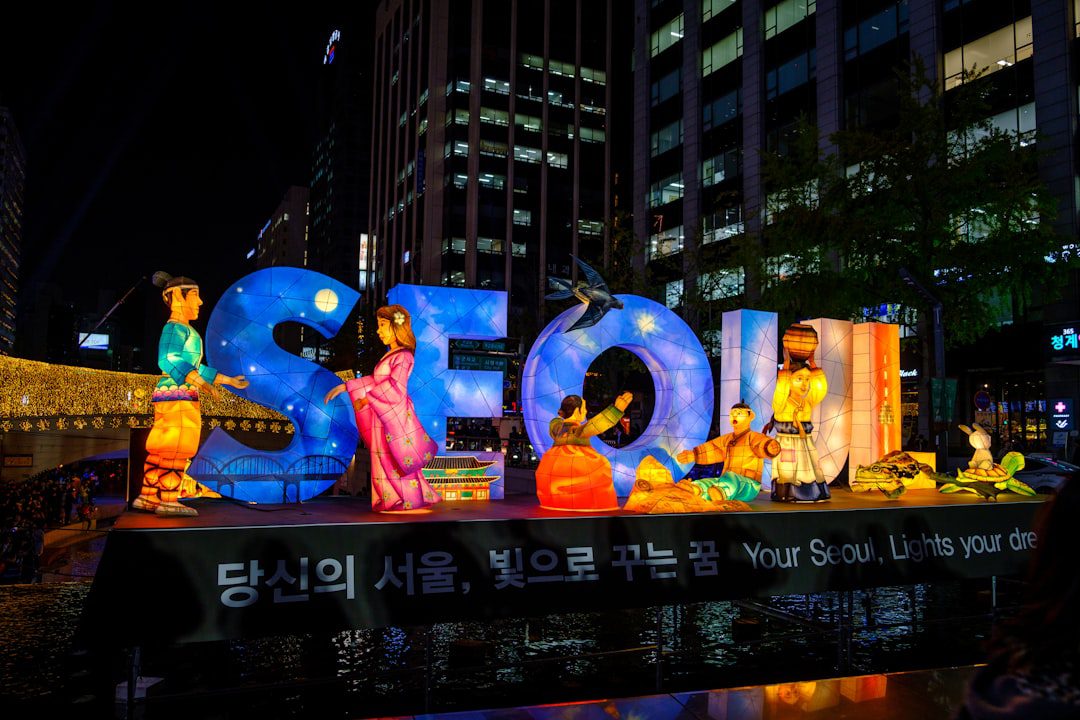
When my daughter was four years old, she refused to get on the plane to Korea. “There’s no Mickey Mouse there!” she declared, arms crossed. Three weeks later, she was dragging me through Lotte World’s rides with the determination of someone who’d just discovered paradise. That trip, back in 1998, taught me something crucial: Korea isn’t just a destination for adults chasing temples and street food. Done right, it’s absolutely magical for families.
I’ve now raised two kids here and watched countless families navigate Korea with varying degrees of success. The ones who thrive? They understand that Korea offers something most Western parents don’t expect: incredibly safe, clean, well-organized infrastructure specifically designed with children in mind. Korean families take their kids everywhere—restaurants, late-night cafes, shopping malls—and the culture is built around accommodating them.
Here’s everything you need to know about bringing your family to Korea and actually enjoying it.
Best Theme Parks and Amusement Attractions
Let’s start with the big one: Korea has world-class theme parks, and they’re genuinely impressive. Lotte World, which I mentioned, is a sprawling entertainment complex that’s been operating since 1989 and remains the gold standard for family fun in Korea.
Lotte World
Located in Jamsil (Line 2 or 8), Lotte World is split into two sections: the indoor “Lotte World Adventure” and the outdoor “Magic Island.” The indoor park is perfect for younger kids and bad weather days—it’s climate-controlled, less crowded than you’d expect, and genuinely gorgeous to walk through. The carousel alone is worth the admission.
Ted’s tip: Visit on a weekday during school hours if possible. Weekends are bedlam. Also, if your kids are 3 and under, you’ll get free admission for one child with a paid adult ticket—a massive saving. Height restrictions are clearly marked, and staff are patient with young children.
| Attraction | Location | Best Age | Admission | Hours |
|---|---|---|---|---|
| Lotte World | Jamsil, Line 2/8 | All ages | ₩65,000-75,000 | 9:30am-11pm |
| Everland | Yongin (suburban) | 5+ | ₩68,000-85,000 | 10am-10pm |
| Seoul Children’s Museum | Gangdong-gu | 2-8 yrs | ₩15,000-18,000 | 10am-6pm |
| Coex Aquarium | Samseong, Line 2 | All ages | ₩29,000-38,000 | 10am-8pm |
| Seoul Zoo | Gwacheon | 3+ | ₩12,000-15,000 | 9am-7pm |
Everland
About an hour south of Seoul in Yongin, Everland is Korea’s largest theme park. It’s more ambitious than Lotte World, with genuine roller coasters and a safari park included with admission. For families with kids 8 and up who love thrill rides, this is the destination. The park is spread across larger grounds, so comfortable shoes are essential.
The safari ride is genuinely unique—you drive through or ride a monorail past actual animals. It’s not Disneyland-level production, but it’s fun and distinctive. Younger kids enjoy the lost-in-the-world feeling even if they can’t ride the big coasters.
Museums and Educational Attractions
Korean museums are phenomenal, and many have entire sections designed specifically for children. Unlike some Western museums where you’re constantly saying “don’t touch,” many Korean children’s museums are completely interactive.
Seoul Children’s Museum
Located in Gangdong-gu (accessible via Line 5 to Gugi Station), the Seoul Children’s Museum is hands-down one of the best-designed children’s spaces I’ve ever seen. It’s organized by age groups with separate zones for toddlers (2-4), preschoolers (4-7), and older kids (7+). Every exhibit is touchable, playable, and genuinely educational without feeling like you’re forcing learning on your kid.
The water play area is messy in the best way. There’s a small theater with puppet shows. The art studio lets kids make things and take them home. It’s not huge—you can see everything in 3-4 hours—but it’s so well-curated that kids beg to return.
Ted’s tip: Book tickets online before you go; they often reach capacity on weekends. Also, there’s a small cafe, but bring snacks. The neighborhood around the museum is quiet and family-friendly, perfect for a post-museum walk.
National Museum of Korea
Don’t dismiss this for kids. The museum has a dedicated children’s gallery with interactive exhibits about Korean history and culture. For kids 8+, the main galleries are genuinely engaging, especially the sections on armor, weapons, and traditional crafts. Admission is free (₩0), which is astonishing for a national-level museum of this caliber.
Located in Ichon (Line 3), it’s easy to access and has excellent facilities including a great cafeteria and gift shop. Many families make a half-day outing here before heading to nearby attractions.
Aquariums and Natural History
The Coex Aquarium (near Samseong Station, Line 2) is located inside a shopping mall, which means it’s incredibly convenient and never feels overwhelming. It’s smaller than massive aquariums in other countries, but the Korean dedication to presentation means every tank is beautifully lit and labeled. Kids love the touch pools and the dramatic sharks-in-the-tunnel section.
| Museum/Attraction | Subway Access | Age Group | Admission | Must-See Highlight |
|---|---|---|---|---|
| Seoul Children’s Museum | Line 5 (Gugi) | 2-8 years | ₩15,000-18,000 | Water play area |
| National Museum of Korea | Line 3 (Ichon) | 6+ years | Free | Children’s Gallery |
| Coex Aquarium | Line 2 (Samseong) | All ages | ₩29,000-38,000 | Shark tunnel |
| Seoul Zoo | Bundang Line (Gwacheon) | 3+ years | ₩12,000-15,000 | Penguin & big cats |
Outdoor Activities and Parks
Korea is surprisingly green for a densely populated country, and the parks are exceptionally well-maintained. This is where Korean culture around children really shines—parks are filled with families, playgrounds are modern and safe, and there’s a genuine culture of outdoor play.
Han River Parks (Hangang Parks)
There are seven major Han River parks throughout Seoul, and they’re among my favorite places to spend time with families. Each has excellent playgrounds, bike rental, and picnic areas. My personal recommendation for families is the Yeouido Park section—it’s large, less crowded than central Seoul, and has beautiful tree-lined paths.
In spring, the Han River parks are stunning with cherry blossoms. Summer means outdoor movie nights and festivals. Every season offers something. You can rent bikes (₩3,000-5,000 per hour for adult bikes, pedal cars for kids), pack snacks from a nearby convenience store, and spend an entire day.
Ted’s tip: Go early on weekends (before 10am) to get prime parking and playground space. Bring a blanket and snacks. The parks have bathrooms and drinking fountains. For families with very young kids, the paths are stroller-friendly with virtually no inclines.
Nami Island
We’ve written extensively about Nami Island as a day trip, but it deserves specific mention for families. This island is literally designed for families—it’s car-free (pedestrian and bike only), has multiple playgrounds, offers bike rentals suitable for small children, and features a natural, gorgeous setting that feels far from Seoul despite being only 30 minutes away.
The walking paths are stroller-friendly. There are multiple cafes with excellent food for picky eaters. The whole vibe is relaxed and scenic. Many families make this a half-day or full-day trip, and it’s genuinely worth the journey.
Seoul Sky and Observation Decks
If you have older kids (7+), Seoul Sky at Lotte World Tower is an incredible experience. At 555 meters tall, it offers 360-degree views of the entire city. There’s a glass-floored section that terrifies and thrills kids in equal measure. Admission is around ₩35,000 for adults, and kids 3-12 are ₩28,000.
The equally impressive N Seoul Tower has similar views from a lower height (₩15,000) and feels less crowded. Both are accessible via subway and offer memorable experiences for kids who enjoy heights and big views.
Hiking with Kids
Korea’s mountains are magical, and many have kid-friendly trails. Bukhansan National Park has multiple routes ranging from casual walks to serious hikes. For families, I recommend the Bukhansanseong (fortress) trail via Suraksan station—it’s about 5km, takes 2-3 hours, includes actual fortress remains to explore, and the views are fantastic.
The crucial thing is pacing. Korean kids often hike distances that surprise Western parents, but they do it slowly with frequent rest stops. Don’t underestimate the snack component—Korean convenience stores at trailheads sell snacks specifically designed for hikers.
Dining Out with Kids: What to Expect
One of the best aspects of traveling with kids in Korea is that restaurants are genuinely family-friendly. Kids are welcomed everywhere—from fine dining to casual spots. The culture expects children in restaurants, and staff are patient and accommodating in ways that might surprise you.
Korean Cuisine That Kids Enjoy
Not all Korean food is spicy, despite the stereotype. In fact, many traditional dishes are mild or can be made mild upon request. Bulgogi (marinated beef) is almost universally loved by kids—it’s sweet, tender, and familiar enough not to intimidate picky eaters. Korean fried chicken is excellent and not spicy unless specifically ordered that way.
Ted’s tip: The bibimbap (rice in a stone bowl with vegetables and egg) can be easily modified—you can request no gochujang (red chili paste) and it’s delicious just with sesame oil and soy sauce. Kalguksu (knife-cut noodle soup) is mild, warming, and a favorite of many kids. Korean ramyeon (instant noodles) in actual restaurants is often elevated beyond what you’d make at home and kids find it fun.
Avoid ordering dishes where you can’t see ingredients—instead, use the photo menus most restaurants have. Korean restaurants with photo menus are incredibly accessible to non-Korean speakers. Point to what you want, indicate “no spicy” with hand gestures, and you’re golden.
| Dish | Spice Level | Kid Appeal | Typical Price | Notes |
|---|---|---|---|---|
| Bulgogi | None | Very High | ₩12,000-18,000 | Sweet, tender beef |
| Korean Fried Chicken | None (mild available) | Very High | ₩15,000-22,000 | Crispy outside, juicy inside |
| Bibimbap | None (modifiable) | High | ₩10,000-15,000 | Request no red paste |
| Kalguksu (Noodle Soup) | None | Very High | ₩8,000-12,000 | Warm, comforting, easy to eat |
| Tteokbokki | High (modifiable) | Medium | ₩6,000-10,000 | Fun, chewy rice cakes |
Cafes and Convenience Stores
Korea’s cafe culture is a godsend for traveling families. There are approximately 50,000 cafes in Seoul, and they’re genuinely welcoming to families with young kids. Kids menus are less common than in Western restaurants, but cafes always have options: sandwiches, pasta, hot chocolate, fresh juice. Many have play areas or quiet zones.
Convenience stores (GS25, CU, Emart24) are lifesavers. They’re everywhere, open 24/7, and stock snacks, drinks, and light meals. Gimbap (seaweed rice rolls), kimbab sandwiches, fruit cups, yogurt drinks, and endless snack options mean you’ll never be without food options. A meal from a convenience store for two kids might cost ₩12,000-15,000 total.
Practical Tips for Parents: Transportation, Safety, Healthcare
Korea’s infrastructure for families is genuinely excellent. Here’s what you need to know practically.
Public Transportation with Kids
The Seoul subway is the most efficient way to move around, and it’s remarkably stroller-friendly. All stations have elevators, escalators are common, and there are dedicated stroller/wheelchair spaces on trains. Trains are frequent and predictable—waiting more than 5-10 minutes is rare.
Taxis are another option and surprisingly affordable. A taxi from Seoul Airport to central Seoul costs around ₩70,000-90,000. Taxis are clean, safe, and child seats are available (request “car seat” when booking).
Ted’s tip: If you’re staying longer than a few days, get a T-money card (rechargeable transit card) for everyone—even kids can have one. It costs ₩2,500 initially and reduces transit costs by about 10-15% compared to buying individual tickets. You can buy them at any convenience store.
| Transportation Option | Cost (per person) | Best For | Stroller Friendly | Notes |
|---|---|---|---|---|
| Subway | ₩1,250-3,200 | Regular trips | Excellent | Most reliable, elevators at all stations |
| Bus | ₩1,250-3,200 | Scenic routes | Good | Can be crowded; routes harder to understand |
| Taxi | ₩3,000-50,000+ | Door-to-door trips | Excellent | Can request car seats; speak Korean helpful |
| Rental Car | ₩60,000-100,000/day | Multi-stop day trips | Excellent | International license needed; parking pricey |
Safety and Medical Care
Korea is exceptionally safe for families. Crime against children is virtually non-existent. Streets are well-lit, sidewalks are clean, and the culture is protective of children. You’ll see kids as young as 7-8 walking to school alone, which speaks to the safety level.
Healthcare is excellent and affordable. If your child gets sick or injured, hospitals and clinics are everywhere. International clinics in Seoul (such as Seoul National University Hospital’s International Health Care Center) have English-speaking staff and accept credit cards. A simple clinic visit costs ₩30,000-60,000. Major hospitals cost more but are still affordable compared to Western prices.
Ted’s tip: Download the Naver Map or Kakao Map apps and search for “일산내과” (clinic) or “병원” (hospital) near you. You can also ask your hotel for recommendations. Most clinics are walk-in, though calling ahead is courteous.
Accommodation Considerations
Hotels in Seoul are generally excellent with families. Korean hotels understand families and provide cribs, humidifiers (essential in winter), and family-friendly room configurations. Many business hotels (3-star) are actually excellent value and cleaner/safer than many Western hotels.
Alternatively, Airbnb apartments are popular with families—you get a kitchen for meal prep, which is invaluable with picky eaters or dietary restrictions. Prices for a 2-bedroom apartment range from ₩80,000-200,000 nightly depending on neighborhood.
Avoid guesthouses unless specifically rated family-friendly. Many are tiny and built for single travelers, not families.
Shopping and Entertainment: When Kids Need Downtime
Korea’s shopping malls are actually incredible for family downtime. They’re climate-controlled, incredibly safe, and designed for leisure rather than just commerce. This might sound boring, but hear me out: malls are perfect when you need a break from sightseeing.
Myeongdong and Shopping Districts
Myeongdong is touristy and crowded, so I don’t specifically recommend it for families. Instead, try Garosu-gil (Apgujeong area, Lines 3/6) or more relaxed neighborhoods like Yeonnam-dong. Yeonnam-dong is a hidden hipster gem with boutiques, quirky shops, and cafes that are genuinely family-friendly without being child-specific.
Department Stores and Megamalls
Lotte and Hyundai Department stores have extensive toy sections, bookstores, and kids’ fashion areas. But the real magic is in the basement food courts and cinemas. Kids get exposed to Korean products while you can grab lunch and catch an international movie at the cinema (many international films are screened in English with Korean subtitles).
Coex Mall (near Samseong Station, Line 2) is massive and family-oriented with the aquarium, cinema, massive toys section, and games arcade. You could spend an entire day here and kids would be happy.
Toy Stores and Bookstores
Daiso stores (the Korean dollar store) have surprisingly good toys, activities, and craft supplies—and everything costs ₩1,000-2,000. Mega-Box toy stores are spread throughout Seoul. For English books, try Kyobo Book Center (Gwanghwamun, Line 5) which has an entire English children’s section.
Seasonal Considerations: When to Visit with Kids
Korea has four distinct seasons, and each offers different family advantages and challenges.
Spring (April-May)
Spring is arguably the best season for families. Cherry blossoms are at their peak (though unpredictable), temperatures are mild (15-22°C), and parks are alive with activity. This is festival season, and Korea’s festival calendar is packed with family-friendly events. The only downside is it’s peak tourist season, so expect crowds and higher prices.
Summer (June-August)
Summer is hot and humid (25-32°C, often with 70%+ humidity). Kids tire more easily in heat. However, outdoor water activities, summer camps, and festivals are plentiful. Han River parks host outdoor movies and concerts. Pack extra water and sunscreen. Consider visiting water parks like Caribbean Bay (part of Everland) or indoor attractions.
Autumn (September-October)
Autumn is gorgeous—mild temperatures (18-25°C), clear skies, and foliage that rivals any destination. Hiking season peaks. Playgrounds and outdoor activities are perfect. Like spring, it’s popular, but the weather is so good that crowds feel worthwhile. Autumn foliage season is particularly beautiful for family photos and outdoor experiences.
Winter (December-February)
Winter is cold (-5 to 5°C) but mostly dry. Snow is unpredictable—some winters see significant snow, others minimal. Korean ski resorts are excellent for families with older kids. Indoor attractions (museums, theme parks, aquariums) are less crowded. Winter is actually an excellent time for families if you’re comfortable with cold weather and have appropriate clothing.
| Season | Temperature | Best For | Challenges | Outdoor Viability |
|---|---|---|---|---|
| Spring (Apr-May) | 15-22°C | Festivals, blooms, mild weather | Crowded, expensive | Excellent |
| Summer (Jun-Aug) | 25-32°C, humid | Water activities, outdoor events | Heat, humidity, exhaustion | Good (morning/evening) |
| Autumn (Sep-Oct) | 18-25°C | Hiking, foliage, outdoor play | Crowded, occasional rain | Excellent |
| Winter (Dec-Feb) | -5 to 5°C | Skiing, indoor attractions, uncrowded | Cold, unpredictable snow | Fair (outdoor) to Excellent (indoor) |
Day Trips from Seoul: Expanding Your Family Adventure
Seoul itself is fantastic, but day trips offer different experiences. Here are my top recommendations for families.
Suwon Hwaseong Fortress
About 50 minutes south of Seoul via subway, Suwon Hwaseong Fortress is a UNESCO World Heritage site that’s perfect for families. Kids genuinely enjoy exploring an actual fortress, walking the walls (wheelchair/stroller accessible sections), and the museum has good exhibits. It’s educational without feeling like school. Pack snacks and water, as options inside are limited.
Jeonju Hanok Village
About 2.5 hours from Seoul by bus or train, Jeonju Hanok Village is charming and kid-friendly. Traditional wooden houses create a sense of stepping back in time. Kids love wearing hanbok (traditional dress, available for rental at ₩20,000-30,000). The food scene is fantastic—you can find mild options easily. It’s more relaxed than Seoul and feels special to children.
Nami Island and Nearby
As mentioned earlier, Nami Island is perfect for families. The train there (Nami Island train) is iconic and kids find it delightful. The island itself feels like a nature sanctuary. Nearby Petite France is a miniature French village that feels magical to kids, though it’s pricey (admission ₩15,000).
Frequently Asked Questions
Is Korea safe for families traveling alone with kids?
Absolutely. Korea ranks among the safest countries globally for families. Crime against children is virtually non-existent, streets are well-lit and well-maintained, and the culture is very protective of children. You’ll see kids as young as 7-8 traveling solo on public transportation. That said, always supervise young children and follow basic travel safety precautions like any destination.
What’s the best age to bring kids to Korea?
Korea is excellent for all ages from toddlers through teens. Toddlers (1-3) enjoy theme parks, museums, and parks. Preschoolers (3-6) thrive with the combination of attractions and family culture. Older kids (7-12) get the full Korea experience including hiking, cultural sites, and more independent exploration. Teens generally love Korea’s cultural attractions, shopping, and food scene.
How long should a family trip to Korea be?
I recommend 7-10 days minimum. This allows 5-6 days in Seoul for theme parks, museums, parks, and neighborhood exploration, plus 2-3 days for day trips or a secondary city visit. First-timers with young kids should avoid rushing—better to do 5 things well than 15 things poorly while managing tired children.
Do I need an international driving permit for a rental car?
Yes. You’ll need your regular driver’s license plus an International Driving Permit (IDP). You can get an IDP through your country’s automotive association before traveling. However, for families staying in Seoul, public transportation is so efficient that renting a car isn’t necessary.
What’s the best accommodation for families in Korea?
It depends on your preferences. Hotels offer reliability and services (cribs, housekeeping). Airbnb apartments give you a kitchen and living space, valuable for families with dietary restrictions or who need to manage downtime. Avoid hostels and budget guesthouses with families. A middle-ground option is family-oriented business hotels (3-star), which are clean, safe, and affordable (₩80,000-150,000 nightly).
What should I pack for a family trip to Korea?
Comfortable walking shoes (you’ll walk 15,000-20,000 steps daily), weather-appropriate clothing, medications your kids take regularly (prescriptions can be difficult to obtain), a power bank for phones, and any snacks your picky eaters absolutely require. Korean pharmacies and convenience stores have most toiletries, so don’t overpack. Sunscreen and insect repellent are readily available but slightly expensive. Bring a small portable stroller even if your kids are walking—it’s invaluable when they tire.
How much should I budget daily for a family of four in Korea?
Budget ₩150,000-300,000 (US$120-240) daily for families. This breaks down as: accommodation ₩100,000-150,000, food ₩35,000-80,000 (depending on restaurant choices), attractions ₩20,000-40,000, and transportation ₩10,000-20,000. Eating primarily at restaurants and theme parks costs more. Eating mix of restaurants and convenience stores reduces costs significantly. Peak season (spring/autumn) prices run 20-30% higher than off-season.
Are there kids with special needs accommodations in Korea?
Korea has improved accessibility significantly. Major attractions, malls, and transportation have elevators and accessible facilities. However, some older temples and narrow alleyways lack full accessibility. For specific needs, check our Korea accessibility guide for detailed information about navigating Korea with mobility considerations.
Final Thoughts
My kids grew up between two countries, with half their childhood spent in Korea and half in the United States. Looking back, the Korea years were special—not because of monuments or attractions specifically, but because the infrastructure and culture made parenting while traveling feel manageable, even joyful. My kids spoke their first words in Korean, made friends at Seoul parks, ate their first bulgogi, and developed a genuine love for a country before they were old enough to form lasting memories.
That’s what Korea offers families: not just attractions and experiences, but an entire ecosystem designed to accommodate you. The public transportation works. Restaurants welcome kids. Hospitals are excellent and affordable. Parks are gorgeous and maintained. Safety is genuine, not presumed. When you combine that with Korea’s wealth of museums, theme parks, food culture, and natural beauty, you get a destination that’s genuinely world-class for families.
Your family trip to Korea will be what you make it, but the foundation is solid. Book the tickets, pack light, leave room for spontaneity, and trust the infrastructure. Thirty-five years of watching families navigate Korea has taught me one thing: the ones who enjoy it most are the ones who relax into the experience rather than trying to conquer a checklist.
— Ted K
Image Credits: Photos sourced from Unsplash. By using this site, you agree to our Privacy Policy and Disclaimer.