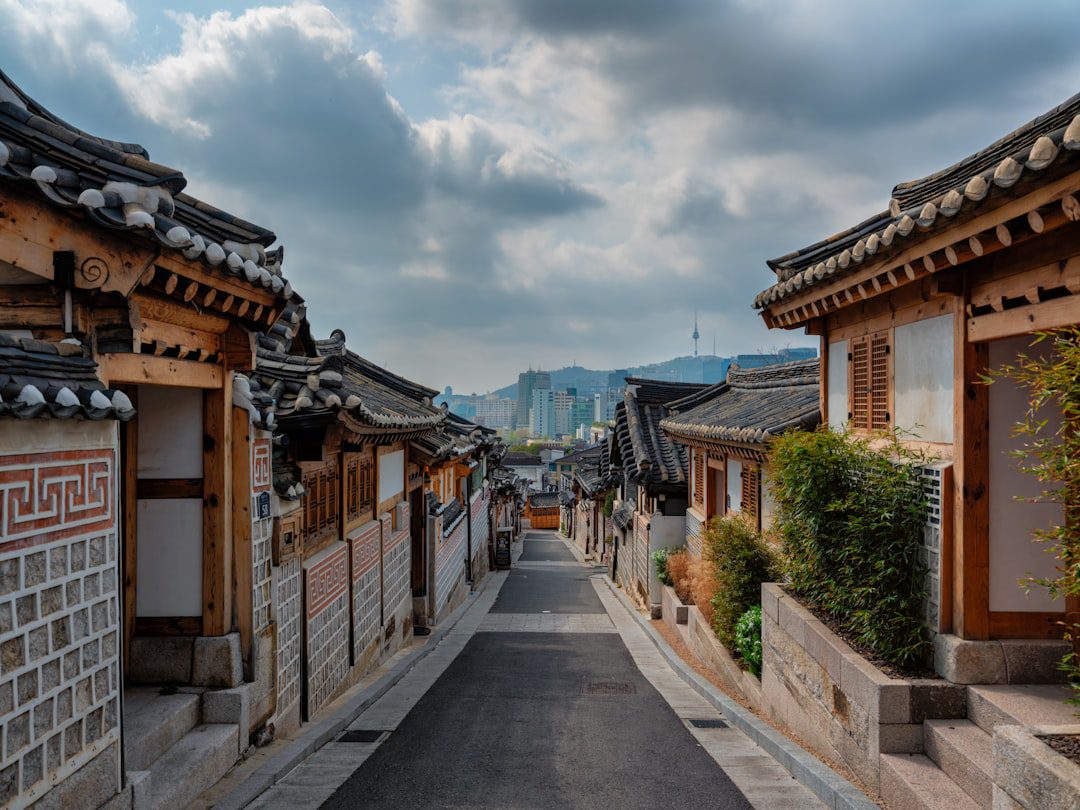
I first wandered into Yeonnam-dong about fifteen years ago, when it was still genuinely under the radar—a sleepy residential pocket northwest of downtown Seoul where elderly residents tended rooftop gardens and young families rented cheap apartments. Back then, you could grab coffee for ₩3,000 and nobody even knew the neighborhood existed outside of locals. Fast forward to today, and I’m watching the same streets transform in real time. The vintage shops have multiplied, the indie cafes have gone from three to thirty, and every corner suddenly has Instagram potential. But here’s the thing that’s kept me coming back: despite the boom, Yeonnam-dong hasn’t lost its soul. It’s still messy, still authentically Seoul, still weird in the best way possible.
Whether you’re a first-time visitor to Korea or a seasoned Seoul traveler, Yeonnam-dong deserves a full afternoon (or three). This neighborhood is where Korean creativity, vintage culture, and young entrepreneurial energy collide. You’ll find things here you won’t find in Gangnam, Hongdae, or Itaewon. And you’ll do it without the overwhelming crowds that choke those other “trendy” neighborhoods.
I’ve spent countless hours mapping out the best spots, talking to shop owners, and getting genuinely lost on the winding streets. Here’s my complete guide to experiencing Yeonnam-dong like someone who actually lives in Seoul.
Getting to Yeonnam-dong: Subway & Navigation
Yeonnam-dong is located in Mapo-gu, on the northwest side of the Han River. The easiest access point is Line 2, Hongik University Station (Exit 2), which puts you right at the neighborhood’s southern edge. From there, it’s about a 10-15 minute walk uphill into the main Yeonnam-dong area. Alternatively, you can take Line 2, Hapjeong Station (Exit 1), which is slightly closer to some of the western side attractions.
Let me be honest: Yeonnam-dong isn’t laid out in a grid. The streets wind, they intersect at weird angles, and you will absolutely get lost. This is actually part of its charm, but I recommend downloading a Naver Map or Kakao Map app on your phone before you go. These apps work much better than Google Maps in Korea and will show you exactly where the tiny alleys are.
Ted’s tip: Start at Hongik University Station Exit 2 and head uphill. You’ll naturally flow through the neighborhood. Bring comfortable walking shoes—the area is hilly and cobblestoned in places. Come on a weekday morning or weekday afternoon if you want to avoid the weekend Instagram crowds.
| Subway Access | Station | Exit | Walking Distance to Core Area |
|---|---|---|---|
| Best Option | Hongik University (Line 2) | Exit 2 | 10-15 min uphill |
| Alternative | Hapjeong (Line 2) | Exit 1 | 8-12 min |
| For West Side | Dangogae (Line 2) | Exit 1 | 5-8 min |
The Vintage & Thrift Scene: Where Fashion Lovers Go
Yeonnam-dong is Korea’s de facto vintage clothing capital. I’m not exaggerating. While Hongdae has some vintage shops, and Dongdaemun is the fast-fashion epicenter, Yeonnam-dong is where young Korean designers, fashion students, and actual style-conscious people come to hunt. The vintage shops here range from tiny one-room operations to multi-level curated spaces, and prices are surprisingly reasonable compared to Seoul’s other trendy neighborhoods.
Must-Visit Vintage Shops
Graffiti is one of the neighborhood’s most beloved vintage destinations. Located near Hapjeong Station, this shop specializes in 80s and 90s Japanese fashion, vintage band tees, and authentic retro pieces. Prices run ₩15,000-80,000 for most items. The owner is incredibly knowledgeable and will actually talk to you about fashion history if you engage with her. Hours are typically 1 PM-8 PM weekdays, 12 PM-9 PM weekends. I’ve watched tourists spend 45 minutes in this shop just trying things on, completely mesmerized.
Dressing Room is a multi-floor operation that carries everything from Korean vintage to international brands. The first floor has accessories and shoes, the second floor is clothing, and the basement is storage/bargain overflow. It’s less curated than Graffiti but higher volume. Budget ₩10,000-120,000 depending on piece quality. Open 12 PM-9 PM daily.
Sungbo Vintage is a personal favorite because it actually feels like a vintage shop rather than a boutique pretending to be vintage. It’s cramped, chaotic, has that authentic thrift store smell, and the prices reflect that—you’re shopping from actual estate collections and wholesale lots. Expect to spend 1-2 hours digging here. ₩5,000-40,000 range. Open 2 PM-8 PM daily.
Ted’s tip: Tuesday is traditionally slow at Korean vintage shops, meaning staff have time to chat and there are fewer crowds. But honestly, any weekday afternoon is better than weekends. Go on a Wednesday at 3 PM and you’ll basically have the shops to yourself.
| Vintage Shop | Specialty | Price Range | Hours |
|---|---|---|---|
| Graffiti | 80s/90s Japanese, band tees | ₩15,000-80,000 | 1-8 PM (weekday), 12-9 PM (weekend) |
| Dressing Room | Korean & international vintage | ₩10,000-120,000 | 12 PM-9 PM daily |
| Sungbo Vintage | Mixed estate pieces | ₩5,000-40,000 | 2-8 PM daily |
Indie Cafes & Coffee Culture: The Heartbeat of Yeonnam
If vintage shops are Yeonnam-dong’s skeleton, independent cafes are its beating heart. Seriously. The coffee culture here is obsessive. We’re talking specialty-grade beans, third-wave roasting, latte art competitions, and owners who’ve traveled to Ethiopia to meet coffee farmers. You’ll find cafes in basements, on rooftops, inside converted apartments, and in tiny spaces you’d walk past without noticing.
Specialty Coffee Destinations
Hongdae Cafe Street technically isn’t Yeonnam-dong proper, but it’s adjacent and absolutely worth including. This pedestrian alley has about 30 cafes within a 200-meter stretch. Most are Korean chains, but scattered among them are genuine independents. My favorite is Waltz Cafe (₩5,500 for americano), which serves good coffee and has a rooftop view of the neighborhood. It’s where I go when I need to think about something.
Namu Lounge is a quiet, artsy cafe located in a former residential building. They serve single-origin pour-overs (₩8,000-10,000) and have actual knowledge about coffee. The space is minimalist and peaceful—it’s become my go-to when I want to write for a few hours. WiFi is reliable. Open 11 AM-9 PM daily.
Cafe Comma is a tiny gem tucked into an alley that serves excellent espresso drinks and has surprisingly good pastries from a local bakery. ₩4,500 for americano, ₩7,000 for specialty drinks. It’s small—maybe 6 seats—but the quality is undeniable. Hours: 10 AM-8 PM weekdays, 10 AM-9 PM weekends.
Creperie Myrtille isn’t just coffee—it’s a French-Korean fusion cafe where they serve crepes, quiches, and really good coffee in a charming renovated hanok-style space. Prices: ₩6,000-12,000 for coffee, ₩10,000-15,000 for crepes. This is where I take visiting friends who want an “Instagram moment” but also want good food. Open 11 AM-9 PM daily.
Ted’s tip: Avoid the main Cafe Street on weekends if you want an authentic experience. Go to the smaller alleys instead. The cafes one block over from the main drag have the same quality coffee with 1/10th the crowd.
| Cafe | Specialty | Coffee Price | Vibe |
|---|---|---|---|
| Waltz Cafe | Standard specialty coffee | ₩5,500 | Rooftop view, casual |
| Namu Lounge | Single-origin pour-overs | ₩8,000-10,000 | Minimalist, quiet |
| Cafe Comma | Espresso, pastries | ₩4,500 | Tiny, cozy, local |
| Creperie Myrtille | French crepes + coffee | ₩6,000-12,000 | Instagram-friendly hanok |
Food & Dining: Beyond the Usual Seoul Suspects
Yeonnam-dong’s food scene reflects the neighborhood’s ethos: young, experimental, unafraid to take risks, but still respecting Korean tradition. You won’t find tourist traps here. You’ll find restaurants run by people in their 20s and 30s who are genuinely passionate about food.
Standout Restaurants & Street Food
Omuk Ohyang is a tiny pojangmacha (street tent) restaurant that serves traditional tteokbokki and odeng (fish cake soup). This is where Korean teenagers hang out. ₩5,000-8,000 per order. It’s been around for years and hasn’t changed—which is exactly why it’s good. Open 4 PM-10 PM daily (closed Mondays sometimes).
Butcher’s Burger is run by a young Korean-American chef who’s obsessed with craft burgers. Premium beef, real cheese, house-made buns. ₩16,000-22,000 per burger. It’s elevated fast food, not a fine dining burger. Lines get long on weekends (45 minutes), but weekdays are manageable. Open 11 AM-9 PM daily.
Mabu Ramen serves authentic Japanese tonkotsu ramen made with 24-hour pork bone broth. ₩12,000-15,000 per bowl. The chef trained in Fukuoka and it shows. It’s become somewhat famous on social media, so go early or risk waiting. Open 12 PM-10 PM daily.
Cafe du Moment is half cafe, half restaurant that does surprisingly excellent French-inspired brunch food (quiches, salads, sandwiches). ₩8,000-15,000 per dish. Coffee is solid. This is where I go with non-Korean friends who want something “light” but still good. Open 10 AM-6 PM daily, closed Mondays.
Ted’s tip: If you want the best food experience in Yeonnam-dong, ignore the restaurants with big signs. Go down the tiny alleys and look for places where actual neighborhood residents are eating. That pojangmacha tent with no English menu? That’s usually the best option.
| Restaurant | Cuisine | Price Range | Vibe |
|---|---|---|---|
| Omuk Ohyang | Korean street food | ₩5,000-8,000 | Casual, local, classic |
| Butcher’s Burger | Craft burgers | ₩16,000-22,000 | Popular, trendy, sometimes long waits |
| Mabu Ramen | Japanese tonkotsu ramen | ₩12,000-15,000 | Authentic, busy during lunch |
| Cafe du Moment | French brunch food | ₩8,000-15,000 | Light, upscale casual |
Street Art, Galleries & Creative Spaces
One of my favorite things about Yeonnam-dong is how the neighborhood embraces street art and small galleries. Unlike Hongdae, which has become a theme park of art, Yeonnam-dong’s creative scene still feels organic and community-driven. You’ll see murals appear and disappear. You’ll stumble into galleries in basements. You’ll find artists working in spaces that probably aren’t officially galleries at all.
The main creative energy centers around the area near Cafe Street and extending into the residential backstreets. There’s no central “gallery district,” which means you have to actually explore. This is the good kind of getting lost.
Gohyang Art Space is a small gallery that rotates exhibitions monthly, featuring Korean contemporary art and design. Free entry. It’s tiny, but serious. Hours vary by exhibition, but typically 11 AM-7 PM. Closed Mondays.
Project 131 is an artist collective and shop that sells limited-edition prints, ceramics, and local designer goods. Run by young Korean artists who are genuinely talented. ₩15,000-200,000 for prints and products. Open 1 PM-8 PM daily.
Beyond formal galleries, spend time just walking the backstreets and alleyways. You’ll find murals, sticker art, and small sculpture installations. The street art here is constantly evolving—some pieces last a day, some last a year. Photography these spots is encouraged. This is authentic street art culture, not commercialized art tourism.
Ted’s tip: If you want to catch the neighborhood’s creative community in action, go on a Friday or Saturday evening. The galleries and cafes have a social energy. It’s when young artists, musicians, and designers come out. You’ll see the neighborhood for what it actually is: a living, breathing creative hub.
Shopping Beyond Vintage: Boutiques & Independent Shops
Yeonnam-dong’s shopping scene extends well beyond vintage clothing. There are bookstores specializing in art and design, record shops, small homeware stores, craft shops, and independent clothing boutiques run by young designers. The shopping here is more curated and intentional than you’ll find in big commercial districts.
Notable Independent Shops
Yeonnam Record is a vinyl record shop that specializes in Korean indie, jazz, and international alternative music. The owner is incredibly knowledgeable and will make recommendations based on what you’re looking for. Records range ₩15,000-60,000 depending on rarity. Even if you don’t buy, it’s worth popping in just to chat. Open 1 PM-8 PM daily.
Design Bookstore Motte carries design books, art books, and limited-edition publications. It’s a tiny space but curated with taste. Books range ₩20,000-100,000+. This is where designers and creative professionals actually shop. Open 11 AM-7 PM daily, closed Mondays.
Okada Pottery Studio is a working ceramic studio and shop run by a Korean ceramic artist. You can buy finished pieces (₩30,000-300,000) or, if you call ahead, sometimes take a pottery class. It’s in a converted warehouse space and actually gets featured in Korean design magazines. Open 1 PM-7 PM, closed Sundays and Mondays.
Ted’s tip: Many small shops in Yeonnam-dong close earlier than regular Seoul hours (around 7-8 PM instead of 10 PM). Go in the afternoon, not evening. Also, many shops are actually apartments or live/work spaces, so they might close randomly if the owner is busy. This isn’t a negative—it’s part of the authentic neighborhood vibe. Just roll with it.
| Shop | What They Sell | Price Range | Hours |
|---|---|---|---|
| Yeonnam Record | Vinyl records, indie music | ₩15,000-60,000 | 1-8 PM daily |
| Design Bookstore Motte | Design & art books | ₩20,000-100,000+ | 11 AM-7 PM, closed Mondays |
| Okada Pottery Studio | Ceramic art & pieces | ₩30,000-300,000 | 1-7 PM, closed Sun/Mon |
Nightlife: Bars, Clubs & Evening Culture
Yeonnam-dong’s nightlife is different from Hongdae’s club scene or Gangnam’s glitzy bars. It’s more intimate, more eclectic, and more genuinely social. You’ll find jazz bars, indie music venues, tiny cocktail bars with minimalist interiors, and live music spaces where actual musicians perform for crowds that actually listen.
Bars Worth Visiting
Bottle Cake Lounge is a cocktail bar hidden inside what looks like an abandoned building. The interior is moody and sophisticated. Cocktails are ₩12,000-16,000. It’s the kind of place where you feel like you’ve discovered something secret. Open 6 PM-1 AM daily.
Jazz Club Yeonnam features live jazz performances most nights (usually 8 PM and 10 PM shows). ₩15,000-20,000 cover charge, but includes one drink. The sound quality is genuinely good and the musicians are professional. Drink prices: ₩8,000-15,000. This is where I go when I want to hear live music with locals, not tourists. Open 6 PM-1 AM daily.
Craft Beer Bar Hoppy has 20+ craft beers on tap, including local Korean craft beers. ₩8,000-15,000 per beer. The bartender is knowledgeable and friendly. It’s casual and lively without being obnoxiously crowded. Open 5 PM-12 AM daily.
Slow Coffee House is actually a wine bar that transitions to evening drinks. Natural wines, Korean wines, and experimental stuff. ₩10,000-18,000 per glass. It’s trendy but not pretentious. Open 10 AM-10 PM daily.
Ted’s tip: If you want the real Yeonnam-dong nightlife experience, go to Jazz Club Yeonnam on a Friday night. You’ll be sitting next to business professionals, young couples, and actual music fans. You’ll hear quality live jazz. You’ll feel like you’re part of something real, not a tourist attraction.
| Bar/Venue | Type | Drink Price | Vibe |
|---|---|---|---|
| Bottle Cake Lounge | Cocktail bar | ₩12,000-16,000 | Moody, sophisticated, hidden |
| Jazz Club Yeonnam | Live music venue | ₩8,000-15,000 + ₩15,000-20,000 cover | Intimate, authentic, professional |
| Craft Beer Bar Hoppy | Beer bar | ₩8,000-15,000 | Casual, lively, friendly |
| Slow Coffee House | Wine bar | ₩10,000-18,000 | Trendy, natural wines, relaxed |
Related Neighborhoods & Nearby Attractions
Yeonnam-dong doesn’t exist in a vacuum. The surrounding neighborhoods have their own characters and attractions worth exploring in the same trip. If you’re in the area, you should know about these connected zones.
Hongdae (Hongik University area) is directly south of Yeonnam-dong and accessible in 10 minutes on foot. It’s more touristy and commercialized, but it still has merit. The main Cafe Street and Hongdae Free Market (weekends) are worth seeing. The difference: Hongdae is Korea for export; Yeonnam-dong is Korea for Koreans. I’d recommend experiencing both to understand how Korean neighborhoods can evolve differently.
Seongsu-dong is another hipster neighborhood that’s worth a trip on a different day. It’s similar to Yeonnam-dong (vintage, cafes, galleries) but has a different energy—more industrial, more trendy in a “it’s peak cool” way. Read my full Seongsu-dong guide if you want to compare these two neighborhoods.
The Han River Parks are about 10-15 minutes walk down from Yeonnam-dong. If you want to combine your Yeonnam-dong visit with outdoor space, the riverfront is accessible and beautiful, especially in spring and fall.
When to Visit & Seasonal Considerations
Yeonnam-dong is genuinely enjoyable year-round, but certain seasons are particularly good.
Spring (April-May) is peak season. The weather is perfect, flowers are blooming, and the outdoor cafe seating is abundant. The downside: it’s crowded on weekends. Go on a weekday if possible.
Fall (September-October) is my favorite time. The weather is crisp, the energy is high (back-to-school/new season vibe), and the light is perfect for photography. Cafes are packed but not overwhelmingly so on weekdays.
Summer (June-August) is hot and humid, but the evening culture comes alive. Bars and venues fill up after 8 PM. If you’re coming in summer, lean into the nightlife scene.
Winter (November-March) is quietest, which means you’ll have a more intimate neighborhood experience. The weather is cold but usually dry. Cafes are less crowded, shops are more accessible. Some tourists actually prefer this because it feels more “real.”
Ted’s tip: Avoid Korean holidays and summer vacation (late July-August) if you want to avoid peak crowds. The neighborhood is always good, but it’s best experienced when it’s not mobbed with Instagram hunters.
| Season | Best For | Weather | Crowds |
|---|---|---|---|
| Spring (Apr-May) | Perfect weather, flowers, outdoor seating | Mild, pleasant | High on weekends |
| Summer (Jun-Aug) | Nightlife, evening energy | Hot, humid | Very high |
| Fall (Sep-Oct) | Crisp weather, great light, back-to-school energy | Cool, perfect | Moderate to high |
| Winter (Nov-Mar) | Authentic neighborhood feel, quieter | Cold, dry | Low to moderate |
Practical Information: Money, Language & Logistics
Money & Payments
Most places in Yeonnam-dong accept both cash and card. Smaller vintage shops and old pojangmacha might be cash-only, so have some ₩10,000 and ₩5,000 bills on hand. ATMs are available near Hongik University Station and Hapjeong Station. Credit cards are generally fine, but you won’t get points/discounts at many places.
Language Considerations
English proficiency in Yeonnam-dong is hit-or-miss. Younger shop owners often speak some English. Older pojangmacha owners might not. Download a translation app just in case. Naver Papago or Google Translate work reasonably well. Take photos of menus if you’re confused.
Mobile & WiFi
Get a Korean SIM card or eSIM before arriving if you want reliable 5G data. Korean WiFi networks are available at many cafes, but quality varies. The subway stations have free WiFi that works reasonably well. I recommend getting a local data plan—it’s faster and more reliable than finding individual cafe WiFi.
Ted’s tip: Most shops and restaurants won’t have printed English menus. Use your phone’s camera app to translate signage. It’s not perfect, but it works. And honestly, sometimes the confusion is part of the adventure.
Suggested Yeonnam-dong Itinerary
If you have 4-5 hours to spend in Yeonnam-dong, here’s how I’d structure the day:
2:00 PM: Arrive at Hongik University Station Exit 2. Walk uphill slowly, exploring the side streets. You’ll naturally stumble into vintage shops and cafes. No rigid plan yet.
3:30 PM: Coffee at Waltz Cafe or Namu Lounge. Sit for 30 minutes, people-watch, absorb the vibe.
4:30 PM: Browse vintage shops. Give yourself at least 1 hour. Actually try things on. Talk to shop owners if they seem open to conversation.
5:30 PM: Wander into Design Bookstore Motte or Yeonnam Record. Spend 20-30 minutes browsing, even if you don’t buy.
6:00 PM: Early dinner at Butcher’s Burger, Mabu Ramen, or a pojangmacha restaurant. Eat where you see locals eating.
7:30 PM: Walk around the backstreets. Take photos of murals and street art. Visit a gallery if one is open.
8:00 PM: Drinks at Jazz Club Yeonnam (if you want live music and cover charge) or one of the casual bars. This is when the neighborhood’s evening energy peaks.
Ted’s tip: This is just a suggestion. The best way to experience Yeonnam-dong is to ditch the itinerary and actually explore. Get lost. Turn down alleys. Pop into shops that interest you. Yeonnam-dong rewards wanderers, not people following guidebooks.
Frequently Asked Questions
Is Yeonnam-dong better than Hongdae?
They’re different. Hongdae is more touristy, more developed, more commercial—which isn’t bad, just different. Yeonnam-dong feels more organic and less “designed for visitors.” If you want a neighborhood that hasn’t fully optimized itself for tourism, Yeonnam-dong is better. If you want more variety and bigger attractions in one place, Hongdae might be better. Honestly? Visit both. They’re close to each other.
How much money should I budget for Yeonnam-dong?
You can spend as little or as much as you want. A coffee costs ₩5,000-10,000, a meal ranges ₩8,000-25,000, and shopping is completely optional. For a 4-5 hour afternoon visit with coffee, food, and casual shopping, budget ₩60,000-100,000 (roughly $45-75 USD). If you want to go to a bar or venue with cover charge, add ₩15,000-30,000.
Is Yeonnam-dong safe to visit alone?
Absolutely. It’s very safe, even at night. The neighborhood is well-lit, populated, and has strong community presence. I’ve walked these streets at 1 AM many times without any concerns. Korea in general is one of the safest countries for solo travelers, especially solo women. See my full guide to solo female travel in Korea for more details.
Do I need to speak Korean to enjoy Yeonnam-dong?
No. English proficiency is decent, and even when it’s not, Korean people are generally patient and helpful. Download a translation app and you’ll be fine. Many shop owners have Naver QR codes that give English translations of menus. The barrier is lower than you’d expect.
What’s the difference between Yeonnam-dong and Seongsu-dong?
Yeonnam-dong is more relaxed, more residential, more coffee-culture focused. Seongsu-dong is more trendy, more industrial-aesthetic, more Instagram-optimized. Yeonnam-dong feels like a neighborhood first, tourist destination second. Seongsu-dong sometimes feels like a tourist destination first, neighborhood second. If you want authentic, Yeonnam-dong. If you want “in” and new, Seongsu-dong. Many people visit both.
What time should I visit Yeonnam-dong?
Afternoon (2 PM-7 PM) is ideal for shopping and cafe culture. Evening (7 PM-midnight) is best for bars and restaurants. Weekday afternoons are least crowded. Weekend mornings are surprisingly good too because most people come in the afternoon. Avoid peak lunch hours (12-1 PM) at restaurants if you want short waits.
Can I take the same day trip to Yeonnam-dong and somewhere else?
Yes. Yeonnam-dong combines well with Hongdae (literally adjacent), Nami Island (requires additional 1.5-2 hours travel), or even a Han River Park visit. If you’re doing Yeonnam-dong plus another neighborhood, I’d combine it with Hongdae (easy) rather than making multiple trips. See my guides to Nami Island if you want a full day trip option.
Are there any must-see attractions I shouldn’t miss?
Yeonnam-dong doesn’t have “attractions” in the traditional sense (no palaces, temples, or museums). The experience IS the attraction: the vintage shops, the cafes, the street art, the vibe. If I had to pick one non-negotiable: spend time at Jazz Club Yeonnam. It’s the most authentic Seoul nightlife experience you’ll get.
Final Thoughts
When I first started visiting Yeonnam-dong regularly, I felt like I’d discovered a secret. Now that it’s become more well-known, I realize I’m part of the process that’s changing it. That’s bittersweet. Neighborhoods evolve. The mom-and-pop shops get replaced by boutiques. The authentic becomes commodified. But here’s what gives me hope: Yeonnam-dong has an active community that cares about keeping it real. The young shop owners, the cafe proprietors, the artists—they didn’t move here to make money. They moved here because it’s home. That protective instinct makes a difference.
My advice: visit Yeonnam-dong not as a tourist checking a box, but as a person genuinely curious about how young Koreans actually live and create. Get lost. Talk to people if they seem open. Eat where you see locals eating. Skip the Instagram shots and actually experience the neighborhood. That’s what makes Yeonnam-dong special—it hasn’t been fully packaged for consumption yet. You still have to work a little to experience it authentically. And that work is worth it.
I’ll be there next week. Come find me at Namu Lounge.
— Ted K
Image Credits: Photos sourced from Unsplash. By using this site, you agree to our Privacy Policy and Disclaimer.