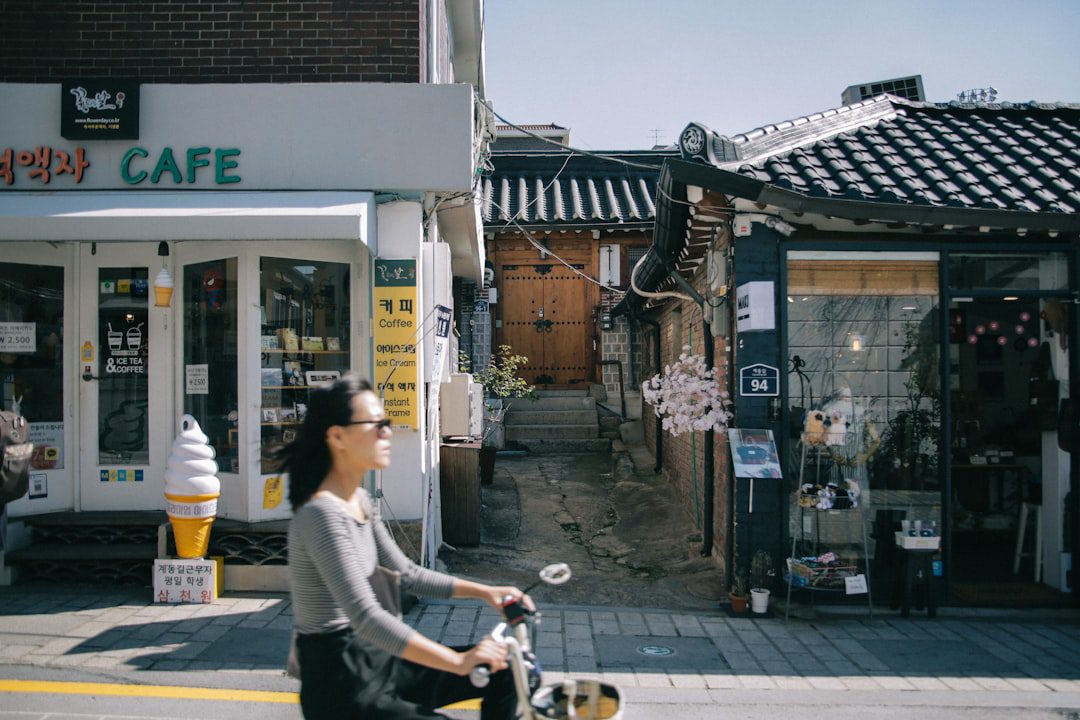
Last month, I watched a young Australian woman confidently navigate Myeongdong station during rush hour, asking vendors in broken Korean where to find the best tteokbokki. Two hours later, she was haggling at a local market like she’d lived here for years. This is the Korea I’ve seen transform over 35 years—safer and more welcoming to solo female travelers than most Western cities, yet still requiring the right preparation and mindset.
When my daughter traveled through Korea alone at 22, I gave her the same advice I’m sharing now. Not a lecture about what not to do, but practical wisdom about how to move through this country with confidence. Korea is genuinely one of Asia’s safest destinations for women traveling alone—but being safe and feeling safe are two different things.
Here’s everything I’ve learned about supporting solo female travelers in Korea, drawn from 35 years of living here, watching the country evolve, and helping hundreds of visitors find their footing.
The Real Safety Picture in Korea
Let’s start with facts. Korea ranks consistently in the top 10 safest countries globally. Seoul specifically has excellent police presence, well-lit streets, and CCTV coverage that would make privacy advocates nervous. Violent crime against tourists is exceptionally rare. Pickpocketing exists (especially in crowded subway cars and markets), but organized crime targeting foreigners is virtually nonexistent.
That said, solo female travelers do face specific challenges—mostly petty harassment rather than serious crime. Drunk men on late-night subway cars, unsolicited comments about appearance, overly persistent attention at clubs or bars. These aren’t uniquely Korean problems, but they’re real and worth preparing for.
Ted’s tip: The single best safety move I recommend? Download the Naver Map and Kakao Map apps before arriving. Offline maps save you from looking lost, and looking lost is when you attract unwanted attention. Confidence (or at least the appearance of it) changes everything.
In my three decades here, I’ve seen a dramatic cultural shift. The Korea of the 1990s, when female solo travelers were genuinely rare and sometimes met with bewilderment, is gone. Today, Korean women travel solo constantly. They’ve set the standard. You’re following in their footsteps.
Where to Stay: Neighborhoods & Accommodation Types
Your choice of neighborhood matters more than most travelers realize. Some areas are statistically safer than others, but “safer” also means different vibes, costs, and experiences.
| Neighborhood | Vibe | Safety Level | Budget (per night) | Best For |
|---|---|---|---|---|
| Gangnam | Upscale, busy, young professionals | Excellent | ₩80,000–180,000 | Shopping, dining, comfort |
| Jongno-gu (Central) | Historic, touristy, well-lit | Excellent | ₩50,000–120,000 | Sightseeing, accessibility |
| Hongdae | Young, artsy, nightlife-heavy | Good | ₩45,000–110,000 | Creative types, socializing |
| Myeongdong | Ultra-touristy, shopping district | Excellent (always crowded) | ₩60,000–150,000 | First-timers, K-beauty shopping |
| Itaewon | Expat-friendly, diverse, bars | Good | ₩55,000–140,000 | English speakers, nightlife |
| Samcheong-dong | Quiet, bohemian, cafes | Excellent | ₩70,000–160,000 | Peace, aesthetics, slower pace |
| Dongdaemun | Market chaos, late-night shopping | Good (always busy) | ₩40,000–90,000 | Budget travelers, fashion |
| Gangbuk (outer areas) | Local, quieter, residential | Excellent | ₩35,000–80,000 | Budget, authentic experience |
Guesthouses vs. Hotels vs. Airbnb
Guesthouses (게스트하우스) dominate budget travel in Korea. Most are female-friendly, with secure key card access and social common areas. The best ones—places like Big Blue Guest House in Jongno or Tree House Café in Hongdae—attract long-term travelers and have excellent safety reputations. You’ll meet other solo travelers immediately.
Hotels offer more privacy but cost more. Budget chains like Lotte City Hotel (₩70,000–100,000/night) or Hotel PJ Myeongdong (₩60,000–90,000/night) provide security, consistent quality, and zero social pressure.
Airbnb? I’m honest here: it requires more vetting. Check the host’s reviews obsessively. Verify that the listing has a separate entrance if possible. Message hosts beforehand to confirm safety details. Some of the best Airbnb stays I’ve heard about have been in Korean neighborhoods where hosts become informal guides—but always trust your gut. If something feels off in messages, book elsewhere.
Ted’s tip: Many solo female travelers prefer guesthouses specifically because the social environment is built-in. You’re not eating dinner alone every night unless you want to. That psychological comfort matters as much as physical safety.
Navigating Public Transportation Alone
The Seoul subway system is one of the world’s best—clean, efficient, and incredibly safe. But it has female-specific dynamics worth understanding.
Women-Only Subway Cars
Every line has designated women-only cars during peak hours (roughly 7–9 AM and 5–8 PM on weekdays). These are marked with pink signage showing a woman’s silhouette. This isn’t segregation; it’s practical. Crowded Seoul subway cars at rush hour get genuinely claustrophobic, and women-only cars eliminate one common form of harassment: groping in packed cars.
My advice? Use them during peak times without shame. You’ll see local women doing the same. It’s not admitting defeat—it’s choosing your comfort.
| Subway Line | Women-Only Car Location | Active Hours |
|---|---|---|
| Line 1 | Front car (toward Sungnyemun) | 6 AM–11 PM |
| Line 2 | Toward Samseong Station | 6 AM–11 PM |
| Line 3–8 | Varies (marked at each station) | 6 AM–11 PM |
Late Night Safety on Subways
Subways run until midnight (some lines until 1 AM). After midnight, you’re looking at taxis, Naver Taxi app, or dedicated night buses (청소년버스—youth buses with surveillance). Here’s my honest take: I’d book a taxi or use Naver Taxi after midnight rather than waiting for a late bus. A female traveler alone at 1 AM at a bus stop is more vulnerable than in a car with a licensed driver.
Single-digit taxi fares often cost less than you’d think. From Gangnam to Jongno? About ₩12,000–15,000. From Hongdae to Myeongdong? Around ₩8,000–10,000. Always use official taxis (silver or black, licensed) or the app-based system. Never hail unmarked cabs.
Ted’s tip: Install Naver Taxi, Kakao Taxi, and Tmoneygo (transit payment) before arriving. These aren’t luxuries—they’re your safety toolkit. Naver Taxi especially shows driver photos, real-time GPS, and lets you share your route with a contact.
Nightlife, Socializing & When to Say No
Korea’s nightlife is world-famous, and solo female travelers want to enjoy it. You absolutely can—with eyes open.
Clubbing in Gangnam, Hongdae, or Itaewon is genuinely fun. The actual clubs are safe, well-staffed, and full of locals and tourists. The risk isn’t inside—it’s before and after. Men will approach you. Some are friendly, some are persistent, some are drunk. This is true everywhere, but Korean bar culture has specific patterns:
Pojangmacha (street tent bars): These outdoor food-and-drink tents are beloved by locals and tourists alike. They’re public, well-lit, and full of families alongside solo drinkers. Genuinely safe. Expect friendly conversation—it’s part of the experience. If someone’s attention feels off, stand up and leave. No explanation needed.
Korean Noraebang (karaoke rooms): Usually very safe, especially if you’re in a group. Solo? Stick to noraebang bars where you’re in a shared space rather than a private room with strangers.
Hotel bars and lounges: Higher price point, but consistently upscale and secure. Myeongdong’s Lotte World Tower Sky bar (88th floor, ₩25,000 minimum) or Park Hyatt’s Park Lounge (Gangnam) are solo-female-friendly spaces where you can watch the city lights.
Regarding alcohol: Korean drinking culture emphasizes group dynamics and rounds (노래방 → 2차 → 3차 = karaoke → second bar → third bar). You’re never pressured to participate in this chain, but expect it to happen around you. My advice? Have a set limit. One venue, one drink, then home. That boundary protects you from fatigue, bad decisions, and trouble.
Ted’s tip: A Korean friend once told me, “When a man suggests ‘one more bar,’ he’s not asking. He’s assuming you’re coming.” This isn’t hostile—it’s just how the culture flows. Being prepared to politely decline (“I’m tired, but thank you!”) in English or Korean saves you energy.
If you want social nightlife without the alcohol complexity, visit Cheonggyecheon at night (beautifully lit, families and couples everywhere) or Han River parks after sunset. These are decidedly unsexy but completely safe solo hangouts.
Essential Safety Tools & Apps for Solo Travelers
| App | Purpose | Cost | Critical Feature |
|---|---|---|---|
| Naver Map | Navigation, offline maps | Free | Works without data; shows women-only subway cars |
| Kakao Map | Alternative navigation | Free | Real-time traffic, taxi pricing estimates |
| Naver Taxi | Secure taxi booking | Free | Driver ID photo, GPS tracking, share route with friend |
| Google Translate | Communication | Free | Camera translation (point at Korean signs) |
| Papago (Naver) | Korean translation | Free | Better Korean-English than Google |
| Badass Women Travel | Safety ratings for areas/activities | Free | Community crowdsourced reviews |
| Life360 | Location sharing with emergency contact | Free/paid | Real-time location, one-tap emergency button |
| International messaging | Free | Works worldwide, no international charges |
Before you arrive: Set up location sharing (Life360 or Google Family Link) with a trusted contact back home. This isn’t paranoia—it’s basic smart travel. Your mom wants to know you landed safely. Make it effortless for her to check.
Download offline maps: Go to Naver Map, hit the menu, and download Seoul (and any other cities) for offline use. You’ll spend the first day losing signal occasionally. Offline maps mean you never look lost.
Save emergency numbers in your phone:
| Emergency | Number | Notes |
|---|---|---|
| Police | 112 | Works on any phone, including without credit |
| Fire/Ambulance | 119 | Same, works on any phone |
| Tourist Police (English) | 1330 | 24/7, English-speaking assistance for tourists |
| Your embassy helpline | See below | Program this before arriving |
US Embassy in Seoul: +82-2-397-4114 (24/7)
UK Embassy in Seoul: +82-2-3210-5500 (24/7 emergency)
Canadian Embassy in Seoul: +82-2-3783-6000 (after hours: +82-10-3333-0061)
Australian Embassy in Seoul: +82-2-2141-2535 (after hours: +61-2-6261-3305)
Cultural Awareness & Respectful Traveling
Safety isn’t just physical. It’s also about moving through Korean culture with respect and awareness, which actually makes you safer.
Dress code matters, but not how you might think: Korea is conservative compared to Western nightlife scenes, but Korean women dress exactly how they want. The difference is that what you wear sends a signal here—and that signal can influence how you’re treated. Wearing a short skirt and crop top to Gangnam clubs? Totally normal for Korean club culture. Same outfit at a temple? Disrespectful and you’ll be asked to cover up.
The real dress safety rule: dress for the venue, not for proving a point. A solo female traveler in practical clothing—jeans, sneakers, a normal shirt—moves through Korea as a person, not as a target. That matters psychologically and practically.
Behavior expectations: Korean culture emphasizes respect for elders, quiet behavior in public spaces, and following rules. Speaking loudly on subways? Eating on trains? Getting drunk on buses? These mark you as a disrespectful foreigner and invite negative attention. Solo female travelers should be especially aware: being female gives you some grace in Korea, but being a loud drunk foreigner erases that quickly.
The bow and the smile: A small bow (15 degrees, not 90 degrees) combined with a smile is your safest social tool in Korea. When you’re asking for directions, entering a small restaurant, or apologizing for something minor, this gesture defuses tension instantly. It says: “I respect you and your culture.” People respond to that.
Ted’s tip: Learn these Korean phrases phonetically: “안녕하세요” (Annyeonghaseyo—hello), “감사합니다” (Gamsahamnida—thank you), “미안합니다” (Mianhamnida—sorry), “화장실은 어디예요?” (Where’s the bathroom?). A solo female traveler making an effort to speak Korean, even haltingly, is treated completely differently than one who only speaks English and expects service.
Meeting People & Making Friends Safely
One of the best antidotes to solo travel anxiety is having actual friends there. Korea makes this easier than you’d expect.
Meetup groups and expat communities: Seoul has enormous expat communities. Meetup.com lists regular gatherings—hiking groups, language exchanges, dinner clubs—mostly frequented by other solo travelers. These aren’t sketchy. They’re often facilitated by established organizations like Seoul Expat Meetup Group or specific neighborhood groups. Go to one, make friends, suddenly you’re part of a network.
University language exchange groups: Korean universities constantly host language exchange events where locals want to practice English and you want to practice Korean. These are typically held in campus cafes or parks, in groups of 8–15 people. Free, safe, and genuinely fun.
Guesthouse common areas: If you’re in a guesthouse with a communal kitchen or lounge, you’ll meet people within hours. I’ve watched solo travelers form instant friend groups in these spaces. By day three, they’re exploring the city together.
Solo female travel groups on Facebook: Groups like “Women Solo Travelers in Korea” have thousands of members. Post that you’re arriving, and locals and travelers will offer advice, meetup suggestions, and sometimes friendship. These communities are genuinely helpful.
Things to avoid: Late-night meeting with a stranger you found online? Bad idea. Going to someone’s apartment before you’ve met them in public several times? Bad idea. Accepting a drink from someone you just met at a club? Bad idea. These rules aren’t unique to Korea, but they matter everywhere, including here.
Specific Concerns & How to Handle Them
Harassment on the Street or Subway
Catcalling is rare in Korea compared to some countries. It happens, but not frequently. Groping on crowded subways? Yes, occasionally. Here’s the reality: it’s usually drunk men being awful, not predatory strangers hunting. Still unacceptable, obviously.
Your responses: Loud, public response works. Yelling “그만해!” (Geumanhe!—Stop!) or “손을 떼!” (Soneul tte!—Get your hands off!) and moving away is effective. Korean people will immediately side with you. Make it public, make it loud, and get away. There’s no social cost to you—the harasser is shamed, not you.
If it’s persistent or threatening, use the emergency buttons in subway cars (they’re on the wall, clearly marked) or notify staff. Police response is fast and professional.
When Traveling Alone to Temples or Hiking
Solo hiking and temple visits are incredibly popular. These are genuine safety experiences—Bukhansan has hundreds of solo hikers daily, and temples welcome solo visitors constantly.
Common sense rules: tell someone where you’re going and your expected return time. Start hikes early (by 8 AM). Avoid hiking past 4 PM unless you’re very experienced. Let a friend track your location.
For temple stays, these are incredibly safe. The entire premise is quiet, meditative, and communal. Women’s dorms are standard. Abuse of hospitality would be exceptional and would result in immediate expulsion and local shaming.
Getting Lost & Asking for Help
Getting lost isn’t dangerous; it’s normal. The subway system has English signage. Maps apps work everywhere. If you’re genuinely stuck, ask a woman or an older person—they’re statistically most helpful and least likely to have ulterior motives.
Gas station attendants (GS25, CU, Emart24) are trained to help lost tourists. They’ll use Google Translate on their phones if needed. This is normal for them.
Health, Insurance & Medical Emergencies
Korean healthcare is excellent and affordable. A doctor’s visit costs ₩30,000–50,000 without insurance. Many solo travelers buy travel insurance for peace of mind; it typically costs $30–60 for two weeks and covers medical emergencies.
Pharmacies: Pharmacies (약국) are everywhere and have English-speaking staff in tourist areas. Cold medicine, pain relief, digestive aids—all available without prescription and cheap. Point to what you need or use Google Translate camera feature to take a photo of Korean instructions.
Hospitals with English support:
| Hospital | Location | English Support | Phone |
|---|---|---|---|
| Gangnam Severance Hospital | Gangnam (Apgujeong Station Line 3) | Excellent | +82-2-2019-3114 |
| Samsung Medical Center | Kangbuk (Samseong Station Line 2) | Excellent | +82-2-3410-2114 |
| Asan Medical Center | Songpa (Asanbyeongwon Station) | Good | +82-2-3010-3114 |
| Seoul National University Hospital | Jongno (Hyehwa Station Line 4) | Good | +82-2-2072-2114 |
Sexual assault support: If something traumatic happens, contact the Korean Women’s Hotline: 1366 (24/7, English available). Or go directly to a hospital for medical/legal documentation. Don’t shower or change clothes beforehand.
Budget & Financial Security for Solo Travelers
Financial independence is part of solo travel confidence. Here’s the practical breakdown:
Money: Korea is increasingly cashless, but ATMs are everywhere. Withdraw cash from 7-Eleven or post office ATMs (cheapest fees). Carry a mix of cash and card. Solo travelers typically budget ₩50,000–100,000 per day for food and activities (depending on luxury level).
Credit card safety: Korean merchants don’t always check ID, so if your card is stolen, fraud is possible. Keep your card with you always. Notify your bank before traveling. Consider a separate travel card with limited funds.
Scam awareness: Overcharging at clubs is rare but happens. Insist on itemized receipts. Don’t accept drinks from strangers. Money exchange at random shops can be unfavorable. Use official exchange booths or ATMs.
SIM card and connectivity: Buy a KT or SK Telecom SIM card at the airport (₩30,000–50,000 for 2–4 weeks unlimited data). This costs less than international roaming and keeps you connected for safety navigation.
Frequently Asked Questions
Is it really safe to walk around Seoul alone at night?
Yes, significantly safer than major American or European cities. Well-lit streets, heavy police presence, CCTV, and public activity late into the night. That said, avoid empty alleyways after midnight, and use common sense. A solo female traveler walking confidently through Gangnam or Myeongdong at 11 PM? Totally normal. Walking alone in deserted industrial areas at 2 AM? Not smart anywhere.
What should I do if I’m sexually harassed or assaulted?
Report it immediately. Call 112 (police) or 1330 (tourist police with English). Go to a hospital for documentation and evidence collection. Contact your embassy. The Korean response to assault is serious—police will take action. Don’t worry about language barriers; 1330 has English speakers specifically trained for tourist emergencies.
Are women-only subway cars really necessary?
Not necessary, but genuinely helpful during peak hours. You’re not required to use them. Some solo travelers never do, others use them consistently. It’s about your comfort level. There’s zero judgment either way.
Should I wear a fake wedding ring or claim I’m married?
No. This is outdated advice. Solo female travelers are normal now. The signal you’re married doesn’t add safety—it just changes the type of attention. Most people will be respectful regardless. If someone’s disrespectful, a fake wedding ring won’t stop them.
What’s the best way to meet other solo travelers safely?
Guesthouses with common areas are genuinely the best. Join established Meetup groups with dozens of reviews. Participate in organized events rather than meeting strangers privately. Trust your instincts—if someone’s vibe is off online, don’t meet them in person.
Can I travel to South Korean islands and temples alone?
Absolutely. Islands like Nami Island are popular solo destinations. Temples are incredibly welcoming. Just inform someone of your itinerary and expected return. These places are statistically very safe.
What if I get sick or injured while traveling alone?
Go to a hospital (they’re easy to find via Naver Map, and English support exists). Korean healthcare is excellent and affordable. Call 1330 for interpreter assistance if needed. Travel insurance covers hospital visits. You won’t be abandoned—Korean people are generally helpful to sick travelers.
How do I stay connected without running up huge phone bills?
Buy a local SIM card or eSIM before arriving (€15–40, sold at airport). This gives you unlimited data and local calls for weeks. Way cheaper than international roaming. Share your live location with someone back home using Life360 or Google Maps, not additional carriers.
Final Thoughts
After 35 years in Korea, watching it transform from a place where solo female travelers turned heads to one where they’re completely normal, I can tell you this: Korea is one of the genuinely safest places I know for women traveling alone. The infrastructure is excellent, the people are respectful, and the culture increasingly embraces independence.
But safety is mindset as much as circumstance. It comes from preparation (knowing your apps, your routes, your emergency numbers), from respect (understanding the culture you’re moving through), and from confidence (trusting your instincts and not second-guessing yourself).
The solo female travelers I’ve watched thrive in Korea have one thing in common: they treat the country as a place to explore, not a minefield to navigate. They prepare practically, then let go of fear and dive in. They get lost on purpose. They try restaurants alone. They take subways at night. They talk to strangers and sometimes make friends. They fall in love with the place because they actually live there, not just visit it.
Korea will give you that kind of experience. You just have to show up ready for it.
— Ted K
Image Credits: Photos sourced from Unsplash. By using this site, you agree to our Privacy Policy and Disclaimer.