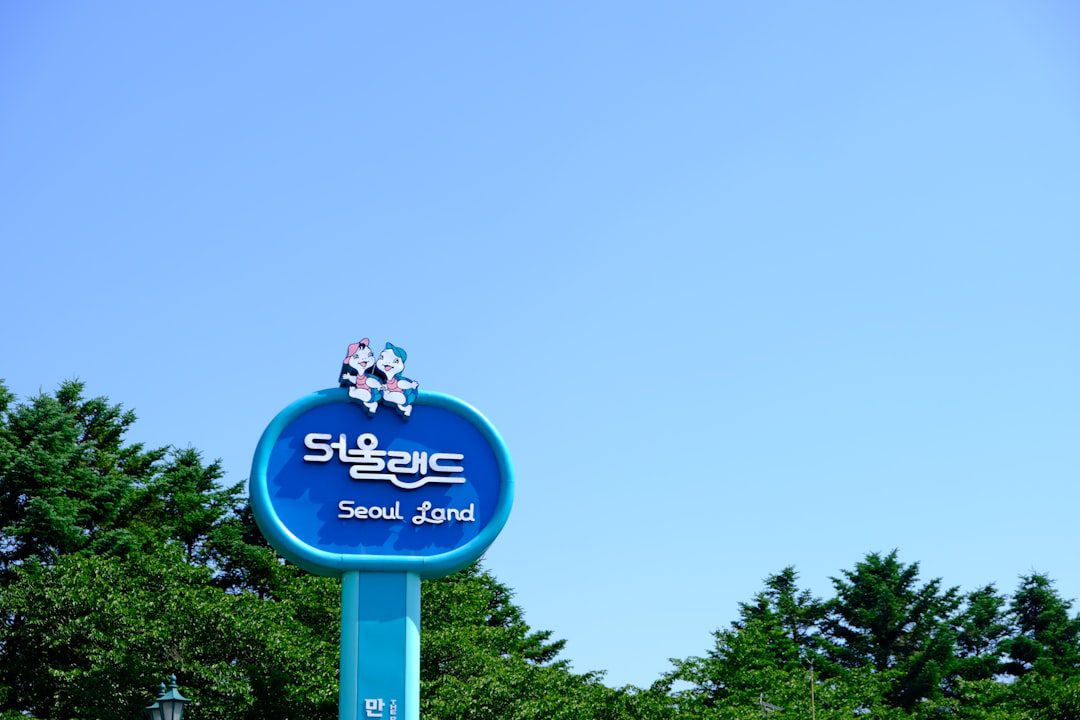
I remember the first time I brought my daughter to Jamsil back in 2001—the Olympic Park was still somewhat quiet, Lotte World was packed with middle schoolers on field trips, and Seokchon Lake was mainly known to locals as a peaceful escape from the city. Over 35 years here in Korea, I’ve watched this district transform from a post-Olympic venue into one of Seoul’s most dynamic neighborhoods, blending theme park thrills, serene lakeside walks, and sports heritage in one surprisingly accessible area.
The thing about Jamsil that makes it special isn’t that it has the biggest attractions—though Lotte World is certainly impressive—but rather that you can experience three completely different sides of Seoul in a single day. Whether you’re an adrenaline junkie, a nature lover, or a history buff, Jamsil delivers something for everyone. And unlike Gangnam or Myeongdong, you won’t feel like you’re swimming through crowds the entire time.
Here’s everything you need to know to make the most of your Jamsil visit.
Getting to Jamsil: Location & Transportation
Jamsil sits in the southeastern part of Seoul, about 20 minutes from central areas like Myeongdong or Gangnam depending on traffic. The district is anchored by Line 2 subway (the circular line), which makes it incredibly convenient—you can literally loop around the entire area without transferring.
The three main stations you’ll need are:
| Station | Exit | Closest Attraction | Walking Time |
|---|---|---|---|
| Jamsil Station (Line 2) | 1, 2, 3 | Lotte World main entrance | 5-7 min |
| Seokchon Station (Line 2) | 1, 2 | Seokchon Lake & walking paths | 10-15 min |
| Olympic Park Station (Line 8) | 1, 2, 3, 4 | Olympic Park main entrance | 3-5 min |
Ted’s tip: If you’re coming from Incheon Airport, take the Airport Railroad directly to Seoul Station, then pick up Line 2 at Seokgang Station. It takes about 50 minutes total and costs ₩9,000—way cheaper than a taxi, and you’ll see Seoul change as you ride the ring line.
From Gangnam Station, head toward Line 2 (the outer circle toward Jamsil) and you’ll arrive in about 8 minutes. It’s one of the most straightforward commutes in Seoul, which is why Jamsil attracts so many visitors—it’s genuinely accessible.
Lotte World: Theme Park Thrills & Inside Tips
Lotte World is one of Asia’s largest indoor theme parks, and I’ll be honest—it’s not Disneyland. But that’s actually part of its charm. It’s more compact, more affordable, and honestly, less overwhelming than what you’d experience at a mega-park. I’ve taken countless visitors here, and they always leave surprised at how much they packed in.
Lotte World Layout & Admission
The park is split into two main areas: the Indoor Theme Park and the Outdoor Adventure World. Most people focus on the indoor section because, well, it’s air-conditioned, climate-controlled, and doesn’t depend on the weather. But if you’re visiting in spring or autumn, the outdoor section is worth your time.
| Ticket Type | Price (Adult) | What’s Included | Best For |
|---|---|---|---|
| Passport (1 Day) | ₩78,000 | All rides & attractions (both parks) | First-timers, full day visitors |
| After 4 PM Passport | ₩58,000 | All rides after 4 PM | Evening visitors, budget travelers |
| Free Pass (Indoor Only) | ₩56,000 | Indoor rides, no wait lines | Those who hate waiting |
| Pay-Per-Ride | ₩2,500–8,000 per ride | Individual attraction tickets | Selective riders, quick visits |
Ted’s tip: Buy your Passport online through the Lotte World website or through Naver or Kakao. Online tickets are usually ₩5,000–10,000 cheaper than gate prices. Also, if you’re visiting on a weekday (especially Tuesday–Thursday), go earlier in the day. Weekends are carnival-level crowded, but a Wednesday afternoon? You might walk onto some rides.
Address: 240 Olympic-ro, Songpa-gu, Seoul | Phone: +82-2-411-2000
Must-Do Rides & Attractions
Let me be clear—not every ride at Lotte World is worth your time. Some are pretty dated. But these are the ones that genuinely deliver:
| Attraction | Type | Thrill Level | Wait Time (Avg) | Height Restriction |
|---|---|---|---|---|
| Gyro Drop | Free fall | Extreme | 20–40 min | 132 cm+ |
| French Revolution | Roller coaster | High | 15–30 min | 120 cm+ |
| Atlantis Adventure | Dark ride | Low–Medium | 10–20 min | No restriction |
| Magic House | Haunted house | Low | 10–15 min | No restriction |
| Bumper Cars | Family | Low | 5–10 min | 100 cm+ |
| Sky Coaster | Outdoor coaster | High | 20–35 min | 125 cm+ |
If you’re bringing kids, don’t skip the “Explorers of the Lost World” and “World Monorail.” These are specifically designed for younger visitors and are honestly charming. The monorail circles the indoor park and gives you a good overview of the layout.
Food & Dining at Lotte World
Fair warning: Lotte World food is expensive, like most theme parks. A simple Korean meal runs ₩15,000–20,000. Pizza or burgers are ₩12,000–18,000. My suggestion? Eat a solid meal before you enter (there are restaurants near Jamsil Station), pack some snacks, and treat the food court as a rest break rather than a meal destination.
That said, the Café de France pastries near the main entrance are decent if you need a quick snack, and the ramen at various kiosks is surprisingly acceptable for theme park food.
Ted’s tip: Bring a reusable water bottle—there are water fountains throughout the park. Dehydration is real on busy days, and spending ₩5,000 on bottled water every hour will kill your budget.
Seokchon Lake: Seoul’s Hidden Serene Escape
Now here’s where I send people who are burned out from Lotte World—Seokchon Lake (석촌호수). It’s literally 10 minutes away by subway or a 25-minute walk from Lotte World, but it feels like you’ve left the city entirely. The lake is 1.8 kilometers in circumference, and the walking path around it is one of my favorite spots to decompress when Seoul gets too much.
When to Visit Seokchon Lake
Seokchon Lake transforms depending on the season, which is why I keep coming back:
| Season | Best For | What You’ll See | Crowds |
|---|---|---|---|
| Spring (Mar–May) | Cherry blossoms, photography | Pink blossoms lining the path, couples everywhere | Moderate–High |
| Summer (Jun–Aug) | Evening walks, cool breeze | Green trees, water reflections, sunset views | Low–Moderate |
| Autumn (Sep–Nov) | Foliage, peaceful walks | Red & orange leaves, golden light | Moderate |
| Winter (Dec–Feb) | Quiet reflection, fewer tourists | Bare trees, sometimes frozen lake edge | Low |
If you’re visiting during cherry blossom season (late March to early April), expect Seokchon Lake to rival popular spots like Yeouido Park for Instagram crowds. But honestly, the blossoms are so spectacular that it’s worth it. I’ve watched thousands of photos of this lake from my years here, and spring always wins.
Walking the Lake Path & Nearby Attractions
The lake loop is manageable for anyone—it’s paved, flat, and well-lit. You can walk the full circumference in about 30–40 minutes at a leisure pace. Halfway around, you’ll pass the Seokchon Park area with benches, picnic spots, and a small children’s playground.
Near Seokchon Station (Exit 1), there’s a cluster of cafés that have popped up in the last few years. My personal favorite is 카페 온더락 (Café on the Rock)—it’s a small, minimalist café overlooking the lake with excellent cold brew and homemade pastries. A typical coffee runs ₩5,500–7,000.
Ted’s tip: Go to Seokchon Lake in the early morning (6–8 AM) for the quietest experience. You’ll see locals jogging, tai chi practitioners, and elderly couples taking their slow walks. It’s genuinely peaceful and gives you a real sense of Seoul beyond tourism.
The area also has several small restaurants and pojangmacha (street food tents) if you want a casual meal. I’ve had excellent tteokbokki (spicy rice cakes) from a vendor near Exit 2—₩5,000 for a bowl.
Photography Spots
If you’re a photographer or Instagram enthusiast, Seokchon Lake has some genuinely photogenic angles:
- The bridge over the inlet on the north side (best for sunset shots)
- The walking path with willows reflected in the water (spring–autumn)
- The bench area facing the Olympic Park skyline (evening light is magical)
Olympic Park: History, Sports & Outdoor Space
The Olympic Park is where I bring visitors who want to understand modern Korea’s relationship with development, sports, and international recognition. Hosting the 1988 Summer Olympics was a transformative moment for Seoul—it put the city on the world stage and led to massive urban development. The park is the physical legacy of that moment.
What’s in Olympic Park
The park spans 144 hectares and includes:
| Facility/Attraction | Admission | Hours | Best For |
|---|---|---|---|
| Olympic Stadium | Free to enter/walk around | 24 hours (grounds) | Photography, history buffs |
| Seoul Olympic Museum | ₩5,000 (adult) | 10 AM–6 PM (closed Mon) | Sports history, interactive exhibits |
| Gymnastics Hall / Badminton Hall | Varies (events only) | Call ahead | Live sports events |
| Biking Paths | Free | Dawn–dusk | Cyclists, outdoor enthusiasts |
| Sculpture Park & Gardens | Free | Always open | Art lovers, peaceful walks |
| Rose Garden | Free | May–June, Sept–Oct peak | Garden enthusiasts, photographers |
Olympic Stadium & Iconic Structures
The Olympic Stadium itself is an architectural landmark—the design is meant to evoke traditional Korean “roof tiles” with its distinctive curved form. From the outside, it’s genuinely impressive, especially if you see it from the south approach near the Olympic Park Station.
You can walk around the entire stadium grounds for free. On clear days, there are nice photo opportunities, especially near the south entrance. If there’s a sporting event happening (Korean baseball, soccer, or athletics), you can buy tickets and watch—it’s a very local experience and costs ₩20,000–80,000 depending on the event.
Ted’s tip: Check ahead for sporting events at Olympic Stadium. Watching a Korean baseball game (KBO League) is a quintessential Seoul experience—the fans are passionate, the atmosphere is electric, and it’s way more fun than watching it on TV. Games typically run March–October.
Seoul Olympic Museum
The museum is small but thoughtfully curated. It covers the history of the 1988 Olympics and displays memorabilia, uniforms, medals, and medals from Korean Olympians. It’s not huge (you can walk through in 1–1.5 hours), but it’s interesting if you have time and want some context about this area’s significance.
Address: 424 Olympic-ro, Songpa-gu | Phone: +82-2-420-5000
Outdoor Activities & Gardens
This is honestly my favorite part of Olympic Park—the gardens and outdoor spaces are genuinely beautiful and underutilized compared to theme parks.
- Rose Garden (장미원): Best in May–June and September–October. Around 400 rose varieties bloom. It’s quiet, fragrant, and feels worlds away from the city.
- Sculpture Park: Free to explore year-round. There are over 30 contemporary sculptures scattered throughout wooded areas. It’s like an art museum without walls.
- Biking Paths: About 8 kilometers of dedicated bike paths. If you have time, rent a bike and loop around the park (bike rentals nearby: ₩10,000–15,000 for 2 hours).
- Baekbeom Lake (백범호수): A smaller, quieter lake within Olympic Park. Great for feeding ducks and taking peaceful photos.
One of my favorite slow afternoon activities is to bike the Olympic Park on a spring or autumn day, stop at a café, and just breathe. It’s free (except bike rental), it’s accessible, and it reminds you why cities are worth living in.
Dining & Cafés Around Jamsil
Unlike the inflated prices at Lotte World, the surrounding Jamsil neighborhood has genuine, reasonably-priced restaurants. Here’s where I actually eat when I’m in the area:
| Restaurant | Cuisine | Average Price | Location | Why I Go |
|---|---|---|---|---|
| Songpa Galbi (송파갈비) | Korean BBQ | ₩25,000–40,000 | Near Jamsil Station, Exit 3 | High-quality beef, perfect lunch after theme park |
| Mokdong Sujebi (목동수제비) | Korean comfort food | ₩8,000–12,000 | Various locations in Jamsil | Hand-torn noodle soup, nostalgic, affordable |
| 도깨비주막 (Dokkaebi Pocha) | Street food, pojangmacha | ₩5,000–10,000 | Near Seokchon Lake (multiple tents) | Authentic Seoul experience, local atmosphere |
| Café on the Rock | Coffee, pastry | ₩5,500–8,000 | Seokchon Lake side (Exit 1) | View, quality coffee, relaxing vibe |
| Lotteria (롯데리아) | Fast food (Korean burger chain) | ₩8,000–12,000 | Multiple locations in Jamsil | Quick, affordable, not as expensive as Lotte World food |
My honest recommendation: eat before or after the park, not during it. Your wallet will thank you.
How to Structure Your Ideal Jamsil Day Trip
The beauty of Jamsil is that you can customize your day based on your interests. Here are three realistic itineraries:
Option 1: Theme Park Focus (Full Day)
- 9:00 AM: Arrive at Lotte World via Jamsil Station. Have breakfast at a nearby café first (Lotteria or local restaurant).
- 10:00 AM–3:00 PM: Lotte World. Focus on rides, eat lunch at the park food court (budget ₩15,000–20,000 per person).
- 3:00 PM–5:00 PM: Walk around Olympic Park grounds, visit sculpture garden. Rest and decompress.
- 5:00 PM–6:30 PM: Dinner at a proper restaurant (Songpa Galbi or Mokdong Sujebi).
- 6:30 PM–7:30 PM: Evening walk around Seokchon Lake if energy permits.
Total Cost Estimate: ₩120,000–150,000 (including Lotte World ticket, meals, transportation)
Option 2: Nature & Culture (Half Day)
- 8:00 AM: Early walk around Seokchon Lake (catch sunrise if possible).
- 9:30 AM: Coffee at Café on the Rock.
- 10:30 AM–12:30 PM: Olympic Park—Rose Garden, Sculpture Park, museum.
- 12:30 PM–2:00 PM: Lunch at nearby restaurant.
- 2:00 PM–3:30 PM: Bike ride around Olympic Park or additional museum time.
Total Cost Estimate: ₩40,000–60,000 (no theme park, mostly free attractions)
Option 3: Balanced Mix (8 Hours)
- 10:00 AM: Arrive at Jamsil. Lunch at a Korean restaurant.
- 11:00 AM–1:30 PM: Lotte World (either 1-day pass or 2-3 rides with pay-per-ride).
- 1:30 PM–3:30 PM: Seokchon Lake walk & coffee.
- 3:30 PM–5:30 PM: Olympic Park grounds & sculpture garden.
- 5:30 PM onwards: Dinner and evening walk.
Total Cost Estimate: ₩80,000–120,000
Ted’s tip: Whatever you do, don’t rush. Jamsil is designed for a leisurely pace. The whole point is that you can combine attractions without feeling like you’re running from place to place.
Practical Information & Insider Tips
Best Times to Visit
| Time | Crowd Level | Weather | Recommendation |
|---|---|---|---|
| Weekdays (Tue–Thu) | Low–Moderate | Variable | Best for Lotte World, shortest lines |
| Friday evening | Moderate–High | Variable | Use 4 PM Passport, shorter queues |
| Weekends (Sat–Sun) | Very High | Variable | Skip Lotte World or arrive very early (8 AM) |
| Late March–early April | High (Seokchon) | Perfect | Cherry blossoms essential, expect crowds |
| September–October | Moderate | Excellent | Ideal for visiting all three attractions |
What to Bring
- Comfortable shoes: You’ll walk at least 5–8 kilometers. Blisters will ruin your day.
- Sunscreen: Even if it doesn’t feel sunny, Korean sun is intense. I learned this the hard way.
- Portable charger: Your phone will die. Jamsil gets spotty 5G, and you’ll want power for navigation and photos.
- Light jacket: Even in summer, air-conditioning is aggressive. Olympic Park can be breezy.
- Reusable water bottle: Critical for Lotte World to save money.
- Cash and card: Most places take card, but smaller vendors and parks accept cash primarily.
Accessibility & Special Needs
All three main areas in Jamsil are relatively accessible for people with mobility challenges. Lotte World has wheelchair access and accessible bathrooms. Olympic Park paths are paved and flat. Seokchon Lake has accessible entrances at multiple points. For more detailed accessibility information, check out our comprehensive accessibility guide.
How Jamsil Compares to Other Seoul Districts
If you’re trying to decide between Jamsil and other popular neighborhoods, here’s my honest comparison:
| District | Main Attractions | Best For | Crowds | Budget Level |
|---|---|---|---|---|
| Jamsil | Theme park, lake, sports history | Families, balanced itineraries | Moderate | Budget-friendly outside park |
| Gangnam | Shopping, nightlife, restaurants | Upscale dining, fashion | Very High | Expensive |
| Myeongdong | Shopping, restaurants, K-beauty | Shopping, first-time visitors | Extremely High | Expensive |
| Insadong | Traditional art, galleries, cafés | Culture seekers, art lovers | High | Moderate–Expensive |
Honestly, Jamsil is underrated compared to these other neighborhoods. It’s less touristy, more genuinely “Seoul,” and offers more variety without feeling like you’re being herded through a shopping gauntlet.
Frequently Asked Questions
Is Lotte World worth visiting, or should I skip it for theme parks back home?
If you have significant theme park experience, Lotte World is smaller and less thrilling than what you’re used to. But if you’re traveling on a budget or with kids, it’s absolutely worth it. The price-to-quality ratio is solid, and the novelty of experiencing it as a Korean cultural attraction (not just a theme park) is valuable. Also, it’s conveniently located and doesn’t consume an entire day if you don’t want it to.
How long should I spend at Seokchon Lake?
A casual walk around the lake takes 30–40 minutes. If you include a café stop and sit by the water, budget 1.5–2 hours. If you’re there during cherry blossom season and want to photograph extensively, plan 3+ hours. It’s not a full-day destination, but it’s perfect as part of a balanced day.
Can I visit all three (Lotte World, Seokchon Lake, Olympic Park) in one day?
Yes, if you’re strategic. The catch is you won’t spend deep time at any single place. This works best if you use the “Balanced Mix” itinerary I outlined earlier—2 hours at Lotte World, 1.5 hours at Seokchon, 2 hours at Olympic Park. It’s doable and gives you a good overview, but you’ll feel slightly rushed.
Is Olympic Park interesting if I’m not a sports fan?
Absolutely. The park itself is beautiful regardless of interest in sports. The sculpture garden, rose garden, and walking paths are genuinely lovely. The Olympic Stadium is architecturally interesting even if you don’t care about the Olympics. I’d say 70% of the appeal is the nature and design, not the sports history.
What’s the best time of year to visit Jamsil?
September–October is ideal—weather is perfect, crowds are manageable, and all attractions are at their best. Late March to early April is also excellent if you want cherry blossoms at Seokchon Lake, but expect significant crowds. Summer is hot and humid (bring extra water), and winter is cold but not unbearable. Avoid Korean holidays and summer vacation season (July–August) if you want fewer crowds.
Do I need a full day pass for Lotte World, or can I do a few rides?
If you’re short on time or budget, the pay-per-ride system works fine. You can do 3–4 major rides for around ₩20,000–30,000. But if you want to experience more than 2 attractions, the 1-day pass (especially the discounted online version at ₩68,000–70,000) is better value. Do the math based on how many rides you want to do.
Are there other attractions in Jamsil I should know about?
Jamsil is primarily anchored by these three main attractions. There’s also a small shopping mall near Lotte World if you need retail therapy, but the neighborhood isn’t known for shopping like Gangnam or Myeongdong. The focus here is genuinely on Lotte World, the lake, and Olympic Park.
What should I know about transportation between these three attractions?
They’re very close to each other. Jamsil Station to Seokchon Station is one stop on Line 2 (3 minutes). Olympic Park Station is on Line 8, about 10 minutes from Jamsil Station via transfer. All are within 2–3 subway minutes of each other, making navigation stress-free. Get a T-money card (₩2,500–4,000 at any convenience store) and load it with cash. Each trip costs ₩1,250–2,500 depending on distance.
Final Thoughts
Jamsil represents something I’ve watched happen across Seoul for 35 years—the transformation of functional spaces (a post-Olympic venue) into thriving neighborhoods that balance recreation, nature, and culture. It’s not the most Instagram-famous corner of Seoul, and it’s not trying to be. Instead, it offers genuine value: a theme park that’s accessible, a lake that’s genuinely peaceful, and historical spaces that connect you to modern Korea’s story.
I always tell visitors that Jamsil is the neighborhood you recommend to friends who actually ask, “But what’s Seoul really like?” It has tourists, sure, but it also has locals living their lives, families enjoying weekends, and quiet corners where you can actually think. That balance is rare in Seoul, and it’s worth protecting.
Whether you’re a theme park enthusiast, a nature lover, or someone curious about Korea’s recent history, Jamsil delivers something genuine. Come for Lotte World if that’s your speed, but don’t miss the lake and the park. The real magic of Jamsil isn’t in any single attraction—it’s in the way they all fit together.
— Ted K
Image Credits: Photos sourced from Unsplash. By using this site, you agree to our Privacy Policy and Disclaimer.