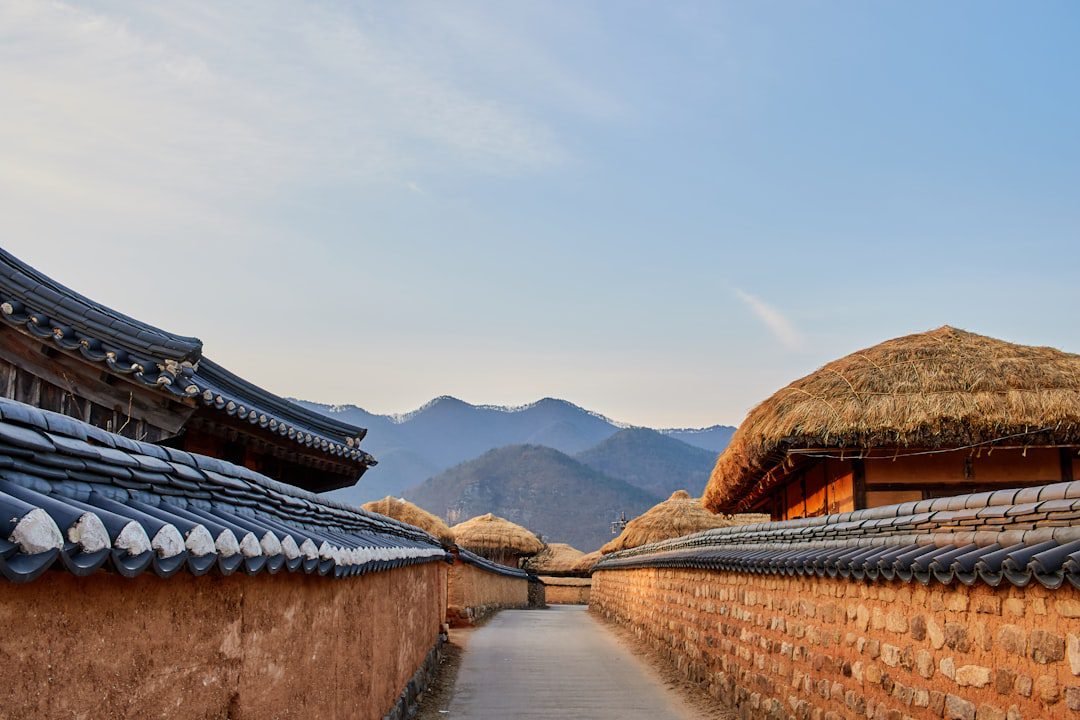
Back in 1997, I took my girlfriend (now my wife of 30 years) to Suwon Hwaseong Fortress for her very first time. Neither of us expected much—it seemed like just another old wall on the outskirts of Seoul. But standing at the top of the fortress, watching the sunset paint the ramparts in shades of orange and purple, with the entire city sprawling beneath us, I understood why King Jeongjo built this place. It wasn’t just defensive architecture. It was a statement.
Three decades later, I still take visitors to Hwaseong Fortress at least once a month. And every single time, I see that same look of wonder on their faces. UNESCO recognized it as a World Heritage Site in 1997 for a reason—this isn’t just a pile of old bricks. It’s one of the most scientifically designed fortresses of the Joseon Dynasty, built between 1794 and 1796 with engineering innovations that were genuinely ahead of their time.
If you’ve got a day to spare from Seoul, Hwaseong Fortress deserves your time. Here’s everything you need to know to make the most of it.
Why Hwaseong Fortress Matters: A Quick History
King Jeongjo built Hwaseong Fortress in the late 18th century for deeply personal reasons. He wanted to move the royal capital south to Suwon and establish a new power base away from Seoul’s entrenched aristocracy. More than that, he wanted to create a fortress that represented the pinnacle of Joseon engineering and design.
What makes Hwaseong special isn’t nostalgia—it’s innovation. The fortress incorporated early gunpowder defense systems, watchtowers designed for observation rather than just arrow-shooting, and a wall system engineered to handle artillery. When UNESCO designated it a World Heritage Site, they called it “an outstanding example of 18th-century military architecture and urban planning.”
Ted’s tip: The fortress is about 50km south of central Seoul, making it the perfect half-day or full-day escape. Most visitors spend 2-4 hours here, though you could easily spend longer if you’re into photography or history.
The fortress encompasses about 5.7km of walls, with multiple gates, watchtowers, and structures scattered throughout. The main walking route takes about 1.5-2 hours if you’re moving at a steady pace, but I always recommend taking your time.
Getting There: Subway + Walking Route
The Easiest Way from Seoul
Take Seoul Metro Line 1 all the way to Suwon Station (수원역). The journey takes about 45 minutes to 1 hour from central Seoul, depending on where you start. Trains run every 10-15 minutes throughout the day. A one-way ticket costs ₩3,400 (about $2.50 USD).
Once you exit Suwon Station, you’ll see signs pointing toward Hwaseong Fortress (화성). The most convenient way to reach the fortress entrance is by local bus. Exit through the south exit of Suwon Station and head to the bus terminal just outside. Look for buses 11, 13, 37, or 39—they all head directly toward the fortress area. The bus ride takes about 10-15 minutes and costs ₩1,250.
Alternatively, if you want to save money and don’t mind a 15-minute walk, you can grab a taxi from the station for ₩5,000-7,000. On clear days, I actually prefer walking—it gives you time to mentally prepare for what you’re about to see.
| Transportation Option | Cost | Duration | Best For |
|---|---|---|---|
| Seoul Metro Line 1 to Suwon Station | ₩3,400 | 45-60 min | Most reliable |
| Local bus from Suwon Station (11, 13, 37, 39) | ₩1,250 | 10-15 min | Budget-friendly |
| Taxi from Suwon Station | ₩5,000-7,000 | 10-12 min | Convenience |
| Guided tour from Seoul (includes round-trip) | ₩50,000-80,000 | N/A | History lovers |
Ted’s tip: Buy a T-money card at Suwon Station (₩2,500 deposit, loaded with ₩0 initially) and add ₩10,000 to it. You’ll use it for the bus, the fortress entrance, and potentially meals. It’s more convenient than buying individual tickets.
Admission & Opening Hours
Hwaseong Fortress is technically free to enter—you can walk the perimeter and explore the grounds without paying a single won. However, if you want to climb the major structures like Paldalmun Gate, Hwaseong Haenggung (the royal palace), or the Pangpadae observation tower, you’ll need a ticket.
| Attraction | Individual Entry | Combination Ticket |
|---|---|---|
| Paldalmun Gate (팔달문) | ₩2,000 | ₩5,000 |
| Hwaseong Haenggung (화성행궁) | ₩2,000 | — |
| Pangpadae Observation Tower (팡파대) | ₩2,000 | — |
| Combination Ticket (5 major sites) | — | ₩5,000 |
My recommendation: Buy the combination ticket for ₩5,000. You’ll access Paldalmun Gate, Hwaseong Haenggung, Bangpadae, Hwaseong Museum, and a few other structures. It’s better value than paying individually, and these spots offer the best views and insights into the fortress.
The fortress is open year-round from 9:00 AM to 6:00 PM (until 5:00 PM in winter). Guided tours in English are available, though I usually recommend exploring on your own with a good map—the experience feels more intimate that way.
| Season | Opening Hours | Best Time to Visit |
|---|---|---|
| Spring (Mar-May) | 9:00 AM – 6:00 PM | April-May (cherry blossoms, moderate temps) |
| Summer (Jun-Aug) | 9:00 AM – 6:00 PM | Early morning to avoid heat |
| Autumn (Sep-Nov) | 9:00 AM – 6:00 PM | September-October (best overall) |
| Winter (Dec-Feb) | 9:00 AM – 5:00 PM | December (snow), February (lunar new year crowds) |
The Main Walking Route: What to See
Route Overview
Most visitors follow a 2-3 hour loop starting from Paldalmun Gate (the southern entrance). This route hits all the major photo spots and historical sites without requiring excessive backtracking. Here’s the general flow:
Paldalmun Gate (팔달문)—The most iconic structure of the fortress, this gate is what you see on most postcards. It’s beautifully preserved with traditional architecture, and climbing to the upper levels gives you your first real perspective of the fortress walls. The gate was built as the main southern entrance to the royal city. Spend 20-30 minutes here taking photos and absorbing the history.
Dongnamgonisang & Dongnamuspae Bastions—Moving along the eastern wall, these defensive structures show you how the fortress was engineered for artillery defense. They’re less crowded than Paldalmun, and the views toward the city are genuinely beautiful. This is where I usually tell visitors to stop and just sit for a moment. The energy is different here.
Hwaseong Haenggung (화성행궁)—This was King Jeongjo’s secondary palace, used when he visited Suwon. It’s been beautifully restored with traditional pavilions, gardens, and courtyards. Even if you’re not deeply into history, the architectural details are stunning. Budget 45 minutes to 1 hour if you want to explore properly.
Bangpadae Observation Tower (방파대)—Perched on the northern part of the fortress, this tower offers the widest panoramic views of modern Suwon below the fortress walls. The contrast between the ancient structure and the contemporary city is striking. This is also where sunset photography is best.
Ted’s tip: Don’t rush the western wall section. While fewer tourists venture here, the ramparts are in excellent condition and offer solitude you won’t find elsewhere. I’ve sat on those stones for hours just thinking.
| Major Site | Time to Visit | Entry Fee | Highlight |
|---|---|---|---|
| Paldalmun Gate | 20-30 min | ₩2,000 | Most iconic photos |
| Hwaseong Haenggung | 45-60 min | ₩2,000 | Royal palace gardens |
| Bangpadae Tower | 15-20 min | ₩2,000 | Panoramic views |
| Fortress Wall Walk (entire perimeter) | 90-120 min | Free | Exercise + views |
Physical Difficulty Level
The fortress involves significant walking and some steep stairs, especially if you’re climbing the gates and towers. However, it’s not technical hiking. Most sections of the wall can be navigated at your own pace, and there are plenty of benches for rest. If stairs are an issue, you can still walk much of the outer wall and enjoy the experience.
For accessibility information, check our Korea accessibility guide for more detailed information about wheelchair access at heritage sites.
When to Visit: Seasonal Considerations
Best Times for Different Priorities
September-October (Autumn) is genuinely the sweet spot. Temperatures are moderate (15-22°C), the light is perfect for photography, and the crowds are manageable. If you can only visit once, pick these months.
April-May (Spring) comes in second. The weather is beautiful, wildflowers bloom around the fortress, and visibility is excellent. Cherry blossoms typically peak in early April, though they fade quickly. The downside: more tourists.
December (Winter) is underrated. If you get fresh snow, the fortress becomes almost ethereal. The crowds drop significantly, and the cold, crisp air makes for stunning photographs. Bring warm layers though—it gets genuinely cold standing on exposed stone walls.
June-August (Summer) is the least ideal. Temperatures soar above 30°C, humidity is high, and afternoon thunderstorms are common. If you must visit in summer, go early—aim for 8:30-9:00 AM opening time and be done by early afternoon.
For more seasonal guidance, you might also find our winter guide and autumn foliage guide helpful for planning your overall Korea trip.
| Season | Avg. Temperature | Rainfall Risk | Crowd Level | Overall Rating |
|---|---|---|---|---|
| Spring (Apr-May) | 12-20°C | Moderate | High | ★★★★☆ |
| Summer (Jun-Aug) | 25-32°C | High | Medium | ★★☆☆☆ |
| Autumn (Sep-Oct) | 15-23°C | Low | Moderate | ★★★★★ |
| Winter (Dec-Feb) | -2 to 5°C | Moderate | Low | ★★★★☆ |
Where to Eat: Suwon Food Near the Fortress
Traditional Suwon Galbi (Beef Short Ribs)
Suwon is famous throughout Korea for galbi—specifically, beef short ribs marinated and grilled to perfection. This has been a specialty since the 1960s. After hiking the fortress, your legs will be happy, but your stomach will demand proper protein.
Suwon Galbi Alley (수원 갈비 골목) is located in the Paldal-gu district, about 15 minutes walk from the fortress or a quick bus ride. You’ll find dozens of family-run galbi restaurants clustered together. Most places offer galbi sets starting at ₩25,000 per person, which includes the grilled meat, rice, multiple side dishes (banchan), soup, and salad.
I’d specifically recommend Galbijib Sungkyunkwan (갈비집 성균관) at Suwon Galbi Alley. They’ve been operating for over 30 years, the meat quality is excellent, and the marinaded beef is neither too salty nor too sweet. The owner, Mr. Kim, always remembers regulars. Lunch is 11:00 AM-2:00 PM, dinner 5:00 PM-10:00 PM. Phone: 031-254-0811.
Ted’s tip: If you want to eat immediately after the fortress without making a special trip, there are simpler restaurants right near the main entrance. The food is less exceptional, but perfectly adequate for ₩10,000-15,000 per meal.
| Restaurant | Specialty | Price Range | Distance from Fortress |
|---|---|---|---|
| Galbijib Sungkyunkwan | Galbi (beef short ribs) | ₩25,000-35,000 | 15 min walk |
| Fortress Gate Cafes (various) | Coffee, snacks | ₩5,000-10,000 | 2 min walk |
| Suwon Galbi Alley (multiple) | Grilled galbi | ₩20,000-40,000 | 15-20 min walk |
| Convenience stores (GS25, CU) | Kimbap, sandwiches | ₩3,000-8,000 | 5 min walk |
Quick Eats Near the Fortress
If you’re on a budget or in a hurry, there are several convenience stores (GS25, CU, Emart24) within walking distance of the fortress entrance. You can grab kimbap, gimbap (seaweed rice rolls), sandwiches, or instant noodles for ₩3,000-8,000. It’s not memorable, but it’s practical.
For coffee after your walk, there are several small cafes scattered around the fortress area. Most charge ₩5,000-7,000 for coffee and have decent pastries. Locals favor the smaller ones over the chain coffee shops.
If you’d like broader insights into Korean food while you’re planning, check out our Korean breakfast guide or Korean fried chicken guide for other options throughout the country.
Practical Tips: What to Bring & How to Prepare
Essential Items
Comfortable walking shoes: Non-negotiable. You’ll be walking 5+ km with sections of stairs. I’ve seen too many tourists in flip-flops or dress shoes trying to navigate the ramparts. Bring proper sneakers or hiking shoes.
Water bottle: Carry at least 1 liter. There are some convenience stores near the fortress, but you don’t want to be buying ₩3,000 bottled water constantly. Public water fountains exist but aren’t everywhere.
Sunscreen and hat: The fortress offers virtually no shade. Sun exposure is intense, especially March-October. A wide-brimmed hat is your friend. I learned this the hard way on my second visit—burned shoulders for a week.
Power bank: Your phone will drain quickly from constant photography and navigation. Bring a portable charger (₩15,000-30,000 if you need to buy one in Seoul).
Light jacket (spring/autumn/winter): Even in mild seasons, standing on exposed fortress walls at sunset gets cool quickly. A light windbreaker is smart.
Camera or smartphone with good battery: This place demands photos. Period.
How to Get Maps & Information
The Suwon City Tourism Office provides free English maps at the fortress entrance (near Paldalmun Gate). They’re actually quite good—detailed and helpful. Grab one immediately.
Alternatively, download an offline map of the fortress on your phone before you go. Google Maps works decently here, but having an offline backup ensures you don’t miss smaller structures or alternative routes.
Most signage around the fortress is in Korean and English, so navigation isn’t difficult.
| Item | Why You Need It | Est. Cost |
|---|---|---|
| Comfortable walking shoes | 5+ km of walking with stairs | Bring from home |
| 1L+ water bottle | Stay hydrated on exposed walls | ₩3,000-5,000 |
| Sunscreen (SPF 50+) | Intense sun exposure | ₩8,000-15,000 |
| Hat or visor | UV protection, better photos | ₩10,000-25,000 |
| Portable power bank | Phone photography drains battery | ₩15,000-30,000 |
| Light jacket | Sunset wind/temperature changes | Bring from home |
Beyond the Fortress: What Else to Do in Suwon
If you’re making a full day trip, Suwon has several other attractions worth your time. The fortress alone takes 2-3 hours, so you could realistically visit 1-2 additional sites in the same day.
Suwon SK Artium (수원 SK 아르티움)—A contemporary art museum about 10 minutes from the fortress by bus. If you’re into modern art, the exhibitions are thoughtfully curated. Entry is ₩5,000-10,000 depending on the exhibition. Usually open 10:00 AM-6:00 PM (closed Mondays).
Hwaseong Haenggung Night Performance (야행 공연)—From March-November, the palace grounds host evening performances Wednesday-Sunday at 7:00 PM. The 40-minute show tells the story of King Jeongjo and is performed in traditional Korean style. Entry is ₩5,000-10,000. It’s genuinely moving if you understand Korean or appreciate traditional performance art.
Suwon Traditional Culture Center (수원 전통 문화 관)—Learn traditional Korean crafts, see pottery demonstrations, or take a class. This is deeper than most tourists go, but it’s worthwhile if you’re genuinely curious about Korean heritage. Entry is free to observe; classes cost ₩30,000-50,000.
Paldalmun Market (팔달문 시장)—Suwon’s main traditional market, right near the fortress. It’s not as massive as Seoul’s traditional markets, but the energy is authentic and you’ll find good deals on snacks, textiles, and fresh produce. Good for 30-60 minutes of wandering.
Frequently Asked Questions
How long does it take to see Hwaseong Fortress?
Most visitors spend 2-3 hours at the fortress. The main walking loop hits all major sites in about 90 minutes at a steady pace, but you’ll likely want extra time for photography and rest. If you’re visiting every single structure and spending time at each one, budget 4-5 hours.
Is the fortress wheelchair accessible?
Partially. The outer walking paths are generally flat and manageable, but many of the gates and watchtowers require climbing stairs. Hwaseong Haenggung (the palace) has some accessible areas but not all. For comprehensive accessibility information, refer to our Korea accessibility guide.
Can I visit Hwaseong Fortress from Seoul in a single day?
Absolutely. It’s about 45-60 minutes by subway from central Seoul. Most visitors take a morning train, spend 3-4 hours at the fortress, eat lunch/dinner in Suwon, and return to Seoul by evening. It’s a very doable day trip.
Is the fortress worth visiting if I don’t speak Korean?
Yes, completely. Most signage is in English, the layout is intuitive, and the beauty of the structure transcends language. You might miss some of the deeper historical nuances without a guide, but the experience is still excellent. The views, the architecture, and the atmosphere speak for themselves.
Should I hire a guide or visit independently?
Both work. Independent exploration gives you flexibility and feels more intimate. Guides provide historical context and can access certain restricted areas. If you’re deeply into history and architecture, a guide is worth the ₩50,000-80,000 cost. If you just want to enjoy the scenery, go independent.
What’s the best time of day to visit?
Early morning (8:30-9:30 AM) or late afternoon (3:00-5:00 PM) offer the best light for photography and fewer crowds. Midday (11:00 AM-2:00 PM) is brutal—intense sun and peak crowds. If sunset is important to you, aim to be at Bangpadae Tower by 5:00-5:30 PM during spring/autumn.
Is there an entrance fee to walk around the fortress walls?
No—walking around the perimeter is free. You only pay to enter the major structures (gates, palace, towers). If budget is tight, you can see a lot just walking the walls and viewing from the outside. The combination ticket (₩5,000) is the best value if you want to go inside the main attractions.
Can I bring food/drinks into the fortress?
Yes, absolutely. Many visitors bring picnic snacks or drinks from convenience stores. There’s no prohibition against outside food. I always recommend bringing your own water rather than buying it inside.
Final Thoughts
Three decades in Korea, and Hwaseong Fortress still gets me. There’s something about standing on walls that have survived over 200 years, looking out at a city that’s transformed so dramatically, that hits differently each time I visit. King Jeongjo wanted to leave a mark—a statement about innovation, ambition, and progress. He absolutely succeeded.
What I love most about Hwaseong is that it rewards both casual visitors and deep history nerds. You can come for a pleasant afternoon hike and leave satisfied. Or you can dig into the architectural ingenuity, the political context, the engineering innovations, and find yourself thinking about 18th-century Korea for days afterward. It’s that rare place that works on multiple levels.
If you’ve got even one extra day in Seoul, take the subway south. Spend a few hours walking those ramparts. Grab galbi afterward. Watch the sunset paint the fortress gold. You’ll understand why I’ve been coming back here for 30 years.
— Ted K
Image Credits: Photos sourced from Unsplash. By using this site, you agree to our Privacy Policy and Disclaimer.