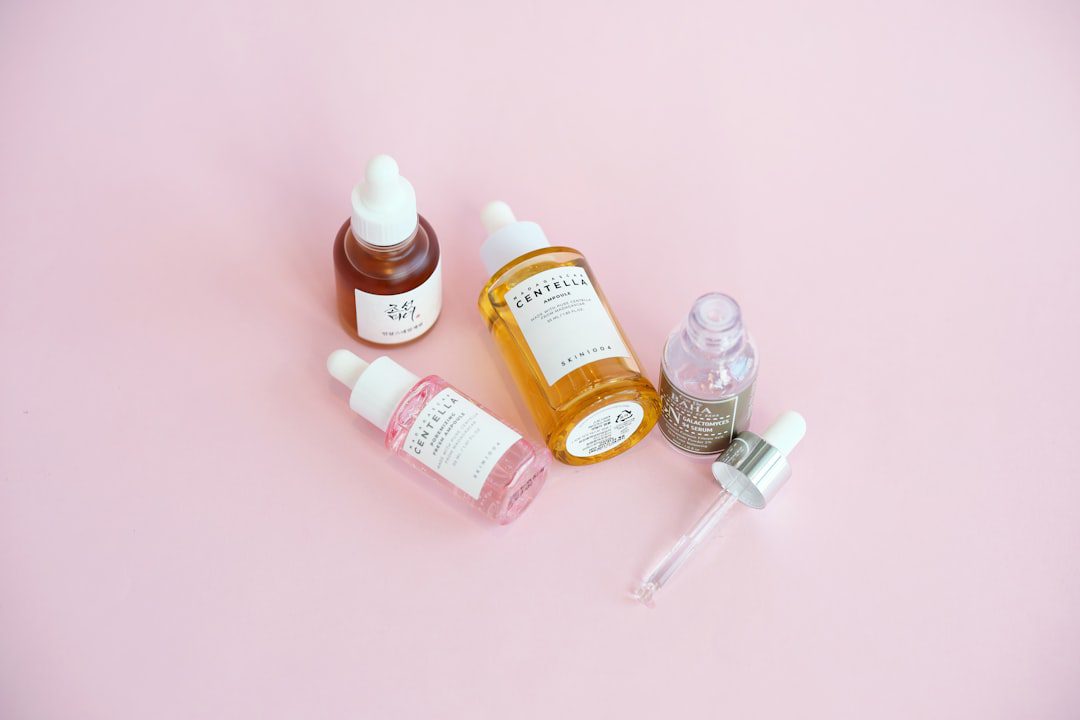
I remember the first time I watched my Korean neighbor go through her nighttime skincare routine—it was a thirty-minute ritual that seemed to involve more steps than I had fingers. “You’re washing your face twice?” I asked, genuinely puzzled. She looked at me like I’d suggested going outside without sunscreen, then handed me a bottle of essence and said, “You need education.”
That was 1989. Thirty-five years later, I’ve become something of a skincare convert, and I’ve watched the Korean skincare philosophy evolve from a quiet cultural practice into a global phenomenon. Tourists now come to Korea specifically to learn this routine, to buy the products, and to understand why Korean skin looks so luminous.
The truth? It’s not magic. It’s method. The famous Korean 10-step skincare routine is a systematic approach to skin health that’s been refined over centuries and perfected by the modern beauty industry. Whether you’re visiting Seoul for two weeks or staying longer, understanding these steps will transform not just your skin, but your entire approach to skincare. Here’s everything you need to know.
Why Koreans Are Obsessed With Skincare
Before we dive into the 10 steps, you need to understand the philosophy behind them. Korean skincare isn’t about looking good for one night—it’s about building healthy skin from the foundation up. Prevention is the goal, correction is secondary.
This approach comes from centuries of Korean traditional medicine, which emphasizes balance and prevention. But it’s also practical: Korea’s climate is harsh—the pollution from neighboring industrial zones, the intense humidity of summer, and the drying winds of winter all take a toll on skin. Over time, Koreans developed this comprehensive routine to combat environmental stressors.
You’ll also notice that Koreans start skincare routines young—often in their teens. A Korean teenager will spend more time on their skin than many Western adults spend on their entire grooming routine. This cultural investment has created a massive beauty industry and a population with remarkably clear, luminous skin.
Ted’s tip: Don’t feel pressured to do all 10 steps immediately. Koreans often build their routine gradually, adding products over months or years. Start with 3-4 steps and add from there.
Step 1: Oil Cleanser (First Cleanse)
Why Oil Cleanses Oil
The Korean skincare routine begins with something that sounds counterintuitive to Westerners: washing your face with oil. This is called the “first cleanse” or “oil cleanse,” and it’s foundational to the entire routine.
The principle is simple: oil dissolves oil. Your skin produces sebum (natural oil) throughout the day, and makeup, sunscreen, and environmental pollutants mix with this sebum to form a layer on your skin. An oil cleanser breaks this down without stripping your skin of its natural protective barrier—something harsh cleansers do.
When you massage an oil cleanser onto dry skin for about 30-60 seconds, it breaks down makeup and sebum. Then you add water, and the formula emulsifies (becomes milky), allowing you to rinse it all away. This is called “cleansing balm” or “cleansing oil” depending on the consistency.
Popular Oil Cleansers in Korea
| Product | Price (₩) | Where to Buy | Best For |
|---|---|---|---|
| Banila Co Clean It Zero | ₩16,000-22,000 | Olive Young, Yeogi Yeogi | Sensitive skin, balm texture |
| Heimish All Cleanse Black | ₩18,000-24,000 | Olive Young, Amore Pacific | Deep cleansing, heavy makeup |
| DHC Deep Cleansing Oil | ₩12,000-16,000 | Olive Young, convenience stores | Budget-friendly, liquid oil |
| Amorepacific Treatment Cleansing Oil | ₩42,000-48,000 | Amorepacific flagship stores | Luxury, premium ingredients |
| Purito Deep Sea Pure Water Cleansing Oil | ₩14,000-18,000 | Olive Young, Amazon Korea | K-beauty, clean beauty |
Ted’s tip: If you’re visiting Seoul, head to Olive Young (올리브영) in Myeongdong or any subway station. They have the largest selection of oil cleansers and staff who speak English. Prices in Myeongdong are the same as elsewhere in Korea—no tourist markup.
Step 2: Water-Based Cleanser (Second Cleanse)
The Double Cleanse Method
After the oil cleanser, you use a water-based cleanser. This is called the “second cleanse,” and together, the two-step process is known as “double cleansing.” This might seem excessive, but it’s actually ingenious.
The water-based cleanser removes any remaining oil residue, water-soluble impurities, and the emulsified cleanser itself. It also adjusts your skin’s pH after the oil cleanser. You’re not stripping your skin—you’re thoroughly cleansing it in two phases.
The second cleanser is typically a foam cleanser, gel cleanser, or cream cleanser. Koreans generally prefer foaming cleansers because they feel refreshing and are less likely to leave residue on oily skin types.
Top Water-Based Cleansers
| Product | Price (₩) | Type | Best For |
|---|---|---|---|
| COSRX Low-pH Good Morning Gel Cleanser | ₩8,000-11,000 | Gel | Sensitive, acne-prone skin |
| Innisfree Blueberry Rebalancing 5.5 Cleanser | ₩8,000-10,000 | Gel | Sensitive skin, pH-balanced |
| Aestura A-Cica 365 Cream Cleanser | ₩10,000-12,000 | Cream | Dry, irritated skin |
| Sulwhasoo Gentle Cleansing Foam | ₩35,000-42,000 | Foam | All skin types, luxury |
| Purito Deep Sea Pure Water Foam Cleanser | ₩10,000-12,000 | Foam | Oily skin, clean beauty |
Ted’s tip: Use lukewarm water, not hot. Hot water opens pores but can irritate skin and strip natural oils. Warm water is the sweet spot for Korean skincare.
Step 3: Exfoliant (2-3 Times Per Week)
Chemical Exfoliation Over Physical
Here’s where Korean skincare diverges from traditional Western routines. While Western beauty culture often emphasizes physical exfoliants (scrubs), Korean skincare prefers chemical exfoliants. These use gentle acids like AHA (alpha hydroxy acids) and BHA (beta hydroxy acids) to dissolve dead skin cells.
Chemical exfoliants are less harsh than physical scrubs and work more effectively. You use them 2-3 times per week, not daily. They improve skin texture, reduce blackheads, and help other products penetrate deeper.
BHAs (salicylic acid) are oil-soluble and good for oily, acne-prone skin. AHAs (glycolic acid, lactic acid) are water-soluble and better for dry skin. Koreans often use both in rotation depending on their skin’s needs that week.
Best Chemical Exfoliants
| Product | Price (₩) | Type | Frequency |
|---|---|---|---|
| Cosrx BHA Blackhead Power Liquid | ₩8,000-10,000 | BHA (Salicylic) | 3x/week |
| Purito Deep Sea Pure Water Toner Plus | ₩12,000-16,000 | AHA + BHA | 2-3x/week |
| Isntree 8% AHA Toning Essence | ₩9,000-12,000 | AHA (Lactic) | 3-4x/week |
| COSRX AHA/BHA Clarifying Treatment Toner | ₩10,000-13,000 | Combination | 2-3x/week |
Ted’s tip: Never use chemical exfoliants more than 3-4 times per week. Over-exfoliating damages your skin barrier. Koreans are patient—they build results slowly and sustainably.
Step 4: Toner (Essence Toner)
Not Like Western Astringents
Korean toners are nothing like the alcohol-based astringents Westerners grew up with. Korean toners are actually hydrating essences that prep your skin for the products that follow. They boost hydration and help other ingredients penetrate deeper.
After cleansing, your skin is at its most receptive state. A toner fills that window by infusing hydration and beneficial ingredients. Some toners have mild actives like niacinamide or centella asiatica (cica), which soothe and strengthen skin.
This step is crucial to the Korean routine—it’s the bridge between cleansing and treatment. Think of it as priming your canvas before painting.
Essential Toners for Tourists
| Product | Price (₩) | Key Benefits | Skin Type |
|---|---|---|---|
| COSRX Hydrium Watery Toner Plus | ₩9,000-11,000 | Hydration, lightweight | Oily, combination |
| Isntree Hyaluronic Toner Plus | ₩10,000-13,000 | Deep hydration | All types |
| Purito Deep Sea Pure Water Toner | ₩12,000-16,000 | Hydration, clean beauty | Sensitive |
| Aestura A-Cica 365 Toner | ₩9,000-12,000 | Soothing, calming | Irritated, sensitive |
| Sulwhasoo Essential Balancing Water | ₩38,000-45,000 | Premium hydration | All types |
Ted’s tip: Apply toner with a cotton pad by gently patting (not rubbing) it onto your face. This massage motion increases circulation and helps absorption. Many Koreans use 2-3 layers of toner for extra hydration.
Step 5: Essence
Thicker Than Toner, Lighter Than Serum
An essence is a product that sits between toner and serum. It’s more concentrated than toner but lighter than a serum. Essences were invented in Korea and remain a cornerstone of the skincare routine.
Essences are typically watery-textured but packed with active ingredients. They target specific concerns—brightening, firming, hydration—and prepare your skin for serums. Many Koreans use essences instead of serums if they have sensitive or oily skin.
In my 35 years here, I’ve watched essences evolve from niche Korean products to global phenomena. They’re now sold everywhere, but the Korean brands remain the best.
Top Essences Available in Korea
| Product | Price (₩) | Specialty | Best For |
|---|---|---|---|
| SK-II Facial Treatment Essence | ₩95,000-110,000 | Anti-aging, brightening | All types, luxury |
| Sulwhasoo First Care Activating Serum | ₩55,000-65,000 | Traditional Korean herbs | All types, premium |
| COSRX Advanced Snail 96 Mucin Power Essence | ₩9,000-12,000 | Hydration, repair | Dry, damaged skin |
| Purito Deep Sea Pure Water Essence | ₩14,000-18,000 | Hydration, clean | Sensitive skin |
| Isntree Hyaluronic Acid Toner Plus (Essence) | ₩10,000-13,000 | Hydration | All types |
Ted’s tip: Don’t skip essence thinking it’s redundant with toner. They serve different purposes. Toner hydrates and preps; essence delivers active ingredients. Using both creates a hydrated, nourished base for the rest of your routine.
Step 6: Serum or Ampoule (Active Treatment)
Concentrated Active Ingredients
Serums and ampoules are highly concentrated treatments targeting specific skin concerns. The difference is minimal: ampoules are slightly thicker and more potent, often used as 7-10 day intensive treatments. Serums are for daily use.
This is where you address specific concerns—acne, hyperpigmentation, fine lines, texture. Popular serums include Vitamin C for brightening, niacinamide for pore-tightening, and peptides for firming.
You typically use one serum or ampoule per routine. Koreans sometimes mix them, but that’s for advanced users. As a tourist, pick one product addressing your main concern and stick with it for at least 4 weeks to see results.
Best Serums & Ampoules
| Product | Price (₩) | Active Ingredient | Concern |
|---|---|---|---|
| Timeless Vitamin C Serum | ₩25,000-35,000 | Vitamin C | Brightening, dark spots |
| COSRX Hydrium Watery Toner Plus (Niacinamide) | ₩9,000-11,000 | Niacinamide | Pores, oiliness |
| Purito Deep Sea Pure Water Serum | ₩16,000-22,000 | Peptides, hyaluronic acid | Hydration, firming |
| Amorepacific Time Response Serum | ₩72,000-85,000 | Ginseng, time peptide | Anti-aging, luxury |
| Sulwhasoo Concentrated Ginseng Renewing Serum | ₩95,000-110,000 | Red ginseng | Anti-aging, firming |
Step 7: Sheet Mask (2-3 Times Per Week)
Korea’s Most Iconic Skincare Product
Sheet masks are synonymous with Korean beauty. Every pharmacy, convenience store, and airport in Korea has thousands of sheet masks. They’re affordable, convenient, and incredibly effective.
A sheet mask is a fabric or gel sheet soaked in serum. You apply it for 10-20 minutes, allowing the active ingredients to penetrate. Koreans use sheet masks 2-3 times per week as an intensive boost.
The principle is occlusion—the mask traps moisture and heat, forcing active ingredients deeper into the skin. When you remove the mask, your skin is plump, hydrated, and glowing. Use sheet masks on evening of exfoliation for maximum benefit.
Best Sheet Masks in Korea
| Product | Price Per Mask (₩) | Type | Where to Buy |
|---|---|---|---|
| Mediheal Advanced Night Repair | ₩2,000-3,000 | Fabric | Olive Young, convenience stores |
| Cosrx Hydrium Watery Toner Mask | ₩2,500-3,500 | Fabric | Olive Young, Amazon Korea |
| Amorepacific Intensive Wrinkle-Smoothing Mask | ₩8,000-10,000 | Fabric | Amorepacific stores |
| 3W Clinic Snail Mucus Mask | ₩1,500-2,000 | Fabric | Olive Young, GS25 |
| Purito Mask Sheet (Deep Sea Pure Water) | ₩3,000-4,000 | Fabric | Olive Young, online |
Ted’s tip: Bring sheet masks back to your hotel and use them in the evening after exfoliating. Apply them right after your essence, let them sit for 15-20 minutes while watching TV or reading, then gently remove and tap remaining serum into your skin. Don’t rinse.
Step 8: Eye Cream
The Delicate Eye Area Needs Special Care
The eye area is the thinnest, most delicate skin on your face. It shows aging first because it has fewer sebaceous glands and is constantly moving (blinking, squinting, expression). Eye cream is specifically formulated to address fine lines, dark circles, and puffiness.
Eye creams are richer and more potent than facial moisturizers. Apply gently with your ring finger (the weakest finger, so you don’t pull skin) in a patting motion around the orbital bone. Never tug or stretch the eye area.
Using eye cream in your 20s is preventative; in your 30s and beyond, it’s essential. Even if you’re young, using eye cream now means fewer issues later.
Top Eye Creams
| Product | Price (₩) | Key Benefit | Best For |
|---|---|---|---|
| COSRX Advanced Snail Eye Cream | ₩11,000-15,000 | Hydration, repair | All types |
| Purito Deep Sea Pure Water Eye Cream | ₩14,000-18,000 | Hydration, anti-aging | Dry, sensitive |
| Aestura A-Cica 365 Eye Cream | ₩12,000-16,000 | Soothing, hydration | Irritated skin |
| Sulwhasoo Concentrated Ginseng Eye Cream | ₩52,000-62,000 | Anti-aging, firming | Mature skin, luxury |
Step 9: Moisturizer
Lock Everything In
After all the hydrating serums and essences, you need a moisturizer to seal everything in and prevent transepidermal water loss (TEWL). A good moisturizer creates a protective barrier while maintaining hydration.
Korean moisturizers tend to be lighter than Western ones, even for dry skin. This reflects the climate—you want hydration without heaviness. Koreans use gel moisturizers for oily skin, cream moisturizers for dry skin, and often both depending on the season.
The key is matching your moisturizer to your skin type. Using the wrong one (too heavy for oily skin, too light for dry skin) undermines your entire routine.
Essential Moisturizers
| Product | Price (₩) | Type | Best For |
|---|---|---|---|
| Purito Deep Sea Pure Water Cream | ₩16,000-22,000 | Lightweight cream | Combination, sensitive |
| COSRX Hydrium Watery Toner Cream | ₩12,000-15,000 | Gel-cream | Oily, combination |
| Aestura A-Cica 365 Cream | ₩10,000-13,000 | Cream | Sensitive, irritated |
| Sulwhasoo Concentrated Ginseng Cream | ₩62,000-75,000 | Rich cream | Dry, mature skin |
| Innisfree Orchid Enriched Cream | ₩9,000-12,000 | Cream | All types |
Ted’s tip: Apply moisturizer to damp skin (after toner and serum but before fully dry). This helps lock in hydration from the previous steps. Pat gently until it’s fully absorbed—never tug.
Step 10: Sunscreen (Daytime Only, Non-Negotiable)
Korea’s Most Important Skincare Step
This is the step Koreans are most militant about. Every Korean, regardless of age or skin type, wears sunscreen daily. Not just at the beach—daily, year-round, indoors and outdoors. This is why so many Koreans have luminous, unblemished skin by their 40s and 50s.
UV damage causes 80% of visible aging. Sunscreen prevents wrinkles, dark spots, and skin cancer. It’s not optional in Korean skincare—it’s foundational. This single step is the difference between aging gracefully and accelerating damage.
Use at least SPF 30, but Koreans prefer SPF 50+. Reapply every 2-3 hours if you’re outside, or once in the morning if you’re mostly indoors.
For daytime, skip the night cream and just use your regular moisturizer, then sunscreen. At night, use all the steps above without sunscreen.
Top Korean Sunscreens
| Product | Price (₩) | Type | Best For |
|---|---|---|---|
| Amorepacific Sun Protection SPF 50+ PA++++ | ₩35,000-42,000 | Chemical/Physical blend | All types, luxury |
| Purito Deep Sea Pure Water Sun SPF 50+ | ₩14,000-18,000 | Lightweight, clean beauty | Combination, sensitive |
| COSRX Hydrium Watery Sun Lotion SPF 50+ | ₩10,000-13,000 | Watery texture | Oily, acne-prone |
| Isntree Hyaluronic Sunscreen SPF 50+ | ₩12,000-16,000 | Hydrating | Dry skin |
| Innisfree Daily UV Protection Cream SPF 50+ | ₩11,000-15,000 | Moisturizing cream | All types |
Ted’s tip: Sunscreen should be the last step in your daytime routine. Apply about ¼ teaspoon to your face (yes, that’s a lot—most people under-apply). Wait 15 minutes for it to set before applying makeup or going outside.
The Daytime vs. Nighttime Routines
Morning Routine (Simplified)
Your morning routine is shorter because skin regenerates and protects itself at night. In the morning, focus on gentle cleansing and protection:
Morning Steps (5-10 minutes):
1. Gentle water-based cleanser (or just rinse with water)
2. Toner
3. Essence (optional)
4. Eye cream
5. Lightweight moisturizer
6. Sunscreen (SPF 50+)
That’s it. Koreans keep mornings simple because they’re rushing to work. The intensive routine happens at night when your skin can fully absorb everything.
Nighttime Routine (Complete)
Evening Steps (20-30 minutes):
1. Oil cleanser (1-2 minutes of massage)
2. Water-based cleanser
3. Exfoliant (2-3x per week only)
4. Toner (1-2 layers)
5. Essence
6. Serum or ampoule
7. Sheet mask (2-3x per week, replaces steps 4-6)
8. Eye cream
9. Moisturizer or night cream
10. Optional: sleeping mask or facial oil
At night, you’re not in a rush. You have time to let each product absorb. This is when you use actives like exfoliants and treat your skin intensively.
Ted’s tip: Alternate exfoliants and sheet masks. For example: Monday (exfoliant + serum), Tuesday (rest), Wednesday (sheet mask), Thursday (rest), Friday (exfoliant + serum), Saturday (sheet mask), Sunday (rest). This prevents over-treating while maintaining results.
Where to Buy These Products in Seoul
Best Retailers for Tourists
Olive Young – The most tourist-friendly chain with English-speaking staff and multiple locations:
| Location | Subway Station | Hours | Speciality |
|---|---|---|---|
| Myeongdong (Main) | Myeongdong Station, Line 4 | 10 AM – 10 PM | Largest selection |
| Gangnam | Gangnam Station, Line 2 | 10 AM – 10 PM | High-end brands |
| Sinchon | Sinchon Station, Line 2 | 10 AM – 11 PM | Youth brands |
| Hongdae | Hongik University Station, Line 2 | 10 AM – 10 PM | Trending brands |
Olive Young prices are the same nationwide—no tourist markup. They offer a 5-10% discount if you pay with a Korean credit card (which tourists don’t have, but Chinese visitors often do). Staff speaks basic English and can help you find products.
Amorepacific Stores – Official stores for luxury Korean brands. Helpful staff, no English necessarily, but they understand skincare.
Convenience Stores – CU, GS25, Emart24. Every block in Seoul has one. These stock basic skincare (sheet masks, toners, essences) at good prices. Perfect for tourists buying supplies.
Yeogi Yeogi – Korean beauty subscription app/store. Popular with locals, sometimes has deals.
Ted’s tip: Ask Olive Young staff for recommendations in English. Say your skin type and main concern. They’ll direct you to products. Most staff in Myeongdong speak some English. If not, use Google Translate on your phone to describe your skin type.
Customizing the Routine for Your Skin Type
For Oily Skin
Modifications: Use gel and water-based products instead of creams. Skip heavy moisturizers and use lightweight gel creams. Use BHA exfoliants more frequently (3-4x per week). Choose sheet masks with mattifying ingredients like clay or green tea.
Example routine: Lightweight cleanser → Toner → Essence → Niacinamide serum → Gel moisturizer → SPF 50+ (matte finish).
For Dry Skin
Modifications: Use creamier cleansers and skip harsh exfoliants (1-2x per week only). Layer multiple hydrating products. Use richer moisturizers and night creams. Use cream or oil sheet masks more frequently.
Example routine: Milk cleanser → Toner (2-3 layers) → Essence → Hydrating serum → Eye cream → Rich cream → Sleeping mask (at night only).
For Sensitive Skin
Modifications: Skip exfoliants entirely or use very gentle AHAs (1-2x per week). Focus on barrier repair with centella asiatica (cica) products. Use hypoallergenic, fragrance-free products. Avoid essential oils and heavy actives.
Example routine: Gentle water cleanser → Soothing toner → Essence → Cica serum → Eye cream → Cica cream → Sunscreen.
For Acne-Prone Skin
Modifications: Use BHA (salicylic acid) exfoliants 3-4x per week. Use lightweight, non-comedogenic products. Incorporate calming ingredients like niacinamide and centella. Skip heavy oils and occlusives at night.
Example routine: Gentle foam cleanser → Toner → Essence → BHA serum or niacinamide essence → Lightweight gel moisturizer → SPF (matte).
Ted’s tip: Your skin type can change seasonally. In summer, even dry-skin Koreans switch to lighter products. In winter, oily-skin people add heavier moisturizers. Be flexible and adjust based on how your skin feels.
Budget-Friendly vs. Luxury Options
The Full Routine on a Budget
If you want to try the complete 10-step routine without spending a fortune, here’s a realistic budget breakdown:
Budget Routine (₩60,000-80,000 total):
– Oil cleanser: ₩12,000 (DHC)
– Water cleanser: ₩8,000 (COSRX)
– BHA exfoliant: ₩8,000 (COSRX)
– Toner: ₩9,000 (COSRX)
– Essence: ₩10,000 (Purito)
– Serum: ₩12,000 (Purito Vitamin C or similar)
– Sheet masks: ₩2,000 × 6 = ₩12,000
– Eye cream: ₩11,000 (COSRX)
– Moisturizer: ₩12,000 (Purito or Aestura)
– Sunscreen: ₩12,000 (COSRX)
Total: ~₩75,000 (~$56 USD) for a month’s supply. This is genuinely inexpensive for a complete routine.
The Luxury Routine
If you want to splurge on premium brands, here’s a luxury breakdown:
Luxury Routine (₩400,000-500,000 total):
– Oil cleanser: ₩42,000 (Amorepacific)
– Water cleanser: ₩35,000 (Sulwhasoo)
– Exfoliant: ₩28,000 (Sulwhasoo)
– Toner: ₩38,000 (Sulwhasoo)
– Essence: ₩55,000 (Sulwhasoo First Care)
– Serum: ₩95,000 (Sulwhasoo Ginseng Serum)
– Sheet masks: ₩8,000 × 6 = ₩48,000
– Eye cream: ₩52,000 (Sulwhasoo)
– Cream: ₩62,000 (Sulwhasoo)
– Sunscreen: ₩42,000 (Amorepacific)
Total: ~₩450,000 (~$340 USD) for a month’s supply using premium Korean heritage brands.
The truth? Mid-range products (₩8,000-16,000 per product) deliver 80% of the results of luxury products. Tourists should start with mid-range to see what works for them before investing in luxury brands.
Ted’s tip: Buy a small size first (most Korean brands sell travel sizes for ₩3,000-8,000). Use it for 2-3 weeks to see if your skin loves it before committing to a full size.
Common Mistakes Tourists Make
Mistake 1: Doing All 10 Steps Immediately
Your skin needs time to adjust. If you’re not used to a structured routine, jumping into 10 steps at night will overwhelm your skin barrier and cause irritation. Start with 4-5 steps: cleanser, toner, essence, moisturizer, sunscreen. Add a serum after two weeks, exfoliant after a month, sheet masks after six weeks.
Mistake 2: Not Waiting Between Products
Each product needs 30-60 seconds to absorb before applying the next one. If you layer everything instantly, products don’t penetrate and you waste money. Koreans wait patiently between steps. This is meditation, not rush hour.
Mistake 3: Using the Wrong Cleanser for Night
Some tourists use only a water-based cleanser at night, skipping the oil cleanser. This leaves makeup and sebum on your skin. Oil cleansers are essential for night cleansing. Use both.
Mistake 4: Forgetting Sunscreen
Many tourists think they only need sunscreen at the beach. But daily UV damage is cumulative. Use SPF 50+ every single day, even indoors and even when it’s cloudy. This is non-negotiable.
Mistake 5: Buying Products Based on Packaging
Pretty packaging doesn’t equal effective skincare. Buy based on ingredients and your skin concerns, not aesthetics. Use Cosdna.com to check ingredients before buying.
Ted’s tip: Ask Olive Young staff or use Google Translate to understand what each product does. Don’t assume from the name. “Essence” and “toner” sound similar but serve different purposes.
How Long to See Results
The Timeline
Week 1-2: Your skin will feel softer and more hydrated. No visible changes yet, but the foundation is set.
Week 3-4: Texture improves. If you’re using exfoliants, you might notice smoother skin. Slight brightening.
Week 5-8: Fine lines appear less pronounced. Dark spots fade slightly. Acne breakouts reduce (if you have acne-prone skin).
Week 9-12: Significant brightening and clarity. Pores appear smaller. Skin looks more luminous and even-toned.
3-6 months: Major transformation. Fine lines soften. Dark spots fade significantly. Skin tone is even and radiant. This is when people start asking you what skincare you’re using.
Ted’s tip: Take a photo of your skin before starting. After 4 weeks, compare. You’ll see changes you didn’t notice day-to-day. Skin changes are subtle and cumulative, but they’re real.
Bringing Products Home
Many tourists worry about bringing Korean skincare through customs. The good news: cosmetics and skincare are freely allowed. Liquid restrictions apply for carry-on (3.4 oz per item), but you can pack full-size bottles in checked luggage.
Recommended purchases to bring home: Sheet masks (cheap, lightweight), serums, essences, toners (all liquids but valuable). Skip heavy creams and oils for luggage space.
Online shipping: If you fall in love with products and want more, websites like YesStyle, Stylevana, and Yeogi Yeogi ship internationally. Prices are similar to Korea but with international shipping costs.
Ted’s tip: Don’t overload your suitcase with skincare. Buy one or two items you love, use them for a month at home, and if you’re still obsessed, order online. Most tourists overbuy and abandon products.
Frequently Asked Questions
Do I really need all 10 steps?
No. The 10-step routine is a maximum, not a requirement. Many Koreans use 5-6 steps and have beautiful skin. The key is consistency and quality products. Start with cleanse, tone, moisturize, sunscreen. Add steps gradually based on your skin’s needs and your patience level.
Can I use Western skincare brands instead?
Yes, but Korean brands are generally better for this routine because they’re formulated with lighter textures and more hydrating ingredients. Western brands often focus on treatment (serums, actives) rather than the hydration-first philosophy of Korean skincare. Mix and match if you want, but lead with Korean hydrating products.
Is Korean skincare expensive?
Not at all. Good Korean skincare ranges from ₩8,000-20,000 per product, which is 50-70% cheaper than equivalent Western luxury brands. You can do a complete routine for ₩70,000-100,000 monthly. Luxury Korean brands (Sulwhasoo, Amorepacific) are expensive, but mid-range options are affordable and effective.
Will my skin break out when I start the routine?
Possibly, but only initially. New products, especially actives like exfoliants, can cause a “purge” where your skin brings impurities to the surface. This is temporary (1-2 weeks). If breakouts persist beyond three weeks, the product isn’t right for you. Stop using it and try something gentler.
How long should I wait between applying each product?
At least 30-60 seconds. Some products (like essences) need slightly longer to absorb. If your skin feels sticky or wet, wait longer. Korean beauty is patient—rushing defeats the purpose. Each product needs to absorb to be effective.
Can men use this routine?
Absolutely. Korean men are just as obsessed with skincare as women. Men’s skin needs the same care—cleansing, hydration, protection. The routine doesn’t change. Gender is irrelevant to skincare science.
What if I only have time for a basic routine?
Do this: 1) Oil cleanser, 2) Water cleanser, 3) Toner, 4) Moisturizer, 5) Sunscreen (morning). That’s five minutes and addresses all basics. At night, skip sunscreen. Quality over quantity—this five-step routine beats inconsistently doing all 10 steps.
Where can I buy these products if I don’t visit Korea?
Korean skincare is globally available through YesStyle, Yesstyle, Stylevana, Sephora, Ulta, and Amazon. Prices are higher than Korea due to shipping and taxes, but availability is excellent. Most tourists order more once they’re home and discover they need refills.
Final Thoughts
After 35 years in Korea, the one thing I’ve learned is that skincare is a reflection of culture. Korean skin philosophy isn’t about quick fixes or miracle products. It’s about daily consistency, patience, prevention, and respect for the process. You don’t transform your skin overnight—you nurture it systematically, step by step, day by day.
The 10-step routine isn’t complicated; it’s methodical. It’s about understanding that your skin has different needs at different times and using different products to address them. It’s about sunscreen protection and gentle exfoliation. It’s about hydration from multiple layers and sealing it all in with a good moisturizer.
When you visit Korea, you’re not just getting skincare products—you’re adopting a philosophy. You’re learning that luminous, healthy skin isn’t genetic luck; it’s dedicated practice. You’re investing in yourself in a way that compounds over months and years. Your future self will thank you.
Start simple
Final Thoughts
Thanks for reading! I hope this guide helps you make the most of your time in Korea.
— Ted K
Image Credits: Photos sourced from Unsplash.