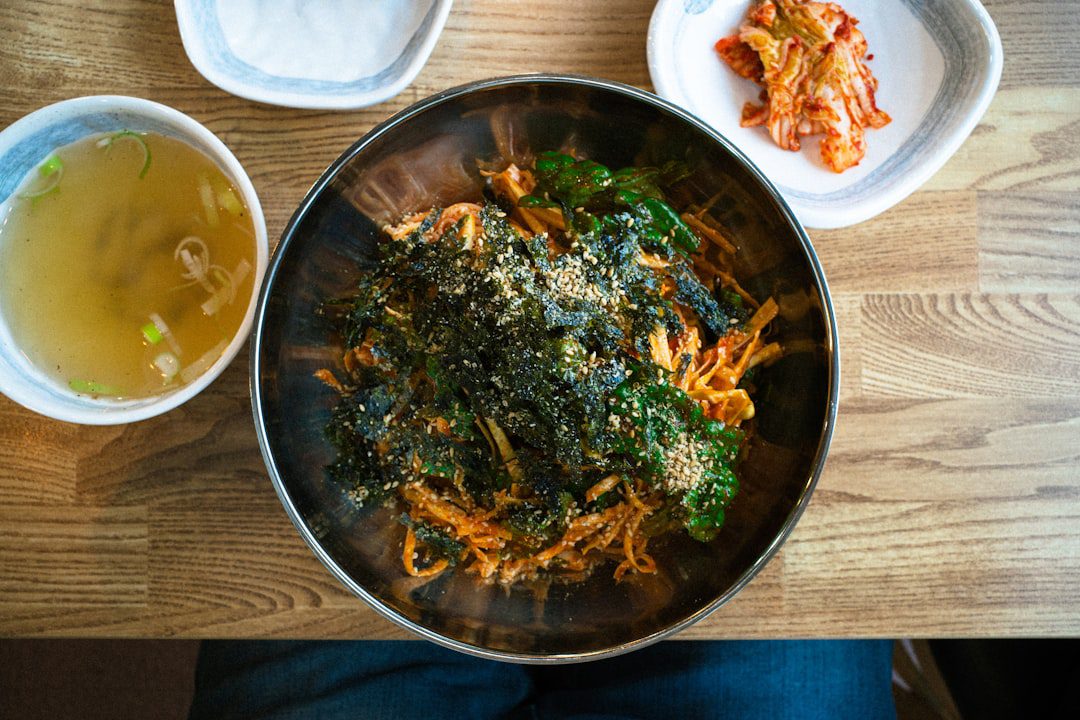
I’ll never forget my first temple meal in Korea. It was 1989, and I’d wandered into a small Buddhist temple outside Jeonju with a monk who invited me to lunch. What arrived on my table was unlike anything I’d eaten—dozens of small brass bowls (called bapsang) filled with vegetables prepared in ways I’d never imagined. No meat. No fish. No garlic or onion. Yet somehow, every bite tasted complex, grounded, and profoundly satisfying.
That meal changed how I understood Korean food entirely. Temple food—what Buddhists call sulyuksiksa (素食食事)—is far more than vegetarian convenience. It’s a 2,000-year-old culinary philosophy rooted in Buddhist principles of non-violence, mindfulness, and harmony with nature. After 35 years in Korea, I’ve eaten at dozens of temple restaurants, stayed at temple-run accommodations, and learned from monks about why this ancient cuisine matters more than ever.
If you’re visiting Korea and want to explore something beyond the typical Korean BBQ restaurants, temple food offers a window into Korean spirituality, health consciousness, and culinary sophistication. Here’s everything you need to know about experiencing Korean temple food authentically.
What Is Korean Temple Food? The Philosophy Behind the Kitchen
Korean temple food isn’t just vegetarian cooking—it’s an entire philosophy embedded in Buddhist practice. For monks and nuns in Korea, eating is a form of meditation. Every meal follows the tradition called baru geosa (taking meals mindfully), where food is prepared and consumed as an act of spiritual discipline.
The core principle is ohgunghae (오근 해)—the “five precepts” that exclude ingredients that cloud the mind or stimulate excessive desire. This means no meat, fish, shellfish, garlic, onions, scallions, chives, or alcohol. The reason? These ingredients are believed to increase passion, aggression, or sexual desire—states incompatible with meditative practice. What remains is an incredibly refined cuisine built from grains, vegetables, legumes, mushrooms, tofu, and sesame.
Ted’s tip: Many Korean temples practice strict vegetarianism, but some smaller rural temples may use fish sauce in small amounts for tradition. If you’re avoiding any animal products whatsoever, ask about ingredients when booking a temple meal.
What surprises most visitors is how flavorful and diverse temple food is. Korean temple chefs have spent centuries perfecting cooking techniques that create depth without the umami of meat or fish. They use fermented pastes, toasted grains, medicinal herbs, mushrooms (especially Korean beoseot—wild mushrooms), and sesame extensively. The result is sophisticated comfort food that feels both ancient and refreshingly modern.
The History: 2,000 Years of Buddhist Cooking in Korea
Buddhism arrived in Korea around 372 CE, and temple food developed as monks needed to sustain themselves without hunting or fishing. The earliest temple kitchens were simple—monks ate congee, fermented vegetables, and whatever could be foraged. But over centuries, Korean temple cooking became increasingly sophisticated.
The golden age was during the Joseon Dynasty (1392-1897), when Buddhism flourished before being suppressed for political reasons. Temple chefs developed elaborate formal meals with 12 or more dishes, each with medicinal properties aligned with traditional Korean medicine (한의학). These meals weren’t just spiritual practice—they were considered healing medicine.
After the Korean War (1950-1953), many temples were damaged or destroyed. The tradition nearly disappeared. But starting in the 1970s, there was a cultural revival. Korean Buddhists began teaching temple food as cultural heritage. Today, several temples run restaurants open to the public, and the Korean government recognizes temple food as 무형문화재 (intangible cultural heritage).
In 2009, UNESCO even featured Korean temple food in its documentation of intangible heritage. Young Korean chefs now study temple cooking at specialized academies, and it’s becoming trendy among health-conscious Koreans and international visitors alike.
Key Ingredients: What’s in the Temple Kitchen
The Staples You’ll Find Again and Again
If you eat temple food repeatedly, you’ll notice certain ingredients appear constantly. These aren’t just convenient—they’re chosen for both flavor and their significance in Buddhist culture.
| Ingredient | Korean Name | Why It Matters | Common Uses |
|---|---|---|---|
| Soy (bean paste/sauce) | 된장 / 간장 | Fermented protein; no animal products needed | Soups, dipping sauce, marinade |
| Sesame | 깨 | Oil, seeds, paste; rich umami substitute | Dressings, topping, sauce base |
| Mushrooms (wild) | 버섯 (표고, 송이, 등) | Deep umami; grown organically near temples | Stir-fries, soups, grilled dishes |
| Tofu | 두부 | Complete protein; staple for 1,500+ years | Grilled, fried, in soups and stews |
| Grains (barley, millet) | 보리 / 기장 | Mixed with rice; more nutritious than white rice | Rice base, porridge, flour |
| Legumes | 콩류 (검은콩, 팥) | Protein source; used in Korean medicine | Soups, side dishes, desserts |
| Medicinal herbs | 한약재 (인삼, 연근, 도라지) | Healing properties; valued in Korean medicine | Soups, steamed dishes, tea |
| Sesame leaves | 깻잎 | Aromatic; distinct Korean flavor | Wrapped side dish, seasoning |
What’s notable is what’s not here: no garlic, onions, or the pungent alliums that dominate most Korean cooking. This is the biggest adjustment for visitors. If you’re used to Korean restaurants, temple food will taste lighter and more delicate at first. But after one or two meals, you realize the chefs are simply using other techniques—toasting sesame seeds for depth, layering mushroom umami, using fermented sauces for complexity.
Classic Temple Dishes You’ll Encounter
The Seven Essential Temple Foods
When you visit a temple restaurant, certain dishes appear reliably. These aren’t random—they represent the core of Korean temple cuisine:
| Dish Name | Korean | What It Is | Flavor Profile |
|---|---|---|---|
| Temple Bibimbap | 정성 비빔밥 | Rice topped with 8-12 vegetables, tofu, mushrooms, and sesame sauce | Nutty, earthy, satisfying |
| Vegetable Namul | 나물 | Blanched greens dressed with sesame oil and salt | Clean, simple, elegant |
| Doenjang Jjigae (Buddhist version) | 된장 찌개 | Soybean paste stew with vegetables and tofu (no fish sauce) | Savory, warming, complex |
| Vegetable Gui (Grilled) | 구이 | Grilled tofu, mushrooms, eggplant with sesame salt | Smoky, charred, buttery |
| Kimchi (Buddhist) | 물김치 / 오이소박이 | No garlic version; often cucumber-based instead of cabbage | Tangy, light, refreshing |
| Vegetable Sinseollo | 채소 신선로 | Stacked layers of vegetables and tofu, steamed in broth | Delicate, aromatic, refined |
| Medicinal Rice | 약밥 (보리, 기장밥) | Mixed grain rice with dates, nuts, and sesame | Sweet, chewy, nourishing |
The temple bibimbap deserves special mention. It’s usually more complex than restaurant versions, with 10-15 different vegetable components, house-made tofu, and often a thick sesame sauce instead of the standard gochujang. The philosophy is balance—each component is distinct, but when mixed together with rice, they create harmony.
Ted’s tip: When ordering bibimbap at a temple restaurant, ask if they make their own tofu (손두부). Many temples have daily tofu production, and the difference between fresh temple tofu and store-bought is night and day—creamier, fresher, more delicate.
Seasonal Specialties
Temple food is deeply seasonal. Spring brings sanchae (산채)—wild mountain vegetables foraged near the temple. Summer emphasizes cooling dishes with cucumber and cold broths. Autumn brings persimmons, chestnuts, and root vegetables. Winter is all warming stews and medicinal preparations. This isn’t just tradition—it aligns with Korean medicine principles about what nourishes the body at different times of year.
Where to Eat Temple Food in Seoul & Beyond
Temple Restaurants (Sachal Sikdang)
The easiest way to experience temple food is at dedicated temple restaurants, which operate independently but follow the same principles as temple kitchens. These range from casual canteen-style spots to upscale fine dining establishments.
| Restaurant | Location | Subway | Price (Lunch) | Specialty |
|---|---|---|---|---|
| Balwoo Gongyang | Insadong, Seoul | Anguk (Line 3) | ₩25,000-45,000 | Fine dining temple food; Michelin-quality presentation |
| Sujebi Temple Food | Insadong, Seoul | Anguk (Line 3) | ₩12,000-18,000 | Budget-friendly; traditional bibimbap and stews |
| Mun Yeong Poonggyeong | Myeongdong, Seoul | Myeongdong (Line 4) | ₩15,000-22,000 | Casual dining; popular with Korean families |
| Mingles (temple-inspired) | Gangnam, Seoul | Gangnam (Line 2) | ₩80,000+ | Modern take on temple cuisine; haute cuisine |
| Jeonju Hanji Hanok (Jeonju) | Jeonju Hanok Village | Jeonju Station + 10 min walk | ₩18,000-25,000 | Temple food in traditional hanok; authentic atmosphere |
| Gayasan Buddhist Cuisine | Hapcheon (rural) | Gumi Station + taxi 30 min | ₩15,000-20,000 | Near famous temple; highly authentic |
My recommendation: For first-timers in Seoul, start at Sujebi (Insadong) or Mun Yeong Poonggyeong (Myeongdong) for accessible introduction at reasonable prices. If you want the refined experience, Balwoo Gongyang is world-class—they have a Michelin Bib Gourmand rating and their tasting menu is ₩45,000 (lunch) or ₩65,000 (dinner).
Temple Meals During Temple Stays
The most authentic way to experience temple food is to stay overnight at a temple. This is called templestay or yogi suksa (여기 숙사). You’ll wake at 4 AM for morning meditation, attend Buddhist teachings, eat three meals in the temple refectory, and participate in temple duties.
Meals during temple stays are different—they’re communal, eaten with other guests and monks, often in silence or with mindful eating instructions. You’ll receive a smaller portion than at restaurants, served in traditional bapsang (nested brass bowls). The food is even simpler than restaurant temple food, sometimes just rice, soup, and a few side dishes. It’s about the experience and the principle, not culinary elaboration.
| Temple Stay Program | Location | Cost (1 night) | Meals Included | Language |
|---|---|---|---|---|
| Templestay.com Official Program | Multiple temples nationwide | ₩60,000-100,000 | Dinner, breakfast (sometimes lunch) | English guides available |
| Bulguksa Temple (Gyeongju) | Gyeongju | ₩70,000 | Dinner, breakfast | English-friendly |
| Geumseonsa (Golden Seon Temple) | Pyeongchang (near ski resorts) | ₩80,000 | Dinner, breakfast, afternoon tea | English available |
| Hwagyesa Temple | Seoul (Jongno District) | ₩75,000 | Dinner, breakfast | English translator provided |
I strongly recommend booking through templestay.com, the official Korean Buddhist organization. They vet temples, provide English-speaking guides, and handle all logistics. Prices are transparent, and the experience is authentic without being overwhelming.
For more details on this experience, check out our guide to Korean temple stays, which covers the full experience from what to pack to what to expect during meditation and teachings.
The Insadong District Concentration
If you’re in Seoul for just a few days, Insadong (인사동) is your best bet for temple food. This historic district near Gyeongbokgung Palace has become the center of Buddhist-related dining and culture. Within walking distance, you’ll find Balwoo Gongyang, Sujebi, and several smaller temple food restaurants.
Walk around Insadong and you’ll notice the signage—look for characters 사찰음식 (sarchal eumsik = temple food). The neighborhood itself feels spiritual, with traditional hanok buildings, incense shops, and Buddhist art galleries. Explore it with our Insadong guide.
Ted’s tip: Most temple restaurants in Insadong close by 8 PM. Some don’t open until 11:30 AM. Lunch is busier but more reliable for walk-ins. For dinner, book ahead or expect to wait 45 minutes during peak season (autumn foliage time).
Buddhist Cooking Philosophy & Mindfulness
Beyond the ingredients and dishes, temple food embodies a cooking philosophy that’s increasingly relevant to modern life. Monks approach cooking as meditation—each knife stroke is deliberate, each flavor combination is purposeful.
This philosophy centers on three principles:
1. Non-violence (Ahimsa) — The avoidance of taking life, whether animal or plant. While vegetables are plants, the Buddhist view is that harvesting them (often at end of season) causes less suffering than killing animals. Organic, sustainable farming near temples reflects this value.
2. Mindfulness (Sati) — Every step of preparation is done with full attention. There’s no rushing. No multi-tasking. The cook is present with the food, understanding its origin and its purpose. This mindfulness transfers to the eater.
3. Generosity (Dana) — Temple food is fundamentally about offering. Meals are prepared with the intention of nourishing others’ bodies and spirits. This shift in mindset—cooking as service rather than transaction—changes how food tastes.
When you eat at a temple restaurant, you’re not just consuming nutrition. You’re participating in a 2,000-year-old tradition of mindful nourishment. Many visitors report feeling lighter, more energized, and mentally clearer after temple meals—whether that’s scientific or spiritual, the effect is real.
How to Order & Etiquette at Temple Restaurants
Reading the Menu
Temple restaurant menus vary widely. High-end places like Balwoo Gongyang have English menus. Casual spots in Insadong often have picture menus or bilingual signage. Rural temple restaurants might be Korean-only, so prepare with screenshots or bring a translation app.
Look for these menu categories:
| Korean Term | Meaning | Typical Price | What to Expect |
|---|---|---|---|
| 비빔밥 (비빔밥) | Temple Bibimbap | ₩10,000-18,000 | Rice + 8-12 vegetables + sesame sauce |
| 찬품 (찬품) | Set Meal (Bapsang) | ₩15,000-30,000 | Multiple small dishes, rice, soup |
| 정성 (정성) | Premium Set | ₩25,000-50,000 | More dishes, higher quality ingredients |
| 코스 (코스) | Tasting Course | ₩45,000-100,000 | Multi-course meal; fine dining |
Table Etiquette
Temple restaurants are more formal than typical Korean casual dining. Here’s what to know:
- Shoes: Most temple restaurants don’t require shoe removal, but if there are platform seating areas, you will. Many have hybrid table and floor seating.
- Eating pace: There’s no rush. Take your time. In actual temple refectories, monks eat slowly and mindfully. It’s not a race.
- Finishing food: Leaving food is fine. No pressure to finish everything (unlike some Korean dining culture). Quality over quantity.
- Silence: In actual temples, eating is silent meditation. Temple restaurants aren’t that strict, but they’re quieter than regular restaurants. Keep conversation low and respectful.
- Tipping: Not expected in Korea. Temple restaurants especially don’t expect tips—the food is offered as service, not a commercial transaction.
Ordering Tips for Non-Korean Speakers
Ted’s tip: Download the Papago or Google Translate app and have it ready. Photograph the menu if possible. Most temple restaurant staff are used to international visitors and will try to help. Point to pictures, use the app, and don’t stress—everyone is patient at temple restaurants.
Simple phrases that help:
- “Gganseul-i eobtneun geos joahaeyo” (간설이 없는 것 좋아해요) = “I prefer food without garlic/onion”
- “Chae-shik-man joahaeyo” (채식만 좋아해요) = “I eat only vegetables”
- “Ileul joahaeyo” (이걸 좋아해요) = “I like this” (while pointing)
Cooking Temple Food at Home: Recipes to Try
After experiencing temple food in Korea, many visitors want to recreate it at home. It’s more challenging than restaurant cooking (temple chefs train for years), but three dishes are achievable for home cooks:
Simple Temple Bibimbap (5 Vegetables)
Ingredients:
- 2 cups cooked rice
- 1 carrot, thinly sliced and blanched (3 min)
- 1 zucchini, sliced and lightly sautéed in sesame oil
- 2 cups spinach, blanched and squeezed dry
- 8 oz mushrooms (shiitake or oyster), sliced and sautéed
- 1 package firm tofu, cubed and pan-fried until edges are crispy
- 3 tbsp sesame oil
- 1 tbsp white sesame seeds
- 2 tbsp soy sauce
- Salt to taste
Sauce: Mix 3 tbsp sesame oil + 2 tbsp soy sauce + 1 tbsp sesame paste (or additional sesame oil) + 1 tsp sesame seeds.
Method: Arrange each vegetable and tofu separately on warm rice. Pour sauce over. Mix thoroughly before eating. The key is keeping each ingredient distinct until you mix them together—that’s the philosophy of temple food: unity through respect for individual elements.
Buddhist Soybean Stew (Doenjang Jjigae)
Ingredients:
- 4 cups vegetable or kelp broth
- 3 tbsp soybean paste (doenjang)
- 2 blocks tofu, cubed
- 1 zucchini, chopped
- 1 cup mushrooms, sliced
- 2 potatoes, cubed
- 2 dried shiitake mushrooms, soaked and sliced
- 1 tbsp sesame oil
- Salt to taste
Method: Bring broth to boil. Add potato and mushroom. Simmer 10 minutes. Dissolve soybean paste in broth slowly. Add tofu, zucchini. Simmer 5 more minutes. Finish with sesame oil. The difference from restaurant doenjang jjigae: no garlic, no fish sauce, just pure soybean flavor.
Sesame Spinach (Sigeumchi Namul)
Ingredients:
- 1 bunch fresh spinach
- 2 tbsp sesame oil
- 1 tbsp white sesame seeds
- ½ tsp salt
Method: Blanch spinach in boiling salted water for 2-3 minutes. Squeeze out all water. Mix with sesame oil, sesame seeds, salt. This is deceptively simple—it’s all about using the best ingredients and not over-complicating.
For more detailed vegetarian and temple food recipes, see our comprehensive guide to Korean vegetarian cuisine.
The Health Benefits: Temple Food & Korean Medicine
Korean Buddhists have long viewed food as medicine. Temple food aligns with traditional Korean medicine (한의학) principles about what nourishes the body at different seasons and life stages.
For example:
- Medicinal grains: Barley and millet are cooler/lighter than white rice, used when digestion needs support.
- Mushrooms: Shiitake and other wild fungi boost immunity and are used in Korean medicine to treat various conditions.
- Root vegetables: Lotus root, burdock, and daikon are valued for improving digestion and circulation.
- Legumes: Black beans and mung beans have cooling properties; red beans are warming.
- Sesame: Considered warming and good for dry conditions; used medicinally across Korean culture.
Modern nutrition science supports much of this—temple food is naturally high in fiber, plant-based protein, antioxidants, and minerals. Many nutritionists now recommend temple-style eating for digestive health and sustainability.
If you’re interested in Korean health and wellness practices, explore our 10-step skincare guide and our winter wellness tips for the holistic approach Koreans take to body and mind.
Temple Food Beyond Seoul: Regional Variations
Temple food differs across Korea’s regions, influenced by local ingredients and temple traditions:
Jeonju (전주) — The Food Capital Connection
Jeonju is already famous for food, and its temple restaurants are some of Korea’s best. The city’s vegetarian restaurants draw on centuries of temple culinary tradition. Try restaurants in the Hanok Village that serve temple food in traditional wooden buildings.
Gyeongju (경주) — Historic Temple Town
Home to Bulguksa and Seokguram temples (UNESCO World Heritage sites), Gyeongju has preserved authentic temple cooking for centuries. Temple restaurants here tend to be more conservative—simpler, more meditative. If you do a temple stay here, the food will be closer to what actual monks eat daily.
Mountain Temple Regions
Temples in Seoraksan, Jirisan, and other mountain areas emphasize foraged vegetables (sanchae). Spring temple meals in these regions feature mountain greens you won’t see in Seoul. If you’re hiking and encounter temple cafes near trailheads, stop in—they often serve simple but exceptional temple food.
Frequently Asked Questions
Is Temple Food Completely Vegan?
Mostly, yes. Buddhist precepts prohibit meat and fish entirely. However, some temple restaurants use eggs (especially in banchan/side dishes), honey, or dairy in modern interpretations. If you’re strictly vegan, ask specifically: “계란, 우유, 꿀 없어요?” (No eggs, milk, honey?). Most will accommodate.
Can I Do a Temple Stay if I’m Not Buddhist?
Absolutely. Temples welcome people of all faiths. You’re not required to convert or commit to Buddhism. You’ll participate in meditation and teachings, but these are presented as cultural and wellness practices, not religious conversion. Many atheists and agnostics do temple stays for the experience and the food.
How Far in Advance Do I Need to Book?
Temple restaurants walk-ins are fine, though expect waits during peak season (spring and autumn). For temple stays, book at least 2-4 weeks in advance through templestay.com. During Korean holidays (Chuseok, Lunar New Year), book even earlier. See our holiday calendar guide for dates.
What if I Have Allergies (Sesame, Soy, Nuts)?
Temple food uses sesame, soy, and nuts extensively as protein sources. If you have allergies, inform the restaurant or temple in advance. Sesame allergies are particularly challenging in temple food, so be clear about severity. English-speaking temples like Hwagyesa are better equipped to handle modifications.
Is Temple Food More Expensive Than Regular Korean Restaurants?
It varies. Budget temple restaurants (₩12,000-15,000) are cheaper than mid-range Korean restaurants. Fine dining temple food (Balwoo Gongyang) is pricier than typical Korean fare. If you’re on a tight budget, casual temple spots in Insadong offer excellent value.
What’s the Difference Between Temple Food and General Korean Vegetarian Food?
The key difference: temple food excludes garlic and onion (the Five Precepts), while Korean vegetarian restaurants often use these freely. Temple food is also prepared with meditation/mindfulness principles in mind—not just about avoiding meat. See our broader vegetarian guide for restaurant comparisons.
Can I Learn to Cook Temple Food in Korea?
Yes. Several temples and cooking schools offer temple food workshops for visitors. Balwoo Gongyang occasionally offers cooking classes (check their website). Some temples near Seoul include cooking in temple stay programs. Most require Korean language or pre-arranged translation, and cost ₩50,000-100,000 for a half-day class. Book through temple stay platforms or directly with temples.
What’s the Best Season to Experience Temple Food?
Autumn (September-November) is peak season—the weather is perfect for temple visits, and fall ingredients (chestnuts, persimmons, mushrooms) are at their best. Spring is also excellent for sanchae (wild mountain vegetables). Winter has warming, medicinal meals. Summer is lighter but less varied. For foliage-focused temple trips, see our autumn foliage guide.
Final Thoughts
After 35 years in Korea, I’ve eaten temple food hundreds of times—in formal restaurants, in temple refectories with monks, in tiny roadside cafes near temples. And every meal teaches me something new about simplicity, intention, and nourishment.
Temple food isn’t just a meal. It’s a philosophy made edible. It’s 2,000 years of monks asking, “What’s the minimum I need to thrive—and how can I prepare it with love?” In a world of complexity and excess, that question feels increasingly urgent.
Whether you do a full temple stay, eat at Balwoo Gongyang, or grab bibimbap at a casual spot in Insadong, you’re participating in something profound. You’re eating food prepared with the intention of nourishing not just your body, but your spirit. The flavors might surprise you—lighter, less pungent than typical Korean food. But stick with it. After two or three meals, your palate shifts. You start to taste the sesame, the mushroom depth, the care in every component. You realize that complexity doesn’t require garlic. That satisfaction doesn’t require meat.
This is the true gift of Korean temple food—not just nutrition, but a different way of thinking about what food can be.
— Ted K
Image Credits: Photos sourced from Unsplash. By using this site, you agree to our Privacy Policy and Disclaimer.