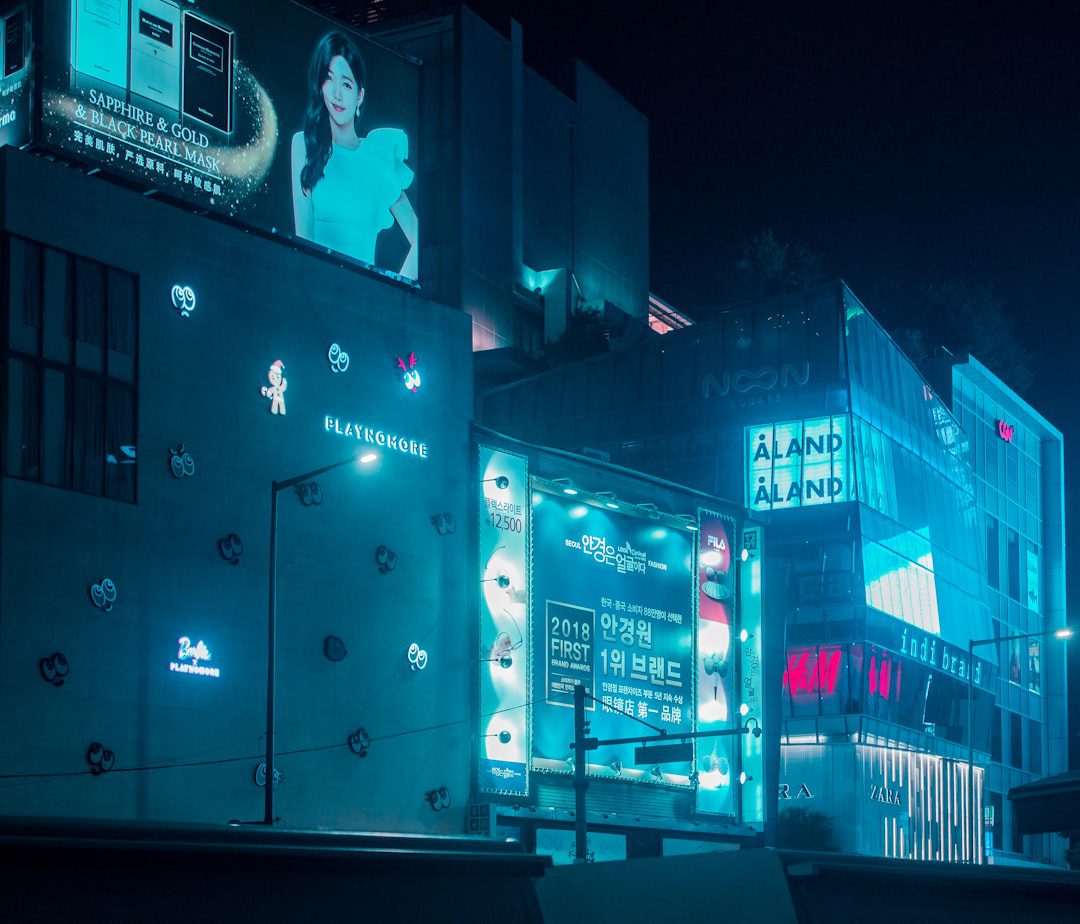
I’ll never forget the moment I walked into a K-pop merchandise store in Myeongdong for the first time back in 1998—there was maybe a single shelf of boy band posters and some grainy photocard packs. Now, 35 years into my time in Korea, I’ve watched Seoul transform into the absolute capital of K-pop merchandise shopping on the planet. The collections have exploded, the stores have multiplied, and the community around collecting has become genuinely impressive.
Whether you’re a casual K-pop fan grabbing your first album or a serious collector hunting rare photocards, Seoul has become your paradise. I’ve spent countless afternoons visiting these shops with friends, watching fans from around the world light up when they find that one missing card they’ve been searching for months. It’s become part of Seoul’s cultural fabric in a way I couldn’t have predicted.
Here’s everything you need to know about finding, buying, and understanding K-pop merchandise in Seoul—from the biggest retail chains to the hidden shops tucked away in quiet alleys.
Understanding K-Pop Merchandise: What You’re Actually Buying
Before you step into your first K-pop shop, it helps to understand what you’re looking at. The K-pop merchandise ecosystem is more organized and diverse than you might expect. Ted’s tip: Most casual visitors get overwhelmed because they don’t know the difference between official albums and fan-made goods. Let me break this down for you.
Official Albums & Versions
When a K-pop group releases a new album, it typically comes in multiple physical versions. BTS, BLACKPINK, Stray Kids, NewJeans—they all follow this pattern. Each version includes different photocards, different cover artwork, and sometimes different inclusions like posters or letter cards. A single album release might have 3-5 different versions, meaning serious collectors buy all of them.
An official album usually costs between ₩15,000 and ₩25,000 depending on the artist and edition. The “standard” version is cheaper (around ₩18,000), while limited editions can push toward ₩25,000. You’re getting a physical CD (yes, people still buy these), an album booklet, a photocard set, and sometimes other collectibles inside.
Ted’s tip: The photocard that comes randomly in each album is actually the draw for most collectors. You might get Card #1, #5, or #12 of a set—you won’t know until you open it. This is why collectors buy multiple copies of the same album. Some shops now sell sealed albums that are labeled with which photocard is inside, which removes the mystery but guarantees you get what you want.
Photocards: The Real Currency
Photocards are small, credit-card-sized photos of individual members. They’re printed on thick cardstock and have become the primary collectible for fans. A complete set might include 10-15 cards (one for each member), and collecting all of them is the goal. Individual photocards can sell for anywhere from ₩3,000 (common cards) to ₩50,000+ (rare versions or vintage cards from disbanded groups).
There are several categories of photocards: standard album inclusions, pre-order exclusive cards, concert merchandise cards, special edition cards, and limited printings. Ted’s tip: If you see two cards of the same image that look slightly different in color, one is likely an earlier pressing and will be more valuable to collectors.
Lightsticks & Fan Goods
Every active K-pop group has an official lightstick—the color-changing wand fans wave at concerts. These are manufactured by specific companies (the most common is SM Entertainment’s in-house production), and they typically cost ₩35,000-₩50,000 new. They connect via Bluetooth to sync with the group’s music and often change colors during concerts. They’re expensive but incredibly popular with fans.
Beyond lightsticks, you’ll find t-shirts, hoodies, bags, keychains, posters, stickers, and countless other branded items. Most of these are official merchandise sold through the group’s official channels, though you’ll find surplus stock in retail shops.
The Big Players: Major K-Pop Merchandise Chains in Seoul
If you want the full range and competitive prices, the major retail chains are your best bet. These are the places where merchandise is organized, staff can help you navigate, and you’ll definitely find what you’re looking for—or at least a good substitute.
Yes24 & Kyobo Book Center
Yes24 is Korea’s largest bookstore chain, but they’re also major K-pop merchandise retailers. The flagship Yes24 store in Gangnam (Line 2, Gangnam Station, Exit 5 area) has an entire floor dedicated to K-pop. You’ll find new album releases, photocard packs, lightsticks, and fan goods. The selection is enormous—I’m talking thousands of items—and they organize by artist, so finding your group is straightforward.
Kyobo Book Center, their competitor, has similarly massive K-pop sections. The Gangnam location (Line 2, Gangnam Station, walking distance from Yes24) is particularly impressive. Both stores update their inventory constantly because Korean collectors are serious about having the latest releases on day one.
Ted’s tip: Both stores price their merchandise at manufacturer’s recommended retail price (MSRP), so you won’t get deals here. However, they often run promotions for new releases—buy two albums, get a free poster or discount on lightsticks. Check their websites or ask staff about current promotions.
| Store | Location | Subway | Inventory Size |
|---|---|---|---|
| Yes24 Gangnam Flagship | Gangnam-gu | Line 2, Gangnam | 5,000+ items |
| Kyobo Book Center Gangnam | Gangnam-gu | Line 2, Gangnam | 4,500+ items |
| Yes24 Myeongdong | Jung-gu | Line 4, Myeongdong | 3,000+ items |
| Kyobo Book Center Jongno | Jongno-gu | Line 5, Jongno 3-ga | 2,500+ items |
Aladin (Online & Physical Stores)
Aladin is Korea’s second-largest bookstore after Yes24. They’ve got several physical locations but are more known for their online platform. Their Jongno location (Line 5, Jongno 3-ga Station) has a decent K-pop section. Aladin is particularly good for finding older releases and out-of-print albums at reasonable prices. Their staff tend to be knowledgeable, and I’ve gotten recommendations here that have surprised me.
SM Entertainment & JYP Entertainment Official Stores
SM Entertainment (Line 2, Gangnam Station area) and JYP Entertainment (Line 2, Gangnam Station area) both have official goods stores. These stores exclusively sell merchandise from their roster artists: SM has EXO, Red Velvet, NCT, aespa; JYP has TWICE, Stray Kids, GOT7, ITZY. The benefit is authenticity—everything here is 100% official—and you sometimes find exclusive items not sold elsewhere.
Ted’s tip: These stores can be quieter than the big retail chains, which means staff have more time to help you. If you’re looking for something specific from an SM or JYP artist, it’s worth checking their official store first.
Myeongdong: The Epicenter of K-Pop Shopping
I’ve walked Myeongdong’s streets more times than I can count, and it’s transformed dramatically over the years. What was once purely a tourist shopping district has become genuinely essential for K-pop fans. The entire neighborhood has K-pop energy now.
Why Myeongdong Dominates
Myeongdong is where you’ll find the highest concentration of K-pop merchandise shops in one small area. It’s walkable, accessible (Line 4, Myeongdong Station), and packed with fans from around the world. Most shops are within a 10-minute walk of the station, and they’re all competing on selection and customer service, which means better deals and better service than you’d find elsewhere.
The energy here on any given Saturday is incredible. You’ll see fans with measuring tapes checking photocard dimensions to ensure perfect fit in their binders. You’ll see collectors debating the merits of different album covers. It’s become this wonderful, weird ecosystem.
Specific Shops in Myeongdong
There are too many to list comprehensively—new ones open, others close or relocate—but here are the stalwarts that have been around long enough to prove they’re serious:
Photocard & Goods Paradise is the most direct name and describes exactly what’s inside: wall-to-wall photocards, binders, sleeves, and merchandise. They have organized sections for each major group and sub-units. Prices are competitive, and the selection of accessories (binders, card sleeves, stands) is unmatched. This is your one-stop for supplies if you’re serious about collecting.
Official Album Zone focuses on new releases and authentic merchandise. They’re a licensed distributor, which means they’re an official reseller for multiple entertainment companies. The staff understands what you’re looking for, and they’re not afraid to suggest alternatives if something’s out of stock.
Rare & Vintage Photocard Shops (several exist, with overlapping names) specialize in older material. If you’re collecting cards from groups that disbanded 5+ years ago, or looking for limited edition printings, these shops are worth exploring. Prices are significantly higher because inventory is genuinely limited. Ted’s tip: These shops sometimes require customers to wear gloves while handling vintage cards. Don’t take offense—it’s preservation, not rudeness.
Most Myeongdong shops are open from 11 AM to 11 PM daily (some until midnight on weekends). During promotional periods (album release weeks), many stay open even later.
| Shop Type | Best For | Price Range | Visit Duration |
|---|---|---|---|
| Photocard Paradise | Large selection, accessories | Mid-range | 60-90 min |
| Official Album Zone | New releases, reliability | MSRP | 30-45 min |
| Vintage Card Shops | Rare, older material | High | 45-120 min |
| General Goods Shops | T-shirts, posters, accessories | Mid-range | 20-30 min |
Gangnam & Around Gangnam Station: The Premium Shopping District
If Myeongdong is the democratic option, Gangnam is the premium option. Line 2, Gangnam Station is surrounded by high-end retail space, and that’s reflected in how K-pop merchandise shops operate here. They’re bigger, more organized, and more expensive than their Myeongdong counterparts.
The Gangnam Advantage
The advantage of shopping in Gangnam is infrastructure. The Yes24 and Kyobo flagship stores I mentioned earlier are here. There are at least 8-10 dedicated K-pop shops within walking distance of the station. The subway system is efficient and connects directly. Gangnam is where Korean collectors themselves shop, particularly collectors with higher budgets who don’t mind paying MSRP or premium prices for convenience and selection.
The disadvantage is price. You’ll pay full retail here almost everywhere. If you’re budget-conscious, Myeongdong is smarter. But if you want organized, reliable, comprehensive shopping, Gangnam delivers.
Navigation & Timing
Exit Gangnam Station from the central exits (not the peripheral ones) and you’re immediately in the retail zone. Look for the high-rise shopping buildings with Korean signage. Most K-pop shops are on the first few floors of these buildings. Saturday afternoons get crowded—if you prefer browsing without crowds, weekday mornings (10 AM-12 PM) are ideal.
Ted’s tip: Gangnam shops often have more of the “fan goods” category—concert merchandise, official branded items, lightsticks, and high-end collectibles. If you want a new ₩40,000 lightstick or official concert merchandise, this is your destination.
Hongdae & Hongik University Area: For the Alternative Collector
If you want something different from the mainstream K-pop shopping experience, Hongdae (Line 2, Hongik University Station) offers a cooler, more curated alternative. This is where you’ll find independent shops, fan-run stores, and niche merchandise that the big chains don’t carry.
The Hongdae Difference
Hongdae has become a hub for indie creators and niche shops over the past decade. You’ll find fan-made merchandise, independent photocard photographers, and smaller shops run by collectors themselves. The atmosphere is completely different—less corporate, more community-driven. Ted’s tip: Many Hongdae shops are owner-operated by serious fans who genuinely love their inventory. They often have stories about the cards they’re selling and recommendations based on what you’re collecting.
Shop hours are less predictable here (some don’t open until 1 PM, others close by 9 PM). It’s worth checking Instagram or Korean Naver blogs for specific shop locations and hours before visiting.
What You’ll Find Here
Expect more exclusive items: photocards from overseas fan sites, vintage material, small-print collections, and merchandise from less mainstream groups. Prices can be higher or lower depending on the shop—less standardization means you need to shop around. This is a destination for collectors hunting for something specific rather than casual browsers.
Online Shopping: Ordering Like a Korean Collector
Not all your K-pop shopping needs to happen in physical stores. In fact, most Korean collectors use online platforms strategically. Here’s what you need to know about the major platforms.
Yes24 & Aladin Online
Yes24.com and Aladin.co.kr are Korea’s major online retailers. They ship within Korea cheaply (₩2,500-₩5,000 for most orders), and both have apps for mobile shopping. The selection is comprehensive, prices are competitive, and they often have “pre-order bonuses”—extra photocards or gifts when you pre-order new releases.
Ted’s tip: If you’re staying in Seoul for more than a few days, ordering online to your hotel or an accommodation address makes sense. Most hotels will accept packages, and it’s faster than shopping in person for finding rare items. Use a translation app on your phone to navigate the Korean interfaces.
Naver Store & Coupang
Naver Store (via Naver.com) and Coupang (Coupang.com) are Korea’s e-commerce giants. Both have K-pop sections with competitive pricing and fast delivery (Coupang offers same-day delivery in Seoul). Naver Store sometimes has seller reviews from other collectors, which helps you identify reputable vendors.
Interpark (Concert-Related Merchandise)
Interpark is Korea’s major concert ticket platform, but they also sell official concert merchandise. If you’re attending a K-pop concert in Seoul, Interpark is where to buy official light sticks and merchandise bundles, often with presale pricing advantages.
| Platform | Best For | Shipping (Seoul) | Pricing |
|---|---|---|---|
| Yes24.com | New releases, variety | ₩2,500-5,000, 1-2 days | Competitive |
| Aladin.co.kr | Used, older releases | ₩3,000-5,000, 1-2 days | Mid-range |
| Coupang.com | Speed, convenience | Free same-day, next-day | Premium |
| Naver Store | Used items, sellers | ₩2,500-10,000 varies | Variable |
| Interpark.com | Concert merchandise | ₩3,000-5,000, varies | Competitive |
Insider Tips: Shopping Like a Seoul Veteran
After three and a half decades here, I’ve learned some strategies that make K-pop shopping smarter and more rewarding. These aren’t secrets—locals use these tactics constantly—but tourists often miss them.
Timing: Release Weeks vs. Quiet Weeks
When a major artist releases a new album (usually Tuesday afternoons in Korea), merchandise shops experience absolute chaos. Lines form outside on release day. Prices don’t change, but selection gets depleted fast. If you’re flexible on timing, visit 3-4 days after a major release when things settle but inventory is still fresh. Ted’s tip: Check Korean K-pop fan forums or Twitter to see what’s dropping this week. Plan your shopping around quiet weeks if possible.
Negotiation & Bundling
In big-box retailers like Yes24 and Kyobo, prices are fixed. But in smaller Myeongdong shops and vintage shops, there’s sometimes room to negotiate, particularly if you’re buying in volume. If you’re purchasing 5+ albums or bundles of photocards, it’s worth asking: “혹시 할인 안 되나요?” (Hok-si hal-in an dwae-na-yo? — “Is there any chance of a discount?”). About 40% of the time, you’ll get 5-10% off.
Fake & Reproduction Detection
The counterfeit merchandise market exists in Korea like everywhere. You’re unlikely to encounter it in Yes24 or Kyobo, but in smaller shops or online markets, it can happen. Here’s what to watch for: photocard stock quality (official cards are smooth, glossy, and thick; counterfeits are often thin or matte), printing precision (look at the text—any blurriness is a red flag), and hologram authenticity (many official cards have holograms; they should be reflective and precise).
Ted’s tip: If a price seems too good to be true, it probably is. A vintage photocard from a disbanded group shouldn’t cost ₩5,000 if market rate is ₩25,000. Ask the seller directly about authenticity, and if they become evasive, move on.
Language Hacks
Most shop staff speak minimal English. Here are the essential phrases for K-pop shopping:
“____는 있어요?” (is there ____?) — Fill the blank with the artist name and card number. Example: “뉴진스 민지 #3는 있어요?” (NewJeans Minji Card #3?)
“최신 앨범 있어요?” (Do you have the latest album?) — Staff will immediately know what you’re asking.
“번들 할인 있어요?” (Is there a bundle discount?) — Worth asking when buying multiple items.
“이건 정품 맞아요?” (Is this authentic?) — Confirm authenticity on expensive vintage items.
Storage & Transportation
Photocards are small but fragile. If you’re buying more than a few, get yourself a protective sleeve or binder immediately—shops sell these for ₩2,000-₩10,000. Albums are sturdy but take up space. If you’re traveling and worried about luggage, remember that most of what you buy can be shipped internationally using services like Korea Post (available at any post office). It’s 2-3 times cheaper than checking baggage for the same weight.
Connecting with the K-Pop Community While Shopping
K-pop fans in Seoul form a genuine community. You’re not just shopping; you’re potentially entering a social network. This is one of the special things about merchandise shopping here that you can’t replicate online.
Fan Cafes & Discord Communities
Most K-pop groups have official fan cafes on Naver Cafe. These are essentially forums where Korean fans discuss which shops have rare items, organize group purchases, and trade cards. If you join (they’re usually free), you can ask for help finding specific merchandise. English-speaking fans sometimes participate, and the community is generally welcoming to international visitors.
Discord servers for specific artists often have channels dedicated to Korean merchandise and shopping. These are goldmines for recommendations and real-time inventory updates.
In-Store Interactions
I’ve made genuine friends over the years by chatting with other collectors in shops. If you see someone from your country of origin, don’t be shy about asking for recommendations or chatting about collecting. The K-pop community is inherently social—that’s part of the culture—and people are generally happy to help fellow fans, regardless of language barriers.
Buying as a Tourist Gift
Many international visitors buy K-pop merchandise as gifts for friends back home. Ted’s tip: If you’re buying for someone who’s a fan of a specific group, ask shop staff which albums are most recent or collectible right now. They’ll give you recommendations that show you’ve done your homework. Combine it with something Korean like a skincare product or snack, and you’ve got a genuinely thoughtful gift set.
Price Guide & Budgeting for K-Pop Shopping
Let me give you realistic numbers so you can budget properly. Currency fluctuates, but these are baseline 2026 prices I’ve observed consistently.
| Item | Price Range (₩) | Typical Cost | Notes |
|---|---|---|---|
| Standard Album (1 version) | ₩15,000-25,000 | ₩18,000 | Includes 1 random photocard |
| Premium/Limited Album | ₩22,000-30,000 | ₩25,000 | Enhanced packaging |
| Individual Photocard (common) | ₩3,000-10,000 | ₩5,000 | Recent releases |
| Individual Photocard (rare/vintage) | ₩15,000-100,000+ | ₩40,000 | 3+ years old |
| Official Lightstick (new model) | ₩35,000-50,000 | ₩42,000 | Bluetooth enabled |
| T-shirt/Official Goods | ₩25,000-50,000 | ₩35,000 | Licensed merchandise |
| Poster (official) | ₩5,000-10,000 | ₩7,000 | Various sizes |
| Photocard Binder & Sleeves | ₩5,000-25,000 | ₩12,000 | Storage/display |
Sample Shopping Budgets:
For a casual fan: ₩50,000-100,000 (2-4 albums, maybe a lightstick)
For a dedicated collector: ₩200,000-500,000 (complete album set × multiple groups, bundle of photocards, official goods)
For a hardcore collector: ₩500,000+ (rare cards, multiple versions of each release, complete vintage collections)
Frequently Asked Questions
Where is the best place to buy K-pop merchandise as a tourist?
For first-time visitors, Yes24 or Kyobo in Gangnam offer the most comprehensive selection and reliable pricing. For the social shopping experience and best prices, Myeongdong is ideal. Most tourists find Myeongdong (Line 4, Myeongdong Station) more accessible and fun than Gangnam’s larger, more corporate stores.
Are K-pop albums and merchandise cheaper in Korea than elsewhere?
Yes, generally. Korean MSRP is lower than international pricing, and online retailers like Yes24 often have competitive deals. You’re looking at 10-30% savings compared to international retailers, depending on the item and current exchange rates. However, shipping from Korea internationally can offset these savings.
What’s the difference between a sealed album and an opened one?
Sealed albums are unopened and contain a random photocard. Opened or “unsealed” albums have had the photocard removed. Some sellers will tell you which photocard is inside a sealed album by visual inspection of the packaging. Opened albums are cheaper (₩8,000-₩12,000 vs. ₩18,000-₩25,000), but you don’t get the random card excitement or the original packaging.
Can I negotiate prices in K-pop shops?
In major retail chains (Yes24, Kyobo), no. Prices are fixed and clearly marked. In smaller independent shops, particularly in Myeongdong and Hongdae, there’s sometimes negotiating room, especially for bulk purchases. Always ask respectfully—the worst that happens is they say no. Ted’s tip: Buying from a smaller shop means your money directly supports individual collectors/store owners, so even full price is ethically sound.
Is it safe to buy vintage photocards from online sellers?
It can be risky. Use platforms with buyer protection (Naver Store, Coupang) rather than direct transactions. Check seller reviews carefully. If buying expensive vintage cards (₩50,000+), ask for detailed photos including the card’s reverse side and hologram. Payment through official platforms means you have recourse if the item is counterfeit or misrepresented.
What should I know about lightsticks before buying?
Official lightsticks are model-specific and only work with certain groups’ concerts. You need to know which exact model matches your favorite group. They use rechargeable batteries, connect via Bluetooth, and typically last 2-3 years before needing battery replacement. Buying from official retailers (SM Store, JYP, Yes24) guarantees authenticity and warranty support. Third-party lightsticks are cheaper but may not work at concerts.
Can I ship K-pop merchandise internationally from Seoul?
Yes. Korea Post offers international shipping starting at ₩15,000-₩20,000 for small packages. You can use services at any post office or through Korea Post’s website. Most shops can also arrange shipping if you ask, though they’ll charge a fee. DHL and FedEx are available but more expensive. For large orders, shipping cost is steep—sometimes more than the merchandise itself.
What’s the best day/time to shop for K-pop merchandise to avoid crowds?
Weekday mornings (Tuesday-Thursday, 10 AM-2 PM) are least crowded across all locations. Album release days (usually Tuesdays) see lines. Rainy days are unexpectedly quiet. Saturdays and Sundays in Myeongdong are extremely crowded. If you hate crowds, shop on a rainy Tuesday morning—you’ll have shops nearly to yourself.
Final Thoughts
K-pop merchandise shopping in Seoul has become something genuinely special. It’s not just commerce—it’s a way to connect with a global community that shares passion for Korean music and culture. The infrastructure that’s developed over the past 10-15 years is genuinely impressive, and the shopping experience reflects how seriously Korea takes this industry.
Whether you’re walking into a Myeongdong shop for the first time, hunting for that one missing photocard to complete your collection, or just curious about what drives millions of fans to invest in these physical items, there’s something here for you. I’ve watched this ecosystem grow from niche hobby to mainstream cultural phenomenon, and honestly, it’s been beautiful to witness.
My advice? Come with a budget you’re comfortable with, bring comfortable walking shoes (your feet will thank you), use translation apps when needed, and don’t be shy about asking staff for help. The K-pop community in Seoul is welcoming, and the shopping experience—the hunt, the discovery, the connection with other collectors—is genuinely rewarding in ways that online shopping just can’t replicate.
Happy collecting, and I hope you find exactly what you’re looking for.
— Ted K
Image Credits: Photos sourced from Unsplash. By using this site, you agree to our Privacy Policy and Disclaimer.