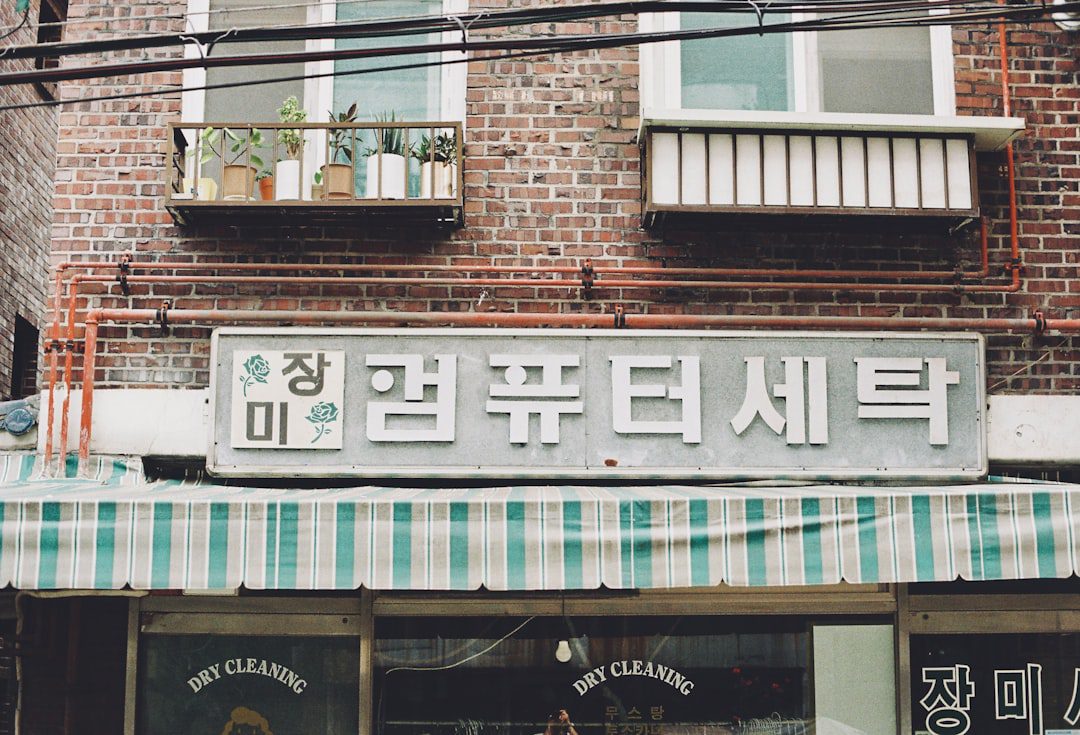
I’ll be honest: when I first moved to Hannam-dong in 1998, it was nothing like what you see today. Back then, it was a quiet hillside neighborhood where young Korean families mixed with a small expat community. You could rent a place for next to nothing, and the only restaurants were mom-and-pop joints serving kimchi jjigae to construction workers.
Fast forward 27 years, and Hannam-dong has transformed into one of Seoul’s most sophisticated enclaves—a place where contemporary art galleries sit between Michelin-starred restaurants, luxury boutiques line pristine streets, and multinational executives walk dogs that cost more than a studio apartment. It’s become what locals call Seoul’s answer to the Upper East Side.
If you’re an art enthusiast, a foodie seeking cutting-edge cuisine, or simply curious about where Seoul’s international community actually lives (spoiler: it’s not Itaewon anymore), Hannam-dong deserves a full day of exploration. Here’s your complete insider guide to navigating Seoul’s most exclusive neighborhood.
Geography & Getting There: The Yongsan Slope District
Hannam-dong occupies a distinctive hilltop location in Yongsan-gu, immediately east of Namsan Park and overlooking the Han River. It’s technically two neighborhoods—Hannam 1-dong and Hannam 2-dong—but locals treat them as one cohesive area. The geography matters because the neighborhood is built on steep slopes, which creates both charm and workout-inducing streets.
Ted’s tip: Wear comfortable shoes with good grip. This is not a flat neighborhood, and you’ll be climbing constantly. I’ve seen tourists in heels struggling on Hannam’s cobblestone streets—not a pleasant experience.
Subway Access & Transportation
| Station Name | Line | Exit | Distance to Core Hannam |
|---|---|---|---|
| Namsan Station | Line 3 | 2 | 10 minutes walk uphill |
| Ichon Station | Line 6 | 3, 4 | 8 minutes walk |
| Itaewon Station | Line 6 | 1, 2 | 15 minutes walk |
I recommend entering via Ichon Station (Line 6, Exit 3), which puts you at the base of Hannam-dong’s main commercial district. From there, you can walk uphill through the neighborhood’s core—the area around Dosim-ro and Itaewon-ro. Namsan Station works too, but you’re essentially going uphill from the park side.
Taxis and ride-sharing apps (Kakao Taxi, Naver Map) are worth considering if you’re tired, but honestly, getting slightly lost on Hannam’s winding streets is part of the experience. The neighborhood is compact—roughly 1.2 square kilometers—so you won’t get too far.
The Gallery Scene: Seoul’s Contemporary Art Hub
If you want to understand why international collectors and Korean art enthusiasts flock to Hannam-dong, visit the gallery district. Over the past 15 years, the neighborhood has become home to over 30 contemporary art galleries—a concentration that rivals Gangnam’s Cheongdam area. What makes Hannam unique is the atmosphere: galleries are often tucked into converted houses and small buildings, creating an intimate, European feel that’s rare in Seoul.
I’ve spent countless afternoons here admiring everything from hyperrealist oil paintings to installation art that makes you question what “art” even means. Most galleries don’t charge admission, and staff are generally welcoming to curious visitors (just remember: look, don’t touch).
Must-Visit Galleries
| Gallery Name | Specialty | Hours | Admission |
|---|---|---|---|
| Gallery Chosun | Contemporary paintings, sculpture | 10am–6pm (closed Mon) | Free |
| Gallery Hyundai | Modern & contemporary art | 10am–6pm (closed Mon) | Free |
| Kukje Gallery | Cutting-edge installations | 10am–6pm (closed Sun-Mon) | Free |
| Hakgojae Gallery | Traditional meets contemporary | 10am–6pm (closed Mon) | Free |
| Ssamzie Space | Experimental media & video | 10am–6pm (closed Mon) | Free |
Gallery Hyundai and Gallery Chosun are institutional heavyweights—they show serious, collectible work and often have pieces priced in the millions. Kukje Gallery specializes in edgy, thought-provoking installations that you’ll either love or find completely baffling (usually both). Hakgojae is my personal favorite because it bridges traditional Korean aesthetics with modern sensibilities. Their courtyard café is perfect for reflecting on what you’ve seen.
Pro tip: Many galleries close Mondays or Sundays, so check their websites before heading out. Google Maps listings are often outdated for Hannam galleries—call ahead if visiting obscure ones.
Art Fair Season
If you’re visiting in May or September, you might catch major art fairs like Seoul Frieze or KIAF (Korea International Art Fair). Hannam becomes epicenter for the art world during these periods. Tickets run ₩50,000–₩80,000, but it’s worth it to see galleries’ best work displayed in one place. The energy in Hannam during fair season is electric.
Upscale Dining: Where Seoul’s Food Elite Eat
Let me be direct: Hannam-dong is expensive. Dining here means budget roughly ₩150,000–₩400,000+ per person for dinner at serious restaurants. But what you get is access to some of Korea’s most innovative, carefully crafted cuisine—places where the chef personally sources ingredients and fine-tunes every detail.
This is where Korean fine dining has truly matured. These aren’t restaurants trying to copy French techniques; they’re Korean chefs interpreting Korean ingredients through contemporary global techniques. The difference is profound.
Michelin-Recognized Restaurants
| Restaurant | Cuisine Style | Avg. Price (per person) | Reservations |
|---|---|---|---|
| Mosu | Contemporary Korean | ₩200,000–₩250,000 | Essential (6+ weeks) |
| Mingles | Korean-Western fusion | ₩160,000–₩210,000 | Essential (4-6 weeks) |
| Joule | Modern Korean | ₩180,000–₩220,000 | Essential (3-4 weeks) |
| Jungsik | New Korean | ₩190,000–₩240,000 | Essential (6+ weeks) |
Ted’s tip: Reservations for these restaurants are genuinely booked 6-8 weeks in advance. Don’t wait until you arrive in Korea. Use Naver or Kakao Map to book—English-speaking staff can help. If you can’t get in, don’t be devastated; some of the best meals happen at smaller, less famous places.
Mosu is my top pick if you want the most authentic “Korean chef’s tasting menu” experience. Chef Paik Jong-won’s obsession with sourcing the perfect ingredient for each dish borders on obsessive—in the best way. One course featured a single, perfectly-grilled mackerel. That’s it. And it was transcendent.
Mingles feels more accessible (relatively speaking) and does beautiful work with both Korean and international techniques. The dessert course—usually featuring Korean ingredients like yuzu or persimmon—is always inventive.
Mid-Range Dining Worth Exploring
If five-star pricing makes you anxious, Hannam also has excellent restaurants in the ₩60,000–₩120,000 range:
| Restaurant | Type | Price Range | Best For |
|---|---|---|---|
| Onnuri Sikdang | Traditional Korean | ₩15,000–₩35,000 | Affordable, authentic meals |
| Cafe Commune | French bistro | ₩45,000–₩75,000 | Lunch, casual European |
| Maison de Jungsik (casual) | Korean sharing plates | ₩70,000–₩120,000 | Quality without the tasting menu |
| Gramercy Tavern Seoul | Modern American | ₩85,000–₩150,000 | Upscale but relaxed |
Honestly? My go-to affordable meal in Hannam is Onnuri Sikdang, a no-nonsense Korean restaurant where you’ll eat alongside construction workers, office workers, and locals who don’t care about Michelin stars. Their budae jjigae (spicy army stew) is ₩18,000 and genuinely delicious. It’s a perfect reality check after spending an afternoon at high-end galleries.
Shopping: Boutiques, Brands & Design Concept Stores
Hannam’s retail scene reflects its international character. You’ll find everything from Korean luxury designers to international boutiques, architectural concept stores, and independent clothing shops. The vibe is curated but not aggressively commercial—most stores are small, thoughtfully designed spaces where quality trumps quantity.
Notable Stores & Shopping Areas
| Store/Area | Type | What to Buy | Vibe |
|---|---|---|---|
| Rag & Bone | International fashion | Basics, denim, outerwear | Casual luxury |
| COS (Hannam Branch) | Modern minimalist | Clothing, accessories | Scandinavian-influenced |
| Korean design boutiques | Local designers | Contemporary Korean fashion | Artistic, limited pieces |
| D’Park & nearby | Lifestyle shopping mall | Fashion, home, café | Mid-range international brands |
Ted’s tip: Many small boutiques in Hannam are independently owned and have limited hours. If you see something you love, buy it immediately—chances you’ll find it again are slim. Photography is often prohibited in galleries and high-end boutiques, so respect those boundaries.
Dosim-ro, the main thoroughfare, is where you’ll find most accessible shopping. Walk up from the Ichon Station exit, and you’ll pass clothing stores, small restaurants, and design shops. The side streets branching off—particularly toward the Yongsan Family Park area—are quieter and more residential, with hidden gems around every corner.
Cafés & Coffee Culture: Where Expats Congregate
Hannam is arguably Seoul’s capital of third-wave coffee culture. You’ll find more specialty coffee shops per capita here than anywhere else in the city. This is partly because the expat community (American, British, Japanese, European professionals) has cultivated a strong café culture, and partly because Hannam’s upscale character attracts the kind of café owners who care obsessively about bean sourcing and pour-over technique.
I’ve watched Hannam’s café scene evolve from a handful of chains to a thriving ecosystem of single-origin coffee roasters, vintage furniture–filled spaces, and botanical-themed cafés. It’s genuinely impressive.
Standout Cafés
| Café Name | Specialty | Coffee Price | Atmosphere |
|---|---|---|---|
| Coffee Libre | Single-origin espresso | ₩7,000–₩9,000 | Minimalist, serious coffee |
| Cafe Botanical | Plant-filled, pastries | ₩6,500–₩8,500 | Instagram-worthy, calm |
| Hakgojae Café | Gallery café, contemporary | ₩8,000–₩10,000 | Artistic, gallery-adjacent |
| Hannam Craft | Artisanal coffee, pastries | ₩7,000–₩9,000 | Cozy, local roaster vibe |
| Espace | European-style café | ₩8,000–₩12,000 | Upscale, French influence |
Coffee Libre is where serious coffee people go—the kind of café where the owner will gladly explain why today’s Ethiopian Yirgacheffe was processed differently than yesterday’s. You sit at the counter, you listen, you appreciate. Café Botanical is the opposite vibe: lush plants, Instagram aesthetics, pastries that look as good as they taste. Both are excellent; they just serve different moods.
My personal favorite is Hakgojae Café, the courtyard café at Hakgojae Gallery. You can grab a coffee, sit among sculptures and paintings, and just… exist. It feels like Paris, but Korean. Few tourists know about it, and I like keeping it that way (don’t tell everyone I sent you).
The Expat Community: Why Hannam Became International
Understanding Hannam requires understanding its history as an expat neighborhood. Unlike Itaewon—which developed around a military base—Hannam became international for different reasons: it’s beautiful, central, close to the Han River, near parks, and has ample space for large houses. Starting in the 1990s, multinational companies (Samsung, LG, international banks) began placing their executives in Hannam. The trend snowballed.
Today, Hannam’s population includes significant communities from Japan, China, the United States, Australia, and Europe. This cosmopolitan character shapes everything: the restaurants (international cuisine is more integrated than in other Seoul neighborhoods), the schools (Hannam has multiple international schools), the shops (you can buy hard-to-find imported goods), and even the vibe (it’s less aggressively “Korean” in presentation, though deeply Korean in reality).
You’ll notice English signage is more common here than elsewhere in Seoul. This isn’t a problem for tourists—it actually makes navigation easier. You’ll also find that restaurant staff in upscale places are more likely to speak English fluently.
Ted’s tip: If you’re considering longer stays in Seoul, Hannam’s rental prices are steep (₩3–₩8 million monthly depending on apartment size), but the neighborhood offers a kind of international comfort that makes the expense worthwhile for some. The nearby schools, international supermarkets (Home Plus, Costco), and established expat networks make life easier.
Parks & Outdoor Spaces: Green Breathing Room
What sets Hannam apart from other Seoul luxury neighborhoods is proximity to nature. Namsan Park is literally at the neighborhood’s edge—you can walk from a high-end gallery directly into forest within minutes. The Han River park is also close by.
Key Parks & Outdoor Areas
| Park Name | Distance from Core Hannam | Best For | Key Features |
|---|---|---|---|
| Namsan Park | 5-10 min walk | Hiking, views, cherry blossoms | Forest trails, Namsan Tower views |
| Yongsan Family Park | 10-15 min walk | Picnics, kids, easy walking | Ponds, playgrounds, sculptures |
| Han River Park (Hangang Park) | 20 min walk/taxi | Cycling, riverside picnics | Bike paths, riverside cafés, views |
Namsan Park is genuinely beautiful year-round. Spring (April–May) brings cherry blossoms and hiking crowds. Autumn (September–October) is particularly stunning—golden foliage, comfortable temperatures, crystal-clear air. I often climb Namsan trails from the Hannam side because it’s less crowded than the main entrance. Park entry is free.
Yongsan Family Park is underrated. It’s got a small but genuine lake, sculptures, walking paths, and almost no tourists. It’s where local families actually go on weekends. Perfect if you want to see real neighborhood life rather than touristic Seoul.
Practical Information: Hours, Prices & Planning Your Visit
Here’s what you need to know before heading to Hannam:
Best Times to Visit
| Season | Weather | Crowds | Why Visit |
|---|---|---|---|
| Spring (Apr-May) | 15–22°C, sunny | Moderate | Cherry blossoms, perfect weather |
| Summer (Jun-Aug) | 25–32°C, humid | Low | Fewer tourists, café-hopping |
| Autumn (Sep-Oct) | 12–24°C, crisp | Moderate | Best weather, foliage in parks |
| Winter (Nov-Feb) | -5–5°C, dry | Low | Cozy cafés, fewer crowds |
I recommend autumn (mid-September through October). The weather is genuinely perfect—cool enough that uphill walks don’t make you sweat through your shirt, but warm enough that you don’t need a heavy jacket. Hannam is particularly beautiful when the surrounding Namsan forest turns gold and red.
How Long Should You Spend?
Plan for a minimum of 4–5 hours if you want to see 3–4 galleries and have a proper meal. A full day (8+ hours) is ideal if you want to explore thoroughly, visit 6+ galleries, enjoy a leisurely café afternoon, and catch dinner. Two days is perfect if you want to feel the neighborhood’s rhythm—one day for galleries and upscale dining, another for cafés, shopping, and parks.
Budget Breakdown for a Day in Hannam
| Activity | Cost (Budget Option) | Cost (Mid-Range) | Cost (Splurge) |
|---|---|---|---|
| Gallery visits | Free | Free | Free |
| Morning coffee | ₩6,500 | ₩8,000 | ₩9,000 |
| Lunch | ₩15,000–₩25,000 | ₩50,000–₩80,000 | ₩120,000+ |
| Afternoon coffee/snack | ₩8,000 | ₩12,000 | ₩15,000 |
| Dinner | ₩35,000–₩60,000 | ₩100,000–₩150,000 | ₩200,000+ |
| Shopping (optional) | ₩0–₩100,000 | ₩50,000–₩300,000 | ₩300,000+ |
| Daily Total | ₩64,500+ | ₩220,000+ | ₩644,000+ |
Ted’s tip: Transport costs to/from Hannam are minimal: ₩2,500–₩3,000 by subway. If you’re not having dinner at a fine-dining restaurant, Hannam can actually be budget-friendly. Galleries are free, affordable cafés exist, and a decent lunch runs ₩15,000–₩25,000. The neighborhood doesn’t force you to spend big money—but plenty of opportunities exist if you want to.
A Day-Trip Itinerary: Hannam from Morning to Evening
Here’s how I’d structure a perfect Hannam day:
10:00 AM–10:30 AM: Arrive via Ichon Station (Line 6, Exit 3). Grab breakfast or coffee at a small café to acclimate. My choice: Coffee Libre for a proper espresso while you scope out the neighborhood.
11:00 AM–1:00 PM: Gallery-hop. Start with Hakgojae Gallery, which is excellent and rarely crowded mid-week mornings. Spend time; don’t rush. Visit 2–3 other galleries based on current exhibitions.
1:00 PM–2:30 PM: Lunch. Either go mid-range (Onnuri Sikdang for authentic Korean, or Maison de Jungsik casual) or save the splurge for dinner and eat economically.
2:30 PM–4:00 PM: Park time. Walk to Namsan Park or Yongsan Family Park. Let your feet rest. This is when you’ll see Hannam’s non-commercial side.
4:00 PM–5:30 PM: Café and shopping. Café Botanical or Hannam Craft for coffee and pastries. Browse boutiques on Dosim-ro or side streets. No pressure to buy; just experience the aesthetic.
6:00 PM–9:00 PM: Dinner. If you’ve made reservations at a fine-dining restaurant, this is your moment. Otherwise, explore a mid-range option or return to a beloved affordable spot. Finish with a nightcap at a gallery café (Hakgojae often has wine available) or a casual bar.
Frequently Asked Questions
Is Hannam-dong worth visiting if I’m only in Seoul for 2–3 days?
Absolutely. Hannam is unique enough to merit 4–5 hours of a short trip. Even if you can only squeeze in a gallery visit and a nice café, it’s worth the Ichon Station trip. Hannam feels like a different city from Seoul’s busier districts, which is part of its appeal for short-term visitors wanting variety.
Do I need to speak Korean to navigate Hannam?
No. English signage is more common here than most Seoul neighborhoods. Restaurant staff at nicer establishments speak English. Smaller galleries might not, but staff are generally used to international visitors and patient with pointing and Google Translate. Use Naver Map or Google Maps for navigation—they work reliably in Hannam.
What should I wear to Hannam?
Comfortable walking shoes are non-negotiable—the neighborhood is hilly and cobblestone. Dress nicely if you’re visiting upscale galleries or fine-dining restaurants; casual athletic wear might feel out of place at Michelin-starred establishments. Layers work year-round because weather fluctuates throughout the day. The neighborhood has a general “refined casual” aesthetic; you won’t feel judged in jeans and a nice top, but you might stand out in gym clothes.
Are Hannam restaurants expensive?
It depends. Fine-dining (Michelin-star range) is genuinely expensive: ₩180,000–₩400,000+ per person. But Hannam has plenty of affordable options too. You can eat a delicious Korean meal for ₩15,000–₩25,000, grab quality coffee for ₩7,000–₩9,000, and find mid-range restaurants for ₩60,000–₩100,000. The expensive restaurants are concentrated in specific areas; you won’t accidentally wander into one without foreknowledge.
Can I visit Hannam on a budget?
Yes. Galleries are free. Parks are free. Coffee and lunch can be cheap. You can easily spend a pleasant day on ₩50,000–₩80,000. The “expensive neighborhood” reputation comes from the existence of luxury restaurants and shopping, not mandatory high spending. Budget travelers often skip Hannam because of its reputation, which is unfortunate—it’s more accessible than people assume.
What’s the difference between Hannam and nearby Itaewon?
Itaewon is more of a touristy, neon-lit international hub with street food, budget shopping, and nightlife. Hannam is more refined, gallery-focused, cuisine-focused, and quieter. Both are international neighborhoods, but Itaewon caters to tourists and budget travelers, while Hannam caters to expatriate professionals and affluent visitors. Different vibes entirely. If you prefer boutiques and art over street food and nightclubs, choose Hannam.
What’s the best gallery to visit if I’m short on time?
Hakgojae Gallery. It’s visually stunning, the courtyard is relaxing, the café is excellent, and they usually have rotating exhibitions that appeal to varied tastes. You can spend 45 minutes–1.5 hours there and feel satisfied. It’s also more welcoming to casual visitors than some of the more institutional galleries.
Can I get a restaurant reservation if I’m visiting with short notice?
For fine-dining Michelin-star restaurants, probably not—they book 6–8 weeks ahead. For mid-range restaurants (₩60,000–₩120,000 per person), you might get lucky with 1–2 weeks’ notice using Naver booking or calling ahead. Walk-ins for casual restaurants (₩20,000–₩40,000) always work. If your heart is set on Mosu or Mingles but you’re arriving soon, check cancellation availability—people do cancel, and occasionally tables open up.
Final Thoughts
I came to Hannam-dong in 1998 looking for a quiet hillside neighborhood. What I found instead was a neighborhood in constant evolution—one that’s managed to preserve its character while embracing its transformation into Seoul’s most cosmopolitan district. That’s rare in a city like Seoul, where old neighborhoods often get bulldozed for development.
Hannam today isn’t the cheap neighborhood I knew in the late 1990s, and it’s certainly not the Seoul of budget travelers’ dreams. But it’s magnificent in its own way. It’s where Korean chefs are pushing culinary boundaries. Where contemporary artists display work that shifts how you see the world. Where you can walk uphill from a gallery opening straight into forest. Where the café culture is unmatched. Where international professionals build genuine community.
For tourists, Hannam offers something different from Seoul’s mainstream attractions. It’s not about crowds or Instagram moments (though there are plenty). It’s about spending a day in a neighborhood that represents where Seoul is heading—cosmopolitan, sophisticated, art-forward, food-conscious, and genuinely international.
Come to Hannam for the galleries and fine dining. But stay for the quiet streets, the morning coffee, the way light filters through café windows, and the sense that you’ve discovered something most visitors miss.
— Ted K
Image Credits: Photos sourced from Unsplash. By using this site, you agree to our Privacy Policy and Disclaimer.