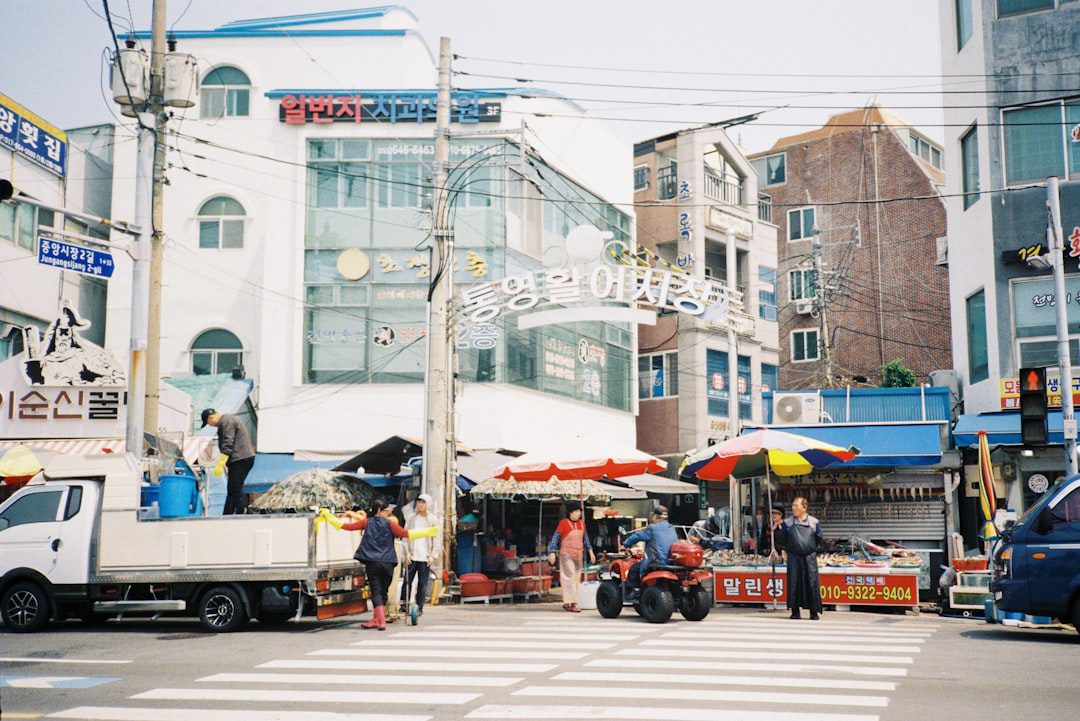
I still remember my first visit to Namdaemun Market in 1990—sweating through my shirt in August, surrounded by vendors shouting prices, the smell of grilled fish and steamed dumplings filling the narrow alleyways. I was completely lost, spoke maybe 200 words of Korean, and nearly got knocked over by an ajumma with a loaded shopping cart. But that chaotic, vibrant energy? That’s when I fell in love with Korea.
Thirty-five years later, those traditional markets remain my favorite way to experience Seoul. They’re not just shopping destinations—they’re living history, cultural museums where you can taste, touch, and negotiate your way through authentic Korea. Whether you want to haggle over a silk hanbok or grab lunch for under ₩10,000, these markets tell the story of how Koreans have bought, sold, and eaten for generations.
Here’s everything you need to know about Korea’s most iconic traditional markets, plus some hidden gems most tourists never discover.
Namdaemun Market: Korea’s Largest & Most Historic
Namdaemun (남대문시장) is the beating heart of Seoul’s market culture. Since 1414—yes, you read that right, over 600 years—vendors have been selling everything from textiles to cosmetics, seafood to souvenirs in this sprawling indoor-outdoor maze near Seoul Station.
The market sprawls across 17,800 square meters with over 10,000 shops. Most tourists hit the souvenir sections and food stalls, but spend three hours here like I do, and you’ll understand why it’s survived six centuries.
What to Buy at Namdaemun
| Category | What to Look For | Price Range |
|---|---|---|
| Textiles & Fabric | Silk, cotton, hanbok materials (best quality in Korea) | ₩5,000–50,000/meter |
| Cosmetics | Sheet masks, BB creams, sunscreen (wholesale prices) | ₩2,000–15,000 |
| Ginseng & Herbs | Red ginseng, omija (Korean magnolia berry) | ₩10,000–100,000 |
| Souvenirs | Traditional crafts, jade items, fans | ₩3,000–50,000 |
| Seafood & Dried Fish | Anchovies, squid, shiitake mushrooms | ₩5,000–40,000 |
Namdaemun Street Food & Restaurants
Forget the touristy mall food courts. The real eating happens in the vendor stalls and tiny restaurants tucked into Namdaemun’s alleyways.
| Food | Description | Price |
|---|---|---|
| Hotteok (호떡) | Sweet pancake with brown sugar & cinnamon filling | ₩3,500–4,500 |
| Bindaetteok (빈대떡) | Mung bean pancake with kimchi (perfect with makgeolli) | ₩3,000–4,000 |
| Galbijjim (갈비찜) | Braised short ribs—there’s a famous restaurant, Jeong Ye Ol | ₩15,000–25,000 |
| Tteokbokki (떡볶이) | Spicy rice cakes, perfect quick bite | ₩4,000–5,000 |
| Samgyetang (삼계탕) | Ginseng chicken soup for summer energy | ₩12,000–18,000 |
Practical Info: Getting to Namdaemun
| Detail | Information |
|---|---|
| Location | Jung-gu, Seoul (near Namdaemun-no street) |
| Subway | Line 4, Myeongdong Station (Exit 5 or 8) or Line 1, Seoul Station (Exit 2) |
| Hours | Most shops open 10 AM–9 PM daily (some earlier/later) |
| Closed | Sundays (but some vendors stay open) |
| Best Time | Weekday mornings (7–10 AM) for fewer crowds |
Ted’s tip: Don’t be shy about haggling, especially with textile vendors and if you’re buying in bulk. A ₩50,000 hanbok fabric might drop to ₩40,000 if you negotiate. But at food stalls, prices are fixed—just eat and enjoy.
Gwangjang Market: The Foodie’s Paradise
If Namdaemun is Korea’s general store, Gwangjang (광장시장) is its kitchen. Opening in 1905 under Japanese occupation, this market became famous for one thing: incredible street food.
The second floor is where the magic happens—vendors elbow-to-elbow, steam rising from pots and pans, the smell of sesame oil and gochugaru so thick you can taste it. I’ve brought hundreds of friends here, and every single one leaves saying the same thing: “This is authentic Korea.”
For details on food specifically, check out our dedicated Gwangjang food guide, but here’s the overview:
Gwangjang Food Stalls: What to Order
| Dish | Signature Spot | Price | Why It’s Famous |
|---|---|---|---|
| Nakji bokkeum (낙지볶음) | Section 2, vendors near entrance | ₩10,000–15,000 | Stir-fried octopus, chewy & addictive |
| Mayak gimbap (마약김밥) | Multiple vendors, Section 1–2 | ₩5,000–8,000 | Addictive seaweed rice rolls, sesame oil heaven |
| Bindaetteok (빈대떡) | Traditional vendors throughout | ₩3,000–4,000 | Crispy mung bean pancake with kimchi inside |
| Hotteok (호떡) | Sweet stall vendors | ₩4,000 | Sweet brown sugar pancake, still warm |
| Kimchi & side dishes | Ground floor shops | ₩5,000–30,000 | Take-home quality, wholesale prices |
Gwangjang Shopping: Ground Floor
While the second floor is famous for eating, the ground floor sells vegetables, kimchi, dried fish, and prepared dishes. Local families shop here for weeknight dinners.
| Category | What You’ll Find | Price Examples |
|---|---|---|
| Fresh Vegetables | Seasonal produce, Korean perilla leaves, wild greens | ₩2,000–8,000 |
| Kimchi & Banchan | Home-made style, various spice levels | ₩5,000–15,000/container |
| Dried Fish & Seafood | Anchovies, squid, sea cucumber | ₩8,000–40,000 |
| Sesame & Spices | Korean sesame seeds, gochugaru, doenjang | ₩3,000–12,000 |
Practical Info: Getting to Gwangjang
| Detail | Information |
|---|---|
| Location | Jongno-gu, Seoul (near Jongno 5-ga) |
| Subway | Line 1, Jongno 5-ga Station (Exit 5 or 6) |
| Hours | 10 AM–10 PM (food stalls busiest 11 AM–3 PM) |
| Closed | Mondays (most shops) |
| Best Time | Lunch time (11:30 AM–1:30 PM) for busy, authentic energy |
Ted’s tip: Come hungry. Share dishes with a friend—order three different items and taste everything. And go straight to the second floor for eating; you can browse vegetables on the way out.
Dongdaemun Market: Fashion, Textiles & Late-Night Shopping
Dongdaemun (동대문시장) is the wholesale heart of Korea’s fashion industry. Designers, shop owners, and fashion students browse fabric stalls and sample collections here. Unlike Namdaemun’s mixed vibe, Dongdaemun is serious about textiles and clothing.
The market spans multiple buildings and outdoor stalls across an enormous area. It’s overwhelming at first, but the prices—especially if you’re buying fabric by the bolt or wholesale clothing—are unbeatable in Asia.
Dongdaemun Shopping Guide
| Building/Area | Specialty | Best For |
|---|---|---|
| Peace Market (평화시장) | Affordable wholesale clothing, fabrics | Budget fashion, bulk textile buying |
| Doota (두타) | Multiple floors of fashion boutiques | Trendy streetwear, Korean brands |
| Heungsin Fashion Town | High-end fabrics, designer materials | Premium textile shopping |
| Outdoor stalls | Accessories, buttons, trimmings | DIY crafters, alterations supplies |
Dongdaemun’s Late-Night Culture
One unique thing about Dongdaemun: it’s open late. Many buildings don’t close until midnight or 1 AM. This is actually rooted in tradition—wholesale buyers and factory owners used to shop at night. Today, it’s become a quirky tourism attraction.
Ted’s tip: If you’re serious about buying fabric or wholesale clothing, go in the morning (8–10 AM) when vendors are fresh and stock is full. Prices are the same regardless of time, but you’ll get better selection and vendor attention early.
Practical Info: Getting to Dongdaemun
| Detail | Information |
|---|---|
| Location | Jung-gu and Jongno-gu, Seoul |
| Subway | Line 1 or 4, Dongdaemun Station; Line 2, Dongdaemun History & Culture Park |
| Hours | Most shops 10 AM–midnight; some until 1 AM |
| Closed | Sundays (many shops) |
| Best Time | Weekday evenings (6–10 PM) for the unique atmosphere |
Hidden Gem Markets: Where Locals Actually Shop
The big three markets are fantastic, but after 35 years, I want to share the markets that Seoulites actually frequent for daily shopping. These are quieter, less touristy, and often cheaper.
Mangwon Market: The Neighborhood Foodie Spot
Located near Hongik University in Mapo-gu, Mangwon (망원시장) is what a traditional market looks like when it’s primarily serving locals, not tourists. The street food here is incredible—seriously comparable to Gwangjang, but with way fewer crowds.
I’ve written extensively about Mangwon Market’s food scene, but here’s what makes it special: it’s a working market where you see ajummas buying ingredients for dinner, and vendors treating customers like neighbors, not transactions.
| Must-Try at Mangwon | Price |
|---|---|
| Hotteok (sweet pancakes) | ₩3,000 |
| Tteokbokki with cheese | ₩5,000 |
| Gimbap and kimbap triangle (김밥삼각) | ₩2,500–4,000 |
| Mayak gimbap | ₩5,000–6,000 |
Subway: Line 2, Hongik University Station (Exit 3, 10-minute walk)
Tongin Market: Where Seoul’s Lunch Rush Happens
If you want to see authentic Seoul lunch culture, go to Tongin (통인시장) in Jongno-gu. This market invented the “lunch box token” system—you buy tokens at the entrance (₩10,000 for 10 tokens), then browse food stalls, trading tokens for dishes. It’s genius and delicious.
The market itself has been around since 1941, and the lunch culture—where office workers and students get a variety of dishes for one low price—is purely Seoul.
| Tongin Market Info | Details |
|---|---|
| Location | Jongno-gu, near Anguk Station |
| Subway | Line 3, Anguk Station (Exit 6) |
| Token System | ₩10,000 = 10 tokens (1 token per dish, roughly ₩1,000 value) |
| Hours | 10 AM–8 PM (busy 11:30 AM–1:30 PM) |
| Closed | Sundays |
Majang Market: The Meat & Produce Specialist
Majang (마장시장) in Seongdong-gu is Korea’s largest wholesale meat and produce market. It’s NOT a tourist destination—it’s where restaurants and grocery stores buy their supplies. But if you want to see how Korea’s food system actually works, and you’re comfortable in a chaotic wholesale environment, it’s fascinating.
The prices are the lowest in Seoul because there’s no middleman. A side of beef (소갈비, Korean short rib) that costs ₩80,000 at a retail market might be ₩50,000 here.
Fair warning: This is a working market. It’s loud, wet, smelly, and vendors are fast-moving. Go in the morning (6–9 AM) if you want to experience it properly. Dress for mess—it’s a real marketplace, not a tourist-friendly one.
| Majang Details | Info |
|---|---|
| Subway | Line 2, Majang Station (Exit 1) |
| Peak Hours | 5–9 AM (wholesale buying time) |
| Best For | Meat, fish, produce at wholesale prices |
Seun Market: Antiques, Vintage & Knickknacks
Seun (승인시장) in Jung-gu is for collectors and treasure hunters. It’s part antique market, part vintage clothing, part just-random-stuff market. You’ll find old vinyl records, vintage hanbok, brass items, books, and things you didn’t know you needed.
The building was constructed in 1967 and has that wonderful aged Seoul charm. It’s not as famous as the other markets, so prices are often negotiable, especially if you’re buying multiple items.
| Seun Market | Info |
|---|---|
| Location | Jung-gu, near Myeongdong |
| Subway | Line 1, Seoul Station (Exit 2) or Line 4, Myeongdong Station |
| Hours | 10 AM–7 PM |
| Closed | Sundays |
| What You’ll Find | Antiques, vintage clothing, old books, brass items |
Ted’s tip: Haggling is totally acceptable here. Many vendors expect it. Start at 70–80% of the asking price and negotiate up. You’ll often find agreement at 15–20% below the initial price.
Market Etiquette & Shopping Tips
After three and a half decades of market shopping, I’ve picked up some do’s and don’ts that’ll make your visit smoother and more respectful.
Do’s at Korean Traditional Markets
- Do wear comfortable, flat shoes. You’ll be walking on concrete, and some floors are wet. Flip-flops are fine too.
- Do bring cash. Most vendors only accept cash or Naver Pay/Kakao Pay (Korean payment apps). ATMs are available at markets, but carrying ₩50,000–100,000 is smart.
- Do ask for discounts at textile and antique vendors. It’s part of the culture. Food prices are usually fixed.
- Do eat while shopping. Vendors expect it. Grab a hotteok, walk around, taste things. This is the market experience.
- Do say hello to vendors. “Annyeonghaseyo” and a smile will get you better service and sometimes free samples.
Don’ts at Korean Traditional Markets
- Don’t photograph vendors or food without asking. Some vendors are okay with it, but always ask first. It’s polite and often gets you a discount or sample.
- Don’t crowd the food stall vendors while they’re cooking. Wait your turn, stand back, and be patient.
- Don’t haggle over small amounts. If a vendor is firm on price, accept it. Not every item is negotiable.
- Don’t touch products without permission. Especially fabrics and textiles. Ask to see items; vendors will show you.
- Don’t arrive during peak hours if you hate crowds. Weekday mornings (8–11 AM) are quieter than weekends or lunch hours.
Ted’s tip: Befriend a vendor. I’ve bought the same brand of omija (Korean magnolia berry) from Mrs. Park at Namdaemun for 12 years. She now gives me better prices, saves me items, and treats me like family. This is how markets work—relationships matter.
What to Bring Home: Market Souvenir Guide
Not everything from Korean markets is an impulse buy. Some things are genuinely worth bringing home and are better purchased here than online or at duty-free.
Best Market Buys for Tourists
| Item | Where to Buy | Price | Why Worth It |
|---|---|---|---|
| Red Ginseng (홍삼) | Namdaemun, Gwangjang | ₩15,000–50,000 | Wholesale price, authentic quality |
| Dried Shiitake Mushrooms (표고버섯) | Gwangjang ground floor | ₩10,000–25,000 | Premium umami, lasts months |
| Roasted Seaweed (김) | Any market | ₩3,000–10,000 | Light, easy to pack, very Korean |
| Korean Silk Hanbok Fabric | Namdaemun, Dongdaemun | ₩20,000–60,000/meter | Can have tailored later at home |
| Doenjang (Korean Soybean Paste) | Gwangjang, Mangwon | ₩5,000–15,000 | Homemade quality, changes your cooking |
| Korean Stationery & Notebooks | Namdaemun (small shops) | ₩2,000–8,000 | Beautiful designs, affordable |
For deeper dives on specific shopping categories, check out our guides on Korean stationery and Korean skincare—both have wholesale options at markets.
Market Drinking Culture: Pojangmacha & Alcoholic Treats
Korean markets have a unique drinking culture. Many markets have clusters of pojangmacha (food tents with alcohol service) where vendors and workers have soju and beer after closing. As a visitor, you can join this too—it’s usually very welcoming and cheap.
Markets like Gwangjang and Mangwon have these concentrated in specific areas. Order tteokbokki, hotteok, or grilled items, pair with cold beer or soju, and you’ve got an authentic Seoul experience.
For more detail on Korean drinking culture, check our comprehensive alcohol guide, but the short version: markets are where everyday Koreans drink, so prices are low and the atmosphere is genuine.
Frequently Asked Questions
Do Korean traditional markets take credit cards?
Most vendors at traditional markets only accept cash or Korean payment apps (Naver Pay, Kakao Pay). Larger shops in Namdaemun and Dongdaemun might accept cards, but don’t count on it. Bring ₩100,000 in cash and use the ATM if you need more. ATMs are available at every major market.
Is it safe to visit Korean markets as a solo female traveler?
Yes, absolutely. Korean markets are very safe, even at night (some are open until midnight). Markets are crowded public spaces with lots of foot traffic. I’ve recommended markets to solo female travelers for decades, and they universally feel safe. For more details on solo female travel in Korea, see our solo female travel guide.
Can I negotiate prices at Korean markets?
Yes, but it depends on the item. Textile vendors, antique sellers, and wholesale shops expect haggling. Food prices at stalls are usually fixed. If you’re buying multiple items or in bulk, vendors are often willing to negotiate 10–20% off. Start at 70% of the asking price and negotiate up.
What’s the best time to visit Korean markets to avoid crowds?
Weekday mornings (8–10 AM) are the quietest times. Avoid lunch hours (11:30 AM–1:30 PM) and weekends if you don’t like crowds. Early mornings (before 9 AM) also give you first pick of fresh items and better vendor attention.
Are Korean traditional markets good for kids?
Yes, but with caveats. Markets are crowded, fast-paced, and involve lots of sensory input. Young kids might get overwhelmed. But older kids (8+) often love the food stalls and the bustling energy. For more on visiting Korea with kids, see our family travel guide.
What do I do with leftover won at the airport?
Spend it at the market! Markets take cash and often have the best prices in Seoul. Most have nearby ATMs if you need to adjust your cash supply. Alternatively, many duty-free shops at the airport accept Korean won, but the prices are much higher than at markets.
Can I ship items home from Korean markets?
Most markets don’t offer shipping. For large purchases (bulk fabric, large antiques), ask the vendor if they use a courier service. Otherwise, pack what you can in luggage and consider ordering additional items to ship via Korean postal service (EMS) later. Most Korean markets are used to tourists asking this question—they’re helpful.
Which market is best for K-pop merchandise?
Namdaemun and areas near Myeongdong have K-pop shops, but traditional markets aren’t the primary source. For serious K-pop shopping, check our K-pop merchandise guide. Traditional markets are better for textiles, food, and general souvenirs.
Final Thoughts
Korean traditional markets aren’t just shopping destinations—they’re living museums of Seoul’s soul. When I first arrived in 1990, these markets were how the entire city ate and shopped. They’ve survived hypermodernity, e-commerce, and shiny new department stores because they offer something technology can’t: human connection, real prices, and authentic culture.
Every time I walk through Gwangjang or Namdaemun, I see three generations of the same family running a stall. I see tourists discovering mayak gimbap for the first time. I see office workers rushing through lunch, students buying affordable clothes, and ajummas haggling like it’s an Olympic sport. This is Korea.
My advice? Pick one market, spend three hours there, eat multiple things, talk to vendors, and just soak it in. This is how you really get to know a place.
— Ted K
Image Credits: Photos sourced from Unsplash. By using this site, you agree to our Privacy Policy and Disclaimer.