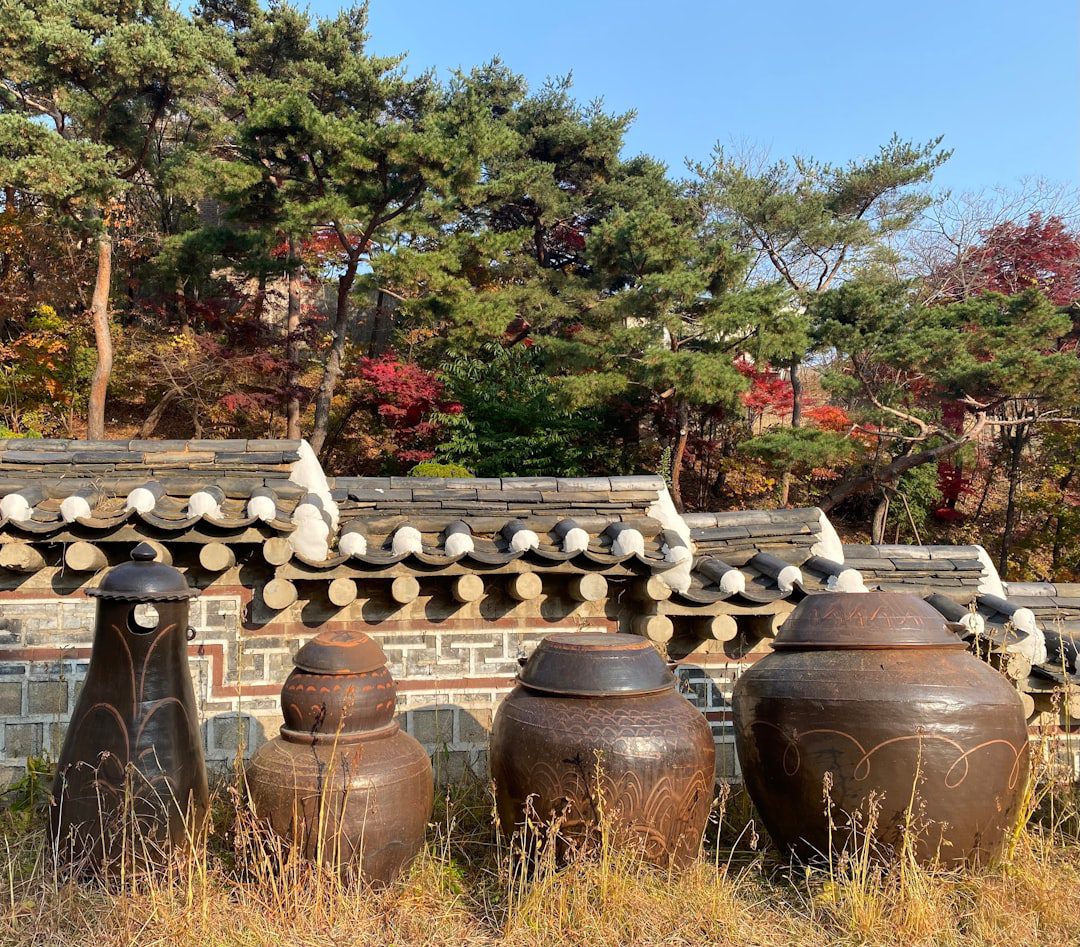
I’ll never forget my first real Korean drinking session back in 1989. I was at a pojangmacha (street tent bar) near my apartment in Itaewon, and a group of Korean coworkers insisted I try soju. I thought it was just vodka—I was hilariously wrong. One hour later, I was learning the intricacies of Korean drinking etiquette while my head spun and everyone around me was laughing at my failed attempt at a Korean drinking game.
Thirty-five years later, I’ve learned that Korean alcohol isn’t just about getting drunk—it’s deeply woven into the fabric of Korean social culture, business relationships, and friendships. Whether you’re a casual visitor or planning to stay longer, understanding Korean alcohol culture will transform your experience here.
Here’s everything you need to know about Korean drinks, from the clear spirit that’s defined Korean nightlife for generations to the craft beer revolution happening right now in Seoul.
What is Soju? Korea’s National Spirit
Soju is Korea’s answer to vodka, but it’s so much more culturally significant than that comparison suggests. This clear distilled spirit has been the backbone of Korean drinking culture for centuries, and today it’s actually the world’s most consumed spirit by volume—yes, more than vodka, whiskey, or rum combined.
Traditionally made from rice, soju is now commonly produced from other grains like barley or sweet potato, making it slightly cheaper than rice-based versions. The alcohol content typically ranges from 16–21%, though some premium versions go higher. The taste is clean, slightly sweet, and goes down deceptively smoothly—which is precisely why it’s so dangerous for tourists.
Ted’s tip: If you’re new to soju, start with a chilled bottle of Chum Churum (about 4,000–5,000₩ at GS25) mixed with sprite or cider. Straight soju is not your friend on your first night.
Popular Soju Brands & Where to Buy
Every convenience store—and there are tens of thousands in Korea—stocks multiple soju brands. Here’s what you’ll see most often:
| Brand | Alcohol % | Price (₩) | Profile |
|---|---|---|---|
| Jinro | 20.1% | 3,500–4,500 | Most popular, smooth, slightly sweet |
| Chum Churum | 20.9% | 4,000–5,000 | Fruit flavors, milder taste |
| Bacchus | 20% | 3,500–4,000 | Classic, clean burn |
| Good Day | 20% | 4,500–5,500 | Premium, more refined |
| Isafa | 20.5% | 3,000–3,500 | Budget option, lower quality |
| Chamisul | 20.1% | 4,000–4,500 | Premium, clean taste |
You’ll find these at any convenience store (GS25, CU, Emart24, Lotte 365), supermarkets, and drinking venues. Convenience stores are required to ask for ID for anyone who looks under 40, but enforcement is usually casual.
How to Drink Soju Like a Korean
Soju is typically served ice-cold in small glasses, and there’s a proper way to pour and drink it. When someone pours for you, accept the glass with two hands or your right hand supported by your left. Never pour for yourself—it’s considered rude. Always pour for others first, and they’ll pour for you.
The most common way to drink soju is sip sip sip—three quick shots in succession—or as part of a mixed drink called a poison bomb (soju + beer) or canyon (soju + cider). Many Koreans also enjoy soju-based cocktails at bars.
Ted’s tip: The “neon glow” trend has Koreans drinking soju from shot glasses with neon lights underneath—visually cool but the drink tastes worse and you’ll get drunk faster. Stick with traditional service if you want to actually enjoy yourself.
Makgeolli: Korea’s Traditional Rice Wine
While soju is the spirit of modern Korea, makgeolli is the drink of Korean history. This milky rice wine has been brewed for over a thousand years and tastes completely different from soju—sweeter, earthier, and much more interesting if you ask me.
Makgeolli looks like diluted milk and has an alcohol content of 6–8%, making it much less intense than soju. It’s slightly sweet, slightly tangy, and genuinely refreshing on a warm Seoul evening. Traditionally, it was a farmer’s drink, but in the last 15 years, makgeolli has undergone a massive revival, especially among younger Koreans looking for something more sophisticated than soju.
The texture is distinctly different from beer or wine—it’s silky, with a slight thickness from the rice sediment. The flavor profile varies dramatically by region and brewery. Some makgeolli is fruity and floral, others are nutty and complex.
Types of Makgeolli & Where to Find It
Traditional makgeolli comes in two main styles: unpasteurized (raw/fresh) and pasteurized. Raw makgeolli lasts only a few days and has the most complex flavor. Pasteurized versions last longer and are what you’ll find in convenience stores.
| Type | Alcohol % | Price (₩) | Where to Buy |
|---|---|---|---|
| Raw/Fresh Makgeolli | 6–8% | 4,000–8,000 | Specialty bars, markets, breweries |
| Pasteurized Makgeolli | 6–8% | 2,500–4,000 | Convenience stores, supermarkets |
| Flavored Makgeolli | 5–7% | 3,500–6,000 | Specialty shops (yuzu, pomegranate) |
| Premium Boutique | 6–9% | 8,000–15,000 | Makgeolli bars, wine shops |
Best Makgeolli Bars in Seoul
If you want to experience makgeolli culture properly, visit a dedicated makgeolli bar. These have exploded in popularity across Seoul over the last decade.
| Bar Name | Location | Subway | Vibe |
|---|---|---|---|
| Makgeolli Factory | Hongdae | Line 2, Hongik University | Modern, craft-focused |
| Insadong Makgeolli | Insadong | Line 3, Anguk | Traditional, touristy |
| Mak.Geul | Yeonnam-dong | Line 2, Ewha Womans Univ | Hip, young crowd |
| Dandang Makgeolli | Ikseon-dong | Line 3, Anguk | Hanok setting, cozy |
Ted’s tip: Don’t drink makgeolli straight from the bottle if it’s a raw batch from a brewery—it’s traditionally served in small bowls or cups. The ritual is part of the experience, and it actually helps with digestion.
Korean Craft Beer: The New Wave
Twenty years ago, there was barely a craft beer scene in Korea. Today? Seoul rivals Portland and Brussels for creative, innovative brewing. Korean craft breweries are making waves internationally, and if you’re a beer lover, you’re in for a treat.
The craft beer movement in Korea started around 2010 but really exploded in the last 5-8 years. Young Korean brewers are experimenting with local ingredients—makgeolli-inspired ales, ginger beers, yuzu IPAs, and even soju-barrel aged stouts. The quality is genuinely world-class, and prices are often better than you’d pay for comparable craft beers in the US or Europe.
Popular Korean Craft Beer Brands
| Brewery | Style | Price (₩) | Where to Find |
|---|---|---|---|
| Craftworks Taphouse | Diverse, experimental | 6,000–9,000 | Multiple locations |
| Seoul Craft | IPA, stout, lager | 5,500–8,000 | Taprooms, specialty shops |
| Teo Brewing | Experimental, seasonal | 7,000–10,000 | Hongdae brewery |
| Galmuri Brewing | Modern Korean | 6,000–8,500 | Cheongdam, specialty bars |
| Two Hands Brewing | IPA, amber, fruit | 5,500–7,500 | Hongdae, Yeonnam-dong |
Where to Drink Craft Beer in Seoul
Seoul’s craft beer scene is concentrated in a few neighborhoods. Hongdae is the epicenter, but you’ll also find excellent options in Gangnam, Yeonnam-dong, and around Gangbyeon.
| Area | Notable Bars | Vibe | Pints (₩) |
|---|---|---|---|
| Hongdae | Teo Brewing, Two Hands, Namsan | Young, creative, lively | 6,000–8,000 |
| Yeonnam-dong | Two Hands, Indie taprooms | Hipster, chill | 5,500–7,500 |
| Gangbyeon | Craftworks Taphouse | Riverside, upscale | 7,000–9,500 |
| Gangnam | Galmuri, premium bars | Upscale, business-friendly | 7,500–10,000 |
Ted’s tip: Many craft taphouses offer a “flight” of 4-5 small pours for 12,000–15,000₩, perfect for trying multiple beers without committing to full pints. This is the best way to explore Korean craft brewing.
Other Korean Alcoholic Drinks Worth Trying
Korean Beer (Commercial)
While craft beer is booming, you should also know about Korea’s mass-market beers. Hite, Cass, and OB are everywhere, cheap (3,000–4,500₩ per bottle at convenience stores), and perfectly drinkable. Cass is the most popular and has a light, crisp profile that works great in summer. These are what most Koreans drink at everyday drinking establishments.
Korean beers tend to be lighter and less hoppy than Western craft beers, which makes them excellent for pairing with Korean food—especially spicy dishes.
Cheongju & Yakju (Korean Spirits)
These clear or brownish spirits are distilled or fermented from grains and have much longer histories than soju. Cheongju is similar to Japanese sake but more potent (16–20% ABV), while yakju (medicinal alcohol) is infused with herbs. Both are rarer and more expensive than soju, and you’ll find them primarily at traditional Korean restaurants or specialty shops.
| Drink | ABV | Price (₩) | Taste Profile |
|---|---|---|---|
| Cheongju | 16–20% | 6,000–12,000 | Clean, slightly sweet, refined |
| Yakju | 12–16% | 8,000–20,000 | Herbal, complex, warming |
| Danhobottle (ginseng soju) | 20% | 5,000–7,000 | Herbal, slightly sweet |
Korean Wine
Korea actually produces wine, though it’s less famous internationally. Korean wines are typically fruit-based (especially grape, plum, and yuzu). Quality varies significantly. For wine enthusiasts, imported wines are available at major supermarkets and wine bars at much better prices than you’d expect.
Korean Drinking Culture & Etiquette
Drinking in Korea isn’t just about consumption—it’s a cornerstone of social bonding. Understanding drinking etiquette will dramatically improve your relationships with Korean friends, colleagues, and business associates. I’ve seen countless foreign business deals go south because someone didn’t understand the cultural protocols.
Key Etiquette Rules
Pouring and Accepting Drinks: Never pour your own drink when others are present. When someone pours for you, accept with both hands or your right hand supported by your left. This shows respect. When you pour for someone, hold the bottle with both hands or right hand only—left hand supporting your right arm.
The Bow Before Drinking: Before your first sip after someone pours, slightly bow your head as a gesture of thanks. This is especially important in formal or business settings.
Eye Contact: Make eye contact when drinking, but if the other person is significantly older or higher-ranking, you should look slightly away after initial eye contact (not at them directly). This is a sign of respect, not rudeness.
Age Hierarchy (Korean Age): Koreans drink according to age hierarchy. The oldest person typically directs the drinking pace. If you’re unsure of someone’s age, it’s acceptable to ask—it’s not considered rude like in Western cultures.
Ted’s tip: Learn to say “건배!” (Geonbae! – “Cheers!”) properly. The pronunciation is crucial. If you get this right, Koreans will find it charming and you’ll instantly bond. If you butcher it, they’ll still love you, but you’ll hear about it all night.
Common Drinking Scenarios
| Scenario | Korean Term | What to Know |
|---|---|---|
| Work drinking after office | Hoesik (회식) | Mandatory in some companies, bonding ritual, expect multiple rounds |
| Drinking with new friends | Cha-hyang (차향) | Getting to know you session, follow the group pace |
| Second round after dinner | Cha-ju (차주) | Moving to a bar for more drinking, very common |
| Heavy drinking night | Binge-bang (빈지방) | Intentional night of excess, buddy system important |
| Bar hopping | Sujeop (술집 투어) | Moving between bars, one or two drinks at each |
Korean Drinking Games
Drinking games are integral to Korean social drinking. If you’re invited to a Korean drinking session, you’ll probably encounter these. Here are the main ones:
Nunchi (눈치): The most popular game. Players sit in a circle and count from 1 to however many players there are. But here’s the catch: if two people say the same number at the same time, both are eliminated. The last person standing wins, and the losers drink. It sounds simple but requires genuine skill and intuition (hence “nunchi”—Korean for reading the room).
Baskin Robbins 31 (배스킨라빈스 31): Players take turns counting up from 1 to 31. Each turn, a player can say 1, 2, or 3 consecutive numbers. Whoever says 31 drinks. Faster pace = trickier game.
Up and Down (업앤다운): A dealer flips cards. Players guess if the next card will be higher or lower. Wrong guesses = drink penalties. Simple but effective.
Chemomile (체모일/시모일): Similar to rock-paper-scissors but the loser drinks. Variations include hand signs that represent different drinks or penalties.
Ted’s tip: Don’t take drinking games too seriously your first time. Koreans love seeing foreigners try and “fail” at games—it’s endearing, not embarrassing. Plus, if you’re genuinely trying, they’ll respect you for it. And remember: you can always bow out of a game gracefully. “I need to rest” is perfectly acceptable in Korean drinking culture.
Pairing Korean Alcohol with Korean Food
One of the greatest pleasures of drinking in Korea is the food pairing. Almost every alcoholic drink pairs naturally with specific Korean dishes, and understanding these combinations will enhance both the food and the drink experience.
Classic Pairings
| Alcohol | Best Food Pairings | Why It Works |
|---|---|---|
| Soju | Fried chicken, galbi (grilled beef), spicy dishes | High alcohol cuts through richness; crisp finish cleanses palate |
| Makgeolli | Pajeon (Korean pancakes), seafood, light stews | Sweetness balances savory; earthy quality complements vegetables |
| Korean Beer | Korean BBQ, kimchi dishes, spicy soups | Carbonation and crispness combat heat; light body suits variety |
| Craft IPA | Fatty cuts of meat, fermented foods, kimchi | Hops cut through richness; hoppy bitterness mirrors funk |
| Cheongju | Sashimi, light fish dishes, seasonal Korean cuisine | Delicate flavor enhances seafood; refined nature suits elegant meals |
The most iconic pairing is soju + fried chicken (chimaek). This combination is so deeply embedded in Korean culture that there’s an actual term for it: “chimaek” (치맥 = chicken + maekju/beer, though people use it for soju too). On any given night in Seoul, millions of Koreans are enjoying this exact combination. The crispy, fatty chicken pairs perfectly with the clean, sharp bite of ice-cold soju.
If you want to understand Korean drinking culture, you must experience chimaek at least once. Head to any fried chicken restaurant (there are thousands) and order a bottle of soju from the convenience store next door. Total cost: around 20,000₩ for dinner and drinks for one person.
Ted’s tip: When drinking at Korean restaurants, don’t hesitate to ask the restaurant staff for pairing recommendations. They’ll often suggest banchan (side dishes) that work perfectly with soju or beer, and you’ll look knowledgeable to your Korean friends.
Where to Buy Alcohol & Pricing Guide
Alcohol is incredibly cheap and accessible in Korea. Here’s the breakdown of where to shop and what you’ll pay:
Retail Options
| Store Type | Best For | Average Price Markup | Hours |
|---|---|---|---|
| Convenience Stores (GS25, CU, Emart24) | Quick bottle grabs, late night | Standard (no discount) | 24 hours |
| Supermarkets (Emart, Lotte Mart) | Bulk buying, best selection | 5–15% cheaper | 8 AM–10 PM |
| Liquor Stores (주류 판매점) | Premium selection, expert advice | Variable | 10 AM–10 PM |
| Bars & Restaurants | Social drinking, full experience | 200–300% markup | Evening hours |
| Online (Coupang, Naver) | Convenience, home delivery | Similar to supermarkets | Next-day delivery |
Age Verification
The legal drinking age in Korea is 19 (Korean age), and convenience stores are technically required to check ID for anyone who looks under 40. Enforcement is loose but exists. If you’re an obviously older-looking adult, you’ll rarely be asked. Younger travelers should carry their passport or ID.
Alcohol Taxes & Import Duties
If you’re buying expensive imported spirits or wines, Korea’s alcohol tax can be steep. A bottle of premium whiskey that costs $50 in the US might be $80+ in Korea. Local spirits (soju, makgeolli, Korean craft beer) offer significantly better value.
Korean Drinking Venues: What to Expect
Korea has an incredible variety of drinking establishments. Understanding what each one offers will help you choose the right venue for your mood.
Types of Drinking Venues
| Venue Type | Description | Price per Drink (₩) | Atmosphere |
|---|---|---|---|
| Pojangmacha (포장마차) | Street tent bar, no seating usually | 3,500–5,000 | Casual, local, lively |
| Soljang (솔장) | Dedicated soju bar | 4,000–6,000 | Social, intimate, game-heavy |
| Hofs (호프) | Beer hall, Korean-style pub | 5,000–7,000 | Energetic, crowded, social |
| Craft Beer Taproom | Microbrewery or beer bar | 6,500–9,000 | Sophisticated, knowledgeable crowd |
| Wine Bar | Wine-focused, often upscale | 8,000–15,000 | Upscale, mature, quiet |
| Noraebang (노래방) | Karaoke bar | 5,000–8,000 | Fun, touristy, wild |
| Club | Dance venue | 7,000–12,000 | High-energy, young, loud |
For first-time visitors, I recommend starting at a pojangmacha (street tent bar). These are the soul of Korean drinking culture. You’ll stand with locals, share snacks, and get authentic insights into how Koreans actually drink. Expect to see ajummas (older Korean women) drinking soju and eating pojingan (drinking snacks) alongside young professionals. It’s democratic, cheap, and genuinely fun.
If you want to read more about Korean drinking snacks and food pairings, check out our comprehensive guide to anju (Korean drinking snacks).
Ted’s tip: The best memories I have from 35 years in Korea involve late-night conversations at pojangmacha. The best venue on the map is the one where locals are already drinking. Follow the crowd, not the guidebook.
Responsible Drinking in Korea
Korean drinking culture is fun, but it can be intense. Here’s how to have a great time while staying safe.
Practical Tips for Safe Drinking
Know Your Limits: Soju is deceptively strong. Many tourists underestimate it because it’s smooth and goes down easily. Start slow, pace yourself, and drink water between rounds.
Eat First, Drink Second: Never drink on an empty stomach in Korea. Always eat substantial food before or during drinking. This is part of the culture anyway—food is always present at drinking establishments.
Use the Buddy System: Never drink alone. Koreans drink socially, and it’s safer to be with people you know. Plus, if you get too drunk, locals respect the “they were with friends” excuse far more than solo overindulgence.
Transportation Safety: Uber (called Kakao Taxi or Naver Map taxi in Korea) is everywhere and cheap. A taxi from most Seoul neighborhoods costs 8,000–15,000₩. Never drive after drinking—Korea’s drunk driving laws are strict.
Learn to Decline Politely: You can say “잠깐 쉴게요” (Jamskan swil-ge-yo – “I’ll rest for a moment”) or “술을 못 마셔요” (Sool-eul mot ma-swo-yo – “I can’t drink”). Koreans will respect genuine physical limits, especially if explained respectfully.
Red Ginseng & Hangover Prevention: Red ginseng (홍삼) drinks are everywhere in Korea and genuinely help with hangover prevention. Buy them at convenience stores before drinking (2,000–3,500₩ each) and drink one before bed. Koreans swear by them, and they work surprisingly well.
Ted’s tip: If you get too drunk, it’s never shameful in Korea to sleep it off. Koreans understand alcohol is a social lubricant, not a character flaw. Find a safe place, drink water, and recover. The friendship built over drinking is what matters, not how much you drank.
Frequently Asked Questions
Is soju expensive in Korea?
No, soju is incredibly cheap. A bottle of popular brand soju (Jinro, Chum Churum) costs 3,500–5,000₩ at convenience stores—roughly $2.50–$3.50 USD. This is why it’s so popular among students and working-class Koreans. Bars charge significantly more (6,000–8,000₩ per shot), but buying from convenience stores and drinking at pojangmacha is budget-friendly.
Can foreigners drink in Korea? Are there legal restrictions?
Yes, foreigners can drink in Korea. The legal drinking age is 19 in Korean age (18 in Western years). You must carry your passport as ID. There are no legal restrictions against foreigners drinking in bars or clubs, though some upscale venues may have dress codes or entry policies unrelated to nationality.
What’s the difference between soju and makgeolli?
Soju is a clear distilled spirit (16–21% ABV), while makgeolli is a traditional rice wine (6–8% ABV). Soju is stronger, harsher, and more traditionally consumed in shots. Makgeolli is sweeter, milder, and typically served in small bowls or cups. Makgeolli is enjoying a cultural renaissance, while soju remains the default social drink for most Koreans.
Is it safe to drink tap water after alcohol in Korea?
Yes, Korean tap water is safe to drink. However, many Koreans historically prefer bottled or filtered water due to old pipe infrastructure in some areas. Drinking tap water after alcohol is fine and won’t cause problems. Convenience stores sell large bottles of drinking water for 1,500–2,000₩.
What should I do if invited to a Korean hoesik (company drinking event)?
Hoesik is a work-based drinking event that’s often semi-mandatory in Korean companies. Accept the invitation graciously. Dress nicely, arrive on time, follow drinking etiquette (don’t pour for yourself, accept drinks with both hands), and participate in conversation. You don’t have to drink heavily—just show you’re making an effort. These events are about bonding, not consumption.
Where can I find Korean craft beer beyond Seoul?
Korean craft beer is increasingly available in larger cities like Busan, Daegu, and Incheon, but Seoul remains the epicenter. Some craft breweries have opened in second-tier cities, but selection is limited. If you’re traveling outside Seoul, stick with makgeolli, soju, and commercial Korean beer at restaurants and pojangmacha.
Can I bring alcohol from Korea back to my home country?
Yes, but with restrictions. Most countries allow 1–2 liters of spirits in checked luggage. Check your home country’s customs regulations before purchasing. Soju is popular as a gift, but many countries have strict import rules for alcohol. Always declare what you’re bringing.
What’s the best time of year to experience Korean drinking culture?
Spring and fall are ideal because outdoor drinking (pojangmacha, street festivals) is more comfortable. Summer has outdoor beer tents, while winter has warm soju at indoor venues. The actual experience varies by season, but Korean drinking happens year-round. Year-end (December) and post-Lunar New Year periods see intense hoesik activity.
Final Thoughts
Korean alcohol culture is one of the most distinct and welcoming aspects of Korean society. Whether you’re sipping expensive makgeolli at a refined traditional bar, playing nunchi at a lively pojangmacha, or exploring creative craft beers in Hongdae, you’re participating in something deeply meaningful to Koreans.
The drinks themselves—soju, makgeolli, Korean beer—are excellent in their own right. But the real magic is in the culture surrounding them. Koreans drink to bond, to celebrate, to mourn, and to simply exist together. When you understand and respect that culture, the entire experience transforms.
My advice after 35 years here: Start with soju and fried chicken. Try makgeolli at a traditional bar. Explore craft beer in Hongdae. But most importantly, drink with Koreans, not at Koreans. Ask questions, participate genuinely, and let yourself be surprised by the connections you’ll make.
The best drink I’ve had in Korea wasn’t the most expensive or the rarest. It was a bottle of cheap Cass beer with a stranger at a pojangmacha in 1992, which turned into a 30-year friendship.
— Ted K
Image Credits: Photos sourced from Unsplash. By using this site, you agree to our Privacy Policy and Disclaimer.