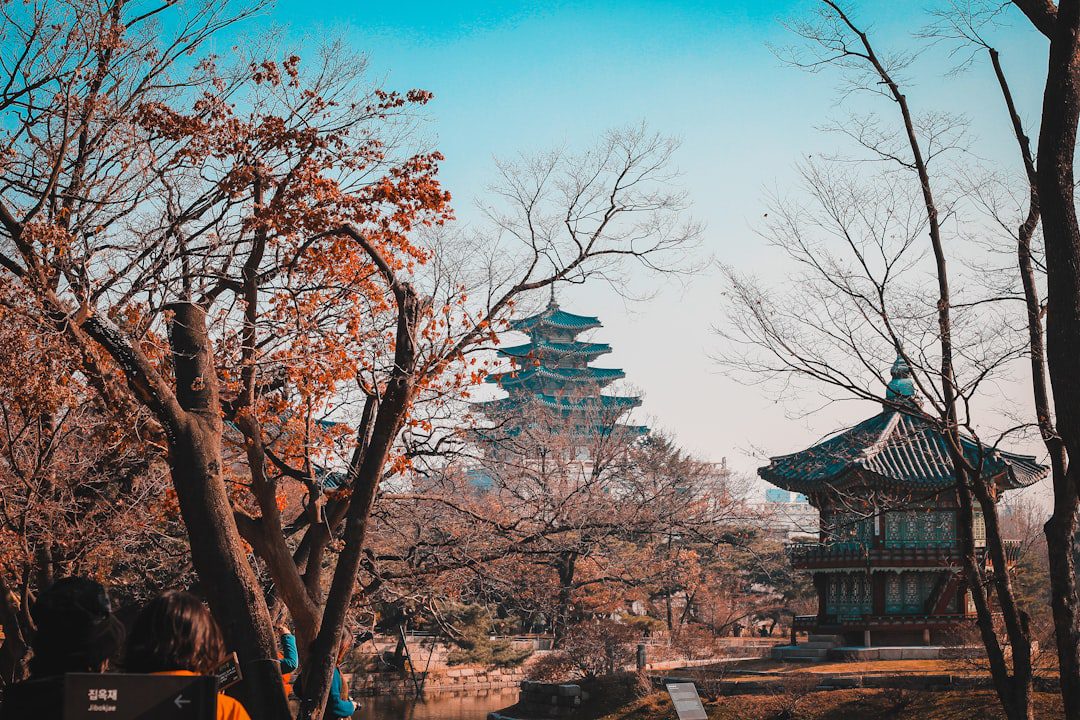
I discovered Ikseon-dong on a rainy Tuesday in 1998, when I was lost trying to find a friend’s apartment in Jongno. What I stumbled into that afternoon—a quiet maze of wooden hanok buildings tucked between modern apartment towers—has become one of my favorite places to disappear into whenever Seoul feels too loud. Back then, it was purely residential, with grandmothers hanging laundry and teenagers playing badminton in narrow alleys. Now, 35 years into my Korea journey, I’ve watched this neighborhood transform into something unexpected: a place where 200-year-old tile roofs shelter trendy cafes, and where you can sip a ₩6,000 cold brew while sitting in a building older than most nations.
Ikseon-dong isn’t Bukchon—it won’t have the crowds or the carefully curated Instagram aesthetic. Instead, it’s scrappier, more authentic, and honestly more interesting. It’s where locals actually live, where hanok preservation happened organically rather than by government mandate, and where the owner of a 1920s wooden tea house is just as likely to be a 28-year-old startup founder as a 70-year-old ajumma. This neighborhood reveals something true about modern Korea: tradition and innovation don’t have to fight each other.
Whether you’re planning a two-hour wander or making it your afternoon base, here’s everything you need to know about Ikseon-dong—the real version, not the filtered version.
Getting There & Orientation
Ikseon-dong sits in Jongno-gu, in Seoul’s historic northeast. The neighborhood is small—you can walk from one end to the other in about 15 minutes—but it’s easy to get turned around in the alleys, which is part of its charm.
Subway & Transportation
Your best entry point is Anguk Station (Line 3, Exit 5). When you exit, you’ll see the neighborhood immediately to your southeast. It’s about a 3-minute walk down a sloped street to the first hanok alley. Alternatively, if you’re coming from Insadong (which is directly north), you can walk through the connecting alleys—a lovely 5-minute stroll that takes you from touristy to local without any jarring transitions.
Ted’s tip: Exit 5 is technically the furthest, but it deposits you closest to the core of Ikseon-dong’s main alley. Exits 3 and 4 work if you want to explore the neighborhood’s edges.
By car, Ikseon-dong is a nightmare—narrow alleys, limited parking, and it’s residential. Honestly, just take the subway.
| Transit Method | Details | Cost |
|---|---|---|
| Subway Line 3 | Anguk Station, Exit 5 | ₩1,250 |
| Walking from Insadong | North side of Ikseon-dong connects directly | Free |
| Walking from Bukchon | South/west side, about 10-minute walk | Free |
| Taxi | From Myeongdong or Gangnam (not recommended for drop-off) | ₩4,000–₩8,000 |
The Hanok Story: Why Ikseon-dong Matters
Before I tell you where to eat and drink, you need to understand what makes Ikseon-dong different from other historic neighborhoods. Most of Seoul’s preserved hanok areas were developed through top-down government projects. Bukchon, for example, was a government-led hanok preservation initiative that started in the 1990s. Ikseon-dong happened differently—it was never systematically “developed.” Families just never left, so the buildings stayed.
The neighborhood’s name comes from its location near Ikseong School, founded in 1908. The hanok buildings date from the Japanese colonial period (1910–1945) through the Korean War era. Many were built by merchant families and minor nobility. Because Ikseon-dong was never wealthy—it was always working-class residential—it escaped demolition during Seoul’s development boom of the 1970s and 1980s. Those luxury apartment towers you see looming over the alleyways? They went up around the neighborhood, not replacing it.
What happened organically over the past 15 years is the arrival of young creatives. A musician opened a coffee shop. An artist rented a ground-floor studio. A chef who’d worked in New York opened a natural wine bar in a 1930s wooden house. These weren’t government-mandated installations—they were people falling in love with the neighborhood the same way I did, discovering it by accident, and deciding to stay.
Ted’s tip: Visit a weekday morning if possible. You’ll see the neighborhood’s real life—elderly residents sweeping stoops, the postal carrier, someone’s nephew helping repair a door. Weekends bring Instagram tourists, which is fine, but the spirit of the place reveals itself when locals still think nobody’s watching.
The Main Alley: Ikseon-gil
When you exit Anguk Station and walk into Ikseon-dong, you’re on Ikseon-gil—the main pedestrian alley that runs roughly east-west through the heart of the neighborhood. This is where you’ll find most of the cafes, galleries, and small shops. It’s narrow (maybe 3 meters wide in places), lined with wooden hanok buildings, and almost entirely car-free.
Walking the Alley
Start at the western entrance near Anguk Station. You’ll immediately notice the mix: a traditional Korean medicine shop next to a minimalist concrete cafe. The alley slopes gently downward as you head east, which is good—it means the walk feels effortless. Trees overhang the rooflines. In spring, cherry blossoms fall through the alley. In autumn, the tile roofs collect golden leaves. Even in winter, when most of the cafes are empty, there’s something peaceful about the narrow passages and silence.
The alley isn’t long—maybe 300 meters of main pedestrian street—but it branches into smaller alleys and side streets. These offshoots are where you’ll find some of the most interesting spaces: family homes with quirky art projects, a tiny gallery operating from someone’s living room, a workshop where a silversmith still makes traditional jewelry by hand.
The rhythm is loose. There’s no grand plaza, no structured “plaza district” feeling. Buildings touch each other. Paths narrow. You’ll turn a corner and suddenly face a wall, then discover a passage to the left. This is intentional—it’s how hanok neighborhoods were designed, with narrow passages creating microclimates and privacy for each home.
Cafes & Coffee Culture in Ikseon-dong
Ikseon-dong has roughly 40–50 cafes, galleries, and small eateries packed into a few blocks. I’ve been visiting for nearly three decades, and what strikes me now is how the cafe culture has maintained quality while staying unpretentious. These aren’t Gangnam status-symbol cafes where you pay ₩8,000 for an espresso because of the decor. They’re places where people actually work, read, and spend hours with friends.
Signature Cafes
Ikseonbang is the unofficial anchor of the neighborhood—a traditional Korean tea house installed in a 1920s hanok building. They serve hwach’a (traditional fruit punch), yujacha (citron tea), and omija (five-flavors berry) served cold or hot depending on season. The owner converted the space carefully, preserving original wooden beams and floor levels. It’s not fancy, but it’s authentic. A cup of tea runs ₩5,000–₩7,000, and you’ll sit in rooms that haven’t been fundamentally altered in a century. Open: 11 AM–7 PM daily.
Anthracite is the opposite—a third-wave coffee spot where the barista used to work in Melbourne. They roast their own beans, pour over coffee is ₩6,000, and the interior is all exposed brick and industrial design. Somehow it doesn’t clash with the 1930s wooden building around it. They do “coffee pairing”—serving a single-origin espresso with a small pastry designed to complement it. Open: 10 AM–7 PM.
Ikseon Gonggan is a hybrid space—gallery downstairs, cafe upstairs. The back section opens into a small courtyard where you can see sky between the hanok roofs. Their specialty is seasonal drinks (plum blossom tea in spring, cold barley in summer). No printed menu—they tell you what’s available. Prices around ₩5,000–₩6,500. Open: 11 AM–6:30 PM (closed Mondays).
| Cafe Name | Specialty | Price Range | Hours |
|---|---|---|---|
| Ikseonbang | Traditional Korean tea | ₩5,000–₩7,000 | 11 AM–7 PM daily |
| Anthracite | Specialty coffee | ₩6,000–₩7,000 | 10 AM–7 PM daily |
| Ikseon Gonggan | Seasonal drinks | ₩5,000–₩6,500 | 11 AM–6:30 PM (closed Mon) |
| Garak | Natural wine, coffee | ₩6,000–₩10,000 | 11 AM–9 PM daily |
| Seul:so | Tea house with snacks | ₩4,500–₩7,000 | 12 PM–6 PM (closed Tue) |
Ted’s tip: Most cafes are quiet until 3 PM. If you want that peaceful, literary atmosphere—sitting alone with a book while light filters through old wooden window frames—come mid-afternoon. Mornings attract the work-from-cafe crowd (which is fine), and evenings get social. Weekday afternoons? That’s when you understand why I keep coming back.
Natural Wine & Evening Bars
Ikseon-dong has become known for small natural wine bars that operate from hanok spaces. Garak is the best example—run by a sommelier who sources wines from small Korean and European producers. The interior is deliberately unpretentious: communal wooden tables, exposed stone walls, bottles stacked on shelves without fanfare. Wine by the glass ₩8,000–₩12,000, bottles ₩45,000–₩80,000. They serve small plates—cured meats, cheese, sautéed vegetables. Open: 11 AM–9 PM daily. This is the kind of place where you can spend four hours talking to strangers and it feels natural.
Jingugak is an older-style pojangmacha (street tent bar) that’s been at the same corner for 20+ years. Not a cafe, but worth knowing about. They serve soju and malt liquor with fried snacks. Drinking culture in Korea is evolving—read our guide to anju (drinking snacks) to understand what you’re actually supposed to order here. Prices: ₩3,000–₩5,000 per drink, ₩8,000–₩15,000 per plate of food. Open: 4 PM–11 PM (closed Sundays).
Restaurants & Meal Spaces
Ikseon-dong isn’t primarily a dining destination—the neighborhood is too small and cafes are the main draw. But there are a few solid meal options if you’re hungry between shops and galleries.
Lunch & Casual Dining
Tosokchon Samgyetang is a thin-broth chicken ginseng soup place that’s been operating from a hanok for over 30 years. A full bowl with ginseng and sticky rice: ₩18,000. They also serve the soup cold in summer (called yeolmu samgyetang). The building is original—wooden pillars, traditional wood-burning ondol (heated floor system), though modernized. It’s become a tourist spot, so expect waits on weekends. Open: 10 AM–9 PM daily.
Myeongdong-kkoma serves small kimbap rolls, egg rolls, and simple Korean comfort food. It’s technically in nearby Myeongdong district, but it’s within walking distance. This is the kind of lunch spot where office workers and students eat standing up, three-item plate ₩7,000–₩9,000. Fast, unpretentious, no English menu (but just point at what you want). Open: 9 AM–8 PM (closed Sundays).
Osulloc Tea House is the upscale Korean tea chain, but their Ikseon-dong location is worth visiting if only for the building—a completely renovated 1940s hanok with a tea garden on the roof. They serve traditional green tea, roasted barley tea, and yujacha. Cakes or snacks with tea ₩15,000–₩20,000 per set. Open: 10:30 AM–9 PM daily.
| Restaurant | Cuisine | Price (Main Dish) | Hours |
|---|---|---|---|
| Tosokchon Samgyetang | Ginseng chicken soup | ₩18,000 | 10 AM–9 PM daily |
| Myeongdong-kkoma | Kimbap, egg rolls | ₩7,000–₩9,000 | 9 AM–8 PM (closed Sun) |
| Osulloc Tea House | Korean tea & cakes | ₩15,000–₩20,000 (set) | 10:30 AM–9 PM daily |
Galleries, Antiques & Shopping
One of Ikseon-dong’s charms is that it’s not a commercial shopping district. There are no chains, no franchises, no concept stores. What you find instead are independent galleries, small vintage shops, and craft studios—places that exist because an artist decided to take a gamble on a beautiful old building.
Art Galleries
Narak Gallery showcases contemporary Korean painters and sculptors. The space itself is a converted hanok—white walls, exposed beams, skylights cut carefully into the traditional roof structure. They host new exhibitions monthly. Free entry. Open: 11 AM–6 PM (closed Mondays).
Okkult is a smaller artist-run gallery focusing on printmaking, photography, and experimental work. Exhibitions rotate. Artists often live in the upstairs apartments. It’s the kind of space where you might show up and find the artist actually working. Free entry. Open: 12 PM–7 PM (hours fluctuate with exhibitions).
Both galleries are real—not tourist traps. They make money on actual art sales, not foot traffic. This means the work displayed is genuine and often challenging.
Antiques & Vintage
Kkache sells vintage Korean items: old textiles, wooden boxes, ceramics, traditional sewing tools. Nothing is mass-produced. The owner, a woman in her 60s who’s lived in Ikseon-dong her entire life, curates pieces from estate sales and antique fairs. Prices range from ₩8,000 for a textile piece to ₩200,000 for significant ceramics. Open: 1 PM–6:30 PM (closed Sundays and Mondays).
Do Pottery & Craft Studio is half-shop, half-working studio. The owner—a Korean-American ceramicist—creates and sells hand-thrown pieces. You can watch her work. Mugs and small vessels ₩35,000–₩80,000, larger pieces custom. Open: 11 AM–7 PM (closed Tuesdays). If you’re interested in ceramics more broadly, we have a full guide to Korean pottery and ceramics shopping and classes.
Bookshops & Design
Ikseon Books is a small independent bookshop specializing in art books, photography, and Korean literature in translation. The owner—a former publisher—stocks about 2,000 carefully chosen titles. They host author readings monthly. Open: 11 AM–7 PM (closed Mondays).
Ted’s tip: Don’t expect to find tourist merchandise in Ikseon-dong. There are no t-shirt shops, no souvenir stands, no “I ♥️ Korea” mugs. The commercial spaces here serve locals or serious collectors. This is why it feels different from Bukchon or Insadong—it hasn’t been entirely converted into a tourist economy. Treat it as a neighborhood, not a museum.
| Shop Name | Type | Price Range | Hours |
|---|---|---|---|
| Narak Gallery | Contemporary art | Free entry / ₩200,000–₩2,000,000+ (paintings) | 11 AM–6 PM (closed Mon) |
| Kkache | Vintage Korean antiques | ₩8,000–₩200,000 | 1 PM–6:30 PM (closed Sun/Mon) |
| Do Pottery Studio | Handmade ceramics | ₩35,000–₩200,000+ | 11 AM–7 PM (closed Tue) |
| Ikseon Books | Art & photography books | ₩15,000–₩60,000 | 11 AM–7 PM (closed Mon) |
| Okkult Gallery | Artist-run gallery | Free entry / variable | 12 PM–7 PM (variable) |
Seasonal Experiences & Best Times to Visit
Like much of Seoul, Ikseon-dong changes dramatically with the seasons. Here’s when to visit and what to expect:
Spring (March–May)
Cherry blossoms bloom in early April. The narrow alleyways become tunnels of pink and white. This is peak season—expect crowds on weekends, but weekday mornings are still peaceful. Average temperature 10–20°C. Cafes open their windows. This is when you see why photographers love this neighborhood.
Summer (June–August)
Hot and humid (25–32°C). The wooden hanok buildings stay naturally cool because of their design—thick walls, overhanging eaves, ventilation through wooden lattice windows. Summer is actually pleasant in Ikseon-dong while other parts of Seoul are sweltering. Many cafes serve cold barley tea and iced coffee. The evenings cool down by 6 PM, so early evening walks are ideal. Crowds diminish in July-August when locals travel.
Autumn (September–November)
This is genuinely my favorite time. Temperatures 15–25°C. By late October, the trees turn golden, and the narrow alleys fill with amber light. The ginkgo trees near Anguk Station (just outside Ikseon-dong proper) are spectacular. For more on Korea’s autumn foliage, see our complete guide to Korean autumn foliage. Crowds thin by late October. You can sit at a cafe patio and read for hours without feeling rushed.
Winter (December–February)
Cold (−5 to 5°C), occasional snow. The neighborhood becomes very quiet. Some smaller cafes have reduced hours or close temporarily. But if you come on a clear winter day when the roofs are frost-dusted, it’s absolutely magical. The wooden buildings photograph beautifully. Fewer tourists. Locals reclaim their neighborhood. Many cafes have cozy interior seating with heating. Winter is when you see Ikseon-dong as locals experience it year-round.
| Season | Temperature | Best For | Crowd Level |
|---|---|---|---|
| Spring (Mar–May) | 10–20°C | Cherry blossoms, photography | High (esp. weekends) |
| Summer (Jun–Aug) | 25–32°C | Cool respite, iced drinks | Medium–High |
| Autumn (Sep–Nov) | 15–25°C | Golden light, color, walking | Medium (best Oct–Nov) |
| Winter (Dec–Feb) | −5 to 5°C | Solitude, frost photography, cozy cafes | Low |
Ted’s tip: Ikseon-dong during Korean holidays (Chuseok, Seollal, Lunar New Year) can be tricky—many family-run shops and cafes close for 3–5 days. Check our holiday calendar guide before planning. Conversely, holidays are the best time to visit if you want true solitude.
Practical Information & Safety
Money & Payment
Most cafes and shops accept both cash and card (contactless payment preferred). Many smaller establishments have a minimum card payment of ₩10,000. ATMs are available at the nearby GS25 convenience store and Hana Bank on the eastern edge of the neighborhood. The neighborhood is cash-friendly—if you have Korean won, you’re fine.
Safety & Etiquette
Ikseon-dong is extremely safe. It’s a residential neighborhood with significant foot traffic during the day. The alleys are narrow but well-lit in the evening. Standard Seoul safety rules apply: keep valuables close, don’t accept drinks from strangers, trust your instincts. For more on safety in Korea generally, see our solo female travel safety guide.
One neighborhood-specific etiquette note: Many hanok buildings are private residences. Don’t photograph people’s homes or doorways without permission. Don’t sit on someone’s front stoop. Don’t treat the neighborhood like a theme park. The locals here tolerate and often welcome visitors, but they’re living their lives. Show respect.
Accessibility
Ikseon-dong is old and narrow. Wheelchair access is difficult—the alleyways slope, the building entrances have steps, and there are no ramps. The main alley (Ikseon-gil) is doable with a wheelchair, but side alleys are not accessible. If you use a mobility device, you can still visit the main cafes on Ikseon-gil, but you’ll miss much of the neighborhood’s character.
| Service | Details | Location |
|---|---|---|
| ATM | GS25 convenience store | Eastern edge, near main alley exit |
| Convenience Store | GS25, CU (2 locations) | Edges of neighborhood |
| Restroom | Public restroom in alley (free) | Central alley area |
| Phone/Internet | Strong 5G coverage throughout | All areas (see WiFi guide) |
| Emergency | Police 112, Ambulance 119 | English-speaking operators available |
Day Trip Itinerary: How to Spend 4 Hours in Ikseon-dong
If you’re planning a focused visit, here’s a realistic timeline:
1:00 PM–1:30 PM: Arrive via Anguk Station (Exit 5). Grab lunch at Tosokchon Samgyetang or Myeongdong-kkoma. Eat standing up or at a small table. ₩8,000–₩18,000.
1:30 PM–2:30 PM: Walk the main alley slowly. Take photos. Duck into side alleys. Visit one or two galleries (free entry). Observe the details—roof tiles, wooden door frames, stone walls, the way light filters through eaves.
2:30 PM–4:00 PM: Sit in a cafe. Order a coffee or traditional tea. Work, read, or journal for an hour. This is the heart of Ikseon-dong—not rushing, just being present in an old, beautiful space. ₩5,000–₩7,000.
4:00 PM–4:30 PM: Browse one antique or craft shop. Window-shop others. Maybe buy one small thing—a ceramic piece, a vintage textile, a book.
This gives you the neighborhood’s essence without feeling rushed.
Nearby Neighborhoods: Extended Exploration
Ikseon-dong sits at the intersection of several historic neighborhoods. If you have more time, consider:
Insadong (directly north): Seoul’s most famous arts and crafts neighborhood. More touristy than Ikseon-dong, but with excellent galleries and bookshops. We have a full Insadong neighborhood guide.
Bukchon Hanok Village (southwest, 10-minute walk): Larger preserved hanok neighborhood, more structured and touristic, but worth seeing for comparison. Full Bukchon guide here.
Jongno 3-ga (east, 5-minute walk): Modern Seoul—shopping streets, restaurants, street food. Good contrast to Ikseon-dong’s quiet.
Gyeongbokgung Palace (west, 15-minute walk or subway): Seoul’s grandest palace with gardens and museums. Full Gyeongbokgung guide available.
Photography Tips for Ikseon-dong
This neighborhood is absurdly photogenic. Here’s how to capture it well:
Golden hour (late afternoon): The narrow alleys create dramatic shadows. Late afternoon light (4–6 PM in winter, 5–7 PM in summer) casts long shadows and creates texture on old wooden buildings. Arrive mid-afternoon, and you’ll be positioned perfectly.
Rain and mist: Sounds atmospheric, and it is—wet hanok roofs glisten, mist softens the narrow passages, reflections in puddles. A rainy day here beats many sunny days in more open neighborhoods.
Detail shots: Don’t just photograph buildings. Get close on weathered wood, carved door frames, worn stone thresholds, traditional latches. The neighborhood’s beauty is in the details.
People respectfully: If locals are around, ask permission before photographing them or their homes. This isn’t a movie set—it’s a living neighborhood.
Wide shots at alleys’ ends: Position yourself at one end of a narrow alley and shoot straight through. The perspective is striking. The alley’s tree-lined entrance near Anguk Station is especially photogenic.
Frequently Asked Questions
Is Ikseon-dong better than Bukchon or Insadong?
Different, not better. Bukchon is larger and more structured—better if you want to see more preserved hanok in one visit. Insadong is more commercial and touristy—better if you’re shopping for arts and crafts. Ikseon-dong is quieter, more intimate, and less commercialized. It’s best for people who want to feel like they’ve discovered a real neighborhood rather than visited an attraction. Personally? I visit Ikseon-dong when I want to slow down. I visit Bukchon when I’m showing visitors “historic Seoul.” And I avoid Insadong on weekends.
How long should I spend in Ikseon-dong?
Minimum 2 hours if you’re just walking and stopping at one cafe. Ideal is 3–4 hours, allowing time to sit in a cafe without rushing and explore side alleys. You could easily spend a full day here if you combine it with Bukchon or Insadong. Don’t try to see Ikseon-dong in 30 minutes—you’ll miss the whole point.
Do I need a guide to explore Ikseon-dong?
No. The neighborhood is small and easy to navigate. Walking without a guide is half the fun—turning corners randomly, discovering side passages, stumbling into a gallery you weren’t expecting. Paid tours exist, but they usually rush through, hitting the Instagram spots. Explore solo or with friends at your own pace.
What should I bring when visiting?
Comfortable walking shoes (the alleys have uneven stone paving and slopes). A light jacket or sweater (even summer nights cool down, and older buildings can feel cool inside). A camera or phone for photos. A notebook if you like journaling. Water—it’s easy to walk around dehydrated. Cash in Korean won helps at smaller shops. That’s genuinely all you need.
Can I visit Ikseon-dong on a rainy day?
Absolutely. In fact, rain is one of the best times to visit. The alleys are quieter, the wet stones and roofs are atmospheric, and the galleries are less crowded. Pack an umbrella. Cafes are designed for lingering on days like this. Some people say rainy Ikseon-dong is when it’s most beautiful.
Are there public restrooms in Ikseon-dong?
Yes, there’s a public restroom in the central alley area near the main commercial section. Most cafes are also friendly about letting customers use their facilities if you make a purchase. Convenience stores (GS25, CU) on the neighborhood’s edges have restrooms accessible if you buy something small.
Is it true that some of the hanok are over 100 years old?
Yes. Buildings from the 1910s–1930s Japanese colonial period still stand. The oldest date to the early 1900s. Some buildings are reinforced internally but maintain their original exterior wooden structure and roof. It’s remarkable that they’ve survived Seoul’s rapid development. They survive because families refused to sell and the neighborhood was never targeted for large-scale development.
Are the cafes and shops overpriced for tourists?
Surprisingly, no. Prices are reasonable—sometimes cheaper than equivalent cafes in Gangnam or Hongdae. This is partly because Ikseon-dong isn’t as touristy as Bukchon, so shops haven’t inflated prices. A coffee that costs ₩8,000 in Myeongdong costs ₩6,000 in Ikseon-dong. Locals still frequent these places, which keeps prices honest.
Final Thoughts
I’ve spent 35 years in Korea, and I’ve watched Seoul transform from a city of survival and hustle into something more reflective. Ikseon-dong represents that transformation perfectly. It’s not a museum or a theme park. It’s a neighborhood where the past and present coexist because neither has completely overwritten the other.
What I love about Ikseon-dong is that it resists neat categorization. It’s old but not frozen in time. It’s becoming trendy but hasn’t sold its soul. It has tourists but still belongs to locals. You can sit in a 1930s wooden building, working on your laptop via 5G, drinking a third-wave pour-over coffee, and it somehow doesn’t feel incongruous. That’s Korea in 2026—honoring what came before while not being afraid of what’s next.
Come for the cafes and galleries. Stay for the quiet. Leave understanding that tradition and modernity aren’t enemies.
— Ted K
Image Credits: Photos sourced from Unsplash. By using this site, you agree to our Privacy Policy and Disclaimer.