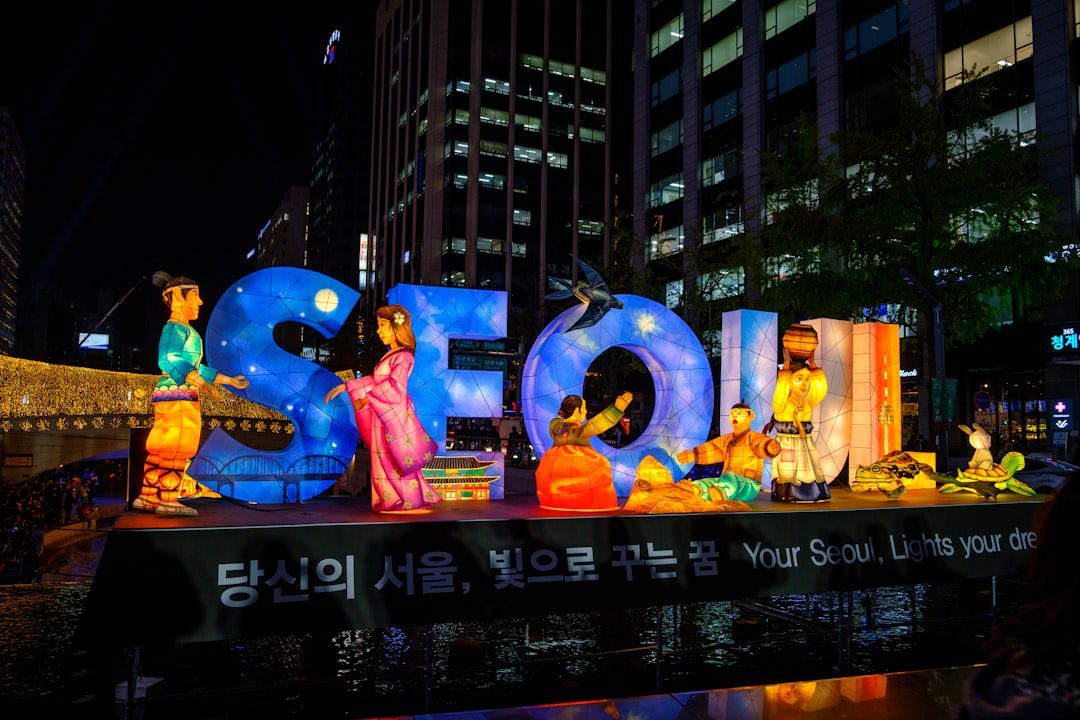
When I first moved to Seoul thirty-five years ago, Seongsu-dong was a gritty industrial district where printing factories and metalwork shops clattered away in converted warehouses. No one talked about it. No tourists ventured there. It was the kind of neighborhood you passed through on the subway, not *to*. Fast forward to 2026, and I can barely recognize the place — in the best possible way.
Over the last decade, artists, designers, and young entrepreneurs saw what I saw beneath the rust: authentic character and endless bones for creative reinvention. Today, Seongsu-dong is rightfully called Seoul’s Brooklyn — a neighborhood where vintage clothing stores sit next to minimalist galleries, where a decades-old metal factory is now a trendy craft beer bar, and where every café seems to have its own Instagram-worthy aesthetic. It’s the place where Seoul’s creative class actually *lives* and works, not just where they Instagram for likes.
I’ve watched this transformation happen block by block, and honestly? It’s one of the most genuine neighborhood evolutions I’ve witnessed in my three and a half decades here. If you want to see Seoul beyond the tourist clusters, and experience the city the way young creative Koreans actually do, Seongsu-dong is essential. Here’s everything you need to know.
Getting to Seongsu-dong: Location & Subway Access
Seongsu-dong is located in the Seongdong-gu district on Seoul’s east side, and it’s incredibly easy to reach from the city center. The neighborhood’s beating heart is anchored by two main subway stations, and knowing the difference between them will make your visit infinitely smoother.
The primary station is Seongsu Station (Line 2, Station 215), which opened in 1983 and connects the neighborhood to central Seoul in about 15-20 minutes. From Gangnam, it’s a straight shot on Line 2 — roughly 25 minutes. From Myeongdong or downtown Seoul, hop on Line 2 heading east toward Samseong, and you’ll hit Seongsu in 12-15 minutes. The station itself is modern and well-signposted with English, Japanese, and Chinese directions.
Ttukseom Station (Lines 2 and 5, Station 216) is the secondary access point, just one stop east of Seongsu. Both stations have exits leading directly into different parts of the neighborhood, and I’d recommend exploring both since they branch into different café and gallery clusters.
| Subway Route | Time from Seongsu Station | Best For |
|---|---|---|
| From Myeongdong (Line 4 → Line 2) | 18 minutes | Central Seoul tourists |
| From Gangnam (Line 2 direct) | 25 minutes | South Seoul base |
| From Itaewon (Line 6 → Line 2) | 22 minutes | Expat neighborhoods |
| From Jongno 3-ga (Line 1 → Line 2) | 20 minutes | Historic Seoul base |
Ted’s tip: Exit from Seongsu Station’s Exit 2 or 3 if you’re heading to the main gallery and café clusters. Exit 1 leads more toward the shopping streets. Ttukseom Station’s Exit 5 opens directly onto the riverside, which is perfect if you’re planning a walk along the Hangang Park before hitting the neighborhood proper.
The neighborhood itself is eminently walkable — most key spots are within a 15-minute walk of the subway stations, and the streets are mercifully flat. I typically spend half a day here because there’s genuinely that much to see, and most visitors end up staying longer than planned once they start wandering.
The Seongsu-dong Café Culture: Where Coffee Meets Creativity
If Seongsu-dong has a soul, it lives in the cafés. This isn’t the corporate chain-café culture of Myeongdong or Gangnam. These are independent, often single-owner operations where the barista remembers your order and the walls feature rotating local art. Coffee prices run ₩4,500–₩7,500, which is reasonable for Seoul, and most places take their craft seriously.
Must-Visit Cafés in Seongsu-dong
Anthracite Coffee is the neighborhood institution — an industrial-minimalist roastery that’s been here since before Seongsu-dong became trendy. The owner sources single-origin beans directly from farms, and if you ask nicely, he’ll explain the flavor profiles in detail. The café occupies a converted factory space with soaring ceilings and original brick, and the espresso is honestly exceptional. Americano ₩5,000. Location: a 7-minute walk from Seongsu Station Exit 2. Hours: 9 AM–8 PM, closed Mondays.
Diarybook is where Seongsu-dong’s young creative crowd actually hangs out to work. It’s a hybrid café–bookstore–design studio that feels more like someone’s cool apartment than a commercial space. The bookshelves feature Korean indie publications, zines, and design books. Their lattes have latte art that’s genuinely impressive, and they occasionally host small exhibitions or artist talks. Cappuccino ₩6,500. Location: directly across from Seongsu Station Exit 3. Hours: 11 AM–10 PM daily.
Mitte Coffee is the spot for architecture and design nerds. The café is housed in a gorgeous converted printing factory with exposed beams, and the interior design is meticulous without being pretentious. The pastries are from a local baker, not shipped in. Flat white ₩6,000. Location: 10-minute walk from Seongsu Station, near the Garosu-gil development. Open 8 AM–8 PM, closed Tuesdays.
Nohohon Café specializes in traditional Korean teas and coffee, bridging the old and new. The owner studied traditional tea ceremony and sources directly from tea farms in Jeolla Province. It’s a quieter spot, perfect if you want to escape the buzz. Korean ginseng tea ₩6,000, specialty coffee ₩5,500. Location: 12-minute walk from Ttukseom Station Exit 5. Hours: 10 AM–7 PM, closed Wednesdays.
Ted’s tip: Most cafés in Seongsu-dong have excellent WiFi and encourage long stays. If you’re working or studying, you won’t feel rushed. Many don’t have English menus, but pointing at what someone else is drinking works perfectly well — and the baristas are genuinely patient with non-Korean speakers.
| Café Name | Specialty | Avg. Price | Vibe |
|---|---|---|---|
| Anthracite Coffee | Single-origin beans, espresso | ₩5,000 | Industrial minimalist |
| Diarybook | Specialty lattes, indie books | ₩6,500 | Artsy, collaborative |
| Mitte Coffee | Quality coffee, pastries | ₩6,000 | Design-focused |
| Nohohon Café | Korean tea, specialty coffee | ₩6,000 | Calm, traditional |
A favorite weekend ritual of mine is to start at one of the riverside cafés (near Ttukseom Station), grab an Americano, and walk along the Hangang Park paths while watching cyclists and joggers pass. It’s a very Seoul experience that most tourists completely miss.
Contemporary Art Galleries: Seongsu’s Creative Heartbeat
Seongsu-dong has become a gallery district to rival Insadong and Samcheong-dong, but with a distinctly younger, more experimental edge. In the mid-2010s, galleries began opening in converted factory spaces, and now there are over 30 contemporary art venues in the neighborhood. Most are free to enter, and even if you don’t consider yourself an “art person,” the spaces themselves are worth seeing — industrial cavernous rooms transformed into white-cube galleries are genuinely striking.
Key Gallery Clusters
The main gallery concentration is along Seongsu 2-ga Street (a 5-7 minute walk from Seongsu Station Exit 2). This pedestrian-friendly street has transformed over the last five years into a de facto gallery district. Gallery Geumsan, Seongsu Art Space, and Project Space Sanam are all within a 3-minute walk of each other.
Gallery Geumsan focuses on contemporary Korean painting and sculpture. They typically have 4-5 exhibitions rotating throughout the year, with gallery artists getting solo and group shows. The space is a converted printing factory with original wood beams and soaring ceilings — the architecture is half the experience. Free entry. Hours: 11 AM–7 PM, closed Sundays and Mondays. Website: gallery-geumsan.kr (Korean only, but the gallery staff speaks some English).
Project Space Sanam is one of my favorite venues because they actively champion experimental and emerging artists. They’re more likely to show video art, installations, and collaborative works than traditional paintings. The space is smaller and more intimate than Geumsan, but that’s part of its charm. Free entry. Hours: 1 PM–7 PM, closed Sundays. No website, but they post updates on Instagram @projectspace_sanam.
A second gallery cluster has emerged around Seongsu 3-ga, slightly north of the main 2-ga strip. Seongsu Art Center (operated by the Seongdong-gu district office) is the anchor here, hosting both emerging and established artists. They often have themed exhibitions that are more accessible to casual visitors — I’ve seen everything from photography surveys to textile art installations. Free entry. Hours: 10 AM–6 PM, closed Mondays.
Ted’s tip: Gallery seasons in Korea run roughly March–May and September–November, when exhibitions rotate most frequently. If you’re visiting in summer or winter, you might find fewer shows, so check gallery Instagram accounts beforehand. Most galleries are happy to explain artwork if you ask — Korean artists and curators are genuinely passionate about sharing their work.
| Gallery Name | Focus | Entry | Hours |
|---|---|---|---|
| Gallery Geumsan | Contemporary painting, sculpture | Free | 11 AM–7 PM |
| Project Space Sanam | Experimental, emerging artists | Free | 1 PM–7 PM |
| Seongsu Art Center | Mixed media, thematic shows | Free | 10 AM–6 PM |
| Gallery Chosun | Photography, documentary | Free | 10 AM–6 PM |
One of the things I love about Seongsu’s gallery scene is its accessibility — there’s no velvet rope culture, no pretension. Walk into any gallery and you’re treated with the same respect as a collector. The neighborhood’s galleries are genuinely trying to demystify contemporary Korean art for regular people, which feels refreshingly democratic compared to Seoul’s more established art districts.
Vintage & Secondhand Shopping: Treasure Hunting in Seongsu
Seongsu-dong’s vintage scene is extraordinary — genuinely one of the best in Seoul. This isn’t the high-end designer vintage of Gangnam. This is authentic secondhand: affordable Korean streetwear from the 90s and 2000s, genuine vintage band tees, retro Korean school uniforms, and furniture from dismantled estates. If you’re into vintage or retro aesthetics, you could spend an entire afternoon here.
Standalone Vintage & Secondhand Shops
The Vintage 19 is the neighborhood’s flagship vintage store, located in a three-story converted warehouse. The owner sources inventory from estate sales across Korea, and the stock rotates constantly. Ground floor is men’s and unisex clothing (lots of 1990s Korean brand streetwear, vintage band tees, workwear). Second floor is women’s fashion and accessories. Third floor is home goods, furniture, and kitchen items. Prices are democratic: vintage jackets ₩25,000–₩50,000, tees ₩8,000–₩15,000, vintage furniture ₩100,000–₩400,000 depending on condition. Hours: 11 AM–8 PM daily. Location: 8-minute walk from Seongsu Station Exit 2, on the main shopping street.
Retro Vibes specializes specifically in 1980s and 1990s Korean fashion — the era when Korean streetwear was becoming its own thing. You’ll find authentic pieces from defunct Korean brands, vintage school uniforms (very collectible for K-fashion enthusiasts), and genuine 90s athletic wear. The owner is knowledgeable and helpful. Vintage Korean brand jackets ₩30,000–₩60,000. Hours: 12 PM–7 PM, closed Tuesdays. Location: 6-minute walk from Seongsu Station Exit 3.
Second Story is a curated secondhand shop with a strong emphasis on quality over quantity. They stock vintage designer pieces (some mid-range Korean and international designers), carefully cleaned and condition-noted. They also carry contemporary independent Korean designers selling a few pieces. Less treasure-hunt chaotic, more carefully curated. Price point is higher: vintage pieces ₩60,000–₩200,000. Hours: 11 AM–8 PM daily. Location: near Mitte Coffee, 10-minute walk from Seongsu Station.
Ted’s tip: Most vintage shops don’t have fitting rooms (common in Korean secondhand retail), so wear clothes that are easy to try things over. Many items will be sized in Korean sizing, which runs smaller than Western sizes — a Korean “Large” is often an American “Small” or “Medium.” Don’t be shy about asking the owners about sizing. They’re usually very helpful.
Vintage Markets & Pop-ups
Beyond permanent shops, Seongsu hosts vintage pop-up markets roughly every 4-6 weeks, typically on weekends. These are organized by local vintage collectives and feature 20-30 independent sellers. The vibe is casual and social — lots of young Seoul creatives selling pieces from their personal collections. Admission is usually free. To find current pop-ups, follow @seongsu.flea and @seongsu.vintage.market on Instagram, where dates and locations are posted. Prices at markets are slightly lower than permanent shops since vendors are reducing inventory.
| Shop Name | Specialty | Price Range | Vibe |
|---|---|---|---|
| The Vintage 19 | Mixed vintage, estate goods | ₩8,000–₩400,000 | Chaotic, treasure-hunt |
| Retro Vibes | 1980s–1990s Korean fashion | ₩15,000–₩60,000 | Niche, knowledgeable |
| Second Story | Curated designer secondhand | ₩60,000–₩250,000 | Refined, carefully curated |
| Pop-up markets | Varied, individual sellers | ₩5,000–₩100,000 | Social, diverse |
A personal memory: In the spring of 2023, I found a genuine 1970s Korean military surplus jacket at a Seongsu pop-up market for ₩22,000. It’s now one of my favorite pieces. That kind of discovery happens regularly here — Seongsu vintage shopping rewards patient browsing and a willingness to dig through racks. If you’re just looking for Instagram-friendly pieces, you’ll find them. But if you’re looking for *real* treasure, you’ll find that too.
Food & Dining: From Street Snacks to Serious Restaurants
Seongsu-dong’s food scene has exploded alongside the café and gallery culture. There’s everything from tiny pojangmacha (street tent restaurants) to ambitious chef-driven establishments. The neighborhood hasn’t lost its working-class roots — you’ll still find cheap, excellent Korean food alongside trendy concepts.
Local Favorites & Must-Try Spots
Seongsu Kalguksu is a tiny noodle shop that’s been operating since the 1980s when this area was still industrial. The owner still makes everything by hand — the guksu (knife-cut noodles) and broth are exceptional. A bowl costs ₩8,000, and it’s genuine, unironic comfort food. Hours: 10 AM–6 PM, closed Sundays. No English signage, but it’s right near Seongsu Station Exit 1.
Galbijim House specializes in galbijim (braised short ribs), a Korean dish that’s rich and deeply savory. The ribs are tender enough that you barely need to chew. At ₩18,000 per serving, it’s a legitimate splurge meal. They also serve a more casual rice bowl version at ₩12,000. Hours: 11 AM–10 PM, closed Mondays.
Han Kooks is an interesting hybrid: part brewery (they make craft beer on-site), part restaurant serving elevated Korean comfort food. The beef bulgogi is excellent, and the beer pairings are thoughtful. Main dishes ₩14,000–₩22,000, beer ₩6,000–₩8,000 per glass. Hours: 5 PM–midnight, closed Tuesdays. Location: 12-minute walk from Seongsu Station, near the gallery district.
Seongsu Tteokbokki Alley is not a single restaurant but rather a small pedestrian alley with 5-6 tteokbokki (spicy rice cake) vendors operating tiny stalls. It’s chaotic, social, and authentic — this is where young Seongsu residents grab cheap snacks before heading out to bars. A bowl costs ₩6,000–₩8,000 and is genuinely delicious. Location: accessible via the small alley next to Seongsu Station Exit 3. Operating hours: roughly 4 PM–midnight.
Ted’s tip: Many smaller restaurants in Seongsu don’t have English menus. Your phone’s camera translation feature works decently with Korean restaurant menus — just photograph the menu and let Google Lens translate. Alternatively, ask to look at what other customers are eating and point. Koreans are generally patient and helpful with language barriers.
| Restaurant/Vendor | Cuisine Type | Price Range | Hours |
|---|---|---|---|
| Seongsu Kalguksu | Handmade noodles | ₩8,000 | 10 AM–6 PM |
| Galbijim House | Braised short ribs | ₩12,000–₩18,000 | 11 AM–10 PM |
| Han Kooks | Korean + craft beer | ₩14,000–₩22,000 | 5 PM–midnight |
| Tteokbokki Alley | Street snacks | ₩6,000–₩8,000 | 4 PM–midnight |
The best thing about Seongsu food is that it hasn’t become pretentious. Yes, there are trendy restaurants, but the neighborhood has maintained its working-class food roots. You can have a ₩8,000 bowl of noodles at the same counter where construction workers, office employees, and art students are all eating together. That’s Seoul at its best.
Nightlife & Bars: Seongsu After Dark
Seongsu-dong’s nightlife is sophisticated without being stuffy. This is where Seoul’s creative professionals drink — designers, architects, musicians, artists. The bar scene has a strong craft beer and natural wine focus, with several spots that are genuinely excellent.
Bars & Nightlife Venues
Namu Craft Brewery is housed in a converted factory space and operates as a brewery + bar hybrid. The owner sources hops and grains directly, and the beers are genuinely interesting — rotating seasonal styles and experimental batches. The space is enormous, with high ceilings and original industrial architecture. Beer ₩7,000–₩9,000 per glass, flight tastings ₩15,000. Hours: 5 PM–1 AM, closed Tuesdays. Location: 10-minute walk from Seongsu Station Exit 2.
Bar Kota is a natural wine bar that’s become a neighborhood hub. The owner (Kota is Korean-Japanese) has excellent taste and sources wines from interesting Korean and international producers. The vibe is unpretentious — people chat, mingle, and actually engage with the wine rather than just showing off. Wine by glass ₩8,000–₩14,000. Hours: 6 PM–2 AM, closed Sundays. Location: 8-minute walk from Seongsu Station.
Hangang Park Riverside Bars (near Ttukseom Station): In summer, Seongsu residents congregate at small bars and pojangmacha right along the Hangang River, accessed via Ttukseom Station Exit 5. These aren’t fancy — they’re casual open-air drinking spots where you can grab beer and snacks while watching cyclists and the sunset. Very social, very local. Beer ₩5,000–₩6,000. Operating seasonal: roughly April–October.
Ted’s tip: Many bars in Seongsu-dong operate on a “bottle keep” system (common in Korea) — you can order a bottle of soju or spirits, and they keep your partially-finished bottle behind the bar for future visits. It’s cost-effective if you’re planning to return. Most bars have food pairings available, from charcuterie to korean anju (drinking snacks).
If you’re interested in learning more about Korean drinking culture in general, I’ve written a detailed guide to Korean drinking snacks and how to order drinks at bars, which covers the etiquette and traditions you’ll encounter across Seoul.
Fashion & Design Boutiques: Independent Designers
Beyond vintage shopping, Seongsu has become a hub for independent fashion designers and small-batch apparel makers. These aren’t mall brands — these are designers working directly with customers, often operating from small storefronts or shared design spaces.
Studio Seonmul is a collective space housing roughly 8-10 independent fashion designers. Each has their own small shop within the larger studio, and you can literally watch designers working at sewing machines. The clothes are contemporary, Korea-designed, and priced fairly. Pieces typically range ₩80,000–₩250,000, though there’s occasional sale merchandise at ₩40,000–₩60,000. Hours: 12 PM–8 PM, closed Mondays. Location: 9-minute walk from Seongsu Station Exit 2.
Byeolbaram Accessories specializes in handmade jewelry and small leather goods. The owner sources materials ethically and makes most pieces by hand. Necklaces and bracelets ₩35,000–₩80,000, wallets ₩45,000–₩120,000. Hours: 11 AM–7 PM, closed Tuesdays. Very neighborhood-friendly — the owner speaks English and is happy to customize pieces.
The independent design scene here is refreshingly affordable and creative compared to department store fashion. I regularly see young Korean customers supporting these designers because the quality is exceptional and the prices are transparent — you know exactly where your money is going.
Street Art, Murals & Instagrammable Spots
Seongsu-dong’s transformation has included a significant street art renaissance. Because the neighborhood was historically industrial, there was less cultural “heritage” to preserve, which gave artists more freedom. The result is genuinely impressive murals and installations throughout the neighborhood.
The Seongsu Culture Lane (Munhwa-ro) is specifically the area I’d target for street art photos. This is a small alley behind the main shopping streets that’s been transformed into a street art district with rotating murals and installations. There’s no official “street art tour,” but it’s very walkable — just explore the small alleys around Seongsu 2-ga Street. New pieces appear roughly monthly, so even repeat visitors find something new. Free to explore anytime.
Several cafés have also commissioned murals on their exterior walls. Anthracite Coffee and Mitte Coffee both have striking exterior designs that are popular photo spots. The neighborhood doesn’t have the curated, touristic street art of Hongdae, which means these pieces feel more authentic and less performative.
Ted’s tip: Don’t ask permission to photograph murals — this is public street art, not private property. However, do be respectful of any shops or residences nearby. Early morning (7–9 AM) or weekday afternoons (2–4 PM) are best times to photograph without crowds.
Day Trip Itinerary: How to Spend a Day in Seongsu-dong
If you’re planning a half or full day in Seongsu-dong, here’s a realistic itinerary based on my years exploring the neighborhood:
Half-Day Itinerary (4-5 hours)
| Time | Activity | Location |
|---|---|---|
| 10:00 AM | Arrive via Line 2, Exit 2 | Seongsu Station |
| 10:15 AM | Coffee + pastry | Anthracite or Diarybook |
| 11:00 AM | Gallery browsing (2-3 galleries) | Seongsu 2-ga Street |
| 12:30 PM | Lunch | Seongsu Kalguksu or local options |
| 1:30 PM | Vintage shopping | The Vintage 19 or Retro Vibes |
| 2:30 PM | Street art exploring + photos | Seongsu Culture Lane |
| 3:30 PM | Return to café or rest | Mitte Coffee or riverside |
Full-Day Itinerary (8+ hours)
| Time | Activity | Location |
|---|---|---|
| 9:00 AM | Early coffee | Riverside café near Ttukseom |
| 9:30 AM | Riverside walk/cycling path | Hangang Park |
| 11:00 AM | Gallery hopping (4-5 galleries) | Seongsu 2-ga & 3-ga |
| 1:00 PM | Lunch | Han Kooks or Galbijim House |
| 2:00 PM | Deep vintage shopping | The Vintage 19 (all 3 floors) |
| 3:30 PM | Designer boutique browsing | Studio Seonmul, Byeolbaram |
| 4:30 PM | Afternoon coffee + rest | Nohohon Café |
| 5:30 PM | Street art exploring + photos | Seongsu Culture Lane |
| 6:30 PM | Dinner | Tteokbokki Alley or restaurant |
| 7:30 PM–late | Evening drinks | Namu or Bar Kota |
These are guidelines, not rigid schedules. Honestly, the best way to experience Seongsu-dong is to get a bit lost and wander. Pop into galleries that catch your eye, try restaurants that look interesting, sit in a café and people-watch. The neighborhood rewards curiosity and wandering.
Connecting Seongsu-dong to Other Seoul Neighborhoods
Seongsu-dong’s location on Line 2 makes it easy to combine with other parts of Seoul. Here are my favorite combinations:
Seongsu + Sinchon/Ewha: Hop on Line 2 westbound from Seongsu, get off at Ewha Womans University Station (roughly 18 minutes). Sinchon and Ewha offer a completely different energy — younger, more chaotic, with incredible independent shopping and nightlife. Great contrast with Seongsu’s more refined vibe.
Seongsu + Gangnam/Apgujeong: Continue westbound on Line 2 toward Gangnam Station (roughly 25 minutes). This lets you experience both Seoul’s creative neighborhoods and its luxury shopping districts in a single day.
Seongsu + Hangang River Park cycling: Exit Ttukseom Station and spend 2-3 hours cycling along the Hangang Park paths. The riverside cycling is one of Seoul’s underrated experiences. You can rent bikes for ₩2,000–₩5,000 per hour at multiple rental shops near Ttukseom.
I’d also recommend checking out Korean pottery and ceramics classes if you’re interested in hands-on creative experiences — several ceramics studios operate in Seongsu-dong’s creative district, though they book best with advance notice.
Budget Planning: How Much to Spend in Seongsu-dong
Seongsu-dong is significantly more affordable than tourist-heavy neighborhoods like Myeongdong or Gangnam, but it’s not necessarily cheaper than other Seoul neighborhoods. Here’s a realistic budget breakdown:
| Activity | Low Budget | Mid Budget | Higher Budget |
|---|---|---|---|
| Coffee (2 visits) | ₩9,000 | ₩13,000 | ₩15,000 |
| Meals (lunch + dinner) | ₩14,000 | ₩35,000 | ₩60,000 |
| Galleries/museums | ₩0 | ₩0 | ₩0 |
| Shopping (if any) | ₩0 | ₩40,000 | ₩150,000+ |
| Drinks/bar (evening) | ₩0 | ₩25,000 | ₩50,000 |
| Daily Total | ₩23,000 | ₩113,000 | ₩275,000+ |
Ted’s tip: Most galleries are completely free to enter, and you can spend an entire morning browsing without spending a single won on admission. If you’re budget-conscious, focus on gallery-hopping, riverside walking, and street art exploring. Seongsu-dong is genuinely enjoyable even if you’re not shopping or eating at restaurants.
Frequently Asked Questions
Is Seongsu-dong safe for tourists?
Absolutely. Seongsu-dong is very safe and well-populated, especially during the day and evening. It’s a neighborhood where young professionals and families live, and there’s a strong police presence. Petty theft is not a significant issue. Use the same precautions you would in any major city (don’t leave bags unattended, be aware of your surroundings at night), but genuinely, this is one of Seoul’s safest neighborhoods.
What’s the best time of year to visit Seongsu-dong?
Spring (April–May) and autumn (September–October) are ideal — pleasant weather for walking and café-sitting. Summer can be hot and humid, winter is cold but bearable. Gallery seasons peak in spring and autumn when new exhibitions rotate in. My personal favorite is early autumn (late September) when the weather is perfect and the neighborhood is energized with new exhibitions.
Do I need to speak Korean to enjoy Seongsu-dong?
No. Most younger shop owners and café staff speak some English, and phone translation apps work decently with Korean menus. The neighborhood is also used to international visitors now, so you won’t encounter significant language barriers. That said, learning a few basic phrases (“anyeonghaseyo” for hello, “gamsahamnida” for thanks) goes a long way and is genuinely appreciated.
Can I combine Seongsu-dong with other neighborhoods in one day?
Yes. Seongsu-dong works well with Sinchon/Ewha (15 minutes on Line 2), or Gangnam (25 minutes). I’d recommend giving Seongsu-dong at least 4-5 hours to properly explore, so a full day combining two neighborhoods is realistic but means less deep exploration of each. Half-day Seongsu + evening elsewhere is probably most balanced.
Are there good shopping malls or department stores in Seongsu-dong?
Not really. Seongsu-dong’s shopping is intentionally anti-mall — independent boutiques, vintage shops, and designer collectives rather than chains. If you want large-scale department store shopping, you’d be better served in Gangnam or Myeongdong. Seongsu’s appeal is precisely that it’s *not* that kind of shopping destination.
What should I bring/wear when visiting Seongsu-dong?
Comfortable walking shoes are essential — you’ll be on your feet 4-8 hours browsing galleries and shops. Seongsu-dong is casual and fashion-forward, so there’s no dress code, but it’s a creative neighborhood where people dress thoughtfully. Bring sunscreen if visiting in spring/summer. A small backpack or crossbody bag is helpful for carrying purchases and personal items.
How much time should I realistically spend in Seongsu-dong?
Half-day minimum (4 hours) if you want to get a genuine feel for the neighborhood. Full-day (8+ hours) is ideal to experience cafés, galleries, shopping, and food without rushing. Many visitors end up staying longer than planned because the neighborhood rewards wandering and there’s genuine depth to discover.
Is Seongsu-dong touristy?
Less touristy than Myeongdong or the historic districts, but increasingly popular with international visitors as its reputation grows. You’ll see some tourists, especially near the main gallery and café clusters, but the neighborhood maintains its local character. Weekend mornings are busier than weekday afternoons if you prefer fewer crowds.
Final Thoughts
When I first settled in Seoul 35 years ago, neighborhoods like Seongsu-dong didn’t exist in the tourist imagination — or even in most Seoulites’ consciousness, honestly. It was just an industrial area you passed through. Watching it transform into a genuine creative hub while maintaining authenticity has been genuinely moving. This isn’t Gangnam transformation (maximally commercialized), and it’s not heritage preservation either. It’s organic urban renewal driven by artists and young professionals choosing to work and live here.
The thing about Seongsu-dong that keeps me returning is that it still feels like a *neighborhood* rather than a destination. Yes, there are touristy elements now — the Instagram murals, the café culture — but underneath that is genuine creative activity. People are actually making things here, not just consuming them. You can feel the difference.
If you’re visiting Seoul and want to understand what the city looks like beyond the tourist bubble, if you’re interested in contemporary Korean culture and creativity, or if you just want excellent coffee and vintage shopping in a visually interesting space, Seongsu-dong should absolutely be on your itinerary. Give it half a day minimum. Bring comfortable shoes. Get a bit lost. Talk to people. You’ll understand why this neighborhood has become what it is.
— Ted K
Image Credits: Photos sourced from Unsplash. By using this site, you agree to our Privacy Policy and Disclaimer.