I’ll never forget my first night drinking soju in Korea—back in 1989, in a cramped pojangmacha (tent bar) near Namdaemun Market. The ajeossi next to me ordered something called “anju,” and I watched in confusion as the vendor set down this glorious plate of spicy dried squid, fresh vegetables, and something fried I couldn’t identify. He caught my bewildered expression and said, “You no eat snack with soju? You go crazy!” He was right. That moment changed everything about how I understood Korean drinking culture.
After 35 years here, I’ve learned that anju (안주) isn’t just food—it’s the soul of Korean drinking. It’s the unspoken rule that you never, ever, drink soju or beer without it. The snacks aren’t an afterthought; they’re essential companions that protect your stomach, enhance flavor, and transform a solo drink into a genuine social ritual. Whether you’re at a noraebang with coworkers or a pojangmacha with strangers who become friends, knowing what anju to order separates visitors from people who truly understand Korea.
Here’s everything you need to know about Korean drinking snacks—what they are, why they matter, and where to find the best ones in Seoul.
What Is Anju and Why Koreans Take It So Seriously
Anju literally means “side dishes to accompany alcohol.” But calling it just “food” misses the point entirely. In Korean culture, anju serves multiple critical functions: it slows alcohol absorption, complements the drink’s flavor profile, and creates the social framework for meaningful conversation. You’ll notice Koreans never take a sip of soju without picking up a piece of anju first. This isn’t superstition—it’s practical wisdom developed over centuries.
The traditional belief is that certain anju help “protect” your stomach lining from the harsh bite of high-proof soju (usually 16-20% alcohol). Fatty foods, in particular, are considered ideal because they create a buffer. This is why Korean drinking culture pairs soju with foods like pork belly (samgyeopsal) and fried items. Meanwhile, beer (called “maekju” in Korean) calls for lighter, spicier anju—the carbonation and relative lightness of beer pairs beautifully with food that has heat and acidity.
Ted’s tip: The most important rule I learned: never drink on an empty stomach in Korea. Even ordering a single beer requires ordering anju. Your Korean friends will judge you—kindly, but firmly—if you try.
The Classic Anju: Chimaek (Chicken & Beer)
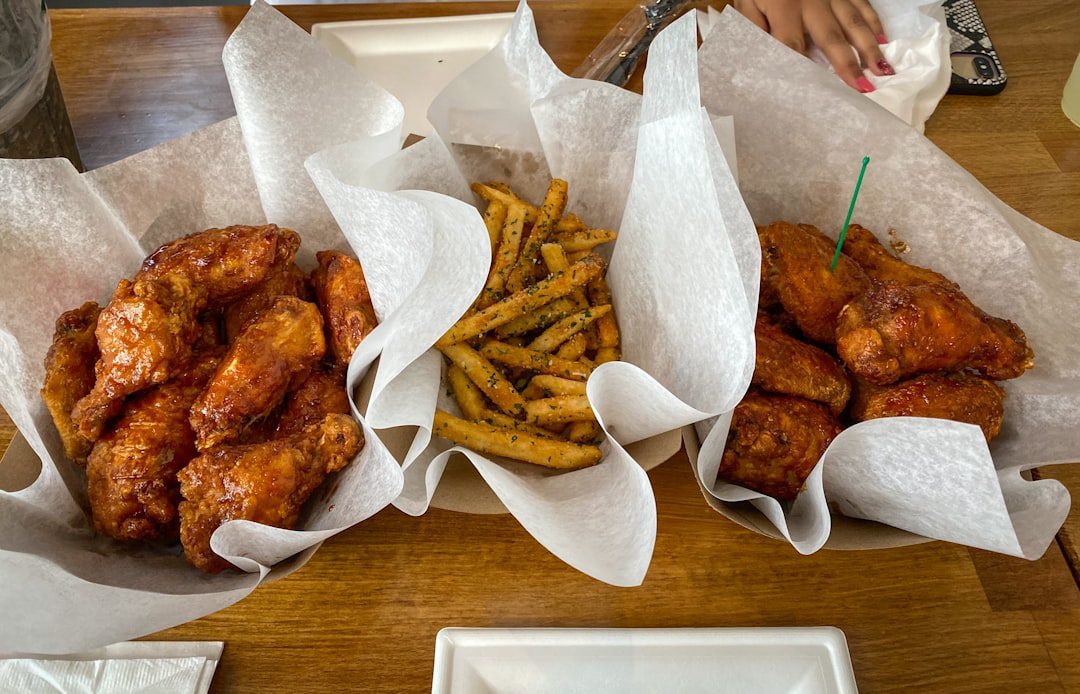
If I had to define modern Korean drinking culture in a single dish, it’s chimaek (치맥)—a marriage of fried chicken and beer so iconic that it’s practically a national institution. The term combines “chicken” (chikin) and “maekju” (beer), and the pairing is so popular that entire restaurants exist solely to serve it.
The genius of chimaek lies in its simplicity: crispy fried chicken with a cold beer creates a flavor cycle that’s nearly addictive. The saltiness and grease of the chicken makes you thirsty, the carbonation of the beer cleanses your palate, and then you reach for more chicken. It’s engineered perfectly, whether by accident or design.
Types of Korean Fried Chicken
Korean fried chicken is radically different from American versions. It’s usually double-fried for extreme crispiness (some places even use a pressure fryer), and the coating is thinner and more delicate. The meat stays juicier because of the cooking technique. You’ll encounter these main styles:
| Chicken Style | Description | Best With |
|---|---|---|
| Yangnyeom Chicken (양념) | Glazed with sweet-spicy sauce, sticky coating | Beer, Soju |
| Crispy Chicken (바삭) | Dry-rubbed or lightly salted, ultra-crispy | Beer (especially) |
| Half & Half | Half spicy sauce, half crispy—best of both | Either drink |
| Soy Garlic (간장) | Deep umami coating, savory glaze | Soju, Beer |
My personal recommendation? Order half yangnyeom (sweet-spicy) and half crispy. The yangnyeom’s sweetness and stickiness pairs beautifully with cold beer, while the crispy version lets you taste the actual chicken. Most chicken restaurants will happily accommodate this.
Where to Get the Best Chimaek
Chain restaurants dominate the chimaek scene, but that doesn’t mean the quality suffers. The three major chains—Kyochon, Nene Chicken, and BBQ Chicken—are ubiquitous and consistent. However, neighborhood pojangmachas and smaller shops often nail it better because they have less to hide. Look for places with lines of locals (always a good sign) and ask your hotel staff for recommendations in your area.
Prices are remarkably reasonable: a half-chicken (½마리) runs about ₩15,000-18,000, a whole chicken (1마리) is ₩28,000-35,000. A bottle of local beer (like Cass or Asahi) costs ₩3,000-5,000 at most restaurants. For reference, that’s about $2-4 USD per beer. You literally cannot beat these prices anywhere else in the world.
Ted’s tip: Order “half&half” (반반) to get two flavors on one chicken. Also, ask for extra napkins—chimaek is aggressively messy, and that’s half the charm.
Must-Try Traditional Anju: Dried Squid, Fish Cake & Beyond
Before chimaek conquered Korea in the 2000s, there were older, more traditional anju that still reign supreme in ajumma-run pojangmachas and older drinking establishments. These are the foods that shaped Korean drinking culture for generations.
Ojingeochim (Dried Squid)
Ojingeochim (오징어칩) is what you think of when you picture “old Korea drinking snacks.” It’s dried squid—sometimes chewy, sometimes brittle, always salty and umami-forward. The texture is an acquired taste; some visitors find it rubbery, others become obsessed. I’m in the latter camp.
The beauty of ojingeochim is its simplicity: just squid, salt, and sometimes a touch of sesame oil. It’s usually served with mayonnaise for dipping, which—trust me on this—transforms the experience. The creamy mayo cuts through the saltiness and creates this addictive sweet-salty-umami cycle. You can find it at almost any pojangmacha or convenience store, pre-packaged, for ₩2,000-4,000.
Ted’s tip: Ojingeochim is actually perfect for soju, not beer. The saltiness makes you crave more soju, and the squid’s fishiness complements soju’s harsh edge in a way that feels right.
Odeng (Fish Cake Skewers)
Odeng (오뎅) is the most humble anju of all: fish cake (surimi) cut into slices or formed into balls, skewered on a stick, and simmered in a light broth. You’ll find it in pojangmachas everywhere, served in a small bowl with the hot broth. It’s cheap (₩1,000-3,000 per order), filling, and absolutely perfect for prolonging a drinking session.
What makes odeng special is its role in Korean drinking rhythm. It’s not flashy—it’s just comforting, warm, and easy to eat between drinks. The broth is rich from hours of simmering, and locals will often drink it directly from the bowl. It’s the drinking snack equivalent of a warm blanket.
Nakji-Bokkeum (Spicy Stir-Fried Squid)
Unlike the chewy sweetness of ojingeochim, nakji-bokkeum (낙지볶음) is fresh squid tossed in a red chili paste (gochujang) sauce with vegetables. It’s spicy, tender (when cooked right), and absolutely crave-worthy. This is more of a “main anju”—substantial enough to anchor a serious drinking session.
You’ll pay ₩12,000-18,000 for a plate, and it’s worth every won. The spice pairs beautifully with both soju and beer, though beer handles the heat better if you’re sensitive. This is a dish I order at pojangmachas regularly; it never disappoints when prepared fresh.
| Traditional Anju | Price | Best With | Difficulty Level |
|---|---|---|---|
| Ojingeochim (Dried Squid) | ₩2,000-4,000 | Soju | Medium (chewy texture) |
| Odeng (Fish Cake) | ₩1,000-3,000 | Either | Easy (familiar taste) |
| Nakji-Bokkeum (Squid) | ₩12,000-18,000 | Either | Medium (spicy) |
| Gyeran-Mari (Rolled Omelette) | ₩8,000-12,000 | Soju | Easy (sweet & comforting) |
Spicy & Adventurous Anju: Tteokbokki, Hotteok & More
If you want to move beyond the basics into genuinely exciting territory, this section is for you. Korean drinking culture has evolved to embrace snacks that are bold, spicy, and increasingly creative.
Tteokbokki (Spicy Rice Cakes)
Tteokbokki (떡볶이)—chewy rice cakes in a bright red gochujang sauce—has become one of Korea’s most beloved anju. It’s spicy, satisfying, and absolutely crave-inducing. The key is finding the right level of spice: street tteokbokki can be brutally hot, while restaurant versions are often more balanced.
The beautiful thing about tteokbokki as anju is that the spice keeps you drinking. Your mouth burns, you reach for beer, the carbonation cools the burn, and the cycle continues. It’s perfect for beer, less ideal for straight soju (though some brave souls do it). Most pojangmachas serve it for ₩5,000-8,000 per order.
Hotteok (Sweet Pancake)
This is where Korean drinking culture surprises Western visitors. Hotteok (호떡) is a sweet pancake filled with brown sugar, honey, and sometimes nuts—absolutely nothing you’d expect paired with alcohol. Yet it’s brilliant. After a few rounds of soju, the sweetness feels like a palate cleanser and energy boost. It provides a moment of comfort before diving back in.
You’ll find hotteok at street carts and pojangmachas for ₩3,000-5,000. It’s warm, it’s comforting, and it’s uniquely Korean. I genuinely recommend trying it at least once during a night out.
Haemul Pajeon (Seafood Pancake)
Pajeon (파전) is a savory pancake made with vegetables and seafood (haemul), fried until the edges are crispy. It’s substantial, elegant, and often ordered as a “shared anju” at the beginning of a drinking session. One large pajeon (about 30cm diameter) costs ₩15,000-20,000 and easily feeds 2-3 people.
The magic is in the crispy edges. Koreans will fight over the perimeter pieces, leaving the softer center for second priority. Pajeon pairs beautifully with both soju and beer, though many prefer it with soju because the drink’s roughness is balanced by the pancake’s richness.
Meat-Forward Anju: Samgyeopsal, Dakgangjeong & Korean BBQ
If you’re looking for something truly substantial—the kind of anju that elevates a casual drinking session into an event—Korean meat-based snacks are unbeatable. These are the anju that linger in your memory.
Samgyeopsal (Pork Belly)
Samgyeopsal (삼겹살)—thick-cut pork belly grilled right at your table—is perhaps the most legendary Korean drinking food. The combination of smoky, charred meat with cold soju is so profound that entire neighborhoods have built their economies around it. Some people say samgyeopsal requires soju; others disagree, but the traditional pairing is undeniable.
You’ll typically order samgyeopsal by the gram (100g = ₩8,000-12,000, depending on quality). A reasonable single-person order is 300g (₩24,000-36,000), which paired with a bottle of soju (₩4,000-6,000) makes for an incredible night. The meat is usually cut thin enough to cook in 10-15 seconds on a gas tabletop grill, then wrapped in lettuce with ssamjang (Korean dipping sauce) and eaten in one bite.
Ted’s tip: Always order the “deung-sim” or “goguma” cuts—the fattier, more marbled pieces. The fat is where all the flavor lives. Also, don’t be shy about ordering the “dweji-gom” (charred, crispy bits that stick to the grill)—locals prize these above the prime meat.
Dakgangjeong (Korean Fried Chicken Bites)
Dakgangjeong (닭강정) is fried chicken coated in a glossy, sweet soy-ginger sauce, sometimes with crushed nuts. It’s similar to Chinese General Tso’s chicken but distinctly Korean in execution. The pieces are bite-sized, deeply addictive, and dangerously easy to devour.
What makes dakgangjeong brilliant as anju is its sweet-savory profile. It’s crispy on the outside but somehow stays tender inside, and the sauce clings to each piece. You’ll find it at pojangmachas for ₩12,000-16,000 per order, and it’s absolutely worth the splurge. It pairs exceptionally well with beer because the sweetness complements the hop bitterness.
Yeonpo-Tang (Spicy Seafood Stew)
For something warming and legitimately luxurious, yeonpo-tang (연포탕) is a spicy seafood stew loaded with shrimp, squid, clams, and fish. It’s typically served bubbling hot in a stone bowl, and it’s the kind of anju you order when you’re planning a long, serious drinking session. The broth is rich and deeply flavored, the seafood is fresh, and the spice is assertive.
This isn’t casual anju—it’s the centerpiece. You’re looking at ₩20,000-30,000 for a pot, and it easily serves 2-3 people. It pairs better with soju than beer because the heat demands something strong to balance it.
| Meat-Based Anju | Price (per serving) | Best With | Best Setting |
|---|---|---|---|
| Samgyeopsal (Pork Belly) | ₩24,000-36,000 | Soju | Dedicated samgyeopsal restaurant |
| Dakgangjeong (Fried Chicken) | ₩12,000-16,000 | Beer | Pojangmacha, Chicken shop |
| Yeonpo-Tang (Seafood Stew) | ₩20,000-30,000 (shared) | Soju | Pojangmacha, Korean restaurant |
| Galbijjim (Braised Short Ribs) | ₩18,000-25,000 | Either | Upscale pojangmacha, Restaurant |
Where to Find the Best Anju: Pojangmacha vs. Restaurants vs. Delivery
Pojangmacha (Tent Bars) — The Soul of Anju Culture
Pojangmachas are temporary structures—essentially tents or small outdoor stalls—that serve food and alcohol, often in markets or on street corners. They’re the beating heart of Korean drinking culture, and they’re where the best anju traditions thrive. The prices are rock-bottom, the atmosphere is electric, and the food is often prepared with more care than you’d expect for the cost.
The most famous pojangmacha alleys in Seoul are:
- Gwangjang Market Pojangmacha (광장시장) — Line 1, Jongno 5-ga Station (종로5가역). This is the most touristy but genuinely worth it. Find odeng, hotteok, and Korean pancakes. Come early; lines form by 6 PM.
- Myeongdong Pojangmacha — Line 4, Myeongdong Station (명동역). Tourist-heavy but decent anju. Better for learning the culture than for authentic local experience.
- Seoul Station Pojangmacha Alley — Line 1/4, Seoul Station (서울역). More local, less touristy. This is where office workers come after work. Better food quality overall.
Ted’s tip: Pojangmachas don’t take credit cards—bring cash. Also, seating is tight, so you’ll often sit elbow-to-elbow with strangers. This is intentional and wonderful. Some of my best nights in Korea started with a random conversation with the ajumma next to me.
Dedicated Anju Restaurants
If you want a more comfortable (air-conditioned, seated) experience, seek out dedicated anju shops. These range from hole-in-the-wall spots to nicer establishments. Look for signage advertising “안주” or searching on Naver Maps for specific dishes (like “닭강정 맛집” for dakgangjeong specialists).
Prices at restaurants are typically 30-50% higher than pojangmachas, but you get better seating and service. Budget ₩30,000-50,000 per person for a solid meal and drinks.
Convenience Store Anju
GS25, CU, and Emart24 (the major convenience store chains) stock pre-made anju that’s honestly better than you’d expect. Dried squid, gimbap, kimbob triangles, and processed snacks are all available for ₩2,000-6,000. For a solo drink at a pojangmacha or park, convenience store anju is legitimate and surprisingly good.
I often grab a package of dried squid and a bottle of soju from a convenience store for a late-night solo drink session. It’s not fancy, but it’s satisfying and deeply Korean.
Ordering Anju Through Delivery Apps
If you’re at an Airbnb or hotel without easy pojangmacha access, you can use food delivery apps like Baemin, Coupang Eats, or Yogiyo to order anju and alcohol to your room. Many chicken restaurants deliver, as do dedicated anju shops. Delivery takes 30-45 minutes and costs ₩2,000-3,000 extra. Total order should be at least ₩15,000-20,000.
Soju vs. Beer: Which Drink Pairs Better With Which Anju?
This is a genuinely important question, and the answer isn’t simple. Both drinks have distinct anju affinities based on flavor profile, alcohol content, and tradition.
| Drink | Alcohol % | Best Anju | Why? |
|---|---|---|---|
| Soju | 16-20% | Samgyeopsal, Nakji, Pajeon, Ojingeochim | Fatty & salty anju balance soju’s harsh burn |
| Beer | 4.5-5.5% | Chimaek, Dakgangjeong, Tteokbokki | Spicy & crispy anju complement beer’s sweetness |
Soju is harsh and spirit-forward. It demands anju with fat and umami to soften its edges. Pork belly, fatty fish, salty dried squid—these create a harmony where the anju’s richness balances soju’s burn. Traditional drinking culture pairs soju with older, more complex anju.
Beer is light and slightly sweet (even dry beers have residual sweetness). It pairs beautifully with spicy, crispy, or acidic anju that cuts through the beer’s body. Fried chicken, spicy rice cakes, and glazed meats create a cycle where you reach for more beer after eating, then more food after drinking.
Ted’s tip: If you’re trying anju for the first time, start with chimaek (beer + fried chicken). It’s the most forgiving pairing and the most universally appealing. Once you understand that pattern, you can explore soju pairings.
Seasonal & Specialty Anju You Shouldn’t Miss
Korean drinking culture is seasonal, and certain anju are best at specific times of year.
Spring/Summer Anju
Saengsaenghae (Fresh Seafood) — In warm months, pojangmachas offer ultra-fresh raw seafood (like shrimp or octopus) as anju. It’s light, perfect for beer, and tastes incredible when prepared fresh. You’re looking at ₩12,000-18,000 per order.
Kimchi-based Dishes — Kimchi-jjim (braised kimchi with pork belly) is summer drinking gold. The acidity cuts through beer beautifully, and the warmth of the dish pairs with cold beer in a way that feels therapeutic.
Fall/Winter Anju
Tteokkochi (Skewered Rice Cakes) — These are grilled skewers of rice cake, cheese, or meat, often coated with sweet soy sauce. They’re warm, comforting, and perfect for cold nights. About ₩1,000-3,000 per skewer.
Roasted Vegetables — Grilled mushrooms, corn, and root vegetables become pojangmacha favorites in fall/winter. They’re lighter than summer anju but more substantial than spring options.
Stews (Jjim & Tang) — As I mentioned earlier, yeonpo-tang and similar hot stews are winter anju staples. The warmth is psychological comfort combined with nutritional value.
Anju Etiquette: Rules for Respectful Drinking in Korea
Understanding Korean drinking culture goes beyond just ordering the right food. There’s genuine etiquette that shapes how anju is consumed and enjoyed. Breaking these rules won’t get you kicked out, but understanding them will deepen your experience.
The Order of Anju
In traditional Korean drinking, anju is ordered in a specific progression:
- Light anju first (banchan/side dishes, dried squid, odeng) — To coat your stomach and set the rhythm.
- Main anju second (fried chicken, meat, pajeon) — Once drinking has begun and you’re settled in.
- Heavy/warm anju last (stews, rice dishes) — As the night winds down or if you’re planning to keep drinking longer.
This progression matters because it prevents stomach issues and sustains your drinking capacity. Jumping straight to samgyeopsal on an empty stomach is a recipe for regret.
Sharing is Sacred
Anju is almost always shared. Even if you order a single plate, you’re expected to offer it around the table. Eating anju alone (hoarding it) is considered rude, especially in group settings. This is why many anju portions are large—they’re designed for 2-3 people.
Never Finish Everything
In traditional Korean culture, leaving a small amount of food on the plate signals that you were well-fed and satisfied. Finishing everything can be interpreted as implying you were still hungry or that the host didn’t provide enough. This is more relevant in formal settings than pojangmachas, but it’s worth knowing.
Ted’s tip: When someone older pours your drink, receive it with both hands or your right hand touching your left arm. When eating anju with elders, let them pick first. These small gestures of respect matter deeply in Korean culture.
Anju Prices: A Budget Guide
| Anju Category | Typical Item | Price Range | Serves |
|---|---|---|---|
| Budget | Ojingeochim, Odeng, Hotteok | ₩1,000-5,000 | 1-2 people |
| Mid-Range | Tteokbokki, Dakgangjeong, Chicken | ₩10,000-18,000 | 2-3 people |
| Premium | Samgyeopsal, Yeonpo-tang, Pajeon | ₩18,000-35,000 | 2-4 people |
| Drinks (per bottle) | Soju, Beer | ₩3,000-6,000 | 2 people |
Budget estimate for a casual night out: ₩25,000-40,000 per person (anju + drinks combined). This is absurdly cheap compared to Western cities.
How to Order Anju Like a Local
If you’re eating at a pojangmacha without English speakers around, here are the essential phrases and ordering strategies:
| What You Want | Korean Word | How to Say It |
|---|---|---|
| Fried Chicken | 치킨 (Chikin) | “반반 주세요” (Half and half, please) |
| Dried Squid | 오징어칩 (Ojingeochim) | “오징어칩 한 접시 주세요” (One plate, please) |
| Spicy Rice Cakes | 떡볶이 (Tteokbokki) | “떡볶이 주세요” (Please) |
| Pork Belly | 삼겹살 (Samgyeopsal) | “삼겹살 300그램 주세요” (300g, please) |
| More of the same | 한 개 더 (One more) | “한 개 더 주세요” (One more, please) |
Pro tip: Point and say “이거 주세요” (This, please). Koreans are incredibly patient with language barriers, especially at pojangmachas.
Frequently Asked Questions
Do I have to drink soju or beer in Korea, or can I just eat anju?
You absolutely don’t have to drink. Many Koreans order anju with just soft drinks, tea, or non-alcoholic beverages. However, the culture is deeply tied to alcohol, so you’ll find the pairing suggestions more relevant if you do drink. If you prefer not to, just order your preferred drink and anju—it’s completely acceptable.
Is it safe to eat raw seafood anju at pojangmachas?
Generally yes, but with caveats. Pojangmachas in established markets (like Gwangjang) with high turnover are very safe. However, I’d recommend avoiding raw seafood anju at random street pojangmachas if you have a sensitive stomach. Stick to cooked items or established vendors. Your digestive system is more important than the experience of raw octopus.
What if I don’t like spicy food? Are there non-spicy anju options?
Absolutely. Many of the best anju are mild or not spicy: samgyeopsal, odeng, pakora (vegetable fritters), and pajeon are all available without heat. Just ask your server “안 매워요?” (Is this not spicy?). Most pojangmacha vendors understand the question and will guide you to appropriate options.
Can you get good anju quality at a convenience store?
Yes, but it’s a step down from fresh pojangmacha food. Convenience store anju (like dried squid or gimbap) is decent for a casual solo drink, but it lacks the warmth and freshness of prepared anju. They’re good for convenience, not for a genuine dining experience.
What’s the difference between pojangmacha anju and restaurant anju?
Pojangmacha anju is usually cheaper, fresher (because of high turnover), and more authentic culturally. Restaurant anju is often more refined, plated better, and served in a more comfortable setting. Both can be excellent—it depends on your mood and budget.
How much anju should I order for a group?
A rough rule: order 1-2 main anju dishes per 2-3 people, plus 1-2 lighter items (like odeng or dried squid) as “starters.” For example, a group of 4 might order: 1 pajeon, 1 nakji-bokkeum, and 1 dried squid. This ensures variety and prevents anyone from going hungry.
Is anju cheaper or more expensive than eating at regular restaurants?
Anju is significantly cheaper than regular meal restaurants, especially considering that meals pair anju with drinks. You’re typically getting 2-3 dishes plus drinks for the price of a single entree at a Western restaurant. The value is extraordinary.
Can I find authentic Korean anju in other countries?
Some Korean restaurants abroad serve items that are technically anju (like tteokbokki or chimaek), but the experience is fundamentally different. Anju culture is about the environment, the social context, and the consumption ritual—not just the food. Visit Korea to experience it properly.
Final Thoughts
After 35 years in Korea, I’ve learned that anju isn’t really about the food itself. It’s about what the food represents: a commitment to slowing down, to enjoying company, to acknowledging that eating and drinking are rituals worthy of respect and intention. Every time you order anju with soju or beer, you’re participating in something ancient and deeply human.
The beauty of Korean drinking snacks is that they’re accessible to everyone—whether you’re a first-time visitor at a Gwangjang Market pojangmacha or a expat at your favorite neighborhood haunt. The prices are democratic, the culture is welcoming, and the food is genuinely delicious. You don’t need to understand perfect Korean or know every rule to belong here.
My advice? Don’t overthink it. Find a pojangmacha near your hotel or Airbnb, order something that sounds interesting (start with chimaek if you’re uncertain), sit down, and observe the people around you. Watch how Koreans eat, how they order, how they share. You’ll learn more in one night than from reading a thousand guides. That’s where the real magic happens—not in the information, but in the lived experience of Korean drinking culture.
Eventually, you might become like me: someone who craves the chaos and warmth of a late-night pojangmacha more than any fancy restaurant. You might find yourself ordering dried squid and soju on a random Tuesday, just to feel that familiar comfort. And when that happens, you’ll understand why Korea’s drinking culture has lasted for centuries.
— Ted K
Image Credits: Photos sourced from Unsplash. By using this site, you agree to our Privacy Policy and Disclaimer.