“When should I visit Korea?”
I’ve answered this question hundreds of times over 35 years.
My answer has changed over time. In the 90s, I said spring or fall. Now? It depends on what you want.
Cherry blossoms? April.
Beaches? July-August.
Fall foliage? October-November.
Cheap flights and no crowds? Winter.
I’ve experienced every season in Korea dozens of times. Sweating through August humidity. Freezing in January snow. Getting rained on during monsoon. Watching cherry blossoms fall like snow in April.
Every season has magic. Every season has drawbacks.
Here’s the honest truth about when to visit Korea.
Quick Answer
Best overall: September-November (fall)
Best for cherry blossoms: Late March-April
Best for beaches: July-August
Best for budget: December-February (winter)
Worst time: Late June-July (monsoon rain)
Korea’s Four Seasons at a Glance
| Season | Months | Temperature | Highlights | Drawbacks |
|---|---|---|---|---|
| Spring | Mar-May | 10-20°C | Cherry blossoms, flowers | Crowds, yellow dust |
| Summer | Jun-Aug | 25-35°C | Beaches, festivals | Hot, humid, monsoon |
| Fall | Sep-Nov | 10-25°C | Foliage, clear skies | Peak crowds in Oct |
| Winter | Dec-Feb | -10 to 5°C | Snow, cheap prices | Cold, shorter days |
Spring (March – May)
Weather
| Month | Temperature | Conditions |
|---|---|---|
| March | 5-15°C | Cool, transitioning |
| April | 10-20°C | Mild, cherry blossoms |
| May | 15-25°C | Warm, comfortable |
Why Visit in Spring
Cherry blossoms (벚꽃)
This is why millions visit Korea in spring.
For about 2 weeks in April, the entire country turns pink. Trees lining streets, surrounding palaces, covering mountains — all in bloom.
My first Korean spring was 1990. I didn’t know about cherry blossoms. Walked out one morning and thought I was dreaming. Pink everywhere.
35 years later, it still takes my breath away.
Best cherry blossom spots:
| Location | Peak Time |
|---|---|
| Jinhae (near Busan) | Late March-early April |
| Yeouido, Seoul | Early-mid April |
| Gyeongbokgung Palace | Early-mid April |
| Jeju Island | Late March (earliest) |
Spring flowers beyond cherry blossoms:
- Forsythia (yellow, early spring)
- Azaleas (pink/purple, April-May)
- Royal azaleas on Hallasan (May-June)
Spring Drawbacks
1. Yellow dust (황사)
Fine dust from China blows over in spring. Some days the sky turns hazy yellow. Air quality drops.
Check air quality apps. Wear a mask on bad days.
2. Crowds
Everyone wants cherry blossoms. Tourist sites are packed. Hotels are expensive.
Book accommodation 2-3 months ahead for April.
3. Unpredictable weather
“Spring in Korea has four seasons in one day.” Some truth to this. Morning cold, afternoon warm, evening rain.
Layer your clothes.
Spring Verdict
| Pros | Cons |
|---|---|
| Cherry blossoms | Yellow dust |
| Comfortable weather | Crowds |
| Flowers everywhere | Higher prices |
| Great for photos | Unpredictable weather |
Best for: Cherry blossom lovers, photographers, first-time visitors
Book: 2-3 months ahead
Summer (June – August)
Weather
| Month | Temperature | Conditions |
|---|---|---|
| June | 20-28°C | Warm, monsoon starts |
| July | 25-33°C | Hot, humid, heavy rain |
| August | 25-33°C | Hottest, humid |
The Monsoon Reality
Let me be honest: late June through mid-July is monsoon season (장마).
It rains. A lot. Sometimes for days straight.
I’ve had entire weeks ruined by monsoon. Outdoor plans canceled. Stuck indoors watching rain.
If you must visit during monsoon:
- Bring rain gear
- Have indoor backup plans
- Check weather daily
- Be flexible
Why Visit in Summer
1. Beaches
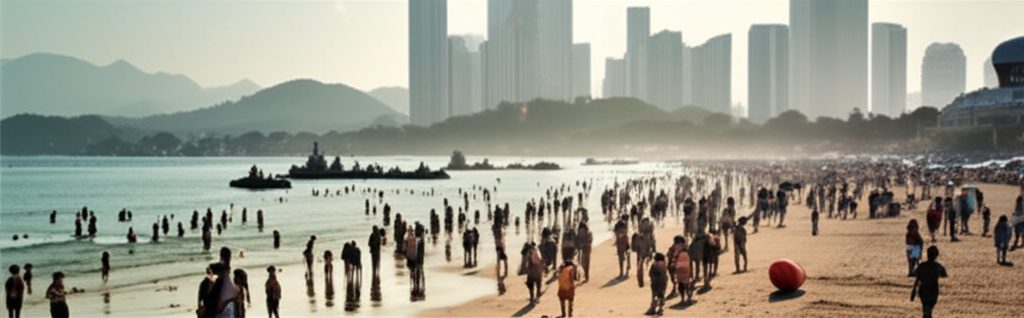
Korea has beautiful beaches. Busan’s Haeundae, Jeju’s Hamdeok, the east coast beaches — all peak in summer.
| Beach | Best For |
|---|---|
| Haeundae (Busan) | Famous, lively |
| Hamdeok (Jeju) | Clear water, family |
| Gyeongpo (Gangneung) | East coast beauty |
| Mallipo (West coast) | Surfing |
2. Festivals
| Festival | When | Where |
|---|---|---|
| Boryeong Mud Festival | July | Boryeong |
| Busan Sea Festival | August | Busan |
| Pentaport Rock Festival | August | Incheon |
The Mud Festival is wild — thousands of people playing in mud. Very Korean summer experience.
3. Long days
Sunrise around 5:30 AM, sunset around 8 PM. More time to explore.
4. Summer food
| Food | What It Is |
|---|---|
| 냉면 (naengmyeon) | Cold buckwheat noodles |
| 삼계탕 (samgyetang) | Chicken ginseng soup |
| 빙수 (bingsu) | Shaved ice dessert |
| 콩국수 (kongguksu) | Cold soy milk noodles |
Koreans eat samgyetang on the hottest days — fighting heat with heat. Try it.
Summer Drawbacks
1. Humidity
This is the real enemy. Not just hot — sticky, sweaty, uncomfortable.
I’ve lived through 35 Korean summers. You don’t get used to it.
2. Crowds (Korean vacation)
July-August is Korean school vacation. Beaches are PACKED. Tourist sites crowded.
3. Typhoons (late summer)
August-September occasionally brings typhoons. Usually not dangerous, but can disrupt travel.
Summer Verdict
| Pros | Cons |
|---|---|
| Beaches | Monsoon rain (June-July) |
| Festivals | Extreme humidity |
| Long days | Crowds |
| Summer food | Higher prices |
Best for: Beach lovers, festival goers, those who don’t mind heat
Avoid: Late June-mid July (monsoon)
Fall (September – November)
Weather
| Month | Temperature | Conditions |
|---|---|---|
| September | 18-26°C | Warm, decreasing humidity |
| October | 10-20°C | Perfect, clear skies |
| November | 5-15°C | Cool, late foliage |
Why Fall is My Favorite
After 35 years, if someone asks “when should I visit?” — I say fall.
Why?
| Reason |
|---|
| Perfect weather |
| Clear blue skies |
| Fall foliage |
| Comfortable hiking |
| Harvest season food |
| Fewer monsoon worries |
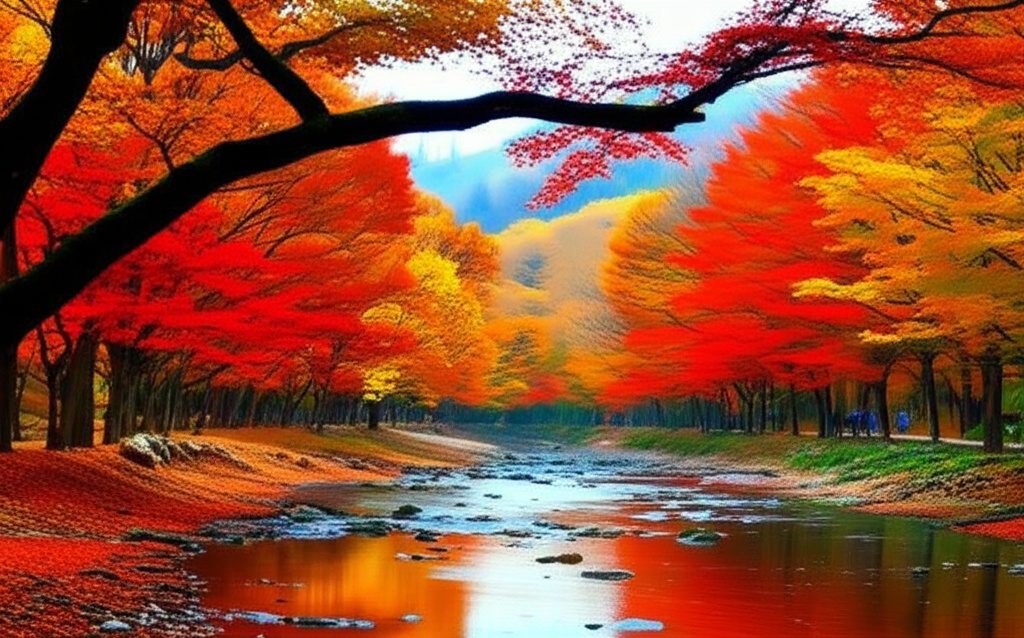
Fall Foliage (단풍)
Korea’s fall colors rival anywhere in the world.
Mountains turn red, orange, yellow. The contrast with traditional architecture is stunning.
Peak foliage timing:
| Location | Peak |
|---|---|
| Seoraksan | Late September-early October |
| Seoul (Namsan, palaces) | Late October-early November |
| Jeju (Hallasan) | Late October |
| Naejangsan (famous) | Early-mid November |
My favorite fall spots:
- Gyeongbokgung Palace — Red leaves + traditional architecture
- Namsan — Hiking through color
- Bukhansan — Mountain trails covered in foliage
- Naejangsan — Korea’s most famous fall destination
Fall Festivals
| Festival | When | What |
|---|---|---|
| Chuseok | September/October | Korean Thanksgiving |
| Busan Film Festival | October | International films |
| Jinju Lantern Festival | October | Lanterns on the river |
Chuseok warning:
This is Korea’s biggest holiday. Koreans travel to hometowns. Transportation is chaos. Some restaurants close.
Avoid the 3-4 days around Chuseok unless you want to experience it culturally.
Fall Drawbacks
1. October crowds
Everyone knows fall is best. Tourist sites are busy. Hotels book up.
2. Chuseok closures
Some businesses close. Transportation packed.
3. Temperature swings
Can be warm early September, cold late November. Pack layers.
Fall Verdict
| Pros | Cons |
|---|---|
| Perfect weather | Crowds (especially October) |
| Fall foliage | Chuseok disruption |
| Clear skies | Need to book ahead |
| Great hiking | Temperature changes |
Best for: Everyone. Especially first-time visitors, photographers, hikers.
Book: 1-2 months ahead for October
Winter (December – February)
Weather
| Month | Temperature | Conditions |
|---|---|---|
| December | -5 to 5°C | Cold, occasional snow |
| January | -10 to 2°C | Coldest month |
| February | -8 to 5°C | Cold, starting to warm |
The Cold Reality
Korean winters are COLD. Especially January.
I remember my first Korean winter in 1990. Coming from a milder climate, I was shocked. The wind cuts through you.
But — Koreans know how to handle winter:
- Heated floors (ondol) everywhere
- Hot food culture
- Excellent indoor heating
- Winter activities
Why Visit in Winter
1. Lowest prices
| Item | Winter vs Peak |
|---|---|
| Flights | 30-50% cheaper |
| Hotels | 20-40% cheaper |
| Tours | Often discounted |
Budget travelers: this is your season.
2. Fewer crowds
Tourist sites that are packed in fall? Empty in January.
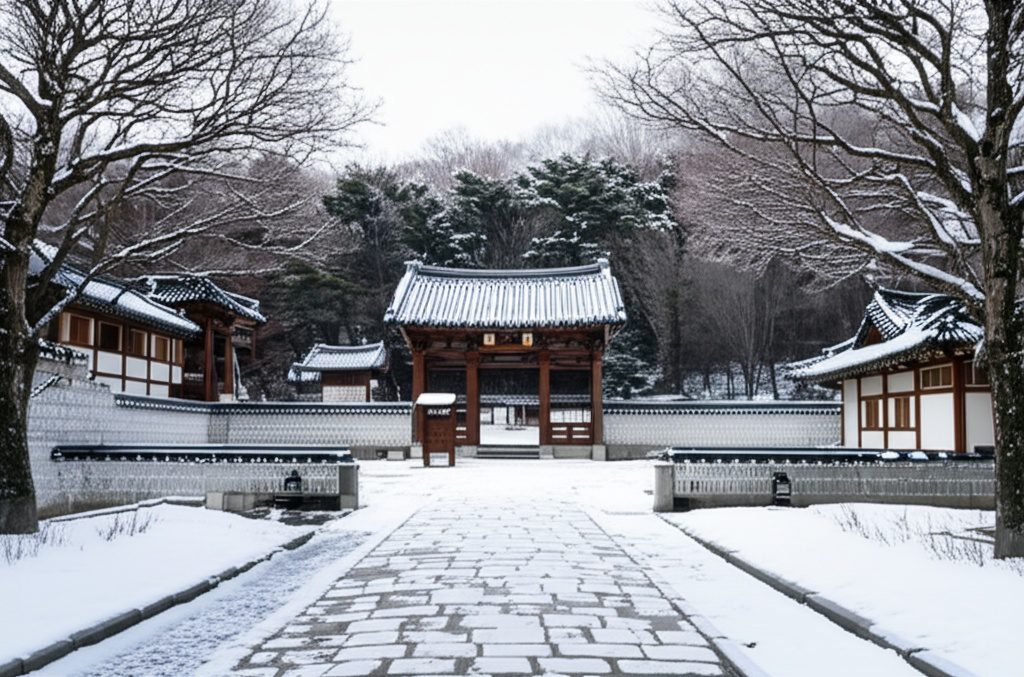
I’ve walked through Gyeongbokgung in winter snow with almost no one around. Magical.
3. Snow
Seoul gets snow several times per winter. The palaces covered in snow are breathtaking.
Ski resorts are 1-2 hours from Seoul:
- Yongpyong
- High1
- Phoenix Park
- Vivaldi Park
4. Winter food
| Food | What It Is |
|---|---|
| 김치찌개 (kimchi-jjigae) | Kimchi stew |
| 순두부찌개 (sundubu-jjigae) | Soft tofu stew |
| 부대찌개 (budae-jjigae) | Army stew |
| 호떡 (hotteok) | Sweet pancake (street food) |
| 붕어빵 (bungeoppang) | Fish-shaped pastry |
Hot stew on a freezing day = Korean winter happiness.
5. Unique experiences
| Experience |
|---|
| Ice fishing festivals |
| Ski resorts |
| Jjimjilbang (heated floors feel amazing) |
| Christmas lights in Seoul |
| Seollal (Lunar New Year) |
Winter Drawbacks
1. It’s cold
No way around it. If you hate cold, winter isn’t for you.
| What to pack |
|---|
| Heavy coat |
| Thermal underwear |
| Gloves, scarf, hat |
| Hand warmers |
Check my packing guide for winter specifics.
2. Shorter days
Sunset around 5:30 PM. Less daylight for sightseeing.
3. Seollal closures
Lunar New Year (January/February) = many businesses closed, transportation packed.
Similar to Chuseok — avoid unless experiencing it intentionally.
Winter Verdict
| Pros | Cons |
|---|---|
| Cheapest prices | Cold weather |
| No crowds | Shorter days |
| Snow scenery | Seollal closures |
| Skiing | Need warm clothes |
| Hot food season | Some outdoor activities limited |
Best for: Budget travelers, snow lovers, skiers, those who don’t mind cold
Month-by-Month Summary
| Month | Weather | Crowds | Prices | Recommendation |
|---|---|---|---|---|
| January | ❄️ Cold | Low | 💰 Cheap | Budget travelers |
| February | ❄️ Cold | Low | 💰 Cheap | Budget + Seollal |
| March | 🌸 Cool | Medium | 💵 Medium | Early spring |
| April | 🌸 Mild | High | 💵💵 High | Cherry blossoms |
| May | ☀️ Warm | Medium | 💵 Medium | Great weather |
| June | 🌧️ Rainy | Low | 💵 Medium | Monsoon starts |
| July | 🌧️☀️ Hot | High | 💵💵 High | Monsoon + beaches |
| August | ☀️ Hottest | High | 💵💵 High | Beaches |
| September | 🍂 Warm | Medium | 💵 Medium | Early fall |
| October | 🍂 Perfect | High | 💵💵 High | Fall foliage |
| November | 🍂 Cool | Medium | 💵 Medium | Late foliage |
| December | ❄️ Cold | Low | 💰 Cheap | Winter + Christmas |
Best Time by Interest
Cherry Blossoms
| Best Time | Late March – mid April |
|---|---|
| Peak in Seoul | Early-mid April |
| Peak in Jeju | Late March |
| Peak in Jinhae | Late March-early April |
Fall Foliage
| Best Time | Late September – early November |
|---|---|
| Peak in Seoul | Late October |
| Peak in mountains | Early-mid October |
Beaches
| Best Time | July – August |
|---|---|
| Best weather | Late July – August |
| Water temperature | Warmest in August |
Hiking
| Best Time | September – November |
|---|---|
| Best month | October |
| Alternative | April – May |
Skiing
| Best Time | December – February |
|---|---|
| Best snow | January |
Budget Travel
| Best Time | December – February |
|---|---|
| Cheapest month | January |
Avoiding Crowds
| Best Time | November, December, January, February |
|---|---|
| Emptiest month | January |
Festivals and Holidays
Major Festivals
| Festival | When | Notes |
|---|---|---|
| Seollal (Lunar New Year) | Jan/Feb | Closures, crowded transport |
| Cherry Blossom Festivals | April | Jinhae, Yeouido |
| Buddha’s Birthday | May | Lantern parades |
| Boryeong Mud Festival | July | Beach party |
| Chuseok | Sep/Oct | Closures, crowded transport |
| Busan Film Festival | October | International films |
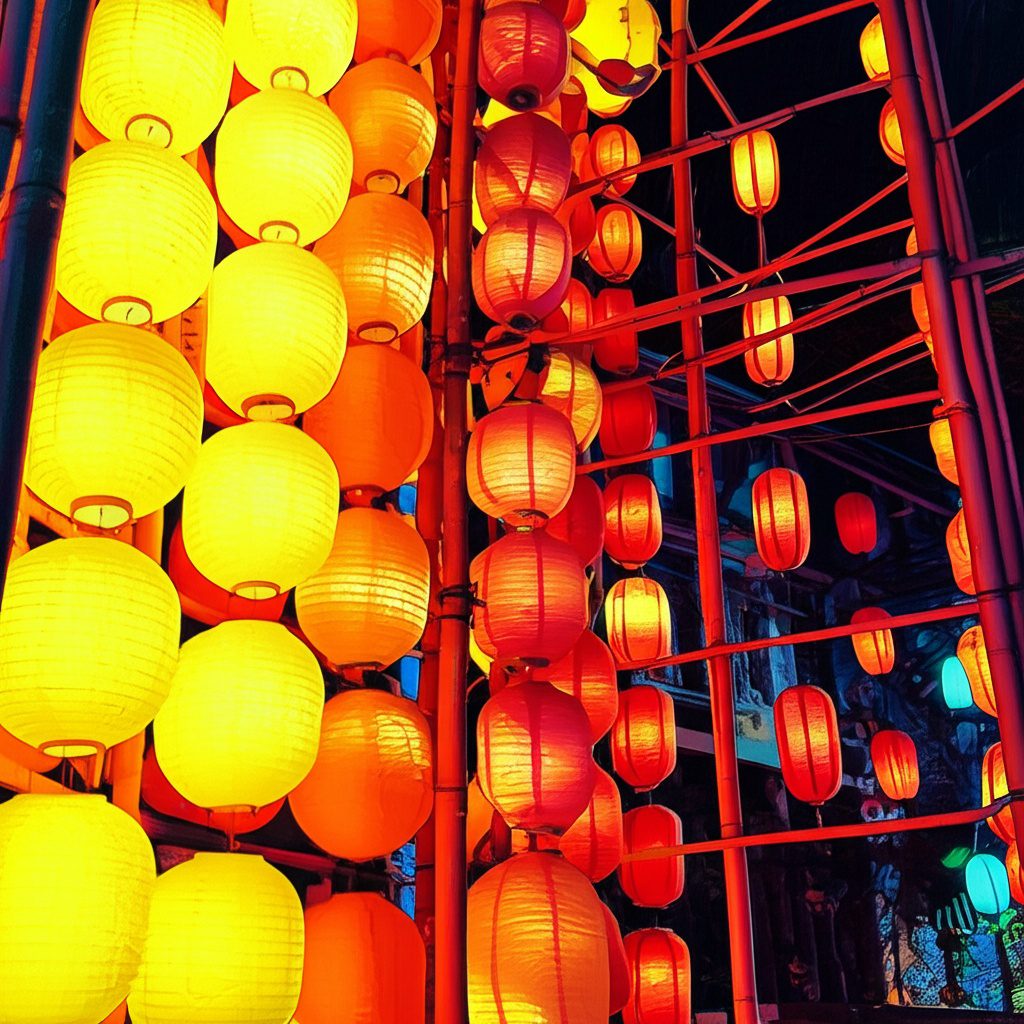
| Jinju Lantern Festival | October | Beautiful lanterns |
| Christmas | December | Lights, markets |
Holidays to Avoid (or Embrace)
| Holiday | Impact |
|---|---|
| Seollal | Many closures, transport chaos |
| Chuseok | Many closures, transport chaos |
If you want authentic cultural experience → visit during these holidays.
If you want convenient travel → avoid these dates.
FAQ
What is the best month to visit Korea?
October. Perfect weather, stunning fall foliage, clear skies, comfortable temperatures. It’s the most popular month for good reason. Book accommodation early.
What is the cheapest time to visit Korea?
December through February (winter). Flight and hotel prices drop significantly. Expect cold weather but fewer crowds and great deals.
When is cherry blossom season in Korea?
Late March through mid-April. Seoul peaks in early-mid April. Jeju blooms earliest (late March). Jinhae near Busan is famous for cherry blossom festivals.
Should I avoid monsoon season?
If possible, yes. Late June through mid-July brings heavy rain that can disrupt outdoor plans. Late July and August are better for summer visits.
Is Korea worth visiting in winter?
Yes, especially for budget travelers. Prices are low, crowds are minimal, and winter scenery (snow on palaces) is beautiful. Just pack warm clothes.
When is fall foliage peak in Korea?
Late October for Seoul, early-mid October for mountains. Naejangsan peaks in early November. Timing varies slightly each year based on weather.
What is Chuseok and should I visit then?
Chuseok is Korean Thanksgiving (September/October). Many businesses close and transportation is extremely crowded. Avoid unless you want to experience the cultural holiday.
How far in advance should I book for peak season?
2-3 months ahead for April (cherry blossoms) and October (fall foliage). These are the busiest months and hotels fill up quickly.
Final Thoughts
35 years of Korean seasons.
I’ve seen cherry blossoms at Gyeongbokgung more times than I can count. Sweated through countless August days. Watched fall colors paint Namsan every October. Walked through snow-covered palaces in January silence.
Every season has given me something.
Spring: the hope of new beginnings, pink petals falling like snow.
Summer: the chaos of beaches, the relief of cold naengmyeon, the drama of monsoon skies.
Fall: the perfection of October, the mountains on fire with color, the clearest skies.
Winter: the quiet, the warmth of ondol floors, the beauty of snow on ancient roofs.
My honest recommendation:
First-time visitor? October. It’s the safest bet. Perfect weather, beautiful scenery, everything is accessible.
But don’t sleep on other seasons. Cherry blossom April is magical. Winter January is peaceful and cheap. Even monsoon July has its moments.
Korea is beautiful year-round. Just in different ways.
Pick your season. Pack accordingly. Come experience it.
— Ted K
Image Credits: Photos sourced from Unsplash. By using this site, you agree to our Privacy Policy and Disclaimer.