Back then, it was Korea’s honeymoon destination — newly married Korean couples, a few domestic tourists, almost zero foreigners. No luxury resorts. No Instagram cafes. Just raw volcanic beauty and tangerine farms.
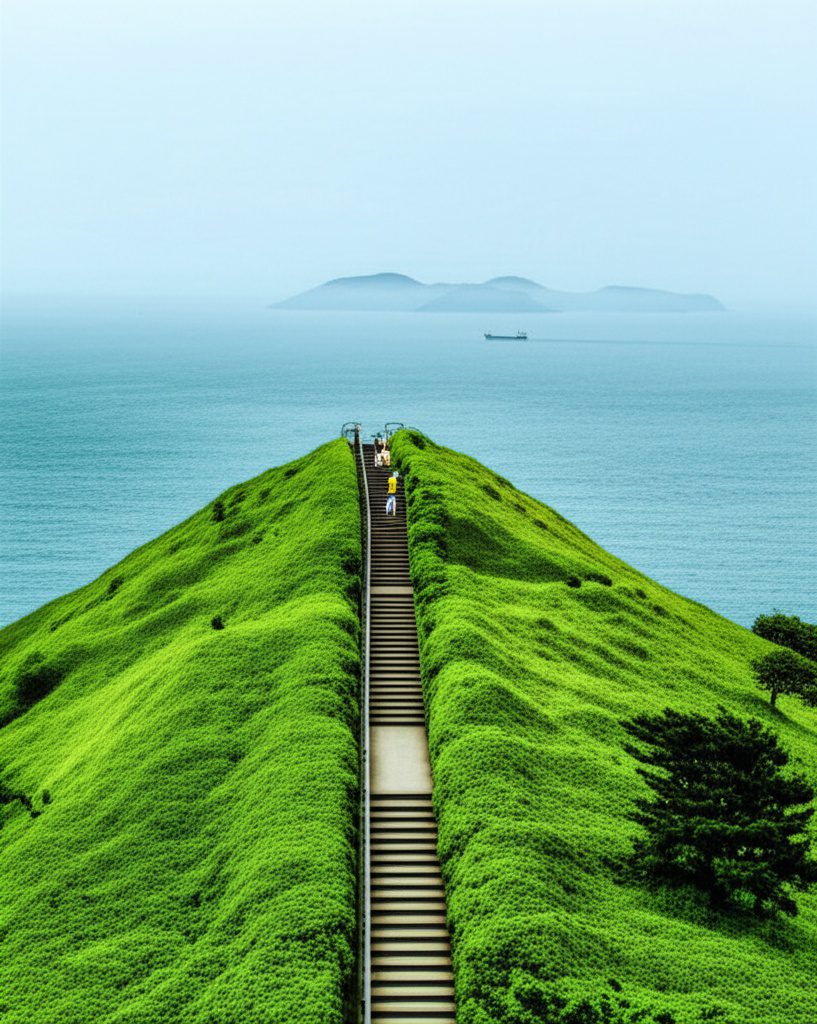
I remember standing at Seongsan Ilchulbong at sunrise, completely alone. The crater, the ocean, the silence. I thought: “This is the most beautiful place in Korea.”
35 years and probably 30+ visits later, that opinion hasn’t changed.
Jeju has transformed — international tourists, boutique hotels, trendy cafes everywhere. But the volcanic beaches, Hallasan’s majesty, the black pork, the unique culture — still magical.
Here’s everything I’ve learned about Jeju Island.
What is Jeju Island?
Jeju is Korea’s largest island, located off the southern coast.
Fact
Detail
Size
1,849 km² (about 3x size of Seoul)
Population
~680,000
Location
90 km south of Korean mainland
Flight from Seoul
1 hour
UNESCO Status
Triple UNESCO site (rare!)
Nickname
“Hawaii of Korea”
Why “Triple UNESCO”?
Jeju has three UNESCO designations:
World Natural Heritage (lava tubes, Hallasan)
Global Geopark (volcanic landscape)
Biosphere Reserve (ecosystem)
No other place in the world has all three.
What makes Jeju different from mainland Korea:
Aspect
Mainland Korea
Jeju
Dialect
Standard Korean
Jeju dialect (almost different language)
Culture
Confucian
Matriarchal influences (haenyeo)
Landscape
Mountains, cities
Volcanic, subtropical
Vibe
Fast-paced
Relaxed, island time
Koreans often say visiting Jeju feels like going abroad without leaving Korea.
Why Visit Jeju Island?
1. Natural Beauty
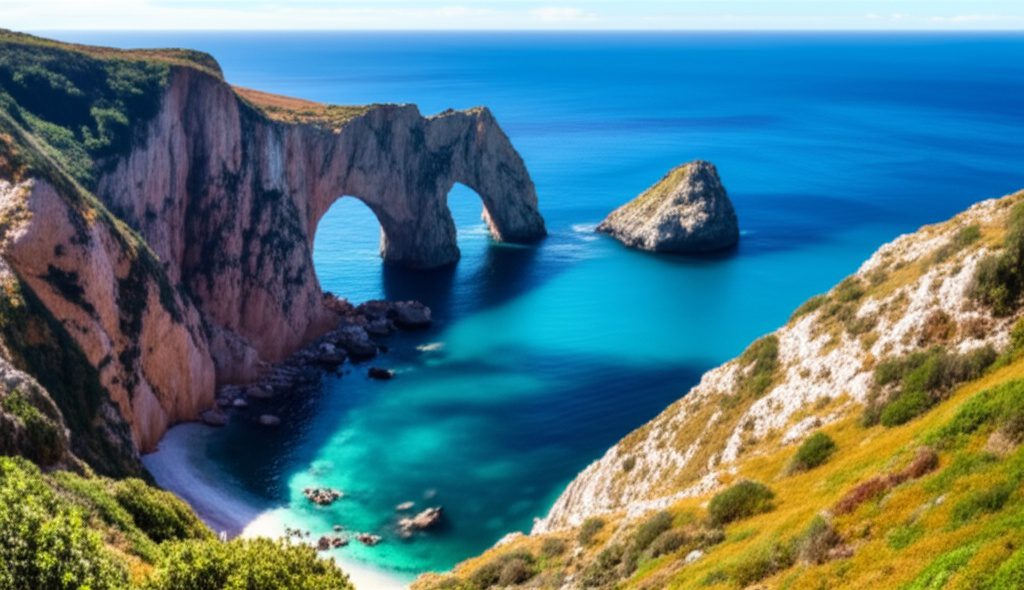
Volcanic beaches with black sand. A mountain you can climb in a day. Lava tubes. Waterfalls. Coastal cliffs. Jeju has diversity most islands can’t match.
2. Unique Culture
The haenyeo — female divers who harvest seafood without oxygen tanks — are UNESCO Intangible Cultural Heritage. Some are in their 80s, still diving. You won’t find this anywhere else.
3. Food
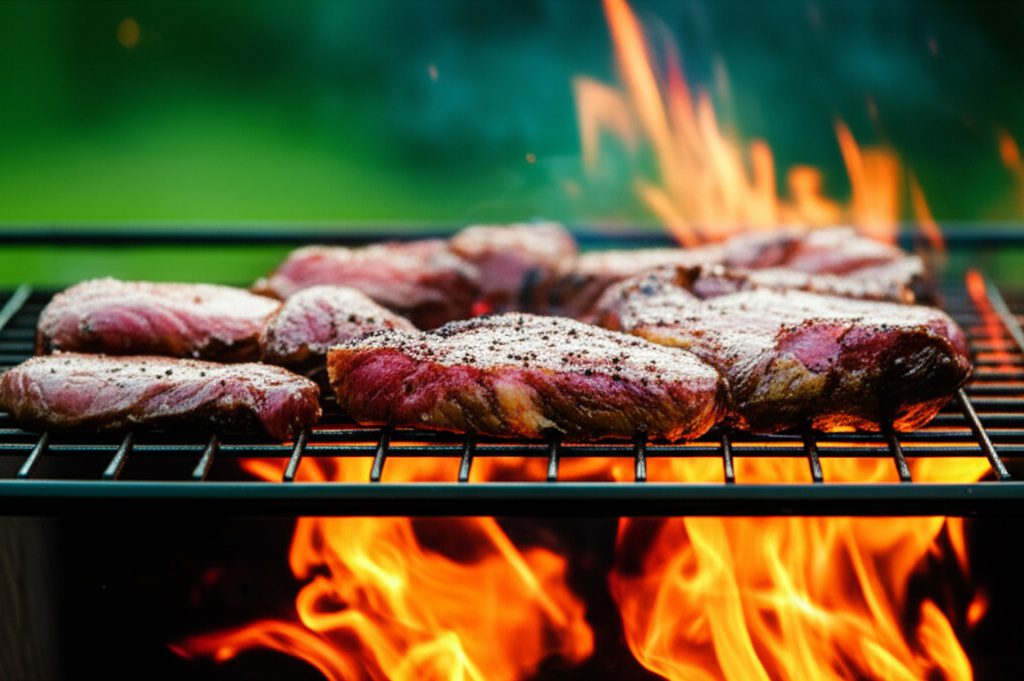
Jeju black pork. Fresh seafood. Hallabong oranges. The food alone is worth the trip.
4. Accessibility
1-hour flight from Seoul. No visa needed (Jeju has special visa-free entry for many nationalities). Easy to explore independently.
5. Year-Round Destination
Unlike mainland Korea, Jeju is mild in winter. You can visit any month.
How to Get to Jeju
By Air (Best Option)
Route
Time
Price
Seoul (Gimpo) → Jeju
1 hour
50,000-150,000원
Busan → Jeju
45 min
40,000-100,000원
Incheon → Jeju
1 hour 10 min
60,000-160,000원
Airlines:
Korean Air
Asiana
Jin Air (budget)
Jeju Air (budget)
T’way Air (budget)
My tip:
Book budget airlines 2-3 weeks ahead for best prices. I’ve gotten Seoul-Jeju flights for under 50,000원 many times.
Fly from Gimpo Airport, not Incheon. Gimpo is closer to Seoul city center and Jeju flights are more frequent.
By Ferry (Slow but Scenic)
Route
Time
Price
Mokpo → Jeju
4.5 hours
30,000-80,000원
Busan → Jeju
12 hours (overnight)
50,000-150,000원
When to take the ferry:
You have a car (ferry allows vehicles)
You enjoy slow travel
You’re on a tight budget
I’ve done the overnight ferry from Busan once. Watching sunrise as Hallasan appears on the horizon — memorable. But flying is more practical.
When to Visit Jeju
Best Seasons
Season
Weather
Crowds
Recommendation
Spring (Apr-May)
Mild, flowers
Medium
⭐⭐⭐ Great
Summer (Jun-Aug)
Hot, humid, typhoons
High
⚠️ Beach season but crowded
Fall (Sep-Nov)
Perfect, clear
Medium
⭐⭐⭐ Best
Winter (Dec-Feb)
Mild (for Korea)
Low
⭐⭐ Good for budget
My favorite:
October. Clear skies, comfortable hiking weather, fewer crowds than summer, fall colors on Hallasan.
Jeju deserves more time. 2 days = rushed, exhausting. 3-4 days minimum.
Mistake #2: No Rental Car
Without a car, you’ll miss half of Jeju. Many beautiful spots aren’t on bus routes. Rent a car.
Mistake #3: Overpacking the Schedule
Jeju is about relaxation. I’ve seen tourists rush through 10 attractions, stressed and exhausted.
Pick 2-3 things per day. Leave room for unexpected discoveries.
Mistake #4: Skipping Hallasan
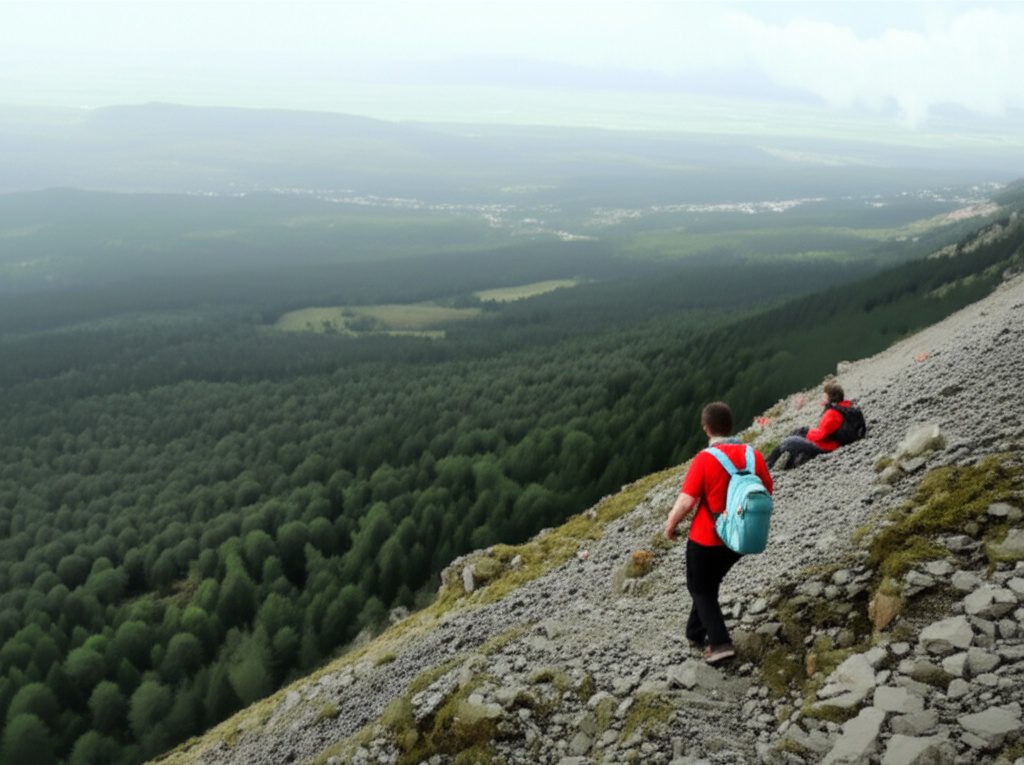
It’s Korea’s highest mountain. On a clear day, the summit view is unforgettable. Don’t skip it for another beach selfie.
Mistake #5: Only Visiting Tourist Spots
The quiet coastal roads, tiny fishing villages, random cafes — that’s where Jeju magic happens. Leave time to explore.
Jeju vs Mainland Korea
Aspect
Jeju
Mainland
Pace
Slow, relaxed
Fast-paced
Nature
Volcanic, tropical
Mountains, urban
Food
Seafood, black pork
BBQ, variety
Weather
Milder year-round
Cold winters
Vibe
Island vacation
City exploration
Should you do Jeju on a first Korea trip?
If you have 7+ days total → Yes, add Jeju. If you only have 5 days → Focus on Seoul/mainland first.
Jeju is special, but it’s a different Korea experience. See Seoul first, then escape to Jeju.
FAQ
Is Jeju Island worth visiting?
Absolutely. It’s Korea’s most beautiful destination — volcanic landscapes, unique culture, incredible food. I’ve been 30+ times in 35 years and still discover new favorites every visit.
How many days do you need in Jeju?
3-4 days minimum. 2 days is too rushed. 4-5 days is ideal if you want to hike Hallasan. A week allows deep exploration at a relaxed pace.
What is Jeju Island famous for?
Hallasan Mountain (Korea’s highest), Seongsan Ilchulbong (sunrise peak), haenyeo female divers, black pork BBQ, beautiful beaches, and being a UNESCO triple-designated site.
Do I need a car in Jeju?
Highly recommended. Public buses are limited and slow. 70% of tourists rent cars. With a car, you’ll see twice as much and stress half as much.
What is the best month to visit Jeju?
October is ideal — clear skies, comfortable temperatures, fall colors on Hallasan, fewer crowds than summer. April-May (spring) is also excellent.
Is Jeju expensive?
Moderate. Flights can be cheap (50,000-100,000원 each way). Accommodation varies widely. Food is reasonable. Overall, it’s comparable to Seoul.
Can you visit Jeju as a day trip from Seoul?
Technically possible but not recommended. 1-hour flight each way means minimal island time. At least 2 nights is worthwhile.
What food is Jeju famous for?
Jeju black pork (흑돼지) BBQ, abalone porridge, hairtail fish stew, sea urchin rice bowl, and hallabong oranges. The black pork alone is worth the trip.
Final Thoughts
30+ visits over 35 years.
I still remember that first sunrise at Seongsan in 1991. Alone, watching the sky turn colors, feeling like I’d discovered something secret.
Jeju isn’t secret anymore. Millions visit every year. Instagram cafes everywhere. Luxury resorts dot the coast.
But walk a quiet Olle trail at sunrise. Swim in Hamdeok’s clear water. Watch an 80-year-old haenyeo emerge with fresh catch. Reach Hallasan’s summit on a clear day.
The magic is still there.
Korea has a lot to offer — Seoul’s energy, Busan’s beaches, the history of Gyeongju. But if someone asked me: “If I can only see one place outside Seoul?”
Jeju. Every time.
The island grabbed me in 1991. It hasn’t let go.
Pack light. Rent a car. Eat too much black pork. Leave room for wandering.