Last updated: January 2026
I walked through Bukchon in 1990 and thought nothing of it.
Just old houses. Korean people living their lives. Nothing special to a guy who saw hanoks everywhere back then.
30 years later, Bukchon is world-famous. Instagram heaven. Tourist buses line up daily.
And those “ordinary houses”? They’re now million-dollar properties, and the residents are begging tourists to be quieter.
I’ve watched Bukchon transform from forgotten neighborhood to over-touristed hotspot. Both sides of the story. Here’s how to visit respectfully — and actually enjoy it.
Bukchon is a living museum.
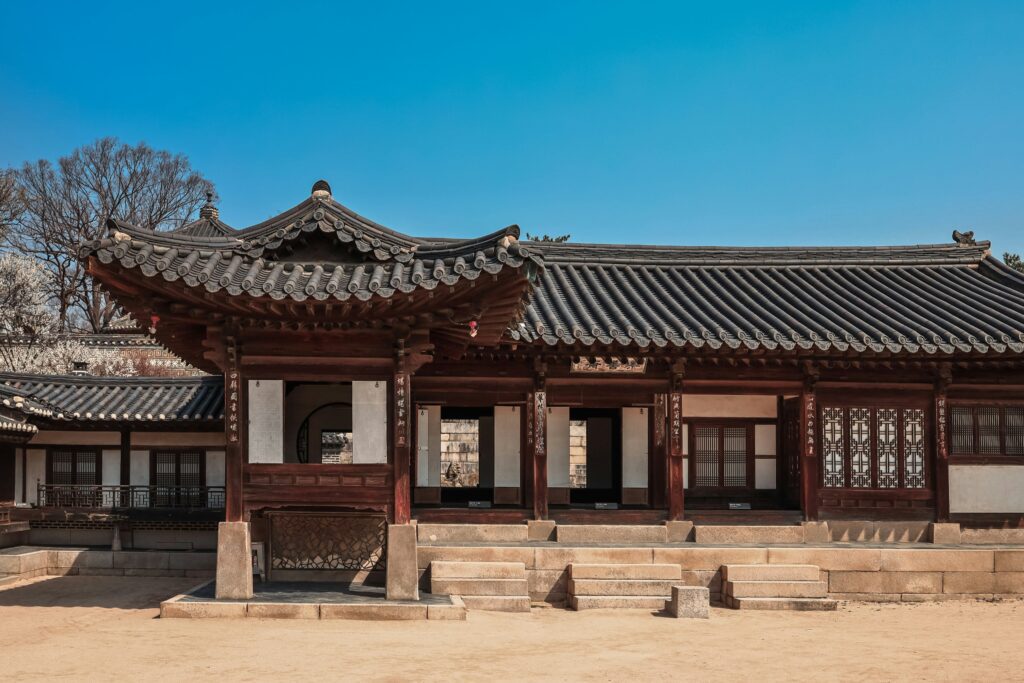
600-year-old traditional houses.
Narrow winding alleyways.
Seoul’s most photographed neighborhood.
But there’s a right way to visit.
Here’s everything you need to know.
Bukchon is right next to Gyeongbokgung Palace. Plan to visit both using our Gyeongbokgung Palace Guide.
What is Bukchon?
Bukchon (북촌) means “North Village.”
It sits between two palaces:
- Gyeongbokgung (west)
- Changdeokgung (east)
During Joseon Dynasty,
nobles and royalty lived here.
Today, about 900 hanok remain.
Many are still private homes.
Remember to be quiet and respectful — people live here. More cultural tips in our Korean Etiquette Guide.
How to Get There
Subway:
- Anguk Station (Line 3)
- Exit 2 → Walk 5-10 minutes uphill
From Gyeongbokgung:
- 15-minute walk east
From Insadong:
- 10-minute walk north
Best to combine with nearby attractions.
The Reality of Bukchon
This isn’t a museum. People live here.
This is the most important thing to understand.
Those beautiful hanoks you’re photographing? Families wake up there. Kids do homework. Elderly people try to sleep.
What I’ve witnessed:
- Tourists peering through windows into homes
- Influencers blocking narrow alleys for photo shoots
- Groups shouting to friends across the street
- Someone actually trying to open a resident’s gate for photos
The residents are frustrated. Signs everywhere ask for quiet. Some have given up and moved away.
Please:
- Keep your voice down (seriously, whisper)
- Don’t block alleys for photos
- Don’t touch gates or walls
- Visit early morning when it’s quieter
- Spend 5 minutes imagining tourists doing this to YOUR home
I know it sounds preachy. But I’ve seen the transformation. The residents’ patience has run out.
The 8 Scenic Spots (북촌 8경)
Seoul designated 8 official photo spots.
Spot 1: Changdeokgung View
Location: Top of Bukchon-ro 11-gil
What: Palace view from village
Spot 2: Wonseodong Alley
Location: Wonseodong
What: Quiet residential hanok street
Spot 3: Gahoe-dong 11
Location: Gahoe-dong
What: Small museum street
Spot 4: Gahoe-dong 31
Location: Gahoe-dong 31 beonji
What: Hill with hanok rooftops
Spot 5: Gahoe-dong Downhill
Location: Gahoe-dong
What: Famous steep alley (most photographed!)
Spot 6: Gahoe-dong Uphill
Location: Gahoe-dong
What: Uphill version of Spot 5
Spot 7: Gahoe-dong 31 Alley
Location: Near Spot 4
What: Another beautiful hanok row
Spot 8: Samcheong-dong Stone Stairs
Location: Samcheong-dong
What: Traditional stone steps
The Most Famous Spot
Gahoe-dong Spot 5 & 6
This is THE Instagram spot.
Steep narrow alley.
Traditional hanok on both sides.
City skyline in background.
Everyone comes here.
It’s beautiful but crowded.
Best time: Early morning (before 9 AM)
Worst time: Weekend afternoons
Where I actually take photos:
| Spot | What You’ll See | Best Time |
|---|---|---|
| Gahoe-dong Spot #5 | Classic hanok alley shot | Before 9 AM |
| Gahoe-dong Spot #6 | Downtown Seoul background | Morning light |
| Samcheong-dong stairs | Rooftop view | Late afternoon |
| Bukchon Culture Center | Interior courtyard | Anytime |
My secret spot:
There’s a tiny alley between spots 4 and 5 that most tourists walk right past. Fewer people, equally beautiful, better light in the afternoon.
I’m not sharing the exact location because that’s the point — explore. The best spots are the ones you find yourself.
Photo tips learned the hard way:
- Don’t use flash (residents hate it)
- Don’t bring tripods (blocks alleys)
- The “famous” spots have lines — keep moving, find your own
- Downhill shots with city background = best Seoul photos
Walking Route
Recommended Path (1.5-2 hours)
- Start: Anguk Station Exit 2
- Walk up: Bukchon-ro
- Turn into: Gahoe-dong alleys
- Find: Spots 4, 5, 6
- Continue to: Samcheong-dong
- End: Cafes and lunch
Distance
- Total walking: About 2-3 km
- Lots of hills and stairs
- Wear comfortable shoes
Beyond the Instagrammed Streets
The famous viewpoints are packed. But most of Bukchon is quiet.
Where I go now:
Gahoe Museum Street
Small private museums in hanoks. Traditional crafts, embroidery, folk art. Barely any tourists.
Won-seo-dong
West side of Bukchon. More residential. Same hanok beauty, almost no crowds.
Samcheong-dong Bottom
Where Bukchon meets Samcheong-dong. Great cafes in hanok buildings. Actual places to sit and rest.
The walk I recommend:
- Start at Anguk Station Exit 3
- Walk UP through Bukchon (steeper but less crowded morning)
- Cross through to Won-seo-dong (quiet)
- Walk DOWN to Samcheong-dong (cafes, lunch)
- End at Gyeongbokgung
This route avoids the worst crowds and ends at great restaurants.
Important Rules
This is NOT a Theme Park
Real people live here.
Do:
- Walk quietly
- Keep voices low
- Stay on main paths
- Respect private property
Don’t:
- Peek into windows
- Sit on doorsteps
- Block narrow alleys
- Make excessive noise
Noise Restrictions
Signs everywhere say “Quiet Please.”
Residents filed complaints.
Tour groups got restricted.
Large groups now banned in some areas.
Be respectful.
This is their home.
Photography Rules
- Exterior photos: OK
- Interior/private areas: Not OK
- Blocking alleys for photos: Rude
- Early morning: Better lighting, fewer people