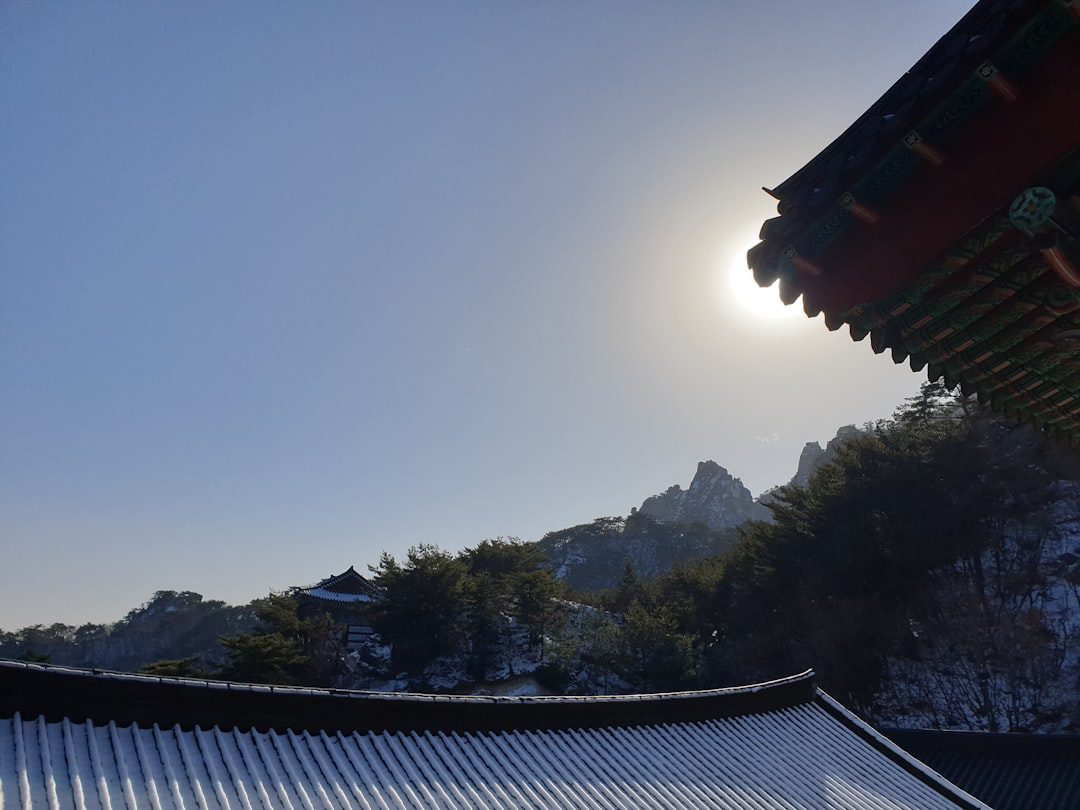
I’ll never forget my first temple stay—back in 1992, when I was still figuring out how to use chopsticks properly. I showed up at a monastery in the mountains north of Seoul completely unprepared, wearing my loudest tourist shirt, ready to “experience Korean culture for the weekend.” By the end of that first morning—after a 4 AM wake-up bell, two hours of sitting meditation, and a breakfast of rice and fermented vegetables eaten in complete silence—I understood I’d stumbled onto something genuinely transformative.
Thirty-five years later, I’ve done dozens of temple stays, dragged countless visitors through the experience, and watched it evolve from an obscure monastic practice into Korea’s most sought-after cultural immersion. Today, thousands of international tourists discover Korean temple life every year, and it remains one of the most authentic ways to step outside your usual travel rhythm.
Whether you’re looking for spiritual meaning, a digital detox, or just an unforgettable cultural experience, a Korean temple stay offers exactly that. Here’s everything you need to know to book one, prepare for it, and actually make it through the 4 AM bell.
What Exactly Is a Korean Temple Stay?
A temple stay (사찰 체험, “sachal cheyeom”) isn’t a spa retreat or a meditation resort with heated floors and craft cocktails. It’s a genuine opportunity to live as Buddhist monks do—waking before dawn, practicing meditation, maintaining silence, eating simple vegetarian meals, and participating in daily temple routines.
Most programs last 1-3 days, though some temples offer longer retreats. You’ll sleep in a monk’s quarters (usually quite basic), attend at least two meditation sessions, eat traditional temple food, participate in temple maintenance work, and learn about Korean Buddhism’s history and practices. There’s no wifi in your room, no alcohol, and yes—your phone will be collected.
Here’s what surprised me most during my first stay: it wasn’t restrictive at all. There’s a peace that comes from surrendering your schedule to something older and larger than yourself. The monks aren’t trying to convert you. They’re just inviting you to see how they live.
Ted’s tip: Temple stays are completely secular—you don’t need to be Buddhist, spiritual, or even remotely interested in religion. Many visitors treat it as a digital detox combined with a unique cultural experience. The temple doesn’t care why you’re there; they care that you approach it with respect.
The Best Temples for International Visitors
Not all Korean temples accept international visitors, and not all temple stay programs are equally beginner-friendly. Some are explicitly designed for first-timers with more structure and English support. Others are genuine working monasteries where you’ll need patience and some Korean language ability.
I’ve personally visited or recommended most of these, and I’ve included the specific details that matter when you’re booking:
| Temple Name | Location | Best For | Cost (₩) | English Support |
|---|---|---|---|---|
| Jogyesa Temple | Seoul (Jongno-gu) | First-timers, city access | ₩60,000-80,000 | Excellent |
| Bulguksa Temple | Gyeongju | UNESCO site, history lovers | ₩70,000-90,000 | Good |
| Geumsunsa Temple | Jirisan Mountains | Nature lovers, serious practice | ₩50,000-70,000 | Moderate |
| Bongeunsa Temple | Seoul (Gangnam-gu) | Convenient, modern facilities | ₩80,000-110,000 | Very Good |
| Hwagyesa Temple | Seoul (Seodaemun-gu) | Intimate, residential area | ₩60,000-75,000 | Good |
| Gapsansa Temple | Jeonju | Quiet, authentic experience | ₩50,000-65,000 | Basic |
My Personal Recommendation: Where to Start
If you’re visiting Seoul and it’s your first time, book Jogyesa Temple (조계사). It’s Korea’s primary Zen Buddhism headquarters, located right in central Seoul near Anguk Station (Line 3), and they’ve been hosting international visitors for decades. The program is well-structured, English-speaking monks guide you through each activity, and you’ll meet other travelers from around the world—which somehow makes the silence less intimidating.
If you want something more immersive and don’t mind traveling, Geumsunsa in Jirisan Mountains offers a much rawer experience. You’re in actual mountain wilderness, the monks are less accustomed to tourists, and the silence is genuinely deep. But I recommend this only if you’ve done at least one temple stay before.
Ted’s tip: Avoid booking temple stays during Korean holidays (Lunar New Year, Chuseok, Buddha’s Birthday in April). Temples are packed, programs get rushed, and you won’t have the peaceful experience you’re seeking. The best times are May-June and September-October.
How to Book Your Temple Stay
This has gotten exponentially easier in the past decade. There are now official government platforms, English-language agencies, and even apps dedicated to temple stay bookings.
Official Booking Channels
| Platform | Website | Features | Best For |
|---|---|---|---|
| Korean Temple Stay | templestay.com | Official government program, 70+ temples | First-timers, easy booking |
| Templeland | templeland.com | Private agency, detailed reviews | Information gathering |
| Direct Temple Contact | Temple websites | Direct booking, sometimes cheaper | Flexible dates |
| Through Your Hotel | Ask concierge | Arranged transportation, translator available | Full convenience |
Step-by-Step Booking Process
1. Choose your temple and dates. Visit templestay.com and filter by location, duration, and language support. I recommend 1-2 night programs for your first time—long enough to genuinely experience the rhythm but short enough to mentally prepare.
2. Check the program schedule. Each temple posts their specific itinerary. Some offer programs every weekend; others run monthly. The earlier you book, the better—popular temples like Jogyesa often fill 4-6 weeks in advance.
3. Complete the booking. Most temples accept online payment via credit card. You’ll receive a confirmation email with detailed instructions, packing list, and directions. Read these carefully—they’ll include what time to arrive and where to meet your guide.
4. Arrange transportation. If you’re not staying in that neighborhood, plan your route using the Seoul subway system or request that your hotel arrange transportation (most Seoul hotels can arrange this for ₩30,000-50,000).
Ted’s tip: Don’t book through third-party travel agencies unless absolutely necessary. Direct booking through templestay.com is cheaper, more reliable, and you avoid the middleman markup. Plus, you’re supporting the temples directly.
What to Expect: A Real Schedule
This is what an actual weekend temple stay looks like. Different temples vary slightly, but the rhythm is remarkably consistent. This is from Jogyesa Temple in Seoul:
| Time | Activity | What Actually Happens |
|---|---|---|
| 4:00 AM | Wake-up bell (종) | A monk rings the temple bell. You wake up shocked it’s already time. |
| 4:30 AM | Morning meditation | Sit in meditation hall, try not to fall asleep while sitting upright. |
| 5:30 AM | Temple chanting service | Monks chant in Korean; you stand and observe. Acoustic experience is stunning. |
| 6:30 AM | Breakfast | Simple vegetarian meal eaten in silence. Rice, soup, fermented vegetables, kimchi. |
| 7:30 AM | Temple chores | Sweep courtyards, clean halls, arrange flowers. Meditative work; deeply satisfying. |
| 9:00 AM | Teaching session | English-speaking monk explains Buddhism, temple history, meditation philosophy. |
| 10:30 AM | Guided temple tour | Learn about architecture, sacred spaces, temple significance. Photography allowed here. |
| 12:00 PM | Lunch | Another silent meal. By now you realize how much you normally talk while eating. |
| 1:00 PM | Free time | Read, rest, journal, explore temple grounds. No phone, no screens—first time you’ll sit with your thoughts. |
| 3:00 PM | Tea ceremony & discussion | Learn to make proper Korean temple tea; informal conversation with monks. |
| 5:00 PM | Evening meditation | Sitting meditation (30-45 minutes). You’re tired; your mind is actually quieter. |
| 6:00 PM | Dinner | Final meal of the day, eaten in silence. You’ve stopped missing conversation. |
| 7:00 PM | Evening chanting | Shorter service than morning; peaceful atmosphere as sun sets. |
| 8:00 PM | Rest period | Most temples have lights out by 9 PM. You’ll sleep like you haven’t in years. |
On the final morning, there’s typically a dharma talk (teaching session) with an abbot or senior monk, breakfast, and then you’re free to leave around 10 AM. You can usually extend checkout time if you want to sit one more meditation session in the early morning—and you probably will.
What to Pack and What to Leave Behind
Here’s where many first-time temple stay visitors trip themselves up. You’ll be in a monastic setting, so practicality and restraint matter more than usual.
| Bring | Leave Behind | Notes |
|---|---|---|
| Comfortable, modest clothes | Anything revealing or loud | You’ll change into temple robes for meditation, but bring everyday clothes that cover shoulders and knees. |
| Personal toiletries | Makeup, cologne, perfume | Temples provide basic soap. Heavy scents are discouraged. |
| Journal & pen | Laptop, tablet, camera | Writing by hand during free time is encouraged. You’ll want to record your thoughts. |
| Reading material | Phone, smartwatch, Kindle | Temples collect all devices. Bring a physical book—monks appreciate this. |
| Comfortable walking shoes | Anything loud or flashy | You’ll walk temple grounds frequently. Quiet soles are respectful. |
| Medications (if needed) | Alcohol, tobacco, drugs | Tell the monks about medications. Strictly forbidden items result in immediate removal. |
| Sleeping clothes & undergarments | Sleepwear that’s too thin | Temple rooms are unheated in winter, warm in summer. Bring layers. |
| Socks (crucial!) | Shoes inside buildings | You’ll remove shoes constantly. Good socks prevent cold feet and blisters. |
Ted’s tip: They will collect your phone when you arrive. This isn’t negotiable—it’s part of the temple stay contract. If you genuinely cannot be separated from your phone, this experience isn’t for you yet. Come back when you’re ready. The digital detox is half the point.
Understanding Meditation Practice for Beginners
The meditation component intimidates most first-timers. You’ll sit for 30-45 minutes at a time, sometimes twice a day, and if you’ve never meditated, this sounds unbearable. I’ll be honest: it is hard. But not in the way you think.
The Three Types of Meditation You’ll Practice
Sitting meditation (坐禪): You sit on a cushion in the meditation hall, legs crossed, back straight, hands resting on your lap. Your job is to focus on your breath—in and out, nothing else. Your mind will wander constantly (to breakfast, your hotel booking, that awkward conversation from 2003). This is normal. The practice is gently returning your attention to your breath, over and over. That’s literally it.
Walking meditation (經行): You walk very slowly around the temple grounds—perhaps 1 meter per second—focusing entirely on the sensation of each footstep. Heel touches ground. Weight shifts. Toe lifts. The world slows down. Your nervous system calms. It’s remarkably effective for people who can’t sit still.
Chanting meditation (誦經): You participate in group chanting led by monks. You won’t understand the Korean, and you’re not expected to. The repetitive sounds and rhythms create a meditative state. There’s something powerful about 50 people chanting in unison—your individual mind merges with something larger.
What Actually Happens in Your Brain
Here’s what I’ve learned from monks and neuroscientists: during meditation, your default mode network (the part of your brain that worries, plans, and judges) literally quiets down. After 20-30 minutes, most people experience a noticeable shift—thoughts become less sticky, your body feels heavier and more present, anxiety drops. By the second day, many visitors report the deepest sleep and mental clarity they’ve experienced in years.
During my own practice, something remarkable happened around the 6-hour mark of sitting meditation: I stopped struggling with my mind and just accepted it. Thoughts came and went like clouds. I wasn’t fighting them anymore. That acceptance—that’s when meditation actually begins.
Ted’s tip: If your legs hurt or your back aches, you can move. There’s no prize for suffering through pain. Temples have chairs available. Use them without guilt. The practice isn’t about physical endurance; it’s about mental presence. Prioritize comfort so you can actually focus.
Temple Food: What You’ll Actually Eat
Temple food (사찰음식, “sachal eumsik”) is vegetarian cuisine developed over centuries by Buddhist monks. It’s not deprivation—it’s an entirely different culinary philosophy. And it’s genuinely delicious once you understand it.
| Meal | Typical Dishes | What It Teaches You |
|---|---|---|
| Breakfast | Rice, miso soup, seasoned vegetables, kimchi, fermented tofu (두부) | How filling simple food can be when eaten mindfully |
| Lunch | Rice, vegetable curry, leafy greens, bean sprouts, fresh fruit | Buddhist cooking emphasizes seasonal, local ingredients |
| Dinner | Rice, vegetable stew, pickled vegetables, tea | How eating less at night improves sleep and meditation |
| Snack (if offered) | Temple tea, homemade cookies, seasonal fruit | Gratitude for small gestures and nourishment |
The Silent Meal Practice (食事禮儀)
You’ll eat in the dining hall with other monks and visitors, in complete silence. There’s a specific ritual: you bow before eating, eat slowly and deliberately, make no noise, and bow again before leaving. Here’s what’s remarkable—by the third meal, you’ll stop finding this strange. Eating without conversation, without screens, without rush—you actually taste your food for perhaps the first time in years.
The first time I did this, I realized I’d been eating unconsciously for decades. Fork in mouth, mind somewhere else, hardly aware of flavors. Temple eating demands presence. By day two, I was tasting notes in vegetable soup I’d never noticed before.
Ted’s tip: The food portions are modest but adequate. If you have dietary restrictions or allergies, mention them when booking. Temples are accommodating. If you’re coming from Korea’s abundant street food culture, the simplicity might feel shocking at first—embrace it as part of the experience rather than a deprivation.
Costs, Duration, and Travel Logistics
Let’s break down the practical details you need to actually execute this.
Full Cost Breakdown
| Expense | Cost (₩) | Notes |
|---|---|---|
| 1-night temple stay (basic) | 60,000-80,000 | Includes accommodation, all meals, meditation instruction |
| 2-night temple stay | 100,000-130,000 | Best value; gives you time to adjust and truly experience |
| 3-night temple stay | 140,000-170,000 | Deeper immersion; recommended if schedule allows |
| Transportation to/from temple | 0-50,000 | Free by subway (Seoul temples); paid car service if rural |
| Donation (optional but appreciated) | 10,000-50,000 | Given on departure; temples rely on donations |
| Total budget (2 nights) | ₩100,000-180,000 | Approximately $75-135 USD |
Recommended Duration by Type of Traveler
If you’re skeptical or uncertain: Book a 1-night stay. It’s enough to get a genuine taste without overwhelming yourself. Many skeptics become converts after night one.
If you’re open but new to meditation: 2 nights is ideal. You wake up once exhausted, sleep through the second night, and leave on morning three with genuine clarity. This is my recommendation for most international visitors.
If you’re experienced with meditation or seeking deeper practice: 3-7 night stays offer real immersion. You’ll move past the discomfort phase and into genuine insight. Some temples offer month-long programs for serious practitioners.
If you’re on a tight schedule: A half-day afternoon temple experience (₩40,000-50,000) exists at some temples—just meditation and one meal. Not ideal but better than nothing if you’re only in Seoul for 48 hours.
Getting There: Examples from Seoul
| Temple | Nearest Subway | Lines | Travel Time from Myeongdong | Cost |
|---|---|---|---|---|
| Jogyesa | Anguk Station | Line 3 | 15-20 minutes | ₩1,250 |
| Bongeunsa | Samseong Station | Line 2 | 25-30 minutes | ₩1,250 |
| Hwagyesa | Dongnimmun Station | Line 3 | 20-25 minutes | ₩1,250 |
Ted’s tip: Use a T-money card for subway travel. They’re sold at every convenience store for ₩2,500 (card cost) plus your credit. Or use your phone’s transportation app if your phone supports Korean NFC. Navigation is straightforward; most temples have clear English signage from the subway station.
Buddhist Etiquette: What Actually Matters
This is crucial information because cultural sensitivity directly affects your experience and everyone else’s. Here’s what you genuinely need to know—and what’s actually not that strict:
Absolute Rules (Breaking These Gets You Removed)
- No alcohol or drugs. This is non-negotiable. Monks have taken vows of sobriety. If you’re caught, you’re out.
- No meat or animal products. All meals are vegetarian. You agreed to this when booking; honor it.
- No intimate physical contact. Don’t hold hands with your partner, sit too close to someone of the opposite sex, or engage in any physical affection. Monastery, not resort.
- No photography during meditation or chanting. Respect the sacred space and other people’s practice. Photos are fine during tours and free time.
Important Courtesies (Show Respect But Don’t Overthink)
- Bowing: You’ll see monks bow frequently. When in doubt, bow slightly when greeting a monk or entering a sacred hall. It’s a gesture of respect, not religious conversion.
- Removing shoes: Take off your shoes before entering buildings. This is basic hygiene respect, not religion.
- Quiet voice/silence: Speak quietly. Silence is prioritized. Whispering during meals is fine if necessary, but try to keep communication nonverbal.
- Respecting the Buddha images: Don’t turn your back to Buddha statues, don’t point at them, don’t touch them. Treat them with the reverence Buddhists do.
- Not sitting with legs stretched out: Keep your feet from pointing at people or sacred objects. Sit with legs crossed or tucked beneath you.
Things That Are Actually Fine (Don’t Worry About These)
You don’t need to be Buddhist. You don’t need to believe anything. You don’t need to understand Korean. You don’t need to be flexible or athletic. You don’t need to have meditation experience. You don’t need to dress in any particular way (just modestly). You don’t need to recite mantras or prayers. You can eat slowly or quickly. You can move around during meditation if you’re uncomfortable.
Ted’s tip: Monks are genuinely interested in you as a human, not in converting you. Many have traveled internationally themselves. Ask them questions. They’ll answer honestly. The stereotype of stern, silent Buddhist masters is outdated—you’ll meet thoughtful people who chose this life and are happy to share why.
After Your Temple Stay: Processing the Experience
Here’s what nobody tells you: the real work happens after you leave.
You’ll exit the temple gates with a strange mixture of feelings. Clarity mixed with disorientation. Calm mixed with slight culture shock at the outside world. Your phone will suddenly feel overwhelming. Conversations will seem loud. Your hotel room will feel unnecessarily luxurious.
Many visitors experience what I call “temple withdrawal” for 2-3 days after. You’ve been operating in a completely different mode—early rising, meditation, silence, simple food—and suddenly you’re back in Seoul’s intensity. This is normal and temporary.
How to Extend the Benefits
The clarity you gain during a temple stay doesn’t evaporate, but it does fade if you don’t practice. Here’s what actually works:
- Continue meditating. Even 10 minutes daily maintains the neural pathways you’ve built. Many visitors commit to this and report sustained benefits months later.
- Maintain silence during meals once per week. Put your phone away and eat without distraction. You’ll be amazed at the difference.
- Reduce screen time intentionally. You experienced what life is like with your phone collected. You don’t need to return to 24/7 connectivity.
- Visit temples again. One stay scratches the surface. Repeat visits deepen the practice exponentially. Some of my closest friendships in Korea came from meeting fellow seekers at temple stays.
- Read about Buddhism if interested. The monks recommended books; many visitors follow up. It’s a natural extension of the experience, not required but enriching.
Common Questions & Concerns Addressed
Before I finish, let me address the specific worries I hear repeatedly from hesitant travelers.
What if I’m not spiritual or religious?
Good—you’re actually the ideal temple stay guest. Buddhism isn’t about faith; it’s about direct experience. Monks don’t care about your beliefs; they’re studying how the mind works. A meditation retreat is neuroscience with ritual. You don’t need to adopt any ideology.
What if I can’t sit still for 30 minutes?
Neither could I initially. You’ll move around, your legs will hurt, you’ll be uncomfortable. That’s fine. The practice is noticing discomfort without judgment, not forcing yourself into endurance. Temples provide chairs and cushions. Use them. By day two, sitting becomes easier because your nervous system relaxes.
What if I have health conditions?
Tell the monks when you arrive. They’ve accommodated athletes with injuries, elderly visitors with arthritis, and people with anxiety disorders. Meditation can actually help anxiety (under proper guidance). They’ll modify your practice accordingly.
Can I bring my partner if we’re not married?
Yes, but you’ll be separated during the stay. Different gender groups sleep in different dormitories. This actually enhances the experience by eliminating social dynamics.
Is it safe? Will monks try to pressure me into anything?
Completely safe. This is an official Korean government program with thousands of international guests annually. Temples have reputations to maintain. You’re a customer; they want you to have a good experience. There’s zero pressure; everything is optional except showing up on time and being respectful.
What if I freak out without my phone?
Thousands of people have felt exactly this fear and gotten through it fine. After 12 hours without your phone, you’ll realize it’s not actually necessary for survival. The anxiety passes. By hour 24, most visitors describe relief.
Is temple food actually vegetarian or could there be hidden fish sauce?
Temple food is strictly vegetarian. No fish sauce, no animal products. If you have specific allergies, mention them during booking. The temples take dietary requirements seriously.
Frequently Asked Questions
How far in advance should I book a temple stay?
Popular temples like Jogyesa in Seoul fill 4-6 weeks ahead, especially on weekends. Book at least 3 weeks in advance for guaranteed spots, or 2 weeks minimum. Less popular temples may have availability with shorter notice, but planning ahead ensures you get your preferred dates and temple.
What’s the best time of year for a temple stay?
Spring (May-June) and fall (September-October) offer perfect weather and are least crowded. Summer is hot and humid; winter temples are cold without heating. Avoid Buddhist holidays (Buddha’s Birthday in April, Chuseok in September/October). Summer vacation season is busy. Off-season (November-March, excluding holidays) often offers better prices and more intimate experiences.
Can I do a temple stay if I don’t speak Korean?
Absolutely. Book temples with English support (Jogyesa, Bongeunsa, Bulguksa). English-speaking monks guide you through each activity. Instructions are visual and demonstrative. You’ll learn by observing other visitors. The experience is actually enhanced by not needing to talk much.
Will I be required to participate in religious ceremonies?
You’re invited to observe chanting and ceremonies, but participation is optional. Standing respectfully is expected; bowing along is your choice. Monks want you to experience the practice but respect if you prefer to watch without actively participating.
What should I do if meditation causes anxiety or discomfort?
Tell a monk immediately. They’ll modify your practice—perhaps switching to walking meditation, shortening sessions, or practicing outside. Anxiety during meditation is actually valuable data; monks know how to guide you through it safely. This isn’t a fitness competition; it’s learning about your mind.
Is a temple stay appropriate for families with children?
Some temples welcome children; others have age restrictions. Check when booking. Young children may struggle with 4 AM wake-ups and extended silence. Teenagers often find it transformative. Many families do 1-night stays to keep it manageable. Templestay.com specifies child policies for each temple.
Can I request a specific temple if I have strong preferences?
Yes. Contact the temple directly through templestay.com or their individual websites. Explain your preferences (city location, specific temple style, English support level). They’ll work with you or recommend alternatives if they can’t accommodate you.
What’s the cancellation policy?
Most temples offer full refunds with 7+ days notice, 50% refund with 3-7 days notice, and no refund within 3 days. This varies by temple, so check your confirmation carefully. Temples rely on donation income; the policy encourages genuine commitment.
Final Thoughts
After 35 years in Korea and dozens of temple stays, I still find myself recommending this experience to nearly every international visitor I meet. Not because I’ve become some spiritual guru—I haven’t. But because it represents something increasingly rare: a chance to step completely outside your ordinary life and see how your mind works when stripped of distraction.
Korea offers many incredible cultural experiences—K-pop concerts, Korean BBQ nights, Gangnam shopping marathons. Those are wonderful. But a temple stay is different. It’s quiet instead of loud. It’s introspective instead of external. It’s about presence instead of consumption.
I’ve seen people arrive at temples burnt out, cynical, emotionally exhausted from their travels or their lives. I’ve watched them wake before dawn, sit in silence, eat simple meals, and gradually transform. Not spiritually transform—just become slightly more present, slightly more clear, slightly more themselves.
That’s the real gift of a Korean temple stay. It’s not enlightenment or religious conversion. It’s the simple discovery that you’re capable of being content without constant stimulation. And in 2026, when that’s become increasingly rare, that gift is genuinely valuable.
If you’re even slightly curious, book one. Start with Jogyesa in Seoul on a weekend. Show up skeptical if you like. I promise you’ll leave changed—maybe not in the dramatic way you imagined, but changed nonetheless.
— Ted K
Image Credits: Photos sourced from Unsplash. By using this site, you agree to our Privacy Policy and Disclaimer.