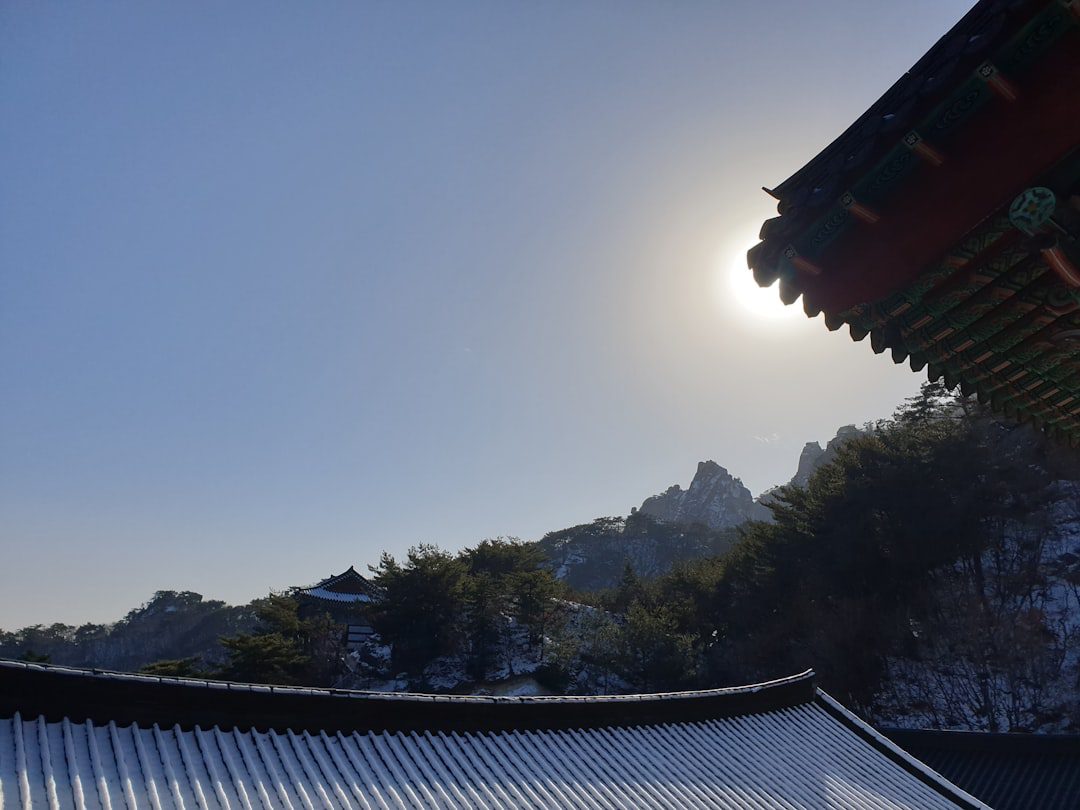
I’ll never forget my first temple stay back in 1998. I was frustrated with Seoul’s nonstop energy, the subway crowds, the constant phone calls, and I desperately needed silence. A Korean friend suggested I try a templestay—a structured overnight experience at an actual working Buddhist monastery. I was skeptical. I’m not religious. I’d never meditated longer than five minutes. But something in me needed to try.
That night at Bulguksa Temple in Gyeongju, I woke at 3:47 AM to the sound of the moktak (wooden bell) echoing through the mountains. I shuffled into a freezing meditation hall with a dozen monks and Korean pilgrims, sat cross-legged in complete darkness, and for the first time in years, my mind actually stopped racing. By sunrise, I felt something shift inside me.
Thirty-five years later, I’ve done temple stays at over twenty monasteries across Korea, and I recommend them to nearly every visitor who asks about authentic cultural experiences. Temple stays aren’t religious conversions or extreme ascetic retreats—they’re profound, accessible cultural immersions that remind you why Korea’s spiritual traditions have survived for 1,500 years. Here’s everything you need to know to book one yourself.
What Exactly Is a Korean Temple Stay?
A temple stay (sometimes spelled “templestay”) is an overnight or multi-day program where visitors live temporarily as Buddhist monks do. You wake early, meditate, eat vegetarian meals prepared by monks, participate in rituals, and sleep in simple dormitory rooms within the monastery complex. Most programs last 1-3 nights, though some temples offer week-long intensive retreats.
Here’s the honest truth: it’s not a hotel. You won’t have WiFi in your room, hot showers are optional (cold water meditation is actually a thing), and you’ll eat dinner at 5 PM because monks follow ancient schedules tied to daylight. But that’s exactly the point. Temples operate on a different temporal rhythm than the modern world, and stepping into that rhythm—even for 24 hours—genuinely changes how you think about time, silence, and intention.
The programs are designed specifically for visitors and led by English-speaking monks (at most major temples). You’re not intruding on actual monastic life; you’re participating in a structured, welcoming experience that’s been refined over decades. According to the Korean Buddhist Templestay Program, over 200,000 international visitors participate annually.
Ted’s tip: Temple stays are NOT the same as staying at a monastery-themed hotel. You’re living by actual Buddhist schedules and participating in real temple rituals. Come with genuine openness—not as a tourist checking off an Instagram list, but as someone actually curious about a different way of living, even temporarily.
Daily Temple Stay Schedule: What You’ll Actually Do
Every temple operates slightly differently, but here’s what a typical 2-night stay looks like. This is real—I’ve lived through variations of this schedule dozens of times.
| Time | Activity | Details |
|---|---|---|
| 3:30–4:00 AM | Wake-up Bell | Wooden bell sounds. You have 15 minutes to dress and get to the meditation hall. No shower first. |
| 4:00–5:30 AM | Pre-dawn Meditation | Sitting meditation (zazen) in silence. Your legs will hurt. This is normal. |
| 5:30–6:30 AM | Morning Chanting Ritual | Monks chant sutras in Korean. You stand and observe, or participate if you wish. |
| 6:30–7:30 AM | Breakfast | Vegetarian meal. You eat slowly, mindfully. Every grain of rice matters in Buddhism. |
| 7:30 AM–12:00 PM | Work Period | You do actual temple chores: sweeping, cleaning, gardening. This is meditation in motion. |
| 12:00–1:00 PM | Lunch | Another vegetarian meal. Tea ceremony sometimes included. |
| 1:00–3:00 PM | Free Time | Rest, journal, walk temple grounds, nap. No phones usually, but monks understand if you need WiFi briefly. |
| 3:00–4:30 PM | Dharma Talk | A monk explains Buddhist philosophy in English. Questions welcome. Usually fascinating. |
| 4:30–5:30 PM | Evening Meditation | Another sitting meditation. You’re usually tired by now, which is actually good. |
| 5:30–6:30 PM | Dinner | Final meal. Quite early by modern standards. One temple I visited serves at 5:00 PM. |
| 6:30–8:00 PM | Evening Chanting | Shorter ritual. You’re exhausted by now, which is the point. |
| 8:00 PM+ | Sleep | Lights out. You’ll sleep deeper than you have in months. |
On your final morning, you repeat the cycle but end at lunch. Then you leave, slowly reintegrating into the modern world while trying to hold onto the clarity you found.
Ted’s tip: Your first meditation will be uncomfortable—mentally and physically. That’s the entire point. Discomfort is where transformation begins. By day two, your body adapts and your mind quiets. Don’t quit after three hours.
Best Temples for International Temple Stays
Not every Korean Buddhist temple accepts international visitors for temple stays. You need temples that have English-speaking monks, established guest programs, and experience with cultural tourists. Here are the absolute best ones, organized by location:
Near Seoul
| Temple Name | Location | How to Get There | Why It’s Great | Price |
|---|---|---|---|---|
| Jogyesa Temple | Jongno-gu, Seoul (downtown) | Line 1 Jongno 3-ga Station, Exit 5 (3 min walk) | Heart of Seoul’s Buddhist culture; extremely convenient; perfect for first-timers | ₩50,000–₩80,000/night |
| Bongwonsa Temple | Seodaemun-gu, Seoul (west) | Line 3 Gyeongbokgung Station, then cable car uphill | Stunning mountain temple; fewer tourists; feels more secluded despite being in Seoul | ₩60,000–₩90,000/night |
| Hwagyesa Temple | Gangbuk-gu, Seoul (north) | Line 1 Suyu Station, then 15 min taxi | Peaceful forest setting; very organized program; excellent English-speaking lead monk | ₩70,000–₩100,000/night |
In Gyeongju (Historic Temple Region)
| Temple Name | Location | How to Get There | Why It’s Great | Price |
|---|---|---|---|---|
| Bulguksa Temple | Gyeongju (UNESCO site) | From Seoul: KTX to Gyeongju (2.5 hrs), then local bus (30 min) | Korea’s most famous temple; 1,300+ years old; pilgrim atmosphere; stunning architecture | ₩65,000–₩95,000/night |
| Seokguram Hermitage | Gyeongju (mountain) | Same route as Bulguksa, then 1 hour hike or cable car | Mountain temple with extreme views; most authentic experience; small groups only | ₩55,000–₩75,000/night |
In Other Regions
| Temple Name | Location | Best For | Price |
|---|---|---|---|
| Haeinsa Temple | Gaya Mountain, South Gyeongsang | Intense mountain retreat; Tripitaka Koreana (oldest Buddhist texts) preserved here; serious pilgrims | ₩60,000–₩85,000/night |
| Songgwangsa Temple | Jirisan National Park, South Jeolla | Hidden gem; national park access; nature meditation; fewer foreign visitors; very authentic | ₩50,000–₩70,000/night |
| Gwaneumsa Temple | Seoraksan National Park, Gangwon | Mountain scenery rivals Switzerland; hiking temple; best for outdoor enthusiasts | ₩55,000–₩75,000/night |
Ted’s tip: Bulguksa is famous and worth visiting, but if you want a genuinely transformative temple stay, choose Haeinsa or Songgwangsa instead. They attract fewer Instagram-tourists, more genuine practitioners, and have deeper silence. Bulguksa is more touristy during day visits but actually quite meditative at night when day-trippers leave.
How to Book a Temple Stay (Step-by-Step)
The official Korean Buddhist Templestay Program runs the most reputable bookings. Here’s exactly how to reserve:
Official Online Booking
Website: templestay.com (official English portal for major temples)
Process:
- Visit templestay.com and select your preferred temple and dates
- Choose 1-night, 2-night, or longer program
- Complete the online form (name, passport number, emergency contact, dietary restrictions)
- Pay deposit (usually ₩30,000–₩50,000) via credit card
- You’ll receive confirmation email with exact arrival time and address
- Full balance due upon arrival or pre-payment requested
Direct Temple Contact
Not all temples use the central booking site. Some prefer direct email or phone:
- Jogyesa Temple: +82-2-732-2040 | jogyesa.or.kr
- Hwagyesa Temple: +82-2-901-1004 | hwagyesa.net
- Bulguksa Temple: +82-54-746-9966 | bulguksa.or.kr
When emailing, write clearly: your name, arrival date, how many nights, number of people, any dietary needs, and that you’re international visitors. Most English-speaking monks reply within 24 hours.
Timing & Availability
| When to Book | Availability | Best Experience |
|---|---|---|
| 6-8 weeks before | Best selection of dates and temples | Ideal booking window; ensures your preferred temple |
| 2-4 weeks before | Good availability; some popular dates full | Still viable; some flexibility lost |
| 1-2 weeks before | Limited; depends on temple size | Possible but risky; may be fully booked |
| Last-minute (walk-in) | Hit-or-miss; call temple directly | Possible at smaller, rural temples; usually not recommended |
Ted’s tip: Avoid Korean holidays (Lunar New Year, Chuseok, Buddha’s Birthday in May). Temples get packed with domestic pilgrims, programs fill instantly, and the atmosphere becomes less meditative. Spring (April-May) and fall (September-October) are sweet spots for perfect weather and moderate crowds.
What to Pack & Prepare
Temple stays are simple, but you need to prepare properly. Here’s what I pack every time:
| Category | What to Bring | Why |
|---|---|---|
| Clothing | Loose, modest clothes; yoga pants or sweatpants; long sleeves (meditation halls are cold); warm socks (essential); comfortable walking shoes; light jacket | Temples are unheated or minimally heated. You’ll meditate on the ground. Dress like you’re going hiking, not to the gym. |
| Toiletries | Toothbrush, toothpaste, deodorant, feminine hygiene products, medications. Shampoo/soap provided at most temples. | Temples are minimalist. They provide basics but not everything. Bring enough to be comfortable. |
| Extras | Journal, pen, phone (but leave it off during meditation), glasses if needed, any prescription meds | A journal helps process the experience. You’ll want to write during free time. |
| Don’t Bring | Alcohol, meat snacks, loud electronics, perfume, makeup (seriously), books about Buddhism (they’ll teach you), cameras (except for personal use) | These violate Buddhist precepts or distract from the experience. Keep it simple. |
Ted’s tip: Warm socks are non-negotiable. You’ll remove your shoes before entering meditation halls and they’re always cold. Bring two pairs—one thicker for sleeping, one thinner for meditation.
Temple Etiquette & Buddhist Customs You Need to Know
This is crucial. If you’re respectful, monks will embrace you completely. If you’re thoughtless, you’ll offend people trying to live a spiritual life. Here are the actual rules:
In the Meditation Hall
- Shoes always come off before entering. Always. Even if you’re just peeking.
- Sit cross-legged or knees-bent on the meditation cushion. If this hurts (it will), you can sit upright on a bench, but cross-legged is traditional.
- Bow before sitting and after standing. It’s a gesture of respect to the space, not religious submission.
- Don’t fidget, scratch, or adjust constantly. Meditation is about sitting with discomfort. Embrace it.
- Eyes closed or gazing down at 45 degrees. Not closed tightly; gently closed or soft gaze.
- Absolutely no phone, no talking, no coughing if avoidable. If you must cough, cover your mouth and don’t make a show of it.
- Don’t leave early. If you need to leave mid-meditation due to pain, do it slowly, carefully, with minimal distraction. But try not to.
In the Dining Hall
- Wait to be seated. Don’t wander and pick a spot.
- Eat everything on your plate (or nearly everything). Wasting food is considered spiritually disrespectful in Buddhism.
- Eat slowly and mindfully. Pay attention to each bite. This isn’t rushed fuel; it’s meditation.
- No talking during meals. Complete silence. You can hear individual chewing sounds. That’s the point.
- Spoon and chopsticks only. You’ll be given utensils. Use them correctly if you know how; monks won’t judge if you don’t.
- Bow before eating and after finishing. Gesture of gratitude to the monks who prepared it.
Around the Temple Grounds
- Keep your voice very low. Not complete silence outside, but a library-level quiet.
- Don’t point at statues or Buddha images. Use your whole hand to gesture respectfully.
- Dress modestly always. Even at 6 AM, even when alone. Shorts, tight clothes, or visible undergarments are disrespectful.
- Don’t take photos of monks without permission. Some temples restrict photography entirely in certain areas. Ask first.
- Leave the flowers, stones, and temples alone. Don’t rearrange anything or leave offerings unless instructed.
- If you see a monk, a small bow is appreciated. A head nod works too. You’re acknowledging their spiritual practice.
During Chanting Rituals
- You don’t have to participate vocally. You can observe silently. Many international visitors just listen.
- If you do chant, monks will guide you. They’ll teach you the phonetic sounds. Don’t worry about pronunciation.
- Stand when the monks stand, sit when they sit. Follow their lead if unsure.
- Bow at designated moments. Monks will demonstrate. You’ll pick it up quickly.
Ted’s tip: Monks genuinely understand that you’re foreign and new to this. They’re endlessly patient. The only offense comes from arrogance—acting like the temple’s rules don’t apply to you. Come with humble curiosity, and you’ll be welcomed like family.
Physical & Mental Preparation
Temple stays aren’t dangerous, but they’re physically demanding. Your body isn’t used to sitting still for hours. Your mind isn’t used to silence. Here’s how to prepare:
Physical Training
Start 2-3 weeks before:
- Stretch daily, especially hips and lower back. Sitting cross-legged requires flexibility. Yoga is ideal preparation.
- Practice sitting on the floor. Eat one meal a day sitting cross-legged on a cushion. Build tolerance gradually.
- Walk for 30+ minutes most days. Temple grounds involve walking. Your legs need conditioning.
- Do core strengthening exercises. Good posture during meditation comes from core strength, not willpower.
Mental Preparation
- Meditate at home first. Even 10 minutes daily helps. Download an app like Insight Timer and practice before you go.
- Read about Buddhism basics. You don’t need deep knowledge, but understanding the “why” behind rituals helps.
- Set an intention. Why are you going? Stress relief? Spiritual curiosity? Personal clarity? Get honest with yourself.
- Plan an information detox. A day before and a day after, minimize phone/news/social media. Let your mind adjust slowly.
- Manage expectations. You probably won’t have a mystical awakening. Most people just feel very calm and sleep amazingly. That’s the point.
Dealing with Common Challenges
| Challenge | What Happens | How to Handle It |
|---|---|---|
| Leg pain during meditation | Your hips, knees, or ankles hurt. Sharp, throbbing pain. It builds. | Adjust slowly. Change positions. Use the bench if provided. Breathe through it. It WILL improve by day two. |
| Mind racing/can’t focus | Sitting in silence makes your brain chaotic. You think about everything: work, relationships, Netflix, grocery lists. | Completely normal. This is meditation’s real work—observing your thoughts without judgment. By hour four, it settles. |
| Emotional release/crying | Sometimes, silence brings suppressed emotions to the surface. You might cry unexpectedly. | Let it happen. Monks expect this. Crying in meditation is considered healthy. Bring tissues. |
| Loneliness/homesickness | Isolation can trigger unexpected sadness. You miss people and feel disconnected from the world. | Journal during free time. Talk to the monks (many speak English and provide counseling). Remember: this passes, and it’s processing, not suffering. |
| Hunger at 5 PM dinner time | Temple meals are vegetarian, portions are modest, and dinner is early. You might feel hungry by 8 PM. | This is intentional. Buddhism teaches contentment with less. Bring a small snack (ask if allowed) for after dinner, or just sit with the hunger—it passes. |
| Cold at night | Many temples have minimal heating. Your room might be genuinely cold. | Bring warm layers. Extra socks. A small blanket if you own one. Curl up and embrace the ascetic experience. Warmth is coming. |
Ted’s tip: Every single challenge is temporary and part of the experience. Leg pain that seems unbearable at 4:30 AM will be completely gone by breakfast. Sit with discomfort—not dangerously, but genuinely—and you’ll discover resilience you didn’t know you had.
Temple Stay Costs: Budget Breakdown
Temple stays are surprisingly affordable for what you’re getting. Here’s a realistic cost for a 2-night experience from Seoul:
| Expense | Cost Range (₩) | Notes |
|---|---|---|
| Temple stay program (2 nights, all meals) | ₩140,000–₩200,000 | Varies by temple; everything included |
| Transportation from Seoul (if traveling) | ₩20,000–₩50,000 | KTX for far temples; subway for Seoul temples (₩1,250) |
| Donation (optional but appreciated) | ₩10,000–₩50,000 | Temples accept donations to support operations. Not required but customary. |
| Total for 2-night experience | ₩170,000–₩250,000 | ≈ $130–$200 USD. Incredibly good value. |
Compared to a mid-range hotel (₩150,000+/night) + meals (₩30,000+/day), a temple stay is actually cheaper and infinitely more valuable. You’re supporting real Buddhist practice, not a commercial enterprise.
Ted’s tip: Bring cash in Korean won for the donation. Temples prefer cash—it’s traditional. ₩30,000 is a respectful amount that supports operations without being excessive. They’ll gratefully accept whatever you can give.
Understanding Korean Buddhism: Quick Context
You don’t need to become Buddhist to do a temple stay, but understanding the basic philosophy enriches the experience dramatically. Here’s what matters:
Core Buddhist Concepts
- Samsara: The cycle of suffering caused by desire and attachment. Meditation is about seeing this clearly.
- Nirvana: Not heaven or afterlife, but liberation from suffering through understanding. It’s actually achievable in this life.
- The Middle Way: Buddhism isn’t ascetic torture or indulgence—it’s balance. Temple life embodies this.
- Mindfulness (Sati): Present-moment awareness without judgment. This is what meditation actually trains.
- Dharma: Buddhist teachings and the universal law of cause-and-effect. Your actions have consequences (karma).
Korean Buddhism Specifically
Korean Buddhism (Jogye Order) is unique because it blends Zen (sitting meditation) with Pure Land Buddhism (faith-based devotion). Korean temples are warm, inclusive, and less rigid than Japanese Zen monasteries. This is why they welcome international visitors—it’s part of their philosophy.
The three main daily rituals you’ll experience:
- Chanting (sutra recitation): Repetition of Buddhist scriptures in Korean. It’s hypnotic, not meant to be understood word-by-word.
- Sitting meditation (zazen): Simply observing your breath and thoughts. No goal except presence.
- Bowing: Physical expression of respect and release of ego. Thousands of bows deepen this over years, but even a few teach humility.
Ted’s tip: You don’t need to believe any of this. Pure skeptics are welcomed. Monks say: “Just practice, and understanding will come.” Many visitors find the philosophy makes sense only after experiencing it, not before.
Temple Stays vs. Other Korea Experiences: Where They Fit
If you’re juggling temple stays with other activities, here’s how they compare to other cultural experiences:
| Experience | Duration | Physical Demand | Spiritual Depth | Cost |
|---|---|---|---|---|
| Temple Stay | 1-3 nights | High (early mornings, sitting) | Very high | ₩150,000–₩250,000 |
| Palace tour (Gyeongbokgung) | 2-3 hours | Low | Medium | ₩3,000–₩10,000 |
| Hanbok photo session | 2-4 hours | Low | Low | ₩30,000–₩100,000 |
| K-pop concert | 2-4 hours | Medium | Low | ₩50,000–₩300,000 |
| Hanok Village tour | 2-3 hours | Low-Medium | Medium | Free–₩50,000 |
| Jjimjilbang (spa) | 2-8 hours | Very low | Low-Medium | ₩10,000–₩25,000 |
Temple stays are the deepest cultural experience you can have in Korea in a short timeframe. If you only have time for one immersive activity, make it a temple stay. If you’re doing multiple things, temple stays work best as a quieter counterbalance to busier activities like K-pop concerts or Myeongdong shopping.
What Happens After: Integration & Mindfulness
The real test of a temple stay is what happens after you leave. Many visitors describe the first week back in the city as jarring—sudden sensory overload, temptation to return to old habits, doubts about whether the experience was “real.”
Here’s how to integrate the experience:
First 24 Hours After
- Don’t immediately jump into your phone/email.
- Keep a light schedule. Don’t have meetings or obligations.
- Eat simple, light meals. Your digestion just re-adjusted.
- Write extensively in your journal. Capture insights while they’re fresh.
- Sleep early. Your body is still on temple time.
First Week
- Maintain a meditation practice at home. Even 10 minutes daily keeps momentum alive. This is crucial.
- Reduce phone time intentionally. Set phone-free hours, especially meals and mornings.
- Practice mindfulness in ordinary moments. Brush teeth slowly. Eat without scrolling. Walk without earbuds.
- Don’t talk too much about the experience yet. Let it integrate privately. People who haven’t meditated often dismiss it. That’s their limitation, not yours.
Long-Term
- Return to the same temple annually if possible. Consistency deepens practice.
- Join a local meditation group in your home country. The temple experience alone fades without continuation.
- Expect the initial “glow” to fade. This is normal, not failure. Real practice is sustained, quiet work—not peak experiences.
Ted’s tip: The temple stay isn’t the goal—it’s a beginning. The real work is maintaining meditation and mindfulness afterward. I’ve seen visitors have transformative stays, return home, and slip back into old patterns within a week because they didn’t create structure for practice. Don’t be that person. Commit to 10 minutes of daily meditation for at least three months after. You’ll be shocked at what shifts.
Combining Temple Stays with Other Korea Trips
If you’re visiting Korea for 2 weeks, here’s how I’d architect the trip:
1-Week Korea Trip Itinerary (Including Temple Stay)
- Days 1-2: Seoul (arrival, jet lag recovery) — Visit Gyeongbokgung Palace, explore Bukchon Hanok Village
- Days 3-4: Temple stay — Do a 2-night stay at a Seoul temple (Jogyesa or Hwagyesa) or take the KTX to Gyeongju for Bulguksa
- Days 5-6: Seoul exploration — Street food tours, café culture, Namsan Tower
- Day 7: Departure or extension
2-Week Korea Trip (Maximum Immersion)
- Days 1-2: Seoul arrival
- Days 3-4: Temple stay in Gyeongju (Bulguksa)
- Day 5: Explore Gyeongju (UNESCO sites, old temples)