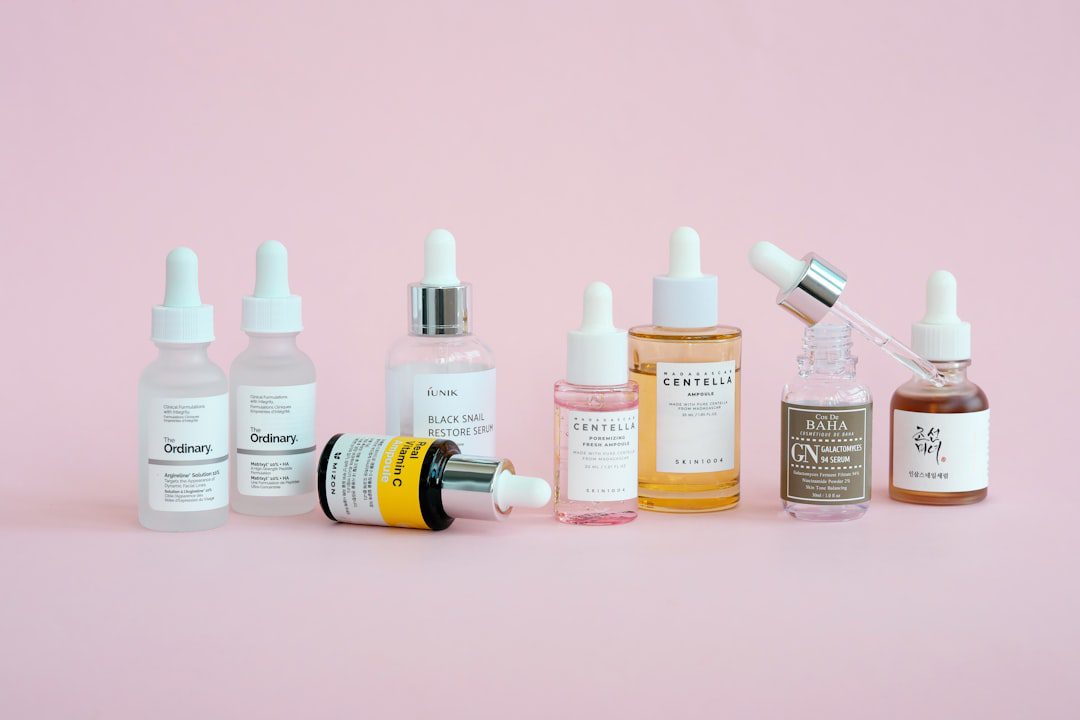
I’ll never forget the first time I visited a Korean beauty shop in 1989—about three years after moving to Seoul. I watched a young Korean woman at the checkout with a basket containing seventeen different skincare products. Seventeen! I thought she was out of her mind. Today, after 35 years here, I understand: this is the Korean way. Skincare isn’t vanity; it’s culture, science, and ritual all rolled into one.
The famous “10-step Korean skincare routine” has become legendary in the beauty world, and for good reason. But here’s what tourists don’t realize: most Koreans don’t actually do all ten steps every single day. What they do is understand the philosophy: proper cleansing, hydration, and prevention. As someone who’s watched Korean beauty evolve from a local phenomenon to a global obsession, I’m excited to walk you through exactly how this system works, where to buy everything, and how to actually make it work for your trip.
Here’s everything you need to know about the Korean skincare routine—the real version, not the Instagram version.
What Is the 10-Step Korean Skincare Routine?
The 10-step routine emerged in the late 2000s as Korean dermatologists and beauty brands systematized an approach that had been building for decades. It’s not that everyone does ten steps—it’s that Korean skincare culture recognizes ten distinct purposes, and you choose which ones matter for your skin.
Think of it like this: it’s not a law; it’s a framework. Some days I do six steps, some days eight. The philosophy is about addressing different skin concerns sequentially, allowing each product to do its job without interference.
Ted’s tip: The 10-step routine was popularized in English through Korean beauty bloggers around 2013, but it’s actually based on traditional Korean medicine principles dating back centuries. Hydration and prevention are the cornerstones—not correction.
Here’s the order, which is critical:
| Step | Purpose | Product Type | Frequency |
|---|---|---|---|
| 1 | Remove makeup | Oil or wax cleanser | PM only |
| 2 | Deep cleanse | Foaming wash | Twice daily |
| 3 | Exfoliate | Physical or chemical | 2–3x weekly |
| 4 | Tone & balance | Toner or essence | Twice daily |
| 5 | Add treatments | Serums or ampoules | Daily or as needed |
| 6 | Sheet mask boost | Hydrating sheet mask | 2–3x weekly |
| 7 | Moisturize (light) | Lotion or gel | Daily (AM) |
| 8 | Moisturize (rich) | Cream or balm | Daily (PM) |
| 9 | Eye care | Eye cream or patch | Daily |
| 10 | Sun protection | SPF 30+ | Daily (AM) |
This isn’t meant to overwhelm you. In reality, a solid routine hits steps 2, 4, 5, 7/8, and 10. Add sheet masks and eye care when you have time. That’s how most Koreans actually do it.
Steps 1–2: The Double Cleanse (Evening Only)
The foundation of Korean skincare is cleansing. Not just any cleansing—the famous “double cleanse,” which is non-negotiable in Korean beauty culture. This removes makeup, sunscreen, and environmental pollutants completely before any treatment products can work.
Step 1: Oil or Balm Cleanser (First Cleanse)
You do this only in the evening if you’re wearing makeup or sunscreen. The oil-based cleanser breaks down oil-soluble substances: makeup, SPF, sebum. You massage it in for about 30–60 seconds, then add water to emulsify (it turns milky), and rinse.
Why oil on oily skin? Because oil dissolves oil. Koreans learned this from traditional medicine—it’s the principle of “like dissolves like.” This step is optional if you wear minimal makeup or have extremely sensitive skin.
Popular options:
- Banila Co Clean It Zero (₩12,000–15,000) — The iconic balm cleanser. It’s been around since 2012 and is still the best-seller. Three versions: Original (all skin), Purifying (oily), Restorative (dry).
- Burt’s Bees Very Volumizing Shampoo — Wait, no. Let me correct that. COSRX Good Morning Low pH Cleanser is technically a foam, not oil, but if you want actual oil: Mizo Derma Cleansing Oil (₩18,000) or the budget option Nature Republic Super Aqua Cleansing Oil (₩8,900).
Step 2: Water-Based Foam Cleanser (Second Cleanse)
After rinsing the oil cleanser, you use a gentle, usually low-pH foam cleanser to remove any remaining oil residue and to properly cleanse your skin. Korean cleansers are famous for being much gentler than Western ones—they focus on removing dirt without stripping your skin’s natural oils.
Popular options:
- COSRX Good Morning Low pH Cleanser (₩6,500–8,000) — My personal favorite. Non-stripping, slightly acidic (pH 5.5), foams beautifully. Available at almost every pharmacy.
- Purito Deep Sea Pure Water Cream Cleansing Foam (₩9,000) — Creamier, better for dry skin.
- Cetaphil Gentle Facial Cleanser (₩12,000) — Not Korean, but available everywhere and beloved here too.
- Amorepacific Treatment Essence Gentle Cleansing Foam (₩32,000) — The luxury option if you want to splurge.
Ted’s tip: Korean cleansers are sold by how much they foam, not how harsh they are. That luxurious foam you see isn’t aggressive—it’s actually a sign of a gentler formulation. The worst cleansers here don’t foam at all and leave your face squeaky.
Step 3: Exfoliation (2–3 Times Weekly)
Koreans are obsessed with smooth, glass-like skin texture, and exfoliation is key. But they’ve moved away from harsh physical scrubs to gentler chemical exfoliation using AHAs and BHAs. This is something you shouldn’t skip, but also shouldn’t overdo as a tourist using products you’re not used to.
There are two types: physical (gritty) and chemical (acid-based).
Physical Exfoliation
The famous Korean “massage pack” uses physical exfoliation. You massage it on dry or damp skin, and it balls up, removing dead skin cells. It’s satisfying and very visible results, but can irritate sensitive skin.
Popular products:
- COSRX One Step Pore Control Pad (₩12,900) — Actually a chemical exfoliant, not physical, but the most popular. Daily use.
- Nature Republic Super Aqua Mask (₩8,900) — Jelly texture, physical exfoliation, classic Korean product.
- Aestura A-Cica 365 Cream (₩18,000) — Gentle, includes both exfoliating and soothing ingredients.
Chemical Exfoliation
AHA (glycolic acid) and BHA (salicylic acid) exfoliants are gentler on skin and better for sensitive types. Start once weekly if you’re new to Korean skincare, since products here are often stronger than Western drugstore versions.
Popular products:
- COSRX AHA 7 Whitehead Power Liquid (₩8,000–10,000) — 7% glycolic acid, very affordable, very effective. Best-seller.
- Purito Deep Sea Pure Water Cream Cleansing Foam (wait, already mentioned). Let me try: PURITO Deep Sea Pure Watery Toner (₩10,000) — Actually not exfoliant. Try Isntree Hyaluronic Toner Plus (₩12,000).
- Dr. Jart+ Cicapair Cream (₩25,000) — Includes gentle exfoliating botanicals.
Ted’s tip: If you’re staying more than a week, buy one exfoliant and use it 2–3 times a week. Don’t go overboard. I’ve seen tourists arrive with clear skin and leave with irritated, red skin because they tried everything at once.
Steps 4–5: Toning & Treatments (The Hydration Core)
This is where Korean skincare gets exciting and different from Western routines. Koreans layer hydrating toners and serums, understanding that hydration is prevention. This section accounts for about 60% of the morning and evening routine.
Step 4: Toner or Essence
Korean toners are NOT astringent like Western toners. They’re hydrating, pH-balancing liquids applied with your hands (not cotton pads). The goal is to prep your skin to absorb subsequent products. Think of it as a hydration base coat.
The difference: Essence is slightly thicker and more nourishing than toner, but the terms are used interchangeably now.
Most popular options (all under ₩15,000):
| Product | Brand | Price (₩) | Best For |
|---|---|---|---|
| Isntree Hyaluronic Toner Plus | Isntree | 12,000 | All skin types, hydration |
| COSRX Hydrium Watery Toner | COSRX | 8,000 | Sensitive, lightweight |
| Purito Deep Sea Pure Water Cream | Purito | 10,000 | Dry, soothing |
| Aestura A-Cica 365 Toner | Aestura | 12,000 | Sensitive, barrier repair |
| Hada Labo Lotion Light | Rohto | 8,900 | All types, hydration king |
| Some By Mi Snail Truecica Miracle Serum | Some By Mi | 14,000 | Acne-prone, soothing |
How to apply: Pour a small amount (about a quarter-sized coin) into your palms and press it gently into your face and neck, letting it absorb for 30 seconds before moving to the next step. No rubbing.
Step 5: Serums & Ampoules
After toner, you apply targeted treatment serums. These are concentrated actives: vitamin C, niacinamide, peptides, snail mucin, etc. Koreans layer multiple serums—sometimes 2–3 different ones. This is where personalization happens.
Popular serums (most under ₩20,000):
- COSRX Advanced Snail 96 Mucin Power Essence (₩9,000–11,000) — The cult favorite. Hydrating, soothing, suitable for all skin types. This is what everyone buys.
- Purito Deep Sea Pure Water Cream Serum (₩12,000) — Lightweight, hydrating, great for tourists because it’s forgiving.
- Isntree Hyaluronic Toner Plus (₩12,000) — Can double as toner or serum, extremely hydrating.
- Some By Mi Snail Truecica Miracle Serum (₩14,000) — Soothing, barrier-repairing, great if you have sensitive skin.
- Aestura A-Cica 365 Toner (₩12,000) — Same as above, focus on cica (centella asiatica) for irritation.
- Benton Aloe BHA Skin Toner (₩10,000) — Gentle BHA exfoliant plus aloe, good for combination skin.
Ted’s tip: Don’t get overwhelmed trying 10 different serums. Pick ONE that addresses your main concern (hydration, sensitivity, acne, aging) and stick with it for your trip. Your skin will thank you for consistency.
Step 6: Sheet Masks (2–3 Times Weekly)
Sheet masks are where Korean skincare gets indulgent and where tourists usually go a bit crazy. They’re affordable (₩1,500–8,000 each), fun, and actually effective. But they’re not a daily necessity—use them 2–3 times weekly for a boost.
The science: Sheet masks keep active ingredients in contact with your skin for 15–20 minutes, allowing deeper penetration than regular products. The sheet itself creates an occlusive barrier, trapping moisture.
Where to Buy Sheet Masks
Sheet masks are sold everywhere in Korea—convenience stores, pharmacies, beauty shops, department stores. Prices range from ₩1,500 at a convenience store to ₩8,000 at a fancy boutique. For tourists, I recommend shopping at Olive Young (the major beauty pharmacy chain) where you’ll find thousands of options and English labels.
Best Sheet Mask Brands for Tourists
| Brand/Product | Price per mask (₩) | Best For | Where to Buy |
|---|---|---|---|
| Mediheal Tea Tree Mask | 2,500–3,500 | Acne, oily skin | Olive Young, convenience stores |
| SNP Bird’s Nest Mask | 3,000–4,000 | Hydration, luxury | Olive Young |
| Manefit Black Head Sheet Mask | 2,000–3,000 | Pore cleansing | Convenience stores, pharmacies |
| I’m From Mugwort Mask | 4,500–6,000 | Sensitive, soothing | Olive Young, boutiques |
| Etude House 0.2mm Therapy Mask | 2,500–3,500 | All types, basic hydration | Everywhere |
| COSRX Hydrium Watery Mask | 3,000–4,500 | Hydration, sensitive | Olive Young |
How to use: Apply after your serum step. Leave on for 15–20 minutes (not longer—the mask will start extracting moisture from your skin instead of hydrating it). Fold the edges together and don’t discard the excess essence in the packet—pat it onto your neck and hands.
Steps 7–8: Moisturization (Day & Night)
After all that hydration from toners and serums, you seal everything in with moisturizer. The Korean approach uses a lighter lotion or gel in the morning and a richer cream at night. This prevents the heavy, greasy feeling while ensuring skin barrier protection.
Step 7: Light Moisturizer (Morning)
In the morning, use something lightweight that won’t feel sticky under makeup or in humidity. Gels, lightweight creams, and emulsions are popular.
Top picks (all under ₩20,000):
- COSRX Hydrium Watery Cream (₩12,900) — The perfect AM moisturizer. Hydrating but not greasy, absorbs in seconds.
- Purito Deep Sea Pure Water Cream (₩12,000) — Slightly richer, still lightweight, great for dry skin.
- Some By Mi Aloe Vera 90 Hydrating Cream (₩14,000) — Soothing, hydrating, lightweight.
- Aestura A-Cica 365 Cream (₩18,000) — If you have sensitive skin or redness.
- Isntree Hyaluronic Toner Plus (₩12,000) — Can also function as a light moisturizer.
Step 8: Rich Moisturizer (Evening)
At night, use something thicker to support skin repair and barrier restoration. Creams, balms, and sleeping masks are common.
Popular night moisturizers:
- Dr. Jart+ Ceramide Cream (₩25,000–30,000) — The classic. Strengthens barrier, has ceramides, not too heavy.
- Aestura A-Cica 365 Cream (₩18,000) — Good all-purpose option.
- COSRX Hydrium Watery Cream (₩12,900) — Works for day and night.
- Some By Mi Snail Truecica Intensive Cream (₩18,000) — Richer than the serum version, perfect for night.
- Purito Deep Sea Pure Water Cream (₩12,000) — Heavier consistency, good for very dry skin.
- Benton Aloe BHA Skin Toner (₩10,000) — More of an essence, but hydrating enough for night.
Ted’s tip: Many tourists buy a rich cream and use it both day and night. If you only have time and budget for one, that’s fine. But if you get oily during the day, grab a light morning option—your makeup will last longer.
Step 9: Eye Care (Daily)
The eye area has thinner, more delicate skin, so it needs targeted care. Koreans use dedicated eye creams or eye patches. This step is genuinely important, not just luxury.
Eye Creams
- COSRX Advanced Snail Hydrating Hydrogel Eye Patch (₩8,900 for 60 patches) — Hydrogel patches, not a cream, but extremely popular. Apply for 10 minutes.
- Purito Deep Sea Pure Water Cream Eye (₩12,000) — Traditional eye cream, lightweight.
- Some By Mi Snail Truecica Intensive Eye Cream (₩14,000) — Richer, better for aging concerns.
- Aestura A-Cica 365 Eye Cream (₩16,000) — Soothing, great for tired eyes.
- Dr. Jart+ Cicapair Eye Cream (₩28,000) — Luxury option with proven puffiness reduction.
How to apply: Using your ring finger (the weakest finger, for gentle pressure), dab a tiny amount around the orbital bone. Do NOT rub. Let it absorb for 30 seconds.
Step 10: Sunscreen (Essential Morning Step)
This is non-negotiable in Korean skincare. SPF is not optional—it’s the foundation of skin health and aging prevention. Every Korean uses sunscreen daily, rain or shine. I’m serious.
Sunscreen should be the final step in your morning routine, applied after all other products have been absorbed. Wait 2–3 minutes before going outside to let it set.
Popular Korean Sunscreens
| Product | SPF/PA | Price (₩) | Best For |
|---|---|---|---|
| COSRX Hydrium Watery Toner SPF 50+ | 50+/PA+++ | 12,900 | All skin types, lightweight |
| Purito Deep Sea Pure Water Sun | 50+/PA++++ | 14,000 | All types, no white cast |
| Aestura A-Cica 365 Sun | 50+/PA++++ | 14,000 | Sensitive, soothing |
| Some By Mi Snail Truecica Sun | 50+/PA++++ | 15,000 | Hydrating, lightweight |
| Isntree Hyaluronic Toner Plus Sun | 50+/PA++++ | 14,000 | Hydration-focused |
| Benton Aloe BHA Sun | 50+/PA+++ | 12,000 | Oily, acne-prone |
Ted’s tip: Korean sunscreens are formulated differently than Western ones—they’re typically thinner, more hydrating, and leave less white cast. If you’ve hated sunscreen before, try a Korean one. You might change your mind. Apply generously (about a quarter-teaspoon for face), and reapply every 2 hours if you’re outside.
Where to Buy Korean Skincare as a Tourist
Here’s the practical question: where do you actually get these products when you’re visiting?
Olive Young (올리브영)
This is your one-stop shop. Olive Young is a chain pharmacy found throughout Seoul (and Korea). They stock thousands of Korean skincare products, have English signage and apps, and offer 5–10% discounts through their loyalty program (which you can join with a passport).
Main locations in Seoul:
- Myeongdong Store (Central Seoul) — Line 4, Myeongdong Station, Exit 8. Massive, easy to navigate.
- Hongdae Store (Trendy area) — Line 2, Hongik University Station. Great for younger brands.
- Gangnam Store (South Seoul) — Line 2, Gangnam Station. Upscale area.
- Insadong area — Multiple small Olive Young branches near Line 3, Insadong Station.
Every store has English-speaking staff during business hours. Read my full Olive Young guide for detailed tips on loyalty programs and discounts.
Convenience Stores (GS25, CU, Emart24)
If you need something quickly, Korean convenience stores stock basic Korean skincare. Prices are sometimes higher (20–30% markup), but availability is unbeatable. You’ll find sheet masks, basic cleansers, toners, and sunscreen.
Department Store Counters
Lotte World, Shinsegae, and other department stores have dedicated beauty counters for premium brands like Amorepacific, Sulwhasoo, and The History of Whoo. Prices are full retail, but you get immediate consultation. Good if you want a skin analysis.
Specialized Beauty Boutiques
In neighborhoods like Insadong and Gangnam, you’ll find smaller beauty shops specializing in K-beauty. Staff speak English, selection is curated, and they often have exclusive products. Prices are similar to Olive Young.
Ted’s tip: Don’t shop for skincare in tourist districts like Myeongdong unless you’re buying from Olive Young. Independent makeup stores in Myeongdong mark up prices 30–50% for tourists. Head to a regular neighborhood Olive Young instead.
Budget-Friendly Korean Skincare for Tourists
You don’t need to spend thousands. Here’s a complete 10-step routine under ₩100,000 total, purchasing products to take home:
| Step | Product | Price (₩) | Frequency |
|---|---|---|---|
| 1 | Nature Republic Super Aqua Cleansing Oil | 8,900 | PM |
| 2 | COSRX Good Morning Low pH Cleanser | 8,000 | 2x daily |
| 3 | COSRX AHA 7 Whitehead Power Liquid | 10,000 | 2–3x weekly |
| 4 | Isntree Hyaluronic Toner Plus | 12,000 | 2x daily |
| 5 | COSRX Advanced Snail 96 Mucin | 11,000 | Daily |
| 6 | Mediheal or Etude House Sheet Masks (10-pack) | 25,000 | 2–3x weekly |
| 7 | COSRX Hydrium Watery Cream | 12,900 | AM |
| 8 | Some By Mi Snail Intensive Cream | 18,000 | PM |
| 9 | COSRX Advanced Snail Hydrogel Eye Patch (60 count) | 8,900 | Daily |
| 10 | Purito Deep Sea Pure Water Sun SPF 50+ | 14,000 | AM |
| TOTAL | ₩128,700 |
This is actually more than ₩100,000, but it’s a complete setup. If you want to cut it down, skip the exfoliant and oil cleanser first (you can use just the foam cleanser for makeup removal in a pinch). That brings you to ₩109,800.
Ted’s tip: Buy what you’ll actually use. If you’re only staying a week, don’t buy large bottles. Olive Young sells travel sizes (30ml) of most products for ₩4,000–8,000. That’s smarter than buying 100ml you won’t finish.
Common Beginner Mistakes & How to Avoid Them
After 35 years watching tourists try Korean skincare, I’ve seen patterns:
Mistake 1: Doing All 10 Steps Immediately
Your skin needs adjustment. Start with 5–6 steps (cleanse, tone, serum, moisturize, eye care, sunscreen) for a week. Then add exfoliation and sheet masks. Then explore more serums. Slow integration prevents irritation and helps you identify what actually works.
Mistake 2: Mixing Actives Without Knowledge
AHA + BHA + Vitamin C + Retinol in one night? Your skin will revolt. Use one active (exfoliant or treatment) per routine. If you’re new to K-beauty, stick with gentle hydrating products for your trip. Save experimentation for home.
Mistake 3: Skipping Sunscreen Because You’re “Only Inside”
UVA rays penetrate windows. Koreans apply SPF indoors. Do this.
Mistake 4: Buying Based on Packaging, Not Your Skin
That gorgeous purple cream looks nice, but if your skin is oily, it’ll make you miserable. Know your skin type first. Take our [mental] skin test: Does your skin feel tight after cleansing (dry), oily by noon (oily), or mixed (combination)? Shop accordingly.
Mistake 5: Not Testing for Allergies
Patch test new products on your inner arm first. Some ingredients (snail, ferments, essential oils) trigger reactions in sensitive people. Two days of testing saves two weeks of irritated skin.
Skincare Shopping as a Cultural Experience
One of my favorite things about Korea is how seriously it takes skincare. Visiting a Korean beauty shop isn’t transactional—it’s cultural. Staff genuinely want to help. If you ask for a recommendation in Korean (or English; they’ll speak it), they’ll actually consult with you about your skin concerns, not just push expensive products.
Some stores offer free skin analysis using devices that measure moisture and sebum. This takes 5 minutes and is genuinely helpful. If you’re serious about skincare, ask for this service—it’s available at most Olive Young locations and department store counters.
Ted’s tip: Learn the Korean words for your skin type. 건성 (geonsseong) = dry, 지성 (jiseong) = oily, 복합 (bokhap) = combination, 민감 (mineam) = sensitive. Staff will immediately understand what you need. You’ll make their day by trying Korean.
Should You Do the 10-Step Routine Every Day?
Honest answer: no. Not even Koreans do. Here’s the real breakdown of how locals actually use this system:
| Day Type | Routine | Notes |
|---|---|---|
| Regular weekday (morning) | Cleanse → Toner → Serum → Moisturizer → SPF (5 steps) | 10 minutes, minimal |
| Regular weekday (evening) | Oil cleanse → Foam cleanse → Toner → Serum → Moisturizer (5 steps) | 15 minutes |
| Self-care Sunday | Full 10 steps + sheet mask | 30 minutes, indulgent |
| After exposure (sun, pollution) | Both cleansings + toner + serum + sheet mask + cream |
|