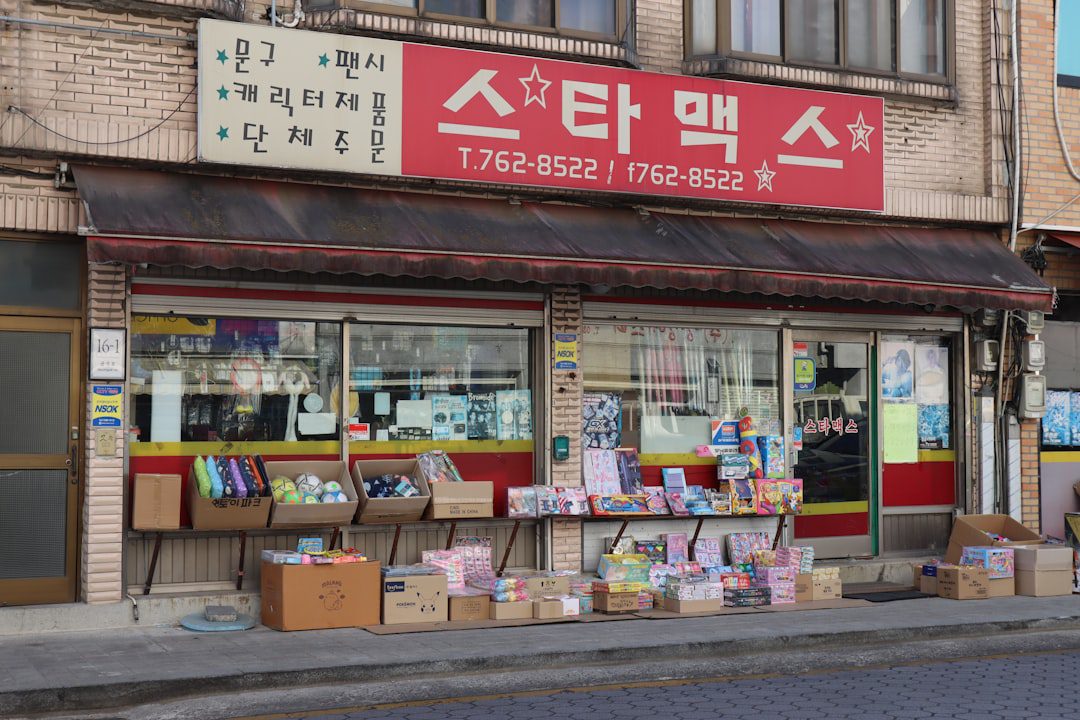
I still remember my first week in Korea back in 1989. I couldn’t speak a word of Korean, and I walked into a restaurant confidently pointing at pictures on the menu like a mime performing Shakespeare. The elderly ajumma behind the counter took pity on me and just brought out whatever she thought a tall foreign man should eat. It was delicious, but it could’ve gone either way.
That experience taught me something crucial: Koreans absolutely appreciate when you try to speak their language, even if you butcher it spectacularly. Over 35 years, I’ve watched the gap between international visitors and the Korean language slowly close, but there’s still so much anxiety around communication. The good news? You don’t need fluency to get by—you need strategy, a few key phrases, and the confidence to attempt them.
In this guide, I’m sharing the practical Korean language essentials that have worked for thousands of travelers I’ve helped navigate Korea. These aren’t textbook phrases—they’re real, street-tested expressions that solve actual problems you’ll face. Here’s everything you need to know.
Why Learning Korean Phrases Actually Matters
Before I dive into the phrases themselves, let me explain why this matters beyond just politeness. Korea has transformed dramatically over three decades, but it’s still far more Korean-language-centric than most travelers expect. Sure, you’ll find English in Gangnam, Myeongdong, and tourist areas, but venture into neighborhood restaurants, smaller shops, or rural attractions and English becomes scarce.
Here’s what I’ve observed: when you attempt Korean, doors literally open. Shopkeepers give you discounts. Elderly people help you on the subway. Restaurant servers bring you extra banchan (side dishes). It’s not magic—it’s respect. You’re making an effort in their country, and that effort pays dividends.
Ted’s tip: Download the Naver Papago app (https://papago.naver.com) before you arrive. It’s Korea’s homegrown translation app and works better than Google Translate for Korean-English. But keep reading—the phrases here will get you 80% of the way without needing to pull out your phone constantly.
The other practical advantage? Language basics prevent expensive mistakes. Knowing how to ask “Is this spicy?” (매워요? mae-wo-yo?) saves you from accidentally ordering something that melts your face off. Knowing “Do you accept card?” (카드 돼요? ka-deu dwae-yo?) prevents awkward moments at old-school restaurants. These phrases are survival tools, not just cultural niceties.
Korean Pronunciation Basics: Making Sounds Like a Local
The Hangul System and Why It’s Actually Easy
Here’s what amazes me: most tourists assume Korean is impossibly hard to pronounce. But Korean Hangul—the writing system—is deliberately phonetic. Once you understand basic sounds, you can read Korean without understanding a word. It’s like having a cheat code.
I won’t teach you to read Hangul here (that’s a 2-hour project), but I’ll give you the pronunciation keys you need for the phrases below.
Key Sound Rules
| Sound Pattern | How to Pronounce | Example |
|---|---|---|
| -yo ending | Soften it to sound more polite (like “yo” in yoga) | 감사합니다 (gam-sa-ham-ni-da) = thank you formal |
| Double consonants | Tense them up—more forceful than English | 깍 (kkak) vs 각 (gak) |
| Ŋ sound | Back of throat (like “ng” in “sing”) | 가방 (ga-bang) = backpack |
| R vs L | Koreans use same sound—land between English R and L | 라면 (ra-myeon) = ramen |
| Silent ending consonants | Many final consonants barely sound (just close mouth) | 닭 (dak) = chicken (barely say the k) |
Ted’s tip: Stop worrying about perfect pronunciation. Koreans are remarkably forgiving of accent. They’re impressed you tried at all. I’ve butchered Korean for 35 years and people still understand me—context and effort matter more than perfection.
Essential Survival Phrases: What You Actually Need
Greetings and Basic Politeness
These are your foundation. Use them everywhere—subway, restaurants, shops, hotels.
| Phrase (Hangul) | Pronunciation | English | When to Use |
|---|---|---|---|
| 안녕하세요 | ahn-nyong-ha-se-yo | Hello / Goodbye (formal) | Entering any shop, restaurant, meeting anyone |
| 감사합니다 | gam-sa-ham-ni-da | Thank you (formal) | After paying, receiving help, leaving shops |
| 고마워요 | go-ma-wo-yo | Thank you (casual/friendly) | With people your age, informal settings |
| 죄송합니다 | joe-song-ham-ni-da | I’m sorry / Excuse me | Getting someone’s attention, apologizing |
| 천천히 말씀해 주세요 | cheon-cheon-hi mal-sseum-hae joo-se-yo | Please speak slowly | When someone speaks too fast |
| 이해 못 했어요 | i-hae mot-haes-seo-yo | I don’t understand | When confused |
Food and Restaurant Phrases
You’ll spend a lot of time eating in Korea (and you should—see our Korean street food guide). These phrases make the experience infinitely better.
| Phrase (Hangul) | Pronunciation | English | Practical Use |
|---|---|---|---|
| 테이블 하나 있어요? | te-i-beul ha-na i-sseo-yo? | Do you have a table for one? | Solo travelers entering restaurants |
| 이건 뭐예요? | i-geon mwo-ye-yo? | What is this? | Pointing at menu items |
| 매워요? | mae-wo-yo? | Is this spicy? | Before ordering anything red |
| 덜 맵게 해 주세요 | deol maep-ge hae joo-se-yo | Please make it less spicy | When ordering (they can adjust) |
| 계산해 주세요 | gye-san-hae joo-se-yo | Check, please | Ready to pay (snap fingers not required!) |
| 카드 돼요? | ka-deu dwae-yo? | Do you accept card? | Before paying (especially at old restaurants) |
| 물 한 잔 주세요 | mul han jjan joo-se-yo | Can I have a glass of water? | After spicy food |
| 포장해 주세요 | po-jang-hae joo-se-yo | To-go, please | Taking food with you |
Ted’s tip: Koreans are incredibly helpful with food descriptions. If you say “이거 뭐예요?” while pointing, they’ll often describe it, act out how to eat it, or taste it for you. I’ve had ajummas literally put food in their mouth to show me it’s safe. This kindness still amazes me after 35 years.
Shopping and Money Phrases
Whether you’re in Myeongdong, Dongdaemun, or a small neighborhood shop, these phrases help you negotiate and understand prices.
| Phrase (Hangul) | Pronunciation | English | Where You’ll Use It |
|---|---|---|---|
| 얼마예요? | eol-ma-ye-yo? | How much is this? | Any shop (though prices are usually marked) |
| 너무 비싸요 | neo-mu bi-ssa-yo | This is too expensive | Street markets, hagwon (negotiation-friendly) |
| 할인해 주세요 | har-in-hae joo-se-yo | Can you give me a discount? | Markets, multiple item purchases |
| 다른 사이즈 있어요? | da-reun sa-i-jeu i-sseo-yo? | Do you have another size? | Clothing stores |
| 환불 가능해요? | hwan-bul ga-neung-hae-yo? | Can I return this? | Department stores, after purchase |
| 봉지 주세요 | bong-ji joo-se-yo | Can I have a bag? | Small purchases (stores ask first now) |
Transportation and Navigation Phrases
Getting around is easier than ever with apps like Naver Map, but these phrases solve on-the-spot navigation problems. See our Korean subway guide for more detailed transit tips.
| Phrase (Hangul) | Pronunciation | English | When to Use |
|---|---|---|---|
| 어디로 가세요? | eo-di-ro ga-se-yo? | Where are you going? | Small talk (answer with place name) |
| (장소) 가는 법 알려 주세요 | (jang-so) ga-neun beop al-ryeo joo-se-yo | How do I get to (place)? | Asking directions when phone dies |
| 가장 가까운 지하철역 어디예요? | ga-jang ga-kka-un ji-ha-cheol-yeok eo-di-ye-yo? | Where’s the nearest subway station? | Lost in any neighborhood |
| 택시 기본 요금이 얼마예요? | taek-si gi-bon yo-geum-i eol-ma-ye-yo? | What’s the base taxi fare? | Before taking a taxi (usually ₩3,450) |
| 내려 주세요 | nae-ryeo joo-se-yo | Please drop me off here | In taxis and buses |
| T-money 카드 어디서 사요? | T-money ka-deu eo-di-seo sa-yo? | Where can I buy a T-money card? | At convenience stores (see our T-money guide) |
Ted’s tip: Memorize at least one place name in Korean. When a Korean person asks “어디로 가세요?” you’ll sound infinitely more impressive saying “명동 가요” (going to Myeongdong) rather than panicking. It opens conversations naturally.
Emergency and Hotel Phrases
Hopefully you won’t need these, but they’re genuinely important.
| Phrase (Hangul) | Pronunciation | English | Critical Info |
|---|---|---|---|
| 도와 주세요! | do-wa joo-se-yo! | Help me! | Emergency call—people will help |
| 병원 가야 해요 | byeong-won ga-ya hae-yo | I need to go to hospital | For medical emergencies (see our healthcare guide) |
| 경찰 불러 주세요 | gyeong-chal bul-leo joo-se-yo | Call the police | Emergency number: 112 |
| Wi-Fi 비밀번호가 뭐예요? | Wi-Fi bi-mil-beon-ho-ga mwo-ye-yo? | What’s the Wi-Fi password? | Hotels, cafes, restaurants |
| 체크아웃 시간이 몇 시예요? | che-keu-a-ut si-gan-i myeot-si-ye-yo? | What time is checkout? | Hotels (usually 11 AM or noon) |
Numbers and Times: Math You Can’t Avoid
This might seem basic, but trust me—you need Korean numbers. Price negotiation, time-telling, and address numbers all require this. Korean has two number systems (pure Korean and Sino-Korean), but tourists only need the Sino-Korean system (used for prices, phone numbers, minutes, and most practical situations).
| Number | Hangul | Pronunciation | Use Case |
|---|---|---|---|
| 0 | 영 | young | Phone numbers, zero |
| 1-10 | 일, 이, 삼, 사, 오, 육, 칠, 팔, 구, 십 | il, i, sam, sa, o, yuk, chil, pal, gu, ship | Prices, counting |
| 100 | 백 | baek | Prices like ₩500, ₩800 |
| 1,000 | 천 | cheon | Most restaurant meals (3,000-20,000 won) |
| 10,000 | 만 | man | Expensive items, hotel prices |
| Time | Korean | Pronunciation | Example |
|---|---|---|---|
| 1 o’clock | 한 시 | han si | 오후 한 시 (1 PM) |
| Half past (30 min) | 반 | ban | 한 시 반 (1:30) |
| Minute | 분 | boon | 네 시 십오 분 (4:15) |
| Now | 지금 | ji-geum | “지금 몇 시예요?” (What time is it now?) |
Advanced Language Hacks: Shortcuts That Actually Work
The Google Translate Photo Feature
Here’s what I love about travel in 2026: you have technology that I didn’t have in 1989. Google Translate’s camera feature lets you point your phone at Korean text (menus, signs, instructions) and get instant English translations. It’s not perfect, but it saves your life multiple times daily.
Ted’s tip: This works best for printed text. Handwritten signs sometimes confuse the algorithm. Pro move: screenshot Korean restaurant menus at home and translate them before you arrive. You’ll know what you’re ordering before you sit down.
Learning Words by Category
Instead of random phrase memorization, learn Korean by topic. If you’re visiting Jeju Island, learn beach-related words. Going to a cafe? Learn coffee terminology. This approach is exponentially more effective because the context sticks.
The Magic of Pointing Plus One Word
After 35 years here, I’ve realized: most successful Korean communication from tourists isn’t full sentences. It’s pointing + one word. Point at a menu item and say “맛있어요?” (Is it delicious?) You don’t need perfect grammar—intention and effort matter.
Similarly: “This? 좋아요?” (Is this good?) while showing a shop owner an item gets their recommendation instantly. Koreans fill in the blanks for you.
Using Romanization When You’re Stuck
Naver Papago has a chat feature where you can type English and get Korean Romanization back. Open it in a pinch at a restaurant and show your phone. Not ideal, but it works. Better yet, use the voice feature and say your phrase aloud for pronunciation feedback.
Apps and Resources to Keep Learning
Technology has made language learning before your trip more accessible than ever. Here’s what actually works:
| App/Resource | Best For | Cost | My Take |
|---|---|---|---|
| Naver Papago | Real-time translation, voice input | Free | Download before you arrive—better than Google for Korean |
| Duolingo Korean | Gamified phrase learning | Free (Premium ₩14,900/mo) | Great for 2-week prep before arriving |
| Memrise | Vocabulary with spaced repetition | Free (Premium ₩10,000/mo) | Better than Duolingo for retention, less fun |
| Korean Alphabet (Easy) | Learning Hangul reading only | Free | Spend 3-4 hours on this app and you can read Korean |
| Naver Dictionary | Word lookup, pronunciation audio | Free | Install this while in Korea for quick lookups |
| YouTube “Korean for tourists” | Visual phrase learning | Free | Search “Korean phrases for travelers”—15-20 min videos work better than apps |
Ted’s tip: Spend 30 minutes daily for 2 weeks before your trip, not 3 hours the night before. Spaced repetition works. Your brain actually retains “how much is this?” if you practice it multiple days. You’ll forget it if you cram.
Cultural Context: When Language Meets Respect
Over 35 years here, I’ve learned that Korean language is deeply tied to social hierarchy. This isn’t arbitrary—it’s genuinely meaningful. The level of politeness (formal vs casual) signals respect. Using the wrong level can accidentally be rude, though Koreans are extremely forgiving of foreigners.
Politeness Levels You’ll Encounter
| Level | Korean Ending | When to Use | Example |
|---|---|---|---|
| Ultra-Formal | -습니다 (-seumnida) | Business settings, older people, ceremonies | 감사합니다 (gam-sa-ham-ni-da) |
| Polite/Standard | -어요/-아요 (-eo-yo/-a-yo) | Restaurants, shops, most service interactions | 고마워요 (go-ma-wo-yo) |
| Casual/Friendly | -어/-아 (-eo/-a) | Friends your age, young people | 고마워 (go-ma-wo) |
Pro tip for tourists: Just use the polite level (-어요/-아요 ending) everywhere. You’ll never offend anyone. Koreans expect tourists to use formal speech, and this level is respectful without being stiff.
The Importance of Eye Contact and Tone
Here’s something I wish someone told me in 1989: Korean communication is about more than words. Smile while speaking, make eye contact (not intense staring, but friendly), and speak gently. A mumbled “안녕하세요” with a frown lands differently than the same phrase said warmly. Koreans respond to sincerity and effort, not perfection.
Common Mistakes Tourists Make
Mistake #1: Pronouncing Place Names Wrong
I still hear tourists say “Gahngnam” instead of “Gangnam” or “Namsan” as “Nam-san.” It matters less than you think for communication, but Koreans notice. Here are the big ones:
| Place | Common Mistake | Correct Pronunciation |
|---|---|---|
| 강남 | “Gah-nam” | Gang-nam (shorter, rhymes with “psalm”) |
| 명동 | “Myne-dong” | Myung-dong (like “myung” in “immune”) |
| 남산 | “Nahm-san” | Nahm-san (but very quick, almost “naamsan”) |
| 여행 | “Yeo-haeng” (travel) | Yeo-hang (ng almost silent) |
Mistake #2: Asking Yes/No Questions Wrong
Korean questions end with a rising tone. If you say “이거 맛있어요” as a statement (flat), it sounds like you’re asserting the food is good. Say “이거 맛있어요?” with a rising tone at the end and it becomes “Is this good?” Same words, different meaning. Tone matters.
Mistake #3: Not Saying Thank You to Servers
The biggest cultural gaffe I see from tourists: they don’t thank the server in Korean. Even a simple “고마워요” when leaving a restaurant or paying creates genuine smiles. After 35 years, I still notice when tourists ignore servers entirely. It reads as cold.
Mistake #4: Overthinking Perfection
I can’t stress this enough: Koreans don’t expect tourists to speak perfect Korean. Attempting anything gets you massive credit. I once mispronounced a word so badly a restaurant owner laughed and corrected me—then gave me free dessert for trying. Koreans love that foreigners make the effort.
Frequently Asked Questions
Is it necessary to speak Korean as a tourist?
No, but it’s genuinely helpful. English is increasingly available in Seoul, major airports, and tourist areas. However, learning a few phrases—especially food and polite expressions—makes interactions warmer and gets you better service. I’ve watched tourists who speak zero Korean still have wonderful trips. Those who speak even 10 phrases? They get invited to dinner with locals. The difference is real.
Should I learn Hangul (Korean alphabet) before arriving?
Absolutely, if you have time. Spending 3-4 hours learning to read Hangul transforms your trip. Suddenly you can read street signs, restaurant menus, and product labels. It’s not necessary (apps translate photos instantly), but it’s deeply satisfying and builds confidence. I recommend the app “Korean Alphabet Easy”—you can finish it in one afternoon.
What translation app should I use as a tourist?
Install both Naver Papago and Google Translate. Papago is better for Korean-English translation overall. Google Translate’s photo feature is better for translating written signs. Use Naver Papago’s voice feature to hear proper pronunciation. Don’t be shy—Koreans understand you’re translating and appreciate the effort.
How do I know if a Korean phrase is too casual or too formal?
When in doubt, use -어요/-아요 endings (polite level). This is universally acceptable in tourist situations. You can’t accidentally be rude with this level. Reserve formal -습니다 endings for very respectful situations (speaking to elderly, business meetings, official settings). Save casual speech for young people or those who explicitly invite casual speech.
What if I say something wrong? Will Koreans be offended?
Very unlikely. Koreans are remarkably patient with language learners, especially foreigners. Mispronouncing a word