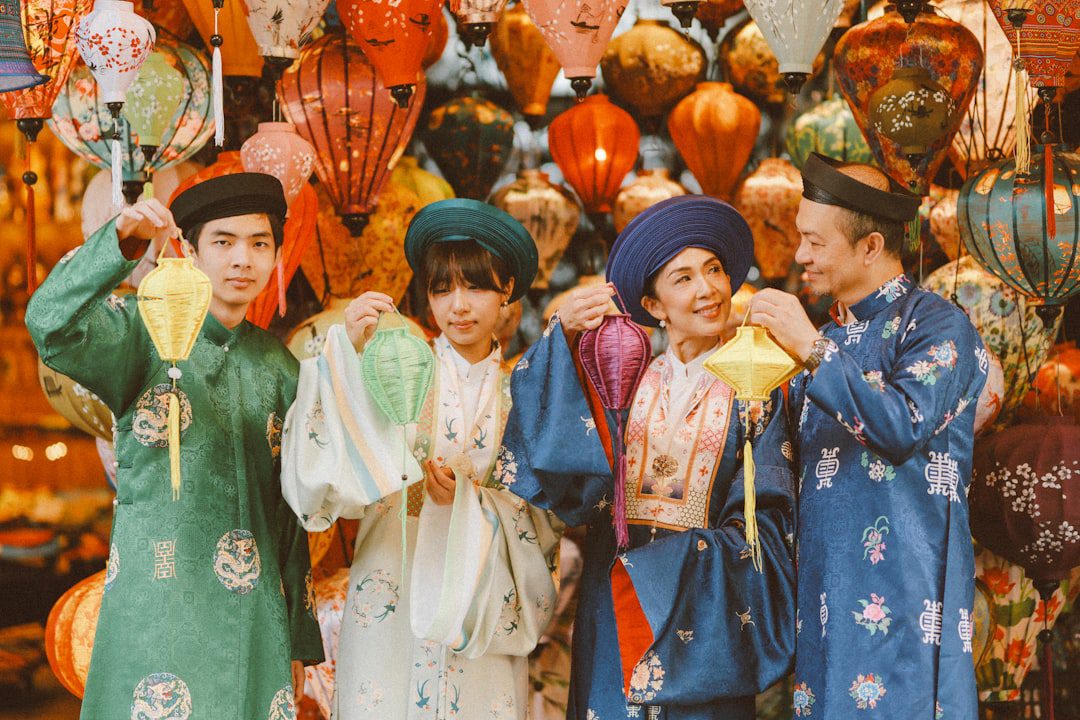
I still remember my first Chuseok in Korea back in 1989. The streets of Seoul went completely silent. Restaurants closed. Subway trains ran on skeleton crews. I wandered around the city feeling oddly lonely, watching the few remaining foreigners gathered in parks like lost lambs. That’s when I realized: understanding Korea’s holiday calendar isn’t just nice to know—it’s absolutely essential for planning a good trip.
After 35 years here, I’ve seen countless travelers make the same mistake: they book their flights without checking Korea’s major holidays, arrive expecting vibrant markets and bustling streets, and instead find shuttered shops and near-ghost town conditions. I’ve also met visitors who timed their trip perfectly and experienced Korea’s most magical cultural moments.
The difference? A simple calendar and one conversation with someone who actually lives here. Here’s everything you need to know about when to come, when to avoid, and how to make the most of Korea’s holiday season.
The Two Biggest Holidays: Seollal and Chuseok
If you only learn two things about Korea’s holiday calendar, learn these: Seollal and Chuseok. These aren’t just holidays—they’re national reset buttons. Imagine Christmas, Thanksgiving, and New Year’s combined, then multiply it by an entire country’s worth of family obligations. That’s the energy you’re dealing with.
Seollal (Korean Lunar New Year)
Dates: February 29 – March 2, 2025; February 17 – 19, 2026; February 6 – 8, 2027
Seollal is the Korean lunar new year, celebrated on the first day of the lunar calendar. For weeks leading up to it, Korea transforms. Every Korean with access to transportation is trying to get back to their hometown. I’ve been here 35 years and I still avoid the highways during this period—traffic jams can stretch 30+ kilometers, even on expressways.
What happens during Seollal:
- Families return to their hometowns for ancestral rites and family gatherings
- Most shops, restaurants, and attractions close for 3–5 days
- Public transportation is packed; booking tickets becomes nearly impossible
- Subway runs reduced schedules; taxis become scarce
- Food prices spike dramatically; basic ingredients become hard to find
- Tourist attractions operate on severely limited hours or close entirely
I had a traveler friend, Michael, who booked his Seoul trip for Seollal 2019. He arrived expecting to visit markets and temples. Instead, he found his hotel restaurant was the only place serving food for miles. He spent three days eating kimbap and watching Korean Netflix with other stranded tourists. He laughs about it now, but at the time? Not so much.
Ted’s tip: If you absolutely must be in Korea during Seollal, book everything—hotels, restaurants, flights—months in advance. Expect 30–40% price increases. Don’t plan any temple visits or market tours. Spend the time in major hotels or doing indoor activities like visiting a jjimjilbang (Korean spa).
Chuseok (Korean Thanksgiving)
Dates: September 16 – 18, 2025; September 5 – 7, 2026; September 25 – 27, 2027
If Seollal is the New Year reset, Chuseok is Korea’s Thanksgiving, except it lasts 5–6 days across the country (with many people taking additional vacation days). This is when the countryside fills with returning families, highways become parking lots, and temples get packed with the most tourists they’ll see all year.
What happens during Chuseok:
- Multi-day holiday period (often September 15–18, with surrounding days off)
- Multi-generational family gatherings at hometowns
- Ancestral tomb visits (called “seongmyo”) across the entire country
- Traditional games like ssireum (Korean wrestling) and nolttwigi (seesaw)
- Massive food preparation (songpyeon, jeon, galbi)
- Trains and flights booked solid weeks in advance
- Hotels and restaurants operate with skeleton crews
Chuseok is actually more devastating to a trip than Seollal because it happens during better weather. You’ll see photos of beautiful Korean temples online from other times of year, and you’ll want to visit those temples during Chuseok. Don’t. Last year, I drove past one of the major temples just to check conditions—the parking area was completely full by 7 AM.
Ted’s tip: Chuseok = automatically cancel. The entire infrastructure of the country is operating in survival mode. Nothing is worth planning for this week. Period.
| Holiday | Lunar Date | 2025 Dates | 2026 Dates | Best Time to Visit? |
|---|---|---|---|---|
| Seollal | 1st day of 1st lunar month | Feb 29 – Mar 2 | Feb 17 – 19 | NO (Avoid entirely) |
| Chuseok | 15th day of 8th lunar month | Sep 16 – 18 | Sep 5 – 7 | NO (Avoid entirely) |
Other Major Holidays Worth Knowing
Beyond Seollal and Chuseok, Korea has several other major holidays that will affect your trip, though none as severely as the lunar holidays.
Korean Independence Movement Day (March 1)
Date: March 1 (or observed on the nearest Monday if it falls on a weekend)
This commemorates Korea’s 1919 independence movement against Japanese colonial rule. It’s a national holiday, so banks and government offices close, but most restaurants and attractions stay open. In 2025, it falls on a Saturday, so the observed holiday is Monday, March 3.
Impact on your trip: Low. Shops remain open. Restaurants operate normally. You might see some historical events or parades, but nothing that disrupts travel.
Buddha’s Birthday (Cheondung-gwal 8, lunar calendar)
Dates: May 15, 2025; May 5, 2026; May 24, 2027
This is a major occasion in Korea. Buddhist temples across the country hold special celebrations with lantern festivals (Yeon-deung-hoe) that are genuinely beautiful. Unlike Seollal or Chuseok, this is actually a GOOD time to visit temples.
Ted’s tip: If you can time your Korea trip for Buddha’s Birthday, do it. The temples are packed, yes, but the decorations are stunning, the energy is festive (not chaotic), and temple stays often have special programs. It’s one of my favorite times to explore.
Famous celebrations happen at Jogyesa Temple in Jongno-gu, Bulguksa Temple in Gyeongju, and temples throughout the country. The main lantern lighting ceremony draws crowds, but it’s orderly and celebratory rather than stressful.
Korean Memorial Day (June 6)
Date: June 6
Commemorates those who died fighting for Korean independence and during the Korean War. Government offices and banks close. Ceremonies occur at the National Cemetery. Most tourist activities operate normally.
Impact on your trip: Very low.
Chuseok Holidays During School Year
Korean kids get extended breaks for Seollal and Chuseok, which means family vacation periods, which means slightly more crowded attractions on surrounding days. But it’s nothing compared to the holidays themselves.
Christmas (December 25)
Korea is primarily Buddhist (around 43% of the population) or non-religious (around 56%), with Christians making up about 18%. Christmas is a national holiday, so most offices close, but Korea’s Christmas celebration is more secular and shopping-focused than religious. Shops, restaurants, and attractions operate normally. The streets are actually quite lively with holiday decorations and shopping crowds.
Impact on your trip: Low. Late December actually has decent weather and festive energy.
| Holiday | Date(s) | Severity | What Closes |
|---|---|---|---|
| Seollal | Feb 29 – Mar 2 (2025) Feb 17 – 19 (2026) |
CRITICAL | Most restaurants, shops, markets, temples; reduced transit |
| Chuseok | Sep 16 – 18 (2025) Sep 5 – 7 (2026) |
CRITICAL | Most restaurants, shops, markets, temples; reduced transit |
| Buddha’s Birthday | May 15 (2025) May 5 (2026) |
Low to Medium | Government offices; temples celebrate (still worth visiting) |
| Korean Independence Day | March 1 | Very Low | Government offices; normal restaurant/shop operation |
| Memorial Day | June 6 | Very Low | Government offices; normal restaurant/shop operation |
| Christmas | Dec 25 | Very Low | Government offices; restaurants/shops open (festive) |
The Hidden Holiday Trap: Long Holiday Weekends
Here’s something that catches people off guard: Korea’s public holidays don’t just affect the holiday day itself. When a national holiday falls on a Tuesday, for example, the following Monday becomes a “substitute holiday” (daeche-gongsang). This is meant to give people a long weekend to travel to their hometowns.
The result? The entire long weekend period—not just the official holiday—becomes congested. I once booked a temple trip on a Monday thinking it would be quiet since the holiday was the previous Friday. Wrong. The highways were still full at 8 AM on Monday because people were returning from their hometown trips.
Ted’s tip: When checking Korea’s holiday calendar, always check not just the official holiday date, but the days immediately before and after it. The 3–5 day period surrounding a major holiday is essentially “no travel” time.
2025 Holiday Calendar At-a-Glance
| Holiday | Date | Observed (if different) | Avoid? |
|---|---|---|---|
| New Year’s Day | January 1 | — | Low (shops open) |
| Seollal | Feb 29 – Mar 2 | Add Mar 3 | YES – AVOID |
| Independence Day | March 1 | March 3 (Mon) | No |
| Children’s Day | May 5 | May 6 (Tue) | Low to Medium |
| Buddha’s Birthday | May 15 | — | NO – GOOD TIME |
| Memorial Day | June 6 | — | No |
| Chuseok | Sep 16 – 18 | Add Sep 15 | YES – AVOID |
| National Foundation Day | October 3 | — | No |
| Hangeul Day | October 9 | October 10 (Fri) | Low to Medium |
| Christmas | December 25 | — | No |
The Best Times to Visit Korea
So when SHOULD you come? After 35 years, I have strong opinions on this.
Fall (September–November): The Goldilocks Season
Avoid Chuseok (mid-September), but come before or after it, and you’ve found paradise. Late September through October is genuinely one of the most beautiful times in Korea. The weather is crisp but not cold, the skies are blue, the mountains turn blazing colors.
October specifically is my favorite month in Korea. Hangeul Day (October 9) occasionally creates a long weekend, but it’s nothing like Seollal or Chuseok. If you visit October 1–8 or October 20–31, you’ll have perfect weather and manageable crowds.
Ted’s tip: Late October is the sweet spot. Book hiking trips to Seoraksan or Jirisan. The autumn colors are peaking, the weather is perfect, and crowds are moderate.
Spring (April–May): Cherry Blossoms and Buddha’s Birthday
April and early May are absolutely stunning. Korean cherry blossoms peak in early April, the weather warms up beautifully, and Buddha’s Birthday (May 5 or 15 depending on the year) brings festive energy to temples without the chaos of Seollal or Chuseok.
Book your trip for April or early May, and you’re golden. Late May gets warmer and more humid, but still pleasant.
Avoid: Winter (December–February)
Winter can work, but it’s cold (often below freezing), dry, and miserable for walking around. New Year’s Day itself is fine—it’s not a chaotic holiday—but late December and January have cold weather. If you do visit, stick to indoor activities: museums, shopping, restaurants, and jjimjilbang visits.
Late January through February is terrible because: (1) it’s freezing, (2) Seollal hits in late January or early February and shuts down the country, and (3) everything feels gray and dormant.
Avoid: Summer (June–August)
Sweltering, humid, and monsoon season. Korea in July is like standing inside a sauna. Not impossible to visit—many people do—but it’s grueling. If you must visit in summer, stay in Seoul during the monsoon, take advantage of indoor attractions, and plan to be outside early mornings or late evenings.
| Season | Temperature | Best Dates | Recommendation |
|---|---|---|---|
| Spring | 5–15°C (40–60°F) | April 1 – May 10 | ⭐⭐⭐⭐⭐ EXCELLENT – Cherry blossoms, perfect weather |
| Summer | 20–30°C (68–86°F) | Avoid if possible | ⭐⭐ Hot, humid, monsoon |
| Fall | 10–20°C (50–68°F) | Oct 1 – 8, Oct 20 – Nov 15 | ⭐⭐⭐⭐⭐ EXCELLENT – Clear, crisp, autumn colors |
| Winter | -5–5°C (23–41°F) | Avoid Jan–Feb | ⭐⭐⭐ Cold, dry; Dec/late Feb acceptable for indoor activities |
What Actually Happens During Seollal and Chuseok: The Reality
I want to be brutally honest about what happens during these holidays so you understand why I keep saying “avoid.”
Seollal Day-by-Day Reality
Day 1 (day before Seollal): All highways heading out of Seoul are completely gridlocked. I’m talking stop-and-go traffic for hours. A normal 2-hour drive to the countryside becomes a 5–6 hour nightmare. Flights are fully booked. Trains are packed beyond capacity.
Seollal itself (Day 2): The country goes silent. Subway trains might run every 15 minutes instead of every 3 minutes. Most restaurants close—I mean 80–90% of restaurants outside of tourist hotels. Markets close. Even convenience stores sometimes close or operate with one employee on duty.
The restaurants that DO stay open have massive lines and run out of food. I once tried to get lunch at a major restaurant in central Seoul during Seollal. The line stretched out the door. They ran out of main dishes by 1:30 PM. And this was a big place, not a small family restaurant.
Day 3 (day after Seollal): Still mostly closed, but reopening begins. However, the highways are now completely gridlocked again because everyone is returning to Seoul.
Day 4–5: Things start functioning normally, but crowding persists.
Chuseok Day-by-Day Reality
The same thing happens but worse because it lasts 5–7 days and coincides with better weather, so more people are trying to travel. I actually skip Korea during Chuseok if I can—I’ll go somewhere else for a week because dealing with the aftermath of the holiday (exhausted staff, limited availability) is almost as bad as being there during it.
During Chuseok week:
- Sunday before Chuseok: Highways are already crawling. Every ATM in the city is busy because people are withdrawing cash for their hometown trips.
- Chuseok day itself: The country shuts down. Restaurants close. Shops close. Traditional markets close. The only places open are major hotel restaurants and a few convenience stores.
- Days after Chuseok: Reopening chaos. Businesses reopen, but staff are tired. Quality suffers. Food is sometimes unavailable because supplies couldn’t get delivered during the holidays.
Ted’s tip: If you accidentally book a flight that puts you in Korea during Seollal or Chuseok, don’t panic. Stay in your hotel. Book room service. Visit the hotel spa. Enjoy the quiet. Take this as an opportunity to sleep, watch Korean movies, and plan your proper sightseeing for a different time. Fighting it will only make you miserable.
How to Check Korea’s Holiday Calendar
Here are the tools I recommend:
Official Sources
Korea Tourism Organization: Visit korea.net and check their official event calendar. This is your primary source for accurate, updated holiday information.
Korean Government Website: The official Korean government website (korea.go.kr) publishes the official national holiday calendar each year, including observed dates.
Your Hotel or Guesthouse: When you book, email the property manager and ask them directly: “When will you be closed? What dates are the major holidays?” They can give you specific information about whether THEIR business will be open.
Digital Tools
Google Calendar: Search “Korean holidays 2025” and add it to your Google Calendar. It will update automatically each year.
Naver Calendar: If you download Naver (the Korean Google), their calendar app shows all Korean holidays automatically and in Korean, which is helpful.
| Resource | URL / App | Best For |
|---|---|---|
| Korea Tourism Org | korea.net | Official tourist info; event calendar |
| Korean Government | korea.go.kr | Official holiday calendar |
| Google Calendar | calendar.google.com | Adding holidays to your personal calendar |
| Naver Calendar | Naver app (Korean version) | Local info, Korean holidays |
Holiday Checklist: Before You Book Your Trip
Here’s a checklist I recommend you go through before booking your Korea flight:
- Check Korea’s official holiday calendar for your intended dates (korea.net or korea.go.kr)
- Identify Seollal and Chuseok dates for the year you’re traveling (they change yearly based on the lunar calendar)
- Add 2–3 days before and after each major holiday to your “avoid” list (for the long holiday effect)
- Check substitute holidays (if a holiday falls on a Tuesday, the following Monday is a substitute holiday)
- Email your hotel/guesthouse directly and ask: “Will you be open during my dates of ___? Will restaurants be open?”
- Book attractions in advance if your dates fall near minor holidays like Buddha’s Birthday
- Have a backup indoor plan in case holiday closures affect your original itinerary
| Your Travel Dates Fall During… | Action To Take |
|---|---|
| Seollal or Chuseok (or ±2 days) | ❌ CANCEL and reschedule. Seriously. |
| Buddha’s Birthday (May 5 or 15) | ✅ GOOD TIME – Visit temples, lantern festivals |
| Early April (cherry blossoms) | ✅ EXCELLENT – Book early, crowds expected but manageable |
| October (fall foliage) | ✅ EXCELLENT – Book early, wonderful weather |
| Mid-July to mid-August | ⚠️ POSSIBLE but uncomfortable (heat/humidity/monsoon) |
| January–February | ⚠️ AVOID if possible (cold, Seollal chaos) |
Last-Minute Holiday Survival Strategies
Let’s say you didn’t check the calendar and you’re already in Korea when a major holiday hits. Here’s how to actually enjoy yourself:
Stay in Seoul
The rural areas are complete chaos, but Seoul (especially central districts like Gangnam, Myeongdong, and Itaewon) has enough infrastructure that major hotels and tourist-oriented restaurants stay open. If you’re stuck during a holiday, hunker down in Seoul.
Embrace Indoor Activities
- Museums: National Museum, art museums, specialty museums (they often stay open or have reduced hours)
- Jjimjilbang (Korean spa): Jjimjilbangs LOVE holiday crowds—they’re actually busier during holidays because families use them as hangout spots. It’s perfect.
- Korean cinema: Movie theaters run full schedules during holidays. Catch a Korean film (even if you don’t understand it, the experience is fun)
- Restaurants in your hotel: Your hotel restaurant is your friend during holidays. Expensive but guaranteed to be open.
- Korean cooking class: Many cooking classes stay open for holiday visitors
- K-beauty shopping: K-beauty shops often stay open. This is a great time to shop for skincare and cosmetics.
Order Korean Food
Using Korean food delivery apps like Coupang Eats or Naver Order will save your life. Restaurants might be closed for dine-in, but they might deliver. Download the app and start exploring.
Connect with Other Tourists
Your hotel’s front desk can usually connect you with other stranded tourists. Some hotels organize group activities during holidays. I’ve seen travelers form friend groups during Seollal and Chuseok that turned the experience into an adventure.
Frequently Asked Questions
What exactly is Seollal?
Seollal is Korean Lunar New Year, celebrated on the first day of the lunar calendar. It’s when families return to their hometowns for ancestral rites and family gatherings. The entire country essentially shuts down for 3–5 days. Similar to Chinese New Year if you’re familiar with that.
What is Chuseok?
Chuseok is Korea’s version of Thanksgiving, celebrated on the 15th day of the 8th lunar month. It’s when families gather to give thanks for the harvest. Like Seollal, it’s a multi-day national shutdown that lasts 5–7 days including buffer days.
When are Seollal and Chuseok in 2025 and 2026?
Seollal 2025: February 29 – March 2 (observed through March 3). Seollal 2026: February 17 – 19. Chuseok 2025: September 16 – 18 (observed Sep 15–18). Chuseok 2026: September 5 – 7.
Will restaurants be open if I’m in Korea during Seollal or Chuseok?
Most won’t be. Major hotel restaurants will be open, some convenience stores will be open (with limited hours), but normal restaurants—even popular ones—will likely be closed. The 80–90% closure rate is typical. Plan ahead if you’re stuck during these holidays.
Is Buddha’s Birthday a good time to visit Korea?
Yes, absolutely! Buddha’s Birthday is in May (around May 5 or May 15 depending on the year) and temples celebrate with beautiful lantern festivals and special programs. Unlike Seollal or Chuseok, this holiday brings festive energy without complete chaos. It’s actually one of the best times to visit temples in Korea.
What’s the best time of year to visit Korea?
Late September through October (fall) and April through early May (spring) are ideal. The weather is perfect, the scenery is beautiful, and there are no major holidays creating chaos. Late October specifically is my favorite—autumn colors, clear skies, and comfortable temperatures.
Will I regret visiting Korea in the summer?
You might. Summer in Korea (July–August) is extremely hot and humid, often hitting 30°C+ with high humidity. There’s also monsoon season (June–July). It’s not impossible, but it’s uncomfortable for sightseeing. If you must visit in summer, plan for lots of indoor activities and early morning/late evening outdoor time.
How do I know if my specific dates work for Korea?
Cross-reference your travel dates with Korea’s official holiday calendar (korea.net), check for Seollal and Chuseok dates for that year, add 2–3 buffer days before and after those dates, then email your hotel directly asking about closures and availability.
Final Thoughts
After 35 years in Korea, I’ve learned that timing really is everything. I’ve watched countless travelers have mediocre trips because they didn’t check the holiday calendar. And I’ve watched others time their visits perfectly and experience Korea at its absolute best.
Here’s my honest advice: Take 15 minutes right now to check Korea’s official holiday calendar for your intended travel dates. If Seollal or Chuseok falls during your trip (or within 3 days before or after), reschedule. I know that sounds extreme, but I’m not exaggerating—the impact on your experience is that significant.
Korea is one of the most vibrant, dynamic travel destinations I’ve ever lived in, and I’ve watched thousands of visitors fall in love with this country. But that happens when you experience it at its best: with open restaurants, bustling markets, welcoming temples, and functioning transportation.
Plan smart. Check the calendar. Come during spring or fall. Visit Buddha’s Birthday if you can. And if you do end up stuck during a holiday? Embrace the jjimjilbang, watch Korean movies, eat hotel food, and consider it a unique cultural experience. You’ll still find magic in Korea—sometimes in the most unexpected moments.
— Ted K
Image Credits: Photos sourced from Unsplash. By using this site, you agree to our Privacy Policy and Disclaimer.