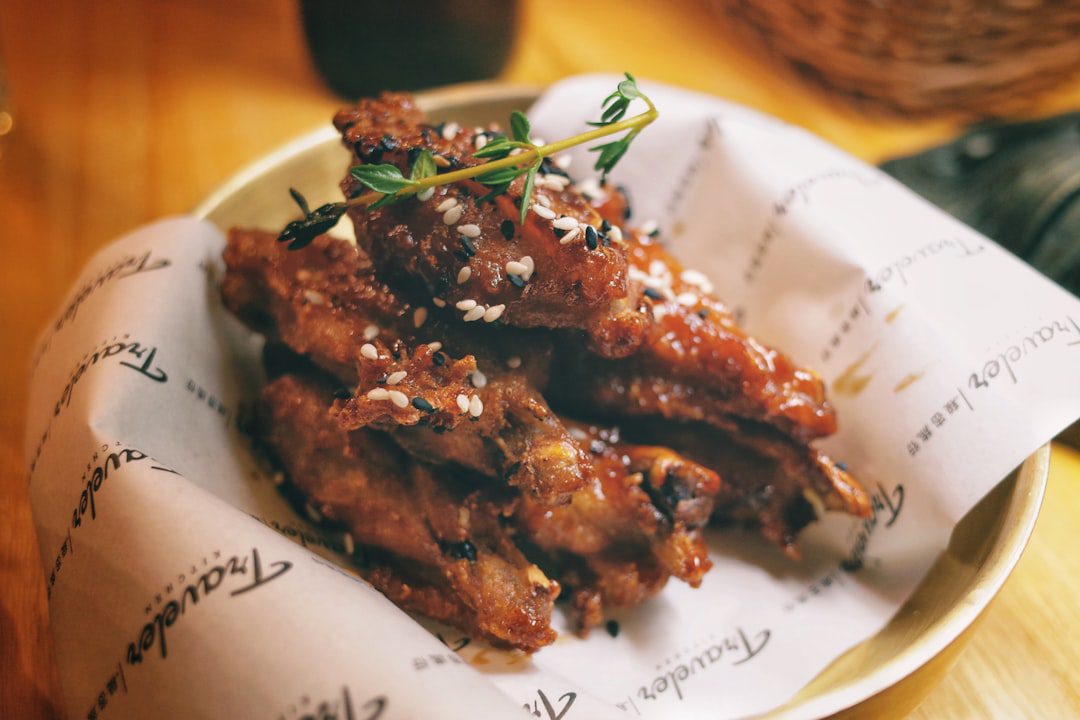
I’ll never forget my first Korean fried chicken experience. It was 1989, and I’d been in Seoul for exactly three weeks. A Korean colleague dragged me to a tiny pojangmacha (street tent restaurant) in what’s now Gangnam, ordered something called “chimaek,” and my entire relationship with Korean food fundamentally changed. That night, eating impossibly crispy golden wings while sipping cold beer under a tent awning, I realized Korea had created something truly special—a fried chicken culture that puts Western fast food to shame.
Thirty-five years later, Korean fried chicken has evolved into a national obsession. There are thousands of fried chicken restaurants across Seoul alone, each with their own technique, sauce variation, and loyal following. What started as street food has become haute cuisine, with celebrity chefs launching premium brands and Instagram-famous spots drawing international crowds.
But here’s what most visitors don’t understand: Korean fried chicken isn’t just about the chicken itself. It’s a complete cultural experience—the double-frying technique, the sauce varieties, the pairing with beer (chimaek = chicken + maekju), the communal eating style. I’ve spent three decades exploring this world, from hole-in-the-wall neighborhood joints to upscale restaurants in Gangnam.
Here’s everything you need to know to eat Korean fried chicken like a true local.
What Makes Korean Fried Chicken Different
The first time you bite into Korean fried chicken, you’ll immediately notice what sets it apart: the texture. It’s crispier than American fried chicken—almost unnaturally crispy, with a shattering exterior that gives way to incredibly juicy meat inside.
This isn’t accident. It comes down to technique.
The Double-Frying Technique
The magic of Korean fried chicken lies in double-frying. Here’s how it works: the chicken is fried once at a lower temperature (around 160°C) to cook the meat through. Then, after a brief rest, it’s fried again at a higher temperature (around 180°C) to create that signature ultra-crispy, glass-like exterior.
This two-stage process does something remarkable—it removes moisture from the skin while keeping the meat juicy. The result is chicken that stays crispy for 30-40 minutes after leaving the restaurant, which is why it’s perfect for delivery.
Ted’s tip: When you order Korean fried chicken for delivery, it arrives still crispy because of this double-frying technique. American fried chicken gets soggy during delivery because it lacks this preparation method. Koreans figured this out decades ago.
Marinade and Seasoning
Before frying, the chicken is marinated in a mixture that often includes soy sauce, garlic, ginger, and sometimes even yogurt (which tenderizes the meat). Some restaurants add their own secret ingredients—I’ve discovered everything from gochugaru (red chili powder) to sprite to crushed potato chips in various marinades.
The key difference from Western fried chicken is that Korean chicken is seasoned before frying, not just with a dry rub. This means the flavor penetrates the meat, not just the coating.
The Coating
The batter itself is thinner and crispier than American fried chicken coating. It’s typically made with wheat flour, cornstarch (which adds extra crispiness), and potato starch. Some premium restaurants use special flours imported from Japan or blend in ingredients like rice flour.
The best places apply the batter, let it rest in the refrigerator for at least 2 hours, and then fry. This waiting period allows the coating to fully adhere to the meat.
Korean Fried Chicken Styles and Sauce Varieties
Walk into any Korean fried chicken restaurant and you’ll see menus featuring 15-20 different sauce options. The “big three” styles have been dominant for years, but the sauce world keeps expanding.
| Style | Description | Best For | Korean Name |
|---|---|---|---|
| Crispy/Plain | No sauce—just the seasoned, crispy chicken | Purists; first-time eaters | 후라이드 (Huraideu) |
| Sweet and Spicy | Gochujang-based sauce with honey and garlic | Most popular; balanced flavors | 양념 (Yangnyeom) |
| Soy Garlic | Savory soy sauce with crushed garlic and butter | Those wanting umami depth | 간장 (Ganjang) |
| Spicy (Bulnak) | Fire-engine red, extremely spicy gochugaru coating | Spice lovers; very hot | 불닭 (Bulnak) |
| Honey Butter | Sweet, buttery glaze with honey and brown butter | Those with sweet tooth | 허니버터 (Honey Butter) |
| Cheese (K-Cheese) | Melted mozzarella and cheddar coating | Younger crowds; Instagram-worthy | 치즈 (Chiz) |
| Soy Honey | Balance of salty soy and sweet honey | Middle-ground option | 간장 꿀 (Ganjang Kul) |
| Korean Chili | Gochugaru spice with garlic and sesame | Those wanting Korean heat | 고추 (Gochu) |
My Personal Rankings
After 35 years, I have very strong opinions about sauce rankings. If you’re ordering for the first time, start with soy garlic (ganjang)—it’s the most representative of Korean flavors and it’s not as sweet as honey butter. Sweet and spicy (yangnyeom) is the most popular for good reason, and crispy (huraideu) is pure chicken perfection for those who want zero sauce interference.
Ted’s tip: Don’t order just one sauce. Order two half-portions (반반, “banban”) so you get half the chicken in one sauce, half in another. This is what every Korean does, and most restaurants offer this for the same price as a single sauce order. It’s the ultimate way to experience multiple flavors.
Specialty Innovations
In recent years, Korean fried chicken restaurants have gotten wildly creative. I’ve eaten fried chicken with:
- Truffle oil and black garlic
- Mayonnaise-based “Korean ranch”
- Gochujang cream sauce
- Wasabi-spiked coatings
- Seaweed and perilla leaf seasonings
- Crispy fried garlic chips embedded in the coating
These premium variations can push prices up to 20,000-25,000₩ for a single portion, compared to 15,000-18,000₩ for standard sauces. In my experience, the innovation doesn’t always mean better. Sometimes the classics truly are best.
Chicken Cuts and How to Order
When you open a Korean fried chicken menu, you’ll see options that go beyond “wings” and “drumsticks.”
| Cut | Description | Korean Name | Best For |
|---|---|---|---|
| Wings Only | Just wings (not split); meatiest part | 닭날개 (Dak Nalge) | Maximum meat; most popular |
| Drumsticks Only | Legs and thighs; darker meat | 닭다리 (Dak Dari) | Those preferring dark meat |
| Half and Half | Mix of wings and drumsticks | 반반 (Banban) | Maximum variety |
| Breast Only | Rarely available; white meat | 닭가슴살 (Dak Gaseumssal) | Health-conscious eaters |
| Boneless Chicken | Deboned pieces (less common) | 순살 (Sunsal) | Easier eating experience |
| Whole Chicken | Entire bird; serves 3-4 people | 통닭 (Tongnip) | Group dining |
Here’s my recommendation: order wings if you want pure meat and crispiness. Order drumsticks if you prefer the darker, more flavorful meat. Order half-and-half if you can’t decide.
Ted’s tip: One order of fried chicken in Korea typically means one whole chicken (about 1kg / 2.2lbs), not a “bucket” like in Western chains. One whole chicken usually feeds 2 people comfortably, or one very hungry person. If you’re alone and want to try multiple sauces, order a “반마리” (banmari)—half a chicken—which costs about 10,000-12,000₩.
The Chimaek Experience: Chicken + Beer Culture
In Korea, fried chicken is inseparable from beer. The combination—called “chimaek” (치맥)—is a national pastime, especially among young people and after work. The salty, crispy chicken perfectly complements cold, refreshing beer, and the pairing has become almost sacred in Korean culture.
Why Chimaek Works
The science is simple: fried chicken is salty and oily, which makes beer taste even more refreshing. The carbonation cuts through the richness of the fried coating. The cold beer numbs the spice from gochujang-based sauces, making them more palatable. It’s a perfect pairing.
The tradition exploded in the 1990s when Korean beer brands realized they could market directly to chicken restaurants. Today, almost every fried chicken place is essentially a beer bar. You’ll see families eating chicken at 5pm, then office workers doing the same at 9pm, then university students drinking beer and eating chicken until midnight.
Which Beers Pair Best
| Beer Brand | Type | Best Paired With | Price (can) |
|---|---|---|---|
| Cass Fresh | Lager; most crisp | Spicy sauces | 3,000-4,000₩ |
| Hite | Lager; smooth | Sweet and spicy | 3,000-4,000₩ |
| OB (Jinro) | Lager; slightly malty | Soy garlic | 3,000-4,000₩ |
| Kloud | Pilsner; premium | All sauces | 4,500-5,000₩ |
| Craft beers | Various; hoppy | Crispy plain | 5,000-8,000₩ |
The three big Korean beer brands—Cass, Hite, and OB—are the safest choices for chimaek. They’re crisp, not too heavy, and cheap. Most fried chicken restaurants sell beer by the can, bottle, or glass.
Ted’s tip: Many fried chicken restaurants offer “맥주 할인” (beer discounts) if you order chicken. Some places even offer complimentary beer if you order two chickens. Always ask if there’s a promotion. Also, Korean tradition dictates you should pour beer for others at the table and they pour for you—never pour your own. It’s part of the social ritual, not just the eating.
Best Fried Chicken Restaurants by Neighborhood
Seoul has thousands of fried chicken places. Rather than recommend tourist traps, I’ll guide you to the real gems where locals actually eat.
Gangnam (Strong Chain Presence)
If you’re staying in Gangnam, you’re in fried chicken heaven. The area has the highest concentration of restaurants.
| Restaurant | Style | Specialty | Price (whole) | Subway |
|---|---|---|---|---|
| bb.q Chicken | Premium chain | Soy garlic perfection | 18,000₩ | Gangnam Station |
| Kyochon | National chain | Honey butter wings | 16,000₩ | Multiple |
| Nodo Chicken | Premium | Heritage recipe | 19,000₩ | Apgujeong |
| Chicken House | Mid-range local | Classic sweet/spicy | 15,000₩ | Gangnam |
Hongdae (Trendy, Youth-Oriented)
Hongdae is where younger Koreans go for innovative fried chicken. You’ll find experimental flavors, craft beer pairings, and Instagram-worthy presentations.
| Restaurant | Style | Specialty | Price (whole) | Vibe |
|---|---|---|---|---|
| Park’s Fried Chicken | Artisanal | Truffle and black garlic | 22,000₩ | Trendy; craft beer bar |
| Egg Drop | Experimental | Creative sauce fusion | 20,000₩ | Very Instagram-focused |
| Chicken Delight | Youth focused | Half-and-half combos | 16,000₩ | Casual; student friendly |
Myeongdong (Tourist Area, But Still Good)
Myeongdong is packed with fried chicken places, though they tend to be pricier. Here’s where to actually go:
| Restaurant | Why Go Here | Price (whole) | Location Note |
|---|---|---|---|
| Bonchon | Original double-fried inventor | 17,000₩ | Multiple locations |
| Jiho Chicken | Local favorite; not a chain | 14,000₩ | Hidden gem in alley |
Local Neighborhood Gems
Here’s where I personally eat: small neighborhood restaurants in residential areas. These aren’t chains. They’re run by the same family for 20+ years, they have loyal local customers, and they price accordingly.
Ted’s tip: To find the best neighborhood fried chicken place, look for restaurants with 20+ year old signage and crowds at dinner time (6-8pm). Google “닭강정” and “치킨” in your area on Naver Maps, and filter by highest ratings and most reviews (순고객평). These are always better than chains.
The Historical Big Three (Still Worth Visiting)
These restaurants literally created modern Korean fried chicken culture:
| Restaurant | Founded | Historical Significance | Address | Price |
|---|---|---|---|---|
| Bonchon | 1992 | Pioneered double-frying method | Busan (original); now nationwide | 17,000₩ |
| Kyochon | 1991 | First chain to standardize quality | Nationwide | 16,000₩ |
| Chicko | 1989 | One of the first chains ever | Nationwide | 15,000₩ |
How to Order Fried Chicken in Korea
If you’re not fluent in Korean, ordering fried chicken can feel intimidating. But here’s the truth: it’s much simpler than you think.
In-Restaurant Ordering
Walking into a fried chicken place:
- Pick a table. Most places are casual—no host stand. Just sit down.
- Signal for staff. Raise your hand or look for a bell on your table.
- Order. Point to the menu or say: “한 마리 주세요” (han mari juseyo) = “One whole chicken, please.” Then point to the sauce number on the menu.
- Specify drink. “맥주 한 캔” (maekju han can) = “One beer, please.”
- Wait 15-20 minutes. Fresh fried chicken takes time. This wait is normal and worth it.
- Eat immediately. Eat it hot while the coating is still crispy.
- Pay at table or counter. Ask for the bill: “계산해주세요” (gyesan hae juseyo).
Phone Ordering (Most Common)
Most Koreans order fried chicken for delivery or pickup. You can call any restaurant, but here’s what to say:
“안녕하세요. 닭 한 마리 양념으로 주세요. 배달 부탁합니다.” (Annyeonghaseyo. Dak han mari yangnyeom-euro juseyo. Baedal butakhamnida.)
Translation: “Hello. One whole chicken with sweet and spicy sauce, please. Delivery, please.”
They’ll ask: Delivery address, phone number, and how many hours you’ll wait.
Delivery time: 25-40 minutes from a nearby restaurant. You pay with cash (보증금, bosungeum—you prepay an amount and get change) or card at the door.
App Ordering (Easiest for Tourists)
Three apps dominate food delivery in Korea: Coupang Eats, Naver Orders, and Yogiyo. All have English interfaces.
| App | Best For | Delivery Fee | Language |
|---|---|---|---|
| Coupang Eats | Fast delivery (30 min); premium | 3,000₩ (or free w/ membership) | English available |
| Naver Orders | Most restaurants; balanced | 2,500-4,000₩ | English available |
| Yogiyo | Cheapest; promo codes | Free-3,000₩ | English available |
Ted’s tip: Download Naver Orders before arriving in Korea. It has the most fried chicken restaurants listed, the English translation is actually accurate (unlike some apps), and you can see real photos from other customers. Search “치킨” (chicken) and filter by highest rating and closest location.
Side Dishes, Accompaniments, and What to Order With Chicken
Fried chicken never comes alone in Korea. It’s always accompanied by free side dishes (반찬, banchang) and optional add-ons you should order.
Free Sides (Always Included)
| Side Dish | Korean Name | What It Is |
|---|---|---|
| Pickled Radish | 무 (Mu) | Sweet, tangy, refreshing; cuts grease |
| Coleslaw | 양배추 샐러드 (Yangbaechu Salad) | Creamy mayo-based; very common |
| Corn Cheese | 옥수수 치즈 (Oksusu Chiz) | Buttered corn and melted cheese |
| Pickled Cucumber | 오이지 (Oiji) | Sour and spicy; traditional |
Recommended Add-Ons (You Pay Extra)
Tteokbokki (떡볶이, 5,000₩): Spicy rice cakes. This combination—fried chicken with tteokbokki—is iconic in Korea. The spicy sauce from the rice cakes mixes with the chicken sauce, creating something magical. Many restaurants now sell a combined dish.
Cheese Dip (치즈 디핑, 4,000₩): Melted mozzarella in a small pan. You dip pieces of chicken into it. Sounds weird, tastes incredible.
Sweet Potato (고구마 튀김, 6,000₩): Fried sweet potato fries. These balance the saltiness of the chicken.
Mozzarella Sticks (모짜렐라 스틱, 5,000₩): Korean version comes with a sweet honey dipping sauce.
Fried Rice (볶음밥, 5,000₩): Some restaurants will fry rice with leftover chicken sauce and vegetables. It’s the perfect post-chicken meal.
The Dipping Sauce Ritual
Watch any Korean eating fried chicken and you’ll notice them dipping pieces into various sauces. Here’s what you’ll typically find:
- Mayonnaise-based: Creamy, rich, popular with kids
- Sriracha: Hot, tangy, for spice lovers
- Honey Butter: Sweet, rich, often pre-made at premium places
- Garlic mayo: Pungent, savory, very Korean
Ted’s tip: Ask for extra napkins (“냅킨 더 주세요”). Eating fried chicken is inherently messy. Koreans don’t apologize for it—neither should you.
Fried Chicken Etiquette and Eating Tips
There are unwritten rules to eating fried chicken in Korea that locals follow naturally.
Social Eating Norms
Share from the same plate. When Koreans order fried chicken, they pull pieces from the center serving plate. There’s no individual plating. This is normal, expected, and part of the communal dining culture.
Use your hands. Forks and knives are almost never provided. You eat with your hands. Napkins exist for a reason.
Make noise. Koreans slurp beer, smack their lips while eating, and generally eat loudly. This is not considered rude—it’s appreciated. Your restaurant experience should be joyful and audible.
Pour beer for others. If you’re dining with a group, pour beer for the person next to you after they pour for you. Never pour your own (though foreigners get a pass on this). See our Korean etiquette guide for more details.
Eating Technique
Here’s how Koreans actually eat fried chicken:
- Pick up a wing or drumstick with both hands.
- Bite into it without holding back.
- Use your teeth to separate meat from bone.
- Dip the meat end into sauce.
- Wipe hands on napkins between bites.
- Stack bones on a separate plate (napkins work too).
Ted’s tip: Don’t try to eat fried chicken delicately. You’ll look ridiculous and you’ll be uncomfortable. Just commit to the mess. Wipe your hands, enjoy the experience, and order more napkins.
Spice Tolerance Advice
Korean fried chicken sauces can surprise you with heat. Here’s a guide:
| Sauce | Spice Level | Warning | Counter With |
|---|---|---|---|
| Crispy (Huraideu) | None | N/A | N/A |
| Sweet and Spicy | Mild (2/5) | Most people find it manageable | Beer |
| Soy Garlic | None | N/A | N/A |
| Korean Chili | Medium (3/5) | Spicy; may surprise | Milk or ice cream |
| Bulnak (Fire) | Hot (4-5/5) | Do not order unless experienced | Milk; ice cream; bread |
Ted’s tip: If you have a low spice tolerance, stick with soy garlic, honey butter, or crispy. Sweet and spicy is actually quite mild by Korean standards (despite the name). If you do get spice shock, drink milk, not water. Water spreads the capsaicin; milk breaks it down. Beer doesn’t help with spice nearly as much as movies suggest.
Frequently Asked Questions
How much does Korean fried chicken cost?
A whole chicken (한 마리, one serving or 2 servings if shared) costs 14,000-22,000₩ depending on sauce type and restaurant location. Basic sauces cost less (14,000-16,000₩), premium sauces cost more (18,000-22,000₩). Add 3,000-5,000₩ if you order beer. Half a chicken runs 10,000-12,000₩. This is significantly cheaper than Western fried chicken chains, with better quality and flavor.
What’s the difference between Korean and American fried chicken?
Korean fried chicken is double-fried (creating ultra-crispiness), marinated before frying (deeper flavor), and has a thinner, crispier coating. American fried chicken uses single-frying, seasoned dry rub, and thicker breading. Korean chicken also comes with sauce options; American chicken is typically sauceless. Korean chicken stays crispy longer (perfect for delivery) due to the double-frying technique.
Can I order fried chicken with a language barrier?
Yes. Use Naver Orders, Coupang Eats, or Yogiyo apps which have English interfaces. Or point at the menu, hold up fingers for sauce number, say “한 마리” (han mari = one chicken). Restaurant staff are used to tourists and will help. Most pictures on menus are clear enough to order without words.
Is Korean fried chicken delivery actually good?
Yes—this is why Korean fried chicken culture thrives on delivery. The double-frying technique means it stays crispy for 30-40 minutes. Delivery times are fast (25-40 minutes) because restaurants are everywhere. You’ll get hot, crispy chicken at your hotel or Airbnb. This is one of Korea’s best-kept secrets for tourists.
What’s the best sauce for first-time eaters?
Soy garlic (간장) if you want savory depth, or sweet and spicy (양념) if you want balanced flavors. Avoid bulnak (불닭) unless you’re a spice expert. Crispy (후라이드) is perfect if you want pure chicken without sauce. I recommend ordering half-and-half (반반) so you try two sauces at once—that’s what every Korean does.
Can vegetarians eat at fried chicken restaurants?
Most fried chicken places now offer vegetarian sides: corn cheese, sweet potato fries, tteokbokki (spicy rice cakes), and coleslaw. Some restaurants sell fried vegetables or mozzarella sticks. You won’t find main vegetarian dishes, but you can eat sides and build a meal. See our Korean cafe culture guide