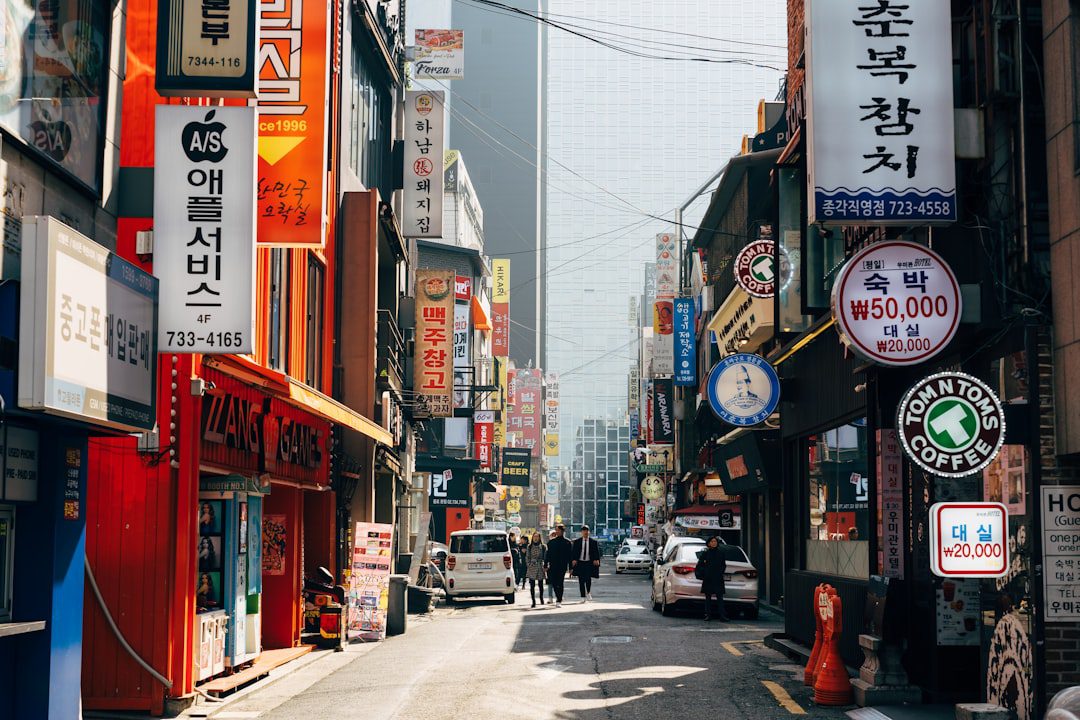
I remember the first time I walked down Insadong’s narrow main street in 1990—I was completely lost, but mesmerized. Back then, it was purely traditional: antique dealers, old bookstores, and what felt like a portal to another era. Over the past 35 years, I’ve watched this neighborhood transform into something truly magical—a place where centuries-old tradition and cutting-edge creativity coexist on the same block. You’ll find a grandmother selling hand-painted paper fans next to a minimalist café with a line out the door, and somehow it all works.
Insadong (인사동) isn’t your typical Seoul tourist trap, though plenty of visitors come here. It’s genuinely beloved by Seoul locals—artists, students, and creative professionals who’ve chosen to build their lives here. For international visitors, it’s one of the few places in Seoul where you can experience Korean culture, history, and contemporary creativity in a single afternoon, without feeling like you’re checking boxes on a tour itinerary.
Whether you’re hunting for traditional art, sipping specialty coffee, grabbing incredible street food, or just soaking in the neighborhood vibe, Insadong has something that will stick with you. Here’s everything you need to know to experience it like a local.
Getting to Insadong: Subway & Navigation
Insadong is incredibly accessible—it’s centrally located between Gangjeong and the Gwanghwamun area, and getting there is straightforward. The main commercial street runs roughly north-south, and most of the action happens within a 1.5km stretch.
| Nearest Subway Stations | Line | Walking Distance |
|---|---|---|
| Anguk Station (안국역) | Line 3 | 5 minutes |
| Jonggak Station (종각역) | Line 1 | 8 minutes |
| Gwanghwamun Station (광화문역) | Line 5 | 10 minutes |
| Jongno 3-ga Station (종로3가역) | Lines 1, 3, 5 | 12 minutes |
Ted’s tip: Use Anguk Station (Exit 6) as your entry point—it drops you at the top of the main Insadong Street, where you can walk downhill and naturally flow through the neighborhood. This beats fighting your way uphill from Jonggak. If you’re using Korean navigation apps like Naver Map or Kakao Map, search for “인사동 길” (Insadong-gil, which is the main street). These apps will show you side alleys and hidden galleries that Google Maps won’t.
The area is very walkable and car-free along the main street during certain hours, making it perfect for leisurely exploration. Unlike the crowded chaos of Myeongdong, Insadong has a rhythm—busy on weekends, manageable on weekdays, and absolutely charming in the evening when the galleries light up.
The Soul of Insadong: Art Galleries & Traditional Crafts
Here’s what most visitors don’t realize about Insadong: there are over 100 galleries here, ranging from tiny second-floor studios to major commercial spaces. This is where contemporary Korean artists show their work alongside traditional craftspeople who’ve been running their shops for decades. The energy is entirely different from Seoul’s commercial art districts.
Traditional Art Galleries
Gana Art Gallery (가나아트) – One of the oldest and most respected galleries in the area, founded in 1988. They showcase both traditional Korean painting and contemporary works. Free entry. Located at 49 Insadong-gil, Jongno-gu. Hours: 10am-6pm (closed Mondays). What I love about this place is that staff are genuinely knowledgeable and welcoming to visitors—you won’t feel like you’re interrupting.
Seoul Gallery (서울갤러리) – A smaller, more intimate space that rotates exhibitions monthly. The owner, whom I’ve known for 20 years, specializes in traditional Korean painting and sculpture. 10am-6pm daily. It’s a 3-minute walk from Anguk Station. Free entry, but donations appreciated. This is where locals actually spend time.
Hakgoje Museum (학고재박물관) – Run by a famous Korean artist, this is both gallery and cultural foundation. You’ll see why it’s revered: the building itself is architectural masterpiece, the collection is serious, and it bridges tradition with contemporary practice. 10,000₩ entry. Hours: 10am-6pm (closed Mondays). This is worth the admission price.
Ted’s tip: Don’t miss the smaller galleries tucked into the side alleys. The real creative energy happens on the second and third floors of these old buildings. Look for signs reading “갤러리” (gallery) and climb the stairs—you’ll often find young Korean artists’ studios, solo exhibitions, and experimental work that never makes it to the main street. Many are free; artists are usually there and love talking about their work if they speak English.
Traditional Craft Shops
Beyond galleries, Insadong is where you find the craftspeople. These aren’t souvenir shops—they’re working studios and shops run by artisans who’ve spent decades mastering their craft.
| Craft Type | Notable Shop | Price Range | What to Buy |
|---|---|---|---|
| Hanji (Korean paper) | Danhwaji (단화지) | 3,000₩-50,000₩ | Hand-painted papers, notebooks, art prints |
| Celadon pottery | Daeborikkakguk | 50,000₩-500,000₩+ | Vases, bowls, tea sets (museum quality) |
| Traditional painting supplies | Munnyeonga (문연가) | 5,000₩-100,000₩ | Ink sticks, brushes, pigments, panels |
| Mother-of-pearl lacquer | Bandaji | 30,000₩-200,000₩ | Small boxes, mirrors, jewelry holders |
| Bookbinding | Kyobo Book Centre (nearby) | Varies | Hand-bound journals, art books |
One memory that still makes me smile: about 15 years ago, I wandered into a small celadon shop run by a woman whose family had been potters for generations. She spent an hour explaining the difference between each glaze shade, made me tea in one of her bowls, and refused to let me leave without understanding the history. I bought a single cup—still use it every morning. You can’t recreate that experience online, which is exactly why these places matter.
Ted’s tip: Shop owners generally speak basic English or will use translation apps. If you’re buying ceramics or expensive pieces, ask about shipping—many artists will carefully pack and send pieces internationally for 50,000-100,000₩ depending on weight. Never haggle in galleries, but in traditional craft shops, small discounts (5-10%) might be negotiable if you’re buying multiple items or spending over 100,000₩.
The Café Culture: Where Insadong Gets Modern
Here’s the paradox of Insadong: it’s entirely traditional, yet has become a café destination rivaling Seoul’s famous café culture neighborhoods. Over the last 10 years, creative café owners have opened shops here specifically because of the neighborhood’s artistic vibe. You’ll find coffee obsessives, vintage interiors, and experimental concepts alongside centuries-old tea houses.
Specialty Coffee Cafés
Comma Coffee (콤마커피) – This place is legendary. The owner roasts single-origin beans in small batches, and regulars come for the meticulous pour-over technique. A single origin pour-over costs 6,000-8,000₩. The interior is minimalist Scandinavian—white walls, wood tables, respectful silence. No wifi. No loud music. Just coffee. There’s usually a line on weekends, but it moves quickly. This is where Korean coffee culture happens.
Anthracite (안드라사이트) – A newer spot (opened 2019) with an industrial aesthetic housed in a renovated hanok. They do specialty coffee but also excellent pastries. Americano 5,000₩, pastries 5,000-8,000₩. The outdoor seating area overlooking the street is perfect for people-watching. Owner speaks excellent English.
Café Moon (카페문) – A beloved local institution since 2001. More casual than Comma—this is where art students and neighborhood regulars actually spend hours. Good coffee (4,500₩), generous seating, and a genuine community feel. The bathroom has a line of vintage mirrors—entirely fitting for Insadong.
Osulloc Tea House (오설록티하우스) – The famous Korean green tea brand has a beautiful flagship here. If you want traditional Korean tea (not coffee), try their premium green tea (8,000-15,000₩ depending on grade) served with traditional snacks. The second floor has a view of Insadong Street. This is touristy but genuinely excellent.
Ted’s tip: Avoid mid-afternoon weekends (2-5pm Saturday/Sunday) if you hate crowds. Café culture peaks during these times. Mornings (8-10am) and early evenings (after 6pm) are when locals actually enjoy these spaces. Many cafés don’t have wifi or encourage laptop work—respect the vibe.
Traditional Tea Houses
Insa Teahouse (인사찻집) – The O.G. traditional tea house, opened in 1987. Real Korean grandmother energy. They serve traditional teas like omija (schisandra), yuzu, and ginseng tea (6,000-10,000₩). The waitress will remember you after one visit. No English menu, but pointing works fine. This place feels frozen in time, and that’s the entire point.
Suyeon Sanbang (수연산방) – A gorgeous restored hanok space with a tea menu that reads like poetry. The owner is an artist; the space is genuinely beautiful. Traditional teas run 8,000-15,000₩. They also sell beautiful handmade ceramics. A bit pricier than casual spots, but worth it for the atmosphere.
Street Food & Dining: The Everyday Magic
Insadong street food is where Korean food culture lives. Forget Instagram-worthy presentations—here you get authentic, generational recipes made fresh while you watch. The main street has permanent vendor stalls that have been operating in the same spots for 20+ years.
Must-Try Street Food Vendors
Tteokbokki and Gimbap – There’s a row of vendors near the main intersection. The tteokbokki (spicy rice cakes) vendor, run by a woman I’ve eaten from since 1998, makes her sauce daily with exactly three red peppers per batch. Small order: 4,000₩. Large: 6,000₩. Her gimbap is also excellent—6,000₩ for a full roll. The secret is the sesame oil quality—you’ll taste it immediately.
Hotteok – There’s a permanent hotteok (sweet vegetable pancake) vendor that sells out by 4pm most days. 3,000₩ per piece. Come early, watch them fold the brown sugar and cinnamon into the dough, and enjoy it hot. I’ve never had better.
Korean Bindaetteok (Mung Bean Pancakes) – A vendor specializing in these crispy, savory pancakes has been here for 25 years. 4,000₩ for 2 pieces. The secret is using fresh mung beans ground that morning. You’ll taste the difference from frozen versions.
Dakgangjeong (Crispy Sweet Chicken) – A stall that makes this spicy-sweet chicken snack fresh to order. Small portion: 6,000₩. It’s crispy outside, tender inside, and dangerously addictive. Grab napkins.
Ted’s tip: Street vendor prices occasionally increase slightly, but everything on the main street is still under 10,000₩. These vendors often don’t have English signage, but they’re used to tourists pointing and counting on fingers. Payment is cash only in most cases—there’s a convenience store every 2 minutes if you need to withdraw cash.
Sit-Down Restaurants
| Restaurant | Cuisine Type | Price Per Person | Why to Go |
|---|---|---|---|
| Gogung | Korean traditional | 12,000₩-25,000₩ | Authentic jjigae, soups, royal court cuisine style |
| Balwoo Gongyang | Buddhist temple food | 30,000₩-50,000₩ | Extraordinary vegetarian, unique experience |
| Samwon Garden | Korean BBQ | 25,000₩-60,000₩ | High-quality meat, private booths, upscale |
| Naeryun Onmyeon | Buckwheat noodles | 8,000₩-12,000₩ | Cold naengmyeon, traditional preparation |
| Insadong Sujeobi | Hand-torn noodle soup | 8,000₩-10,000₩ | Comforting, local institution, tiny space |
Ted’s tip: Balwoo Gongyang deserves explanation. This is Buddhist temple food elevated to high art. Every dish (around 12 courses) is vegetarian, artfully presented, and tastes incredible. It’s in a traditional hanok with a peaceful garden. Reservations required; call ahead. I’ve taken visiting family from the U.S. here three times, and it’s consistently the meal they remember most vividly.
For a detailed guide on how to order food in Korea without stress, check out our complete food ordering guide.
Shopping: Beyond Souvenirs
Unlike Myeongdong’s mass-market retail or Dongdaemun’s wholesale chaos, Insadong shopping is about discovering independent boutiques, bookstores, and design shops run by people with genuine creative vision.
Bookstores & Stationery
Kyobo Book Centre (교보문고) – The multi-story landmark. Even if you don’t read Korean, browse the art, photography, and design sections. The ground floor has gorgeous Korean stationery, and the café on upper floors is peaceful. Open 10am-10pm daily.
Min’s Club (민스클럽) – A curated indie bookstore with English titles, art books, and Korean literature in translation. The owner has impeccable taste. Small space, easy to spend an hour here. Open 12pm-8pm (closed Mondays).
Mudeungsan (무등산) – A beautiful stationery and art supply store. Insadong-specific: they sell handmade paper, traditional inks, and journals that are perfect souvenirs. Prices: 5,000-40,000₩ depending on item. The staff will recommend specific items based on your interests.
Vintage & Antique Shops
This is where Insadong’s old identity lives. The side alleys still have antique dealers selling everything from Joseon-era furniture to vintage Korean textiles to old movie posters. Expect to spend 30 minutes just wandering and discovering.
Ted’s tip: Many antique shops don’t display items clearly because Korean aesthetics favors subtle presentation. Walk slowly. Look up at second floors. If a shop looks closed, try the door—they might just be quiet. Chat with shop owners; they often have incredible stories about items and Korean cultural history. Many speak some English, and all appreciate genuine interest.
If you’re looking for contemporary Korean fashion and beauty products, check out our guides on K-beauty shopping for product recommendations, though Insadong’s boutiques lean more toward art and traditional items than mass-market beauty.
Hidden Gems: Where Locals Actually Go
The main Insadong-gil street is lovely, but the real magic happens in the narrow alleys (known as “golmok”) that branch off. Here are places most tourists never find.
Narrow Alley Discoveries
Bukchon Hanok Village Connection – The alley behind the main street connects to Bukchon Hanok Village, a photographer’s dream of traditional Korean houses. If you’re in Insadong and want to extend your visit, walk north through the alleys into Bukchon. It’s only 10 minutes and feels like traveling between two different eras.
Insa Art Street (Insa-ro) – A quieter east-west street parallel to the main Insadong-gil with more galleries and fewer tourists. You’ll find younger artist studios, smaller galleries, and genuine creative energy. Walk north on Insadong-gil for 200 meters, turn right onto any numbered alley, and explore.
Nakseonjae Calligraphy School – Hidden above a small shop, this offers 1-hour calligraphy classes for 30,000-50,000₩. I took a class here 10 years ago and still think about it. The instructor (third-generation calligrapher) teaches proper brush technique while explaining the philosophy behind Korean characters. Book in advance. This is the kind of experience that shouldn’t be missed.
Ssamziegil – A five-story complex that’s part shopping mall, part cultural space. Shops sell everything from jewelry to art to quirky design items. The spiral layout means you navigate naturally upward. The rooftop café offers views of Insadong and surrounding Seoul. Some shops are touristy, but others are genuinely interesting. Entry is free; you pay only for purchases.
Ted’s tip: Go to Insadong on a weekday morning (Tuesday-Thursday, 10am-1pm) if you want the neighborhood to yourself. Artists are in their studios, shops are uncrowded, and you can actually talk to shopkeepers. Evenings (6-9pm) are also wonderful—galleries light up beautifully, and the crowd is mostly locals meeting friends for dinner.
Seasonal Insadong & Special Events
Insadong changes personality throughout the year. While it’s lovely year-round, certain seasons offer unique experiences.
| Season | Best For | Special Events | Weather/Tips |
|---|---|---|---|
| Spring (April-May) | Cherry blossoms nearby, perfect weather | Seoul Art Fair (usually May) | 17-22°C, bring light jacket |
| Summer (June-August) | Outdoor seating, evening strolls | Gallery open-air exhibitions | Hot/humid, many close 1-3pm |
| Fall (September-October) | PEAK—perfect weather, colors | Insadong Festival (September), Gallery Night | 18-22°C, most comfortable |
| Winter (November-February) | Fewer tourists, cozy cafés | New Year gallery openings | -5 to 5°C, bundle up, hot tea essential |
Check the Jongno-gu district website or Korean apps like Naver for exact event dates. The Insadong Festival in September is particularly worth timing your visit around—street performances, special gallery exhibitions, and extended hours.
Ted’s tip: For best weather and smaller crowds, visit in late April, early May, early October, or early November. Check our best time to visit Korea guide for detailed seasonal information across the country.
Nearby: Extending Your Insadong Visit
Insadong’s location makes it easy to connect with other attractions. Here’s how to structure your day:
Gwanghwamun & Gyeongbokgung Palace – Just 10 minutes south. The world’s first rain gauge is here, and the palace grounds are stunning. See our complete palace guide. Entry: 3,000₩ (surprisingly cheap for Korean royalty experience).
Namsan & Seoul Tower – 15 minutes south via subway. Our Namsan Tower guide covers this fully. Classic Seoul viewpoint.
Myeongdong – 10 minutes south. Entirely different vibe (shopping-focused), but worth seeing the contrast. See our Myeongdong guide for full details.
Jongmyo Shrine (종묘) – 5 minutes east. UNESCO World Heritage site. This is where Korean royal ancestors’ spirits are enshrined. Serene, spiritual atmosphere. 1,000₩ entry. Most tourists skip it; locals consider it sacred.
Practical Information: Hours, Transport & Essentials
| Information | Details |
|---|---|
| Best Subway Entry | Anguk Station (Exit 6), Line 3 |
| Walking Time (Full Experience) | 3-4 hours minimum; 6+ hours recommended |
| Best Days | Tuesday-Friday (fewer tourists); evenings 6-9pm |
| Busiest Times | Saturdays 11am-5pm, Sundays 10am-6pm |
| Gallery Hours | Typically 10am-6pm (many closed Mondays) |
| T-Money Card Needed? | Yes for subway; helpful for buses/convenience stores |
| Cash/Card | Street vendors: cash only. Shops/cafés: both |
| Parking | Street becomes car-free weekends 11am-6pm |
For transit details, check out our comprehensive Korean subway guide and T-Money Card guide.
Ted’s tip: Many galleries close 1-3pm (staff lunch). Museums stay open. If a shop looks closed, knock on the door—they’re often just napping in the back. This is very Korean. Shops without posted hours usually open around 11am and close around 7pm, but this varies widely. Respectfully exploring means accepting fluidity.
Frequently Asked Questions
How much should I budget for Insadong?
Budget 50,000-100,000₩ for a comfortable afternoon (coffee, food, one small purchase). If you’re buying art pieces or taking a calligraphy class, add 30,000-100,000₩. Street food is the cheapest; galleries are free; sitdown restaurants range 10,000-50,000₩ per person. Insadong is actually one of Seoul’s most budget-flexible neighborhoods.
Is Insadong good for kids?
Absolutely, though in different ways than theme parks. Kids love street food vendors (especially hotteok and tteokbokki), Ssamziegil’s multi-story layout and quirky shops, and the open streets for exploration. Many galleries are interactive or have visual impact. Younger kids (under 8) might get bored in traditional galleries; older children often appreciate the art and history. Mix galleries with food and shopping for balance.
What’s the difference between Insadong and Bukchon?
Bukchon is purely residential hanok houses and Instagram photo spots. Insadong is commercial—galleries, shops, cafés, and street food in a more modern streetscape, with some hanok buildings mixed in. Insadong is more vibrant and crowded; Bukchon is quieter and more atmospheric. They’re 10-15 minutes apart and complement each other well. Do both if you have time.
Can I bargain at shops?
In galleries and nice boutiques: no. In traditional craft shops and antique stores: slightly negotiable (5-10% off) if you’re buying multiple items or spending over 100,000₩. Street vendors have fixed prices. Never offensively low-ball—respectful negotiation only.
Do I need to speak Korean?
Helpful but not required. Younger shop owners often speak English. Older vendors use pointing and translation apps. Google Translate camera feature works on menus and signs. Insadong is used to international visitors. That said, attempting Korean—even “kamsahamnida” (thank you)—always opens doors.
What should I absolutely not miss?
Street food (try at least one vendor), wandering the side alleys, visiting at least one gallery, and one traditional tea or specialty coffee. Skip nothing for the experience—Insadong rewards exploration. The magic is in discovery, not checking boxes.
Is Insadong worth visiting if I only have 1-2 hours?
Yes, but you’ll need to choose. Walk the main street, grab street food, and sit in one café for 30-40 minutes. You’ll get the vibe. Ideal visit is 3-4 hours. 6+ hours if you want to actually browse galleries and shops meaningfully.
What’s the best photo spot in Insadong?
The main Insadong-gil street itself is beautiful, especially in evening light. Ssamziegil’s rooftop café offers Seoul skyline views. The hanok buildings near Jongmyo Shrine are photogenic. Avoid the tourist-heavy center (around the main intersection) for authentic shots. Come on weekday mornings when light is good and crowds are minimal. For overall K-beauty and photography tips, see our Korean photo booth guide, though Insadong’s aesthetic is more traditional than trendy.
Final Thoughts
After 35 years in Seoul, I can tell you that Insadong is where Korea’s soul still lives, even as the city modernizes around it. It’s not frozen in time—it’s evolved gracefully, absorbing contemporary creativity while honoring its traditions. Every time I walk down Insadong-gil, I discover something new: a gallery I’d missed, a conversation with a shopkeeper, a street vendor with a new recipe variation.
This neighborhood proves that tourists and locals can share space authentically. Yes, there are crowds and some commercialization. But beneath that surface, there’s genuine cultural continuity, real artistry, and a community that welcomes curiosity. That’s increasingly rare in Seoul, which makes Insadong genuinely special.
Don’t rush through it. Don’t just photograph it. Sit down, have tea, talk to people, wander without a plan. That’s how Insadong reveals itself. That’s how you stop being a tourist and become a temporary local.
— Ted K
Image Credits: Photos sourced from Unsplash. By using this site, you agree to our Privacy Policy and Disclaimer.