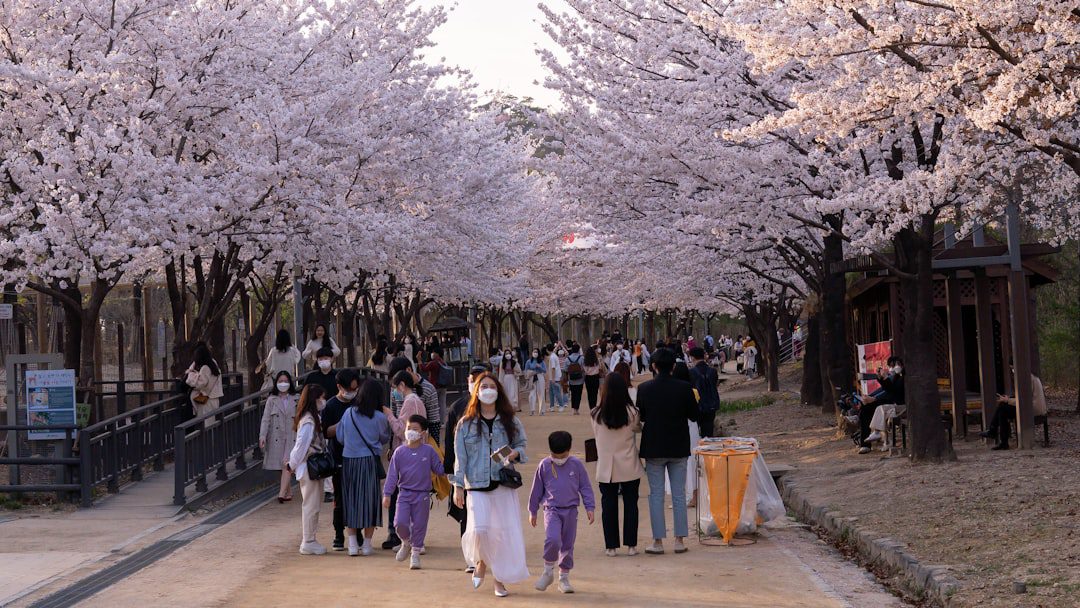
I’ll never forget my first spring in Korea, back in 1989. I was walking through what’s now a trendy neighborhood in Hongdae, and suddenly—almost overnight—the entire street transformed into a canopy of pale pink blossoms. I stopped dead in my tracks. Strangers were taking photos, families were picnicking under the trees, and there was this palpable sense of joy in the air. A Korean woman noticed me staring up at the blossoms and smiled, saying something I’d later learn meant “spring has finally come.” That moment captured what I love most about Korea: the way the seasons matter here, deeply and collectively.
Fast forward 35 years, and I still plan my year around cherry blossom season. It’s not just about the flowers—though they’re stunning. It’s about how Korea transforms during these few precious weeks in late March and early April. The entire country seems to exhale after a long, brutal winter. Restaurants set up outdoor seating, cherry blossom festivals pop up overnight, and millions of Koreans (and now international visitors) gather under the trees in what might be the most perfect expression of mono no aware—the beauty of transient things.
If you’re planning a spring trip to Korea, you’ve picked the right time. Here’s everything I’ve learned about experiencing cherry blossom season like a true local.
When Cherry Blossoms Actually Bloom in Korea
This is the first thing tourists get wrong: cherry blossom season isn’t one fixed date. It’s a moving target that changes every year depending on temperature, rainfall, and what Korean meteorologists call the “blooming forecast.” I’ve been tracking this for decades, and I can tell you it’s getting earlier—climate change is real, and Korea’s seasons reflect it.
The bloom typically progresses from south to north across Korea, starting in late March in Jeju Island and coastal areas, moving through Seoul by early to mid-April, and reaching the northern regions by late April. In 2024, peak bloom in Seoul was April 3-8. For 2025, forecasters predict March 31-April 6 in Seoul (though these dates shift as spring progresses).
Ted’s tip: The Korea Meteorological Administration releases official cherry blossom forecasts twice a month starting in February. Check their English website (www.kma.go.kr) for the most accurate predictions. I check it obsessively starting in January.
Here’s what matters: you want to arrive just as blossoms reach 50-70% bloom. Full bloom is beautiful but crowded. Post-bloom (80-90%) means scattered petals—also stunning and less chaotic. Peak bloom lasts 7-10 days, but the “blossom window” spans about three weeks.
| Region | Typical Bloom Dates | Peak Window |
|---|---|---|
| Jeju Island | March 25-31 | March 27-29 |
| Busan & Southern Coast | March 28-April 4 | March 31-April 2 |
| Seoul & Central Korea | April 1-8 | April 3-5 |
| Northern Korea & Inland | April 8-15 | April 10-12 |
Top Cherry Blossom Viewing Spots in Seoul
Everyone asks me the same question: “Where should I see the cherry blossoms?” The answer depends on whether you want crowds and celebration, or quietness and beauty. I’ll give you both.
Yeouido Park (여의도 공원)
This is the big one. Every spring, Yeouido Park hosts the Seoul Cherry Blossom Festival, which draws around 1.5 million visitors over 10 days. It’s chaos in the best possible way. The park’s main avenue is lined with 1,800+ cherry trees, and during the festival, there are food stalls, live performances, and illuminated blossoms at night.
Location: Yeouido, Yeongdeungpo-gu (near Yeouido subway station, Line 5)
Festival dates: Early April (2025 dates TBA, typically April 1-10)
Hours: Park always open; festival area open 10 AM-10 PM
Ted’s tip: Go on a weekday evening after 7 PM when most day-trippers have left. You’ll have better photo opportunities and can actually walk. Bring a blanket for a picnic—convenience stores (GS25, CU) are everywhere nearby.
Namsan Park (남산공원)
If you want a quieter, more romantic experience, Namsan is your spot. This park on the slopes beneath Namsan Tower has around 500 cherry trees winding through walking paths. The view of Seoul from under the blossoms is extraordinary. Fewer crowds than Yeouido, but still genuinely beautiful.
Location: Jung-gu, Seoul (Subway Line 3/4 to Myeongdong Station, Exit 3, then cable car or 15-min walk)
Hours: Park always open; best visited 6-9 PM for evening light
Ted’s tip: The cable car (namsan tower cable car, ₩9,500 round-trip) adds romance. Alternatively, walk up from Myeongdong—it takes 20 minutes and you’ll see blossoms the entire way.
Roksan Park (록산공원) — Hidden Gem
This is where locals go, and it’s where I go. Located in Dobong-gu (northeast Seoul), Roksan Park has 400+ cherry trees but only a fraction of the tourists you’ll find elsewhere. The park sits on a mountainside, and the blossoms frame the skyline beautifully. You’ll see more Korean families here than international tourists.
Location: Dobong-gu, Seoul (Subway Line 1 to Sangbong Station, Exit 3)
Hours: Park always open; early morning (6-8 AM) is magical and quiet
Ted’s tip: Pack a proper picnic (kimbap from a local restaurant, fresh fruit, coffee). Arrive by 7 AM on a weekend and you’ll have peaceful hours before crowds build.
Seokchon-dong (석촌동) — Near Gyeongbokgung Palace
One of my favorite spots in Seoul, Seokchon-dong is a charming neighborhood with narrow streets lined with cherry trees and traditional restaurants. The blossoms frame the walls of Gyeongbokgung Palace beautifully, especially during the golden hour. Many restaurants here have second-floor windows where you can eat while gazing at blossoms.
Location: Jongno-gu, Seoul (Subway Line 3 to Anguk Station, Exit 5)
Dinner reservations: Essential during peak season; book 1-2 weeks ahead
Ted’s tip: Go for dinner, not lunch. The neighborhood lights up at night, and restaurants fill their terraces with warm lighting. It’s romantic and special. Budget ₩15,000-30,000 per person for a traditional Korean restaurant.
Jinhae (진해) — The Ultimate Road Trip
About 2 hours south of Seoul by train or car, Jinhae hosts Korea’s largest cherry blossom festival. With over 360,000 cherry trees, this former Japanese naval base is transformed into a pink wonderland each spring. The festival includes illuminated night blossoms, food stalls, and less crowding than Seoul (though still busy).
Location: Changnyeong County, South Gyeongsang Province (accessible by KTX to Jinhae Station)
Festival dates: Late March-early April (typically March 30-April 13, 2025 dates TBA)
KTX from Seoul to Jinhae: ₩40,000-50,000 (2 hours)
Ted’s tip: If you’re visiting Busan, Jinhae is only 45 minutes away. Make it a cherry blossom-focused day trip. The Yeoksa Park area is the most photographed spot.
| Viewing Spot | Crowds | Best Time to Visit | Entry Fee |
|---|---|---|---|
| Yeouido Park | Very High | Weekday evenings | Free |
| Namsan Park | Medium-High | 6-9 PM | Free |
| Roksan Park | Low-Medium | Early morning | Free |
| Seokchon-dong | Medium | Dinner (5-8 PM) | Free (restaurant fees) |
| Jinhae Festival | High | Weekday mornings | Free |
Cherry Blossom Festivals & Events
The blossoms themselves are beautiful, but the festivals surrounding them are where Korean spring spirit really shines. These aren’t just flower-viewing occasions—they’re celebrations of renewal, community, and the changing of seasons.
Seoul Cherry Blossom Festival (Yeouido)
As I mentioned, this is the biggest. It typically runs 10 days in early April. The festival includes food vendors (tteokbokki, hotteok, traditional Korean desserts), live music stages, fireworks displays, and organized night viewing. There are also photo zones with professional backdrops.
Admission: Free
Festival hours: 10 AM-10 PM daily
Food budget: ₩5,000-15,000 per item
Busan Cherry Blossom Festival (Busan)
If you’re heading to Busan, the city hosts its own festival in early April. The cherry blossoms bloom along the Nakdong River and in parks throughout the city. It’s smaller and slightly less touristy than Seoul’s festival.
Location: Multiple sites (Nakdong River Park, Busan Park, Taejongdae)
Dates: Early April (2025 exact dates TBA)
Jinhae Gunhangje Festival (진해 군항제)
This is the most spectacular. The festival celebrates the city’s naval heritage alongside the cherry blossoms. You’ll find traditional performances, illuminated night displays, military parades, and fireworks. The scale is enormous—360,000 trees—and it attracts visitors from across Asia.
Dates: Late March-early April (typically March 30-April 13)
Highlights: Night illumination (6 PM-10 PM), Yeoksa Park viewing, naval performances
Sumida Park Cherry Blossom Festival (스미다공원)
Located in Hangang Park, Sumida Park offers a Japanese-style cherry blossom experience (it’s modeled after Tokyo’s Sumida Park). Much smaller and more intimate than Yeouido, with around 400 trees. It’s worth visiting if you’re in the area, but not worth traveling specifically for.
Location: Hangang Park, Mapo-gu (Subway Line 6 to Ichon Station)
Photography Tips & Practical Planning
After 35 years, I’ve taken thousands of cherry blossom photos. Some are gorgeous. Most are mediocre. Here’s what I’ve learned about capturing the season properly.
Golden Hour is Everything
The absolute best light for cherry blossom photography is the hour before sunset (around 6-7 PM in early April) or the first hour after sunrise (6-7 AM). At these times, the sunlight is soft, warm, and hits the blossoms from an angle that makes them glow. Midday light is harsh and creates bland, washed-out photos.
Ted’s tip: Bring a tripod and set up at a spot 30 minutes before golden hour. Scout locations in daylight first. The best photos I’ve taken were from the same spot at different times of day.
Shooting Settings
| Scenario | Recommended Settings | Tips |
|---|---|---|
| Landscape/Wide View | f/5.6-f/8, 1/125s, ISO 100-400 | Keeps foreground and background sharp |
| Close-up Blooms | f/2.8-f/4, 1/500s, ISO 200 | Creates blurred background (bokeh) |
| Night Photography | f/2.8, 2-4 second exposure, ISO 1600 | Use tripod; longer shutter for light trails |
| Phone Photography | Portrait mode for depth, use grid | Overcast days are best for phone cameras |
Composition Techniques
The rule of thirds works beautifully here. Place the tree line or main blossoms on one of the imaginary grid lines rather than dead center. This creates more dynamic, interesting photos. I also love framing blossoms with foreground elements—a lantern, a person, a street lamp—to add context and depth.
Include people in your photos. Blossoms alone are pretty, but blossoms with a person sitting beneath them tell a story. This is spring in Korea—it’s about moment, not just scenery.
Drone Photography (Advanced)
If you’re experienced with drones, springtime is magical for aerial photography. However, check with local park authorities first—some areas restrict drones. Yeouido Park, Roksan Park, and the riverfront areas are often okay during early morning hours. Budget ₩500-1,000 for parking/permits if required.
Ted’s tip: Drone footage of blossoms from above looks almost unreal. But be respectful of rules and other visitors. Many parks have posted restrictions.
Spring Activities Beyond the Blossoms
Cherry blossom season is about more than just looking at flowers. Spring in Korea is a complete sensory experience.
Spring Picnicking Culture
Koreans take picnicking seriously. During blossom season, parks fill with families sitting on blue tarps, sharing food under the trees. You absolutely should do this. It’s called “cherry blossom picnic” (벚꽃 피크닉).
What to bring:
- Kimbap (rolled rice and vegetables, from any restaurant)
- Fried chicken (참치김밥 from convenience stores)
- Fruit (strawberries, tangerines)
- Soju or beer (widely available at convenience stores)
- Wet wipes and trash bags (Koreans are meticulous about cleanup)
Cost: ₩20,000-40,000 for a picnic for two
Ted’s tip: Buy a cheap blue tarp (2,000₩ at any convenience store) to sit on. It’s part of the tradition. Arrive by 4 PM to secure a good spot; after 6 PM, most spaces are taken.
Temple & Palace Visits in Spring
Spring is the perfect time to visit Korea’s cultural sites. Gyeongbokgung Palace is absolutely stunning with cherry blossoms framing the traditional buildings. Entry is ₩3,000 (under 6 free), and you can wander for 1-2 hours. The palace is open 9 AM-6 PM (3 PM winter hours end in March).
Also consider visiting Buddhist temples during spring—many have cherry trees on the grounds. Jogyesa Temple in downtown Seoul is less crowded than the palace and offers a spiritual dimension to the season.
Spring Cafes & Seasonal Drinks
Korean cafes have a special relationship with seasons. During cherry blossom season, every cafe—from small neighborhood spots to major chains—launches cherry blossom-themed drinks. Think sakura lattes, cherry blossom frappuccinos, and rose-flavored pastries. These drinks are seasonal and disappear by May.
Cost: ₩5,000-9,000 per drink
Best chains: Caffe Bene, Twosome Place, A Twosome Place
Ted’s tip: Visit a small neighborhood cafe rather than a chain. Ask the barista for their spring special (봄 신메뉴). Local cafes often have more creative, less commercialized options. I found an amazing strawberry blossom latte in a tiny cafe in Hongdae that outshone anything from the big brands.
Spring Fashion & Photo Booths
Koreans dress up for spring. You’ll see pastel colors, light layers, and carefully coordinated outfits everywhere. This is also the season when photo booth visits peak. If you haven’t experienced Korean photo booths, spring is the perfect time. Check out our complete photo booth guide.
The photo booths often have cherry blossom-themed props and backgrounds during spring. Cost: ₩8,000-10,000 for four strips. Popular chains: Studio Choom, Purikura, Pickachu.
Practical Planning: Accommodation & Transportation
Booking Strategy
Cherry blossom season is peak tourist season. Hotels, accommodations, and tours book solid 4-6 weeks in advance. Here’s my booking timeline:
| Timeline | Action | Why |
|---|---|---|
| 8-12 weeks before | Book flights | Prices are reasonable; dates flexible |
| 8-10 weeks before | Book accommodations | Good options still available |
| 6-8 weeks before | Check blossom forecasts | First predictions are released in Feb |
| 4 weeks before | Book tours/experiences | Specialized tours book up fast |
| 2 weeks before | Check forecast again | Refine dates if needed |
Best Neighborhoods to Stay
For cherry blossom season, I recommend staying near viewing areas or well-connected transit hubs. Here are my top picks:
- Myeongdong/Jongno: Close to Seokchon-dong and Gyeongbokgung Palace. Very touristy but excellent restaurants and accommodations. Budget ₩80,000-150,000+ per night.
- Hongdae: Artsy neighborhood with great cafes, younger vibe. About 30 minutes from Yeouido by subway. Budget ₩60,000-100,000 per night.
- Gangnam: For full guide, see our Gangnam district guide. Connected by subway to everywhere. ₩100,000-180,000+ per night.
- Itaewon: International neighborhood with diverse dining and accommodations. Check our Itaewon guide for details. ₩70,000-130,000 per night.
Getting Around
For detailed transport info, see our subway guide. During cherry blossom season, I recommend using the T-money card for subway, bus, and convenience store purchases. Single rides: ₩1,250-2,450 depending on distance.
If you’re planning a day trip from Incheon Airport directly to a viewing spot, the express bus is fastest (45 min, ₩10,000).
What to Pack for Cherry Blossom Season
Spring weather in Korea can be unpredictable. I’ve seen snow flurries in early April and 25°C (77°F) days mixed together. For our full packing guide, see what to pack for Korea. Here’s what’s specific to cherry blossom season:
| Item | Why You Need It | Notes |
|---|---|---|
| Lightweight jacket | Mornings/evenings are cool (8-12°C) | Layering is key; avoid heavy winter coats |
| Long pants/leggings | Park sitting leaves marks on clothes | Dark colors hide pollen stains |
| Sunscreen | Spring sun is strong; UV rays reflect off blossoms | SPF 50+ recommended |
| Umbrella | Spring rain is common; protects camera | Compact umbrella from convenience store (₩5,000) |
| Good walking shoes | Parks involve hours of walking | Avoid brand-new shoes; break them in first |
| Portable charger | You’ll take many photos; phone drains fast | 20,000mAh recommended; ₩15,000-25,000 |
| Allergy medication | Pollen levels peak during bloom | Available at any pharmacy (약국) |
Frequently Asked Questions
What year are the cherry blossoms blooming earliest?
As I mentioned, climate change is shifting bloom dates earlier every few years. For 2025, Seoul blossoms are predicted around March 31-April 6 (earlier than the historical average of April 7-10). This pattern has accelerated—in the 1970s, blossoms came mid-April; now they’re more often early April. Check the Korea Meteorological Administration’s forecast in late February for official predictions.
Are cherry blossoms different from plum blossoms?
Yes. Korean cherry blossoms (벚꽃, “beot-kkot”) are sakura blossoms—delicate, pale pink, and short-lived. Plum blossoms (매화, “maehwa”) bloom slightly earlier (late February-early March), are smaller, whiter, and more fragrant. Plum blossoms are less touristy but equally beautiful if you’re visiting in very early spring.
Can I visit multiple viewing spots in one day?
Absolutely. Yeouido, Namsan, and Seokchon-dong can all be visited in a single afternoon/evening using subway. Morning at Roksan Park (northeast), afternoon at Gyeongbokgung Palace/Seokchon-dong (north-central), evening at Yeouido (west) is doable but involves a lot of subway time. I recommend picking 2-3 spots maximum per day and really soaking in each one.
Is cherry blossom season crowded?
Yes. Peak bloom (typically a 2-3 day window) brings millions of visitors. Parks fill by early afternoon. However, weekday early mornings and weekday evenings are significantly less crowded. If you can visit on a Tuesday-Thursday morning by 7 AM, you’ll have a very different (and much more peaceful) experience than a Saturday afternoon.
Should I book a guided tour or go independently?
I’m biased toward independence. Guided tours during cherry blossom season are expensive (₩80,000-150,000+) and move too fast. You spend more time on a bus than under the blossoms. That said, if you want specialized photography tours or cultural context, a good guide adds value. For most visitors, I recommend exploring on your own using this guide and the subway.
What’s the best time of day to view cherry blossoms?
Early morning (6-8 AM) for peaceful viewing and good photography. Golden hour (6-7 PM) for stunning light and evening atmosphere. Night time (8-10 PM) for illuminated blossoms and festival atmosphere. Midday (11 AM-3 PM) is the worst—harsh light, maximum crowds, and the flowers look washed out.
What happens to the blossoms after peak bloom?
Petals start to fall, creating a carpet of pink across the ground and water. This post-bloom phase (typically days 8-12 of the blossom window) is actually stunning—less crowded than peak bloom, with beautiful light and the romantic effect of falling petals. Many locals prefer this phase to actual peak bloom.
Can I see cherry blossoms elsewhere in Korea besides Seoul?
Absolutely. Busan, Jinhae, Daegu, and Incheon all have spectacular cherry blossom season with fewer tourists. If you’re traveling to Jeju Island in late March, the island’s cherry blossom season peaks slightly earlier than Seoul and is worth your time. The south coast of Korea (around Busan/Jinhae) is stunning.
Final Thoughts
Cherry blossom season in Korea isn’t just a photo opportunity—it’s a moment when the entire country pauses to acknowledge the changing of seasons. For 35 years, I’ve watched the same trees bloom, brought friends and family to witness them, and never once felt like I was just seeing the same thing again. There’s something about spring in Korea that restores something broken inside you.
If you’re planning a spring trip, come during cherry blossom season. Book early, be flexible with your exact dates, and allow yourself to simply be present under the trees. Bring a friend, pack a picnic, take some photos, and sit quietly for a moment watching the petals fall. This is Korea at its most beautiful—not just in the landscape, but in the collective joy and renewal that the season brings.
I’ll probably be somewhere under the blossoms too, camera in hand, remembering why I fell in love with this country all those years ago.
— Ted K
Image Credits: Photos sourced from Unsplash. By using this site, you agree to our Privacy Policy and Disclaimer.